 Italian Images are for illustrative purposes only, may be inaccurate, and do not guarantee the presence or absence of specific ingredients.
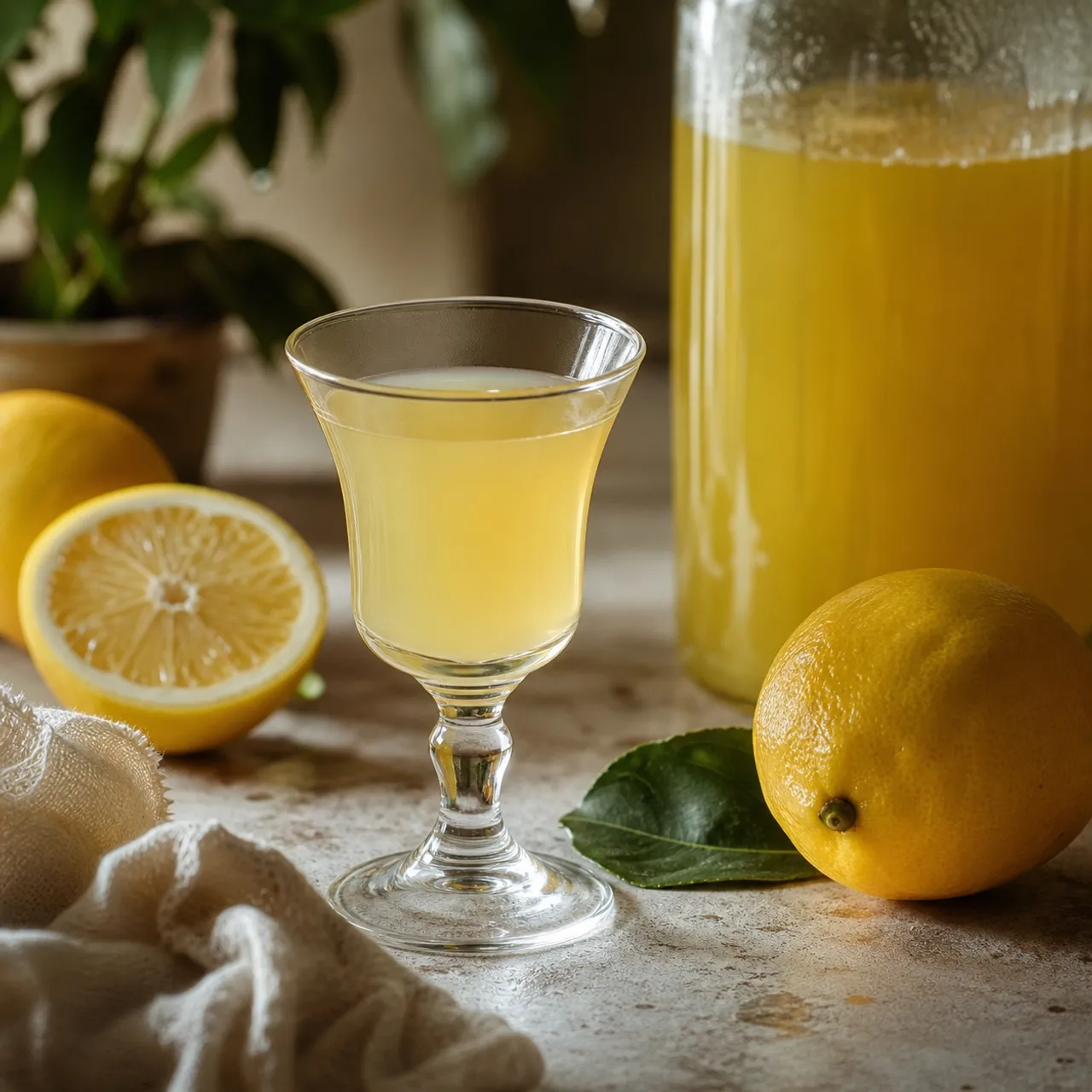
 Limoncello
The bright, syrupy lemon liqueur of the Amalfi Coast, sipped ice-cold as a digestivo.
No common allergens detected
Based on this recipe's ingredient list. Always verify with your own brands and labels.
Good to know
- Ready in under 30 minutes
Matched from this dish's own ingredients and timing. Browse more: 30-minute meals
Instructions
5 steps- 1
Wash and dry the lemons, then use a vegetable peeler to remove only the bright yellow zest in long strips, carefully avoiding the bitter white pith underneath.
- 2
Place the zest in a large clean jar, pour in the vodka to fully submerge it, seal tightly, and store in a cool dark place for 2 to 4 weeks, shaking the jar every few days as the alcohol turns deep yellow.
- 3
Once infused, make a simple syrup by combining the sugar and water in a saucepan over medium heat, stirring until the sugar fully dissolves, then bring to a brief simmer and let cool completely to room temperature.
- 4
Strain the infused alcohol through a fine-mesh sieve to discard the zest, then stir the cooled syrup into the lemon-infused spirit until evenly combined.
- 5
Pour the limoncello into clean bottles, seal, and rest in the freezer for at least 1 week before serving in chilled glasses straight from the freezer.
Listahan Family Score™
75/100
Good fit for most families
Score reflects how well this recipe fits a typical busy household. In the app, your Family Score is personalized to your household's allergens, kids, and pantry.
Nutrition
per serving1245
Calories
3 g
Protein
326 g
Carbs
1 g
Fat
Estimated per serving. Actual values depend on the brands and portions you use.
Listahan cooking guide
Chef notes & practical guide
Technique notes, ingredient swaps, serve-alongside ideas, storage guidance, and equipment for this recipe.
Cultural context
Limoncello is closely tied to southern Italy, especially the lemon-growing areas around the Amalfi Coast, Sorrento, and Capri. It is usually served very cold after a meal, where the point is not complexity so much as a clean, sunny lemon peel flavor carried by sweetened alcohol.
Listahan note
This version keeps the method classic and patient: strip only the yellow zest, let the alcohol pull out the lemon oils slowly, then soften it with a cooled simple syrup. The freezer rest matters because limoncello tastes smoother and more integrated when it is served ice-cold.
Technique cues
- The white pith under the zest is the main source of bitterness, so use light pressure with the peeler and trim any thick white patches before infusing.
- High-proof alcohol extracts lemon oils efficiently, which is why the infusion turns a strong yellow without needing lemon juice.
- Cool the syrup completely before mixing it with the infused alcohol so the finished liqueur stays clear and the lemon aroma does not flatten.
Kitchen flow
- Parallel prep
- While the lemons dry after washing, set out the jar, peeler, and funnel so the zest can go straight into alcohol without sitting around.
- Make-ahead
- Start this at least 3 to 5 weeks before you want to serve it: 2 to 4 weeks for infusion, then at least 1 week resting in the freezer.
- Leftover move
- Spoon a small splash over vanilla gelato, pound cake, or fresh berries when you want dessert to taste more intentional.
- Cleanup rhythm
- Wash the saucepan as soon as the syrup is poured off, and rinse the sieve right after straining so sticky sugar and lemon oils do not cling.
Ingredient brief
Role, handling, and swap guidance for each key ingredient.
10 organic lemons (zest only)
Primary flavor
Purpose: The zest holds the fragrant lemon oils that define limoncello, while the juice is not used in this style.
Handling: Wash and dry the lemons well, then peel wide yellow strips without digging into the white pith.
Adaptation: Meyer lemons make a softer, floral batch, while regular lemons give a sharper coastal-style profile.
High-proof vodka or grain alcohol
Extraction base
Purpose: The alcohol pulls color and aroma from the zest and carries the lemon flavor into the finished liqueur.
Handling: Pour it over the zest until the strips are fully submerged, then keep the jar sealed in a cool dark place.
Adaptation: Vodka gives a cleaner, gentler result; grain alcohol makes a stronger infusion that needs careful balancing with syrup.
Granulated sugar
Sweetness and body
Purpose: Sugar turns the lemon infusion from sharp spirit into the syrupy liqueur texture limoncello is known for.
Handling: Dissolve it fully in the water before cooling the syrup and combining it with the infusion.
Adaptation: A little less sugar gives a brighter finish, but too little can make the alcohol taste harsh.
Water
Dilution for syrup
Purpose: Water softens the strength of the infused alcohol and helps create the rounded pourable texture.
Handling: Simmer it briefly with the sugar, then let the syrup cool all the way to room temperature.
Adaptation: Use filtered water if your tap water has a strong mineral or chlorine taste.
Technique notes
- Use a vegetable peeler instead of a grater if you can; long strips are easier to strain cleanly and are less likely to bring pith along.
- Shake the jar every few days, but do not keep opening it. A sealed jar protects the aroma while the alcohol does the extraction work.
- Taste after mixing with syrup, then let it rest before judging the final balance. Freshly mixed limoncello can taste sharper than it will after a week in the freezer.
Ingredient swaps
- Softer lemon profile
- Use Meyer lemons for a rounder, more floral batch, understanding that it will taste less bracing than classic limoncello.
- Cleaner spirit base
- Use high-proof vodka instead of grain alcohol for a smoother, less assertive finish.
- Less sweet direction
- Reduce the sugar slightly and keep the freezer rest; the liqueur will pour thinner and taste more lemon-forward.
Serve alongside
- Almond biscotti
- Lemon olive oil cake
- Pizzelle
- Fresh berries with mascarpone
- Espresso
- Sparkling mineral water
- Prosecco
Serving suggestions only — check pairings for your household's allergens.
Storage & reheating
- Store sealed bottles in the freezer or refrigerator so the limoncello is ready to serve very cold.
- Do not reheat limoncello; if it has thickened in the freezer, let the bottle sit at room temperature for a few minutes and shake gently before pouring.
- For longer storage, keep it in the freezer in clean sealed bottles and thaw briefly on the counter only until it pours easily.
Equipment
- Vegetable peeler
- Large clean glass jar with tight lid
- Fine-mesh sieve
- Funnel
- Clean glass bottles
Make this household-aware
Listahan Pro checks this recipe against your household's allergens, finds pantry-aware swaps, builds the shopping list, and helps you plan the week around it.
Plan it in Listahan
Add Limoncello to your week, check it against your household's allergens, and build the shopping list automatically.
More Italian recipes
 Italian Lens Verified Images are for illustrative purposes only, may be inaccurate, and do not guarantee the presence or absence of specific ingredients.
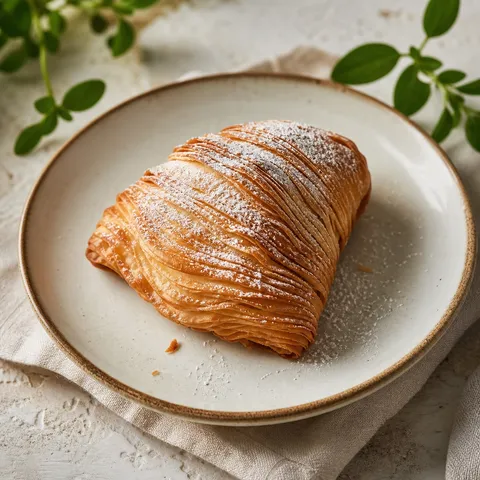
 Sfogliatella
Naples' iconic shell-shaped pastry with crisp, flaky layers wrapped around a sweet ricotta-semolina filling.
 Italian Lens Verified Images are for illustrative purposes only, may be inaccurate, and do not guarantee the presence or absence of specific ingredients.
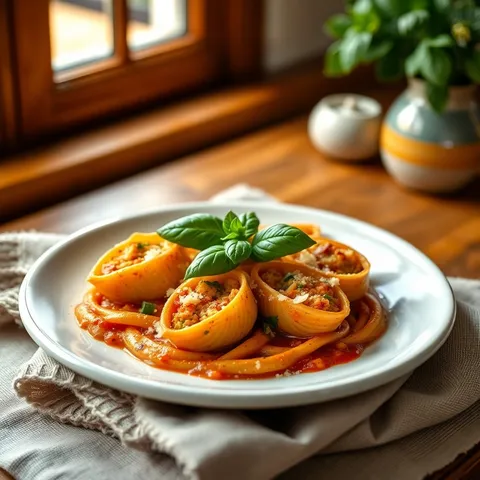
 Stuffed Shells (Conchiglioni Ripieni)
Jumbo pasta shells filled with a creamy ricotta-spinach mixture and baked in tomato sauce.
 Italian Lens Verified Images are for illustrative purposes only, may be inaccurate, and do not guarantee the presence or absence of specific ingredients.
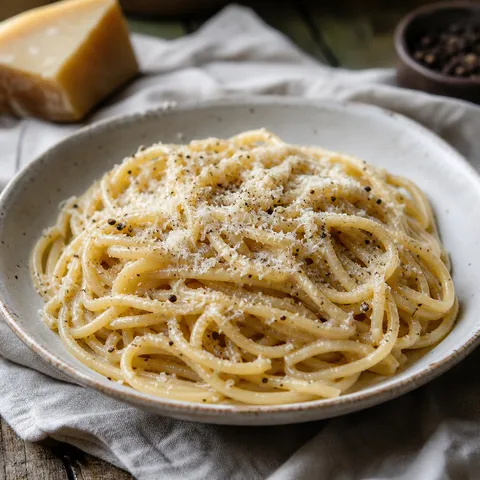
 Cacio e Pepe
A minimalist Roman pasta dish literally meaning "cheese and pepper."