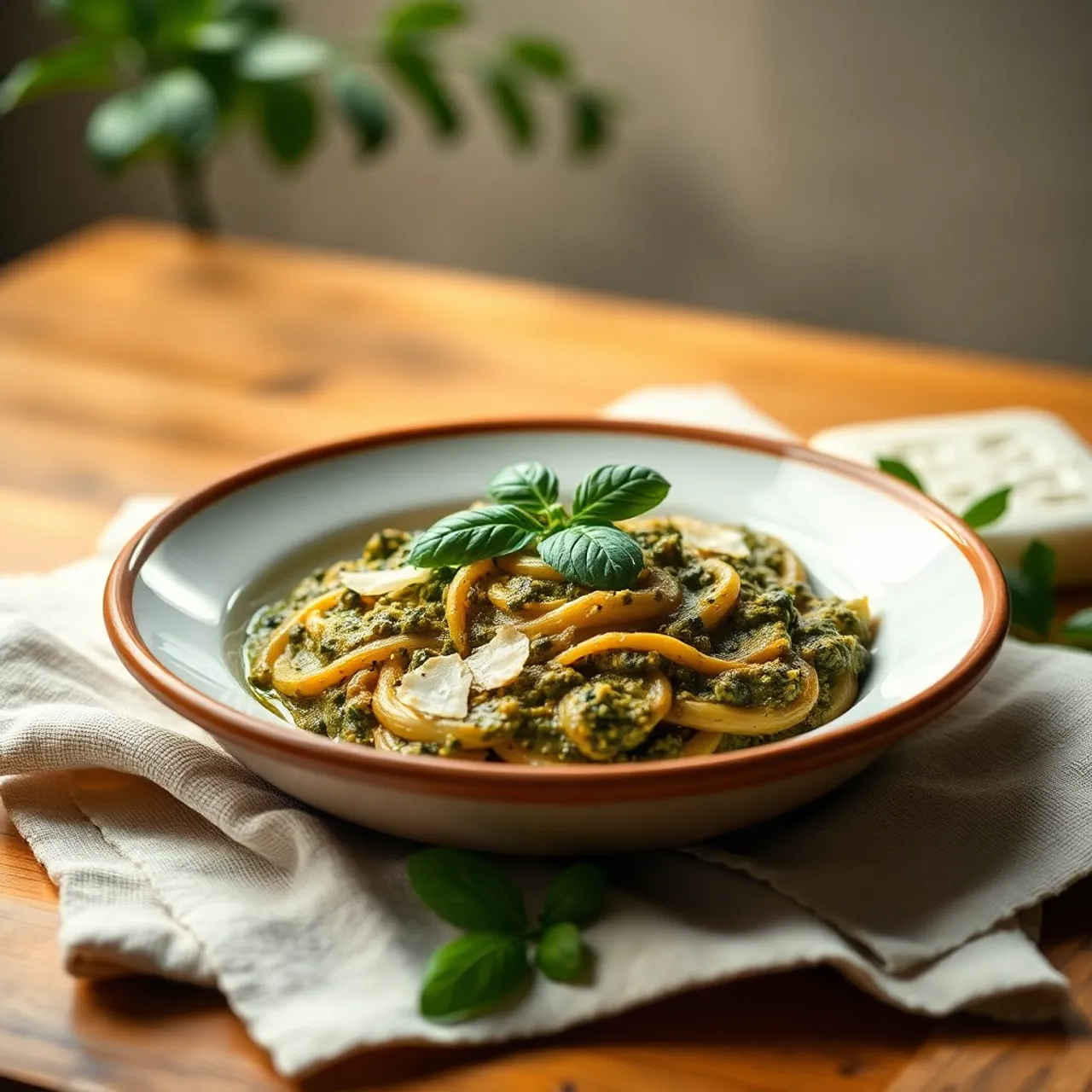
 Italian Images are for illustrative purposes only, may be inaccurate, and do not guarantee the presence or absence of specific ingredients.
 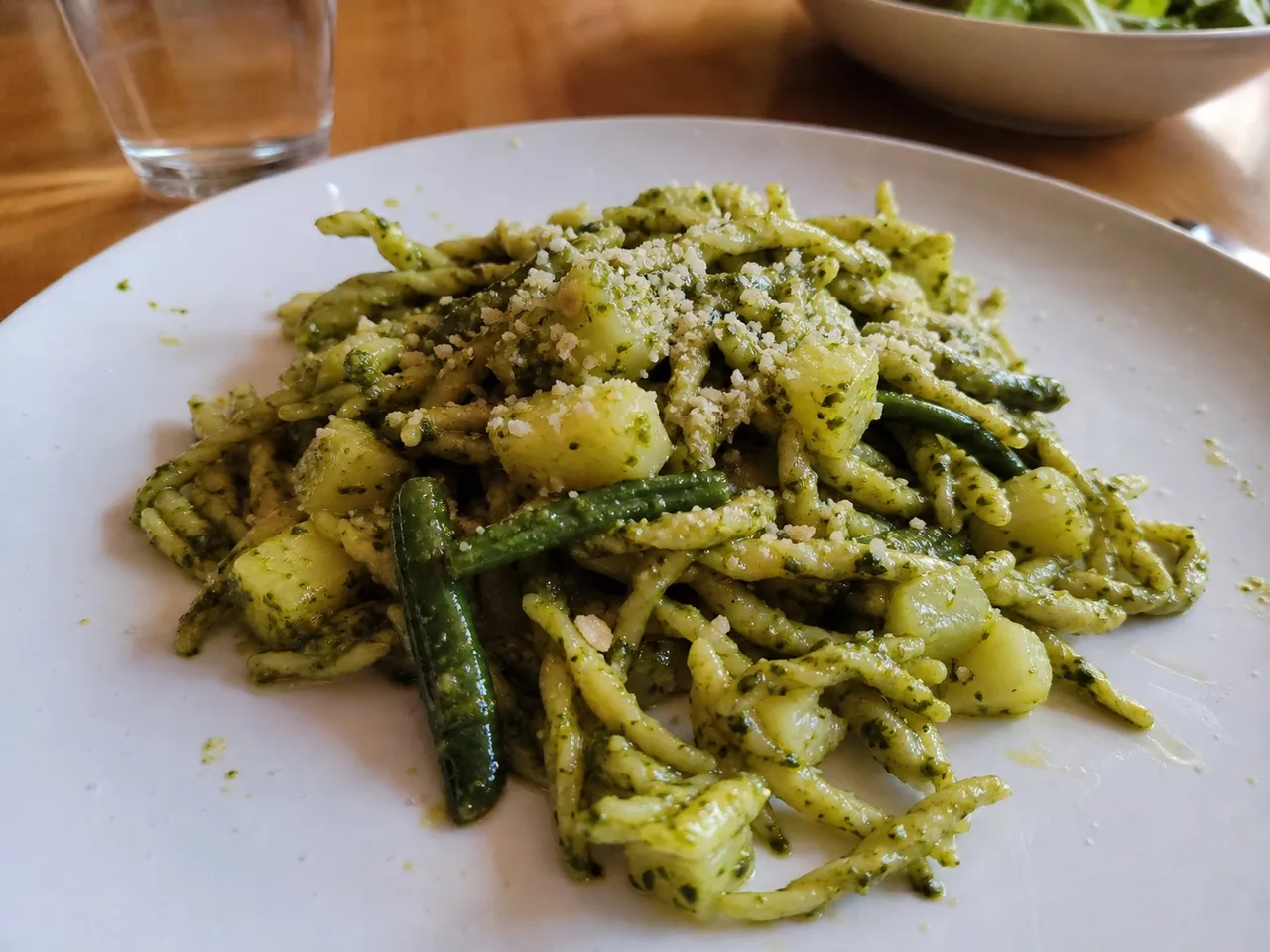 Serving Images are for illustrative purposes only, may be inaccurate, and do not guarantee the presence or absence of specific ingredients.
 Pesto alla Genovese
A bright, herbaceous green sauce originating in Genoa, typically served with pasta.
Contains common allergens
In the app, Listahan checks these against your household automatically.
Good to know
- Ready in under 30 minutes
Matched from this dish's own ingredients and timing. Browse more: 30-minute meals
Instructions
6 steps- 1
Prep the Equipment: For the most authentic texture, use a marble mortar and wooden pestle. If using a food processor, chill the blade and bowl in the freezer for 15 minutes to prevent the basil from oxidizing and turning brown from heat.
- 2
Crush the Garlic and Nuts: In the mortar (or food processor), pound the garlic clove and a pinch of coarse sea salt into a smooth paste. Add the pine nuts and crush them until they form a coarse paste.
- 3
Pound the Basil: Add the fresh basil leaves a handful at a time. Do not bash them; instead, use a circular, grinding motion against the sides of the mortar to tear the leaves and release their essential oils.
- 4
Incorporate the Cheese: Once the basil is broken down into a dark green, fragrant paste, stir in the grated Parmigiano-Reggiano and Pecorino until fully incorporated.
- 5
Stream the Oil: Slowly drizzle in the extra virgin olive oil, mixing continuously until the pesto reaches a thick, creamy, and emulsified consistency.
- 6
Store or Serve: To serve with pasta, never heat the pesto in a pan. Instead, place the pesto in the bottom of a large bowl, dilute it with 1-2 tablespoons of hot, starchy pasta water, and toss the hot cooked pasta directly in the bowl. If storing, cover the surface with a thin layer of olive oil to prevent oxidation.
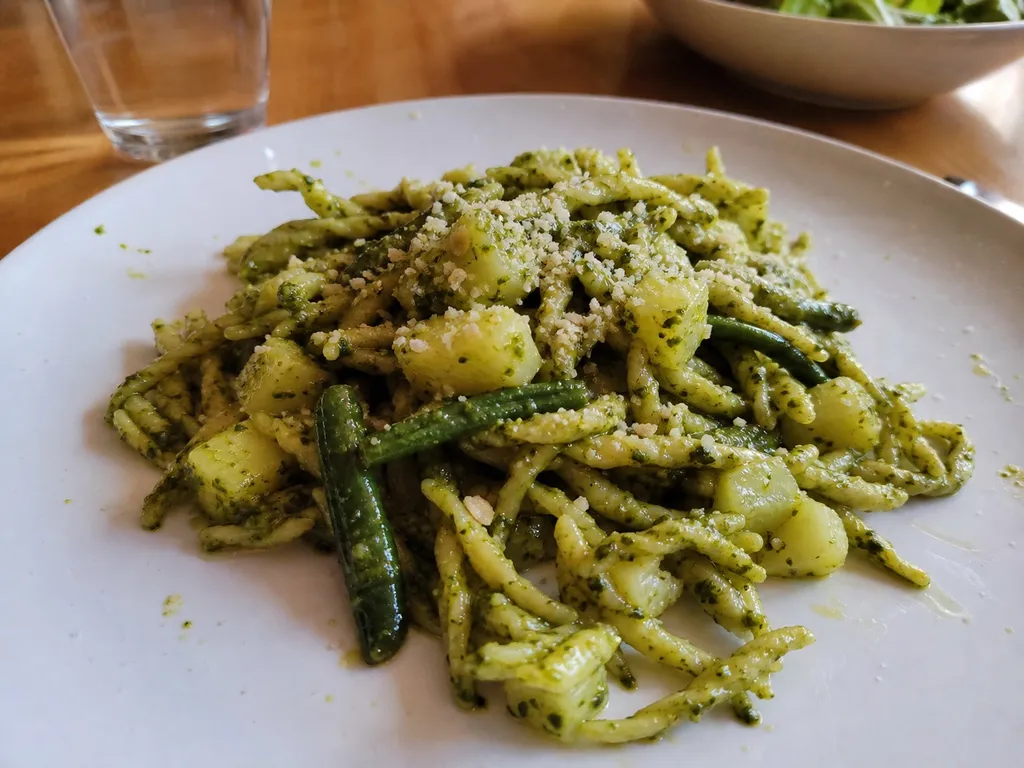 Images are for illustrative purposes only, may be inaccurate, and do not guarantee the presence or absence of specific ingredients.
 Listahan Family Score™
68/100
Works for many families
Score reflects how well this recipe fits a typical busy household. In the app, your Family Score is personalized to your household's allergens, kids, and pantry.
Nutrition
per serving270
Calories
1 g
Protein
1 g
Carbs
30 g
Fat
Estimated per serving. Actual values depend on the brands and portions you use.
Listahan cooking guide
Chef notes & practical guide
Technique notes, ingredient swaps, serve-alongside ideas, storage guidance, and equipment for this recipe.
Cultural context
Pesto alla Genovese originates from Genoa, the capital of Liguria on the northwestern coast of Italy, where the local basil — grown in the hot, dry microclimate of the region — is reputedly more fragrant and less anise-forward than basil grown elsewhere. The word 'pesto' simply means 'crushed' or 'pounded,' referring to the traditional mortar and pestle method that bruises the herbs rather than cutting them, releasing oils without generating the oxidizing heat that turns machine-blended pesto brown. The sauce is Protected Denomination of Origin in Italy, specifying Ligurian basil, Parmigiano-Reggiano, Fiore Sardo (Sardinian pecorino), pine nuts, Ligurian olive oil, and garlic.
Listahan note
This version uses a food processor for accessibility while giving you the technique tips that minimize browning and capture the brightest possible green color and flavor.
Technique cues
- Blanch the basil leaves for 15 seconds in boiling water and immediately shock them in ice water before blending — this fixes the chlorophyll so the pesto stays vivid green instead of turning dark and dull.
- Pulse rather than blend continuously in a food processor, and work in short bursts to keep the basil from heating up and oxidizing from the friction of the blade.
- Toast the pine nuts lightly in a dry pan before using — untoasted pine nuts have a slightly bitter, resinous quality, while a light toast brings out their natural buttery sweetness.
Kitchen flow
- Parallel prep
- Toast the pine nuts and bring water to a boil for optional basil blanching while gathering and measuring the remaining ingredients.
- Make-ahead
- Pesto can be made up to 3 days ahead and stored in the refrigerator with a thin layer of olive oil on top to prevent oxidation and browning.
- Leftover move
- Thin leftover pesto with a little pasta water and use it as a spread on sandwiches, a dip for crudites, or a sauce for roasted vegetables and eggs.
- Cleanup rhythm
- Rinse the food processor bowl immediately after use since basil oils stain plastic containers when left to sit; a quick cold water rinse before washing prevents this.
Ingredient brief
Role, handling, and swap guidance for each key ingredient.
fresh basil leaves
primary flavor base
Purpose: Basil provides the distinct herbal, slightly sweet, and clove-like flavor that defines pesto; quality of the basil is the single biggest variable in the outcome.
Handling: Pick leaves from the stem and keep them whole until ready to use; do not wash far in advance as moisture can cause browning.
Adaptation: Arugula, spinach, or a mix of herbs can substitute for a different flavor profile; fresh mint adds an interesting brightness.
pine nuts
richness and body
Purpose: Pine nuts contribute a creamy, buttery richness and mild flavor that blends into the background while adding body to the sauce.
Handling: Toast in a dry pan over medium-low heat until golden, watching carefully as they burn quickly.
Adaptation: Walnuts (toasted) give a bolder, earthier result and are significantly more affordable; cashews produce a creamier, more neutral pesto.
Parmigiano-Reggiano
savory depth and body
Purpose: Parmesan adds umami and salty complexity while also contributing to the thick, emulsified texture of the finished pesto.
Handling: Grate finely and add at the end of blending rather than processing with the herbs to preserve its texture.
Adaptation: Grana Padano is an economical substitute; Pecorino Romano adds more sharpness and salt.
garlic
pungency
Purpose: Raw garlic gives pesto its characteristic bite; in Ligurian tradition it is used sparingly so it does not dominate the basil.
Handling: Use one small clove for a gentle presence; for a milder flavor, blanch the garlic for 30 seconds in boiling water before using.
Adaptation: Roasted garlic can be substituted for a sweeter, more mellow pesto.
extra-virgin olive oil
emulsifier and flavor carrier
Purpose: Good-quality olive oil binds the ingredients together and carries the fat-soluble aromatic compounds from the basil and garlic.
Handling: Add in a slow stream while blending so the oil emulsifies gradually rather than forming a separate, oily layer.
Adaptation: For a milder result, use a blend of olive oil and neutral oil; avoid strongly flavored olive oils that can overpower the basil.
Technique notes
- The traditional mortar-and-pestle method produces a rougher, more textured pesto where the basil oils are extracted by pressure rather than by cutting — the result has a noticeably different, rounder flavor than machine-blended pesto.
- Do not add pesto to pasta over direct heat — stir it into the drained pasta off the stove with a splash of pasta water so the heat from the noodles is enough to warm it without cooking the raw garlic and wilting the herbs further.
- Freeze pesto in ice cube trays and transfer the cubes to a bag for long-term storage — individual portions thaw in minutes and retain their flavor well for up to 3 months.
Ingredient swaps
- Nut-free direction
- Omit the pine nuts entirely or substitute with sunflower seeds — the texture and flavor profile shift slightly but the sauce is still excellent and made without tree nuts.
- Dairy-free option
- Replace the Parmesan with nutritional yeast (start with 2 tablespoons and taste) for a vegan pesto with a similarly savory depth.
- Budget-friendly direction
- Swap pine nuts for walnuts and use Grana Padano instead of Parmigiano-Reggiano to significantly reduce cost without sacrificing quality.
Serve alongside
- Trenette or trofie pasta with green beans and potatoes (the Ligurian classic)
- Bruschetta with pesto and cherry tomatoes
- Grilled zucchini with pesto drizzle
- Vermentino (the white wine of Liguria, with herbal notes that mirror the pesto)
- Pinot Grigio
Serving suggestions only — check pairings for your household's allergens.
Storage & reheating
- Store in an airtight jar in the refrigerator for up to 5 days with a thin film of olive oil on the surface to prevent browning.
- Freeze in small portions (ice cube trays work well) for up to 3 months; thaw in the refrigerator and stir before using.
Equipment
- Food processor or high-powered blender for quick preparation
- Mortar and pestle for the traditional method and more nuanced flavor extraction
- Microplane for finely grating the Parmesan into the sauce
Make this household-aware
Listahan Pro checks this recipe against your household's allergens, finds pantry-aware swaps, builds the shopping list, and helps you plan the week around it.
Plan it in Listahan
Add Pesto alla Genovese to your week, check it against your household's allergens, and build the shopping list automatically.
More Italian recipes
 Italian Lens Verified Images are for illustrative purposes only, may be inaccurate, and do not guarantee the presence or absence of specific ingredients.
 Sfogliatella
Naples' iconic shell-shaped pastry with crisp, flaky layers wrapped around a sweet ricotta-semolina filling.
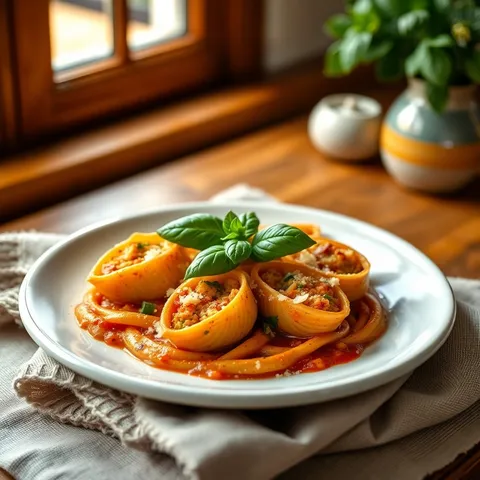 Italian Lens Verified Images are for illustrative purposes only, may be inaccurate, and do not guarantee the presence or absence of specific ingredients.
 Stuffed Shells (Conchiglioni Ripieni)
Jumbo pasta shells filled with a creamy ricotta-spinach mixture and baked in tomato sauce.
 Italian Lens Verified Images are for illustrative purposes only, may be inaccurate, and do not guarantee the presence or absence of specific ingredients.
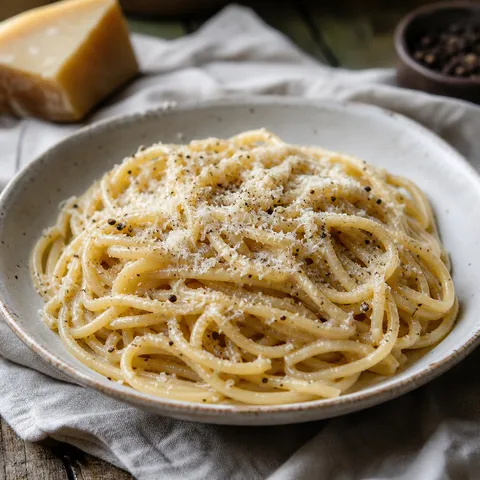
 Cacio e Pepe
A minimalist Roman pasta dish literally meaning "cheese and pepper."