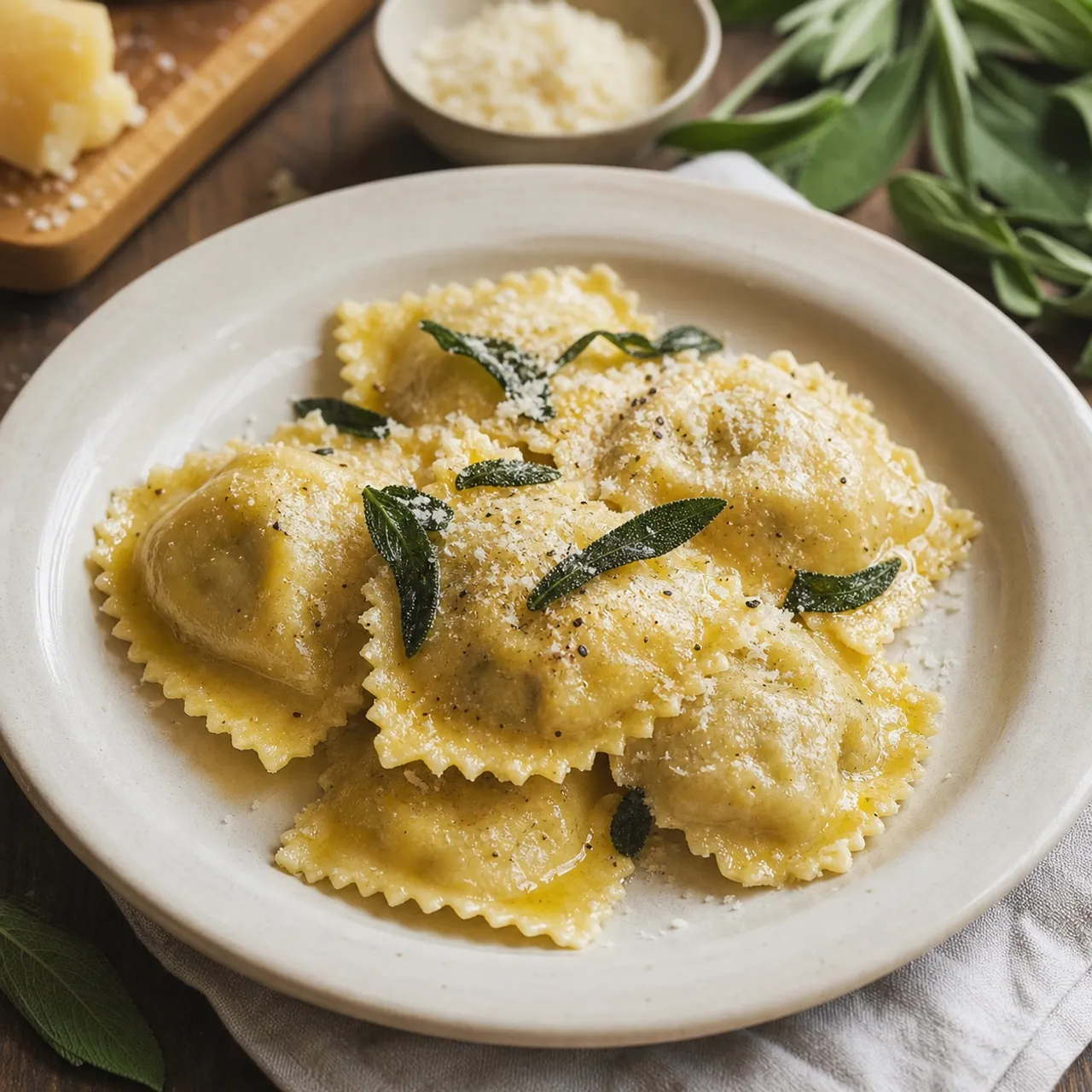
 Italian Images are for illustrative purposes only, may be inaccurate, and do not guarantee the presence or absence of specific ingredients.
 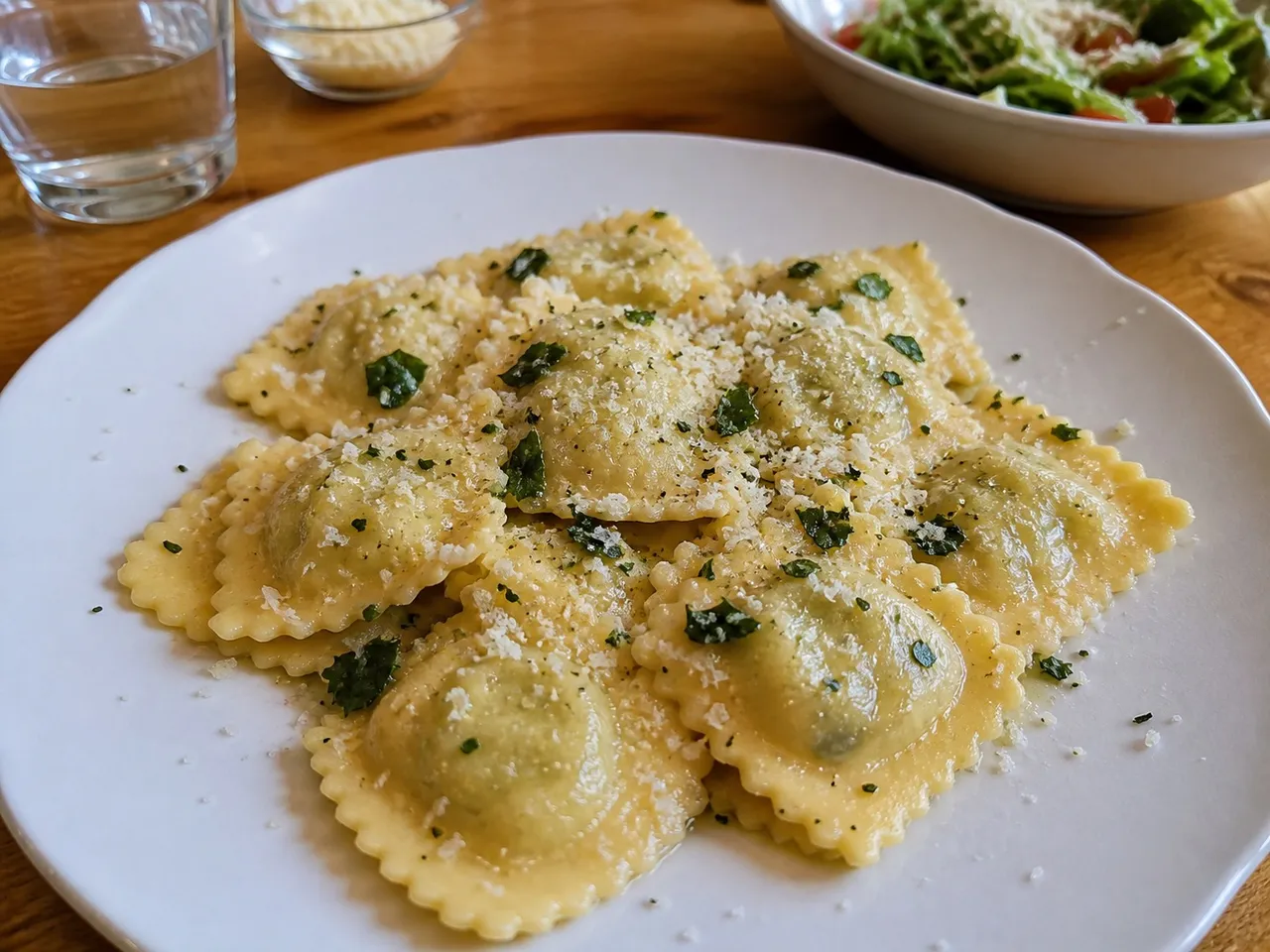 Serving Images are for illustrative purposes only, may be inaccurate, and do not guarantee the presence or absence of specific ingredients.
 Ravioli
Pasta parcels stuffed with various fillings like ricotta and spinach.
Contains common allergens
In the app, Listahan checks these against your household automatically.
Instructions
6 steps- 1
Make the Pasta Dough: Mound the flour on a work surface, create a well in the center, and add the eggs and salt. Use a fork to gradually incorporate the flour into the eggs. Knead by hand for 10 minutes until the dough is smooth and elastic. Wrap in plastic and rest for 30 minutes.
- 2
Prepare the Filling: Wilt the spinach in a dry skillet over medium heat. Squeeze out *all* excess water using a clean kitchen towel, then chop very finely. In a bowl, mix the chopped spinach, drained ricotta, Parmesan, egg yolk, nutmeg, salt, and pepper. Transfer the filling to a piping bag.
- 3
Roll the Dough: Cut the rested dough in quarters. Keep unused portions covered. Flatten a quarter and pass it through a pasta machine on the widest setting. Fold it in thirds and pass it through again. Continue passing the dough through progressively thinner settings until you reach the second-to-last setting (the sheet should be semi-translucent).
- 4
Pipe and Seal: Lay the pasta sheet flat on a surface dusted with semolina. Pipe 1-teaspoon dollops of filling along the bottom half of the sheet, spacing them 1.5 inches apart. Fold the top half of the dough over the filling. Using your fingers, gently press around the filling to expel all trapped air, then press firmly to seal the edges.
- 5
Cut the Ravioli: Use a fluted pastry wheel or a sharp knife to cut the ravioli into individual squares. Check the edges to ensure they are completely sealed. Place on a semolina-dusted tray.
- 6
Cook: Bring a large pot of salted water to a gentle boil (a rolling boil will burst the ravioli). Drop the ravioli in and cook for 3-4 minutes until they float and the pasta is tender. Toss gently in melted butter and sage, or a light tomato sauce.
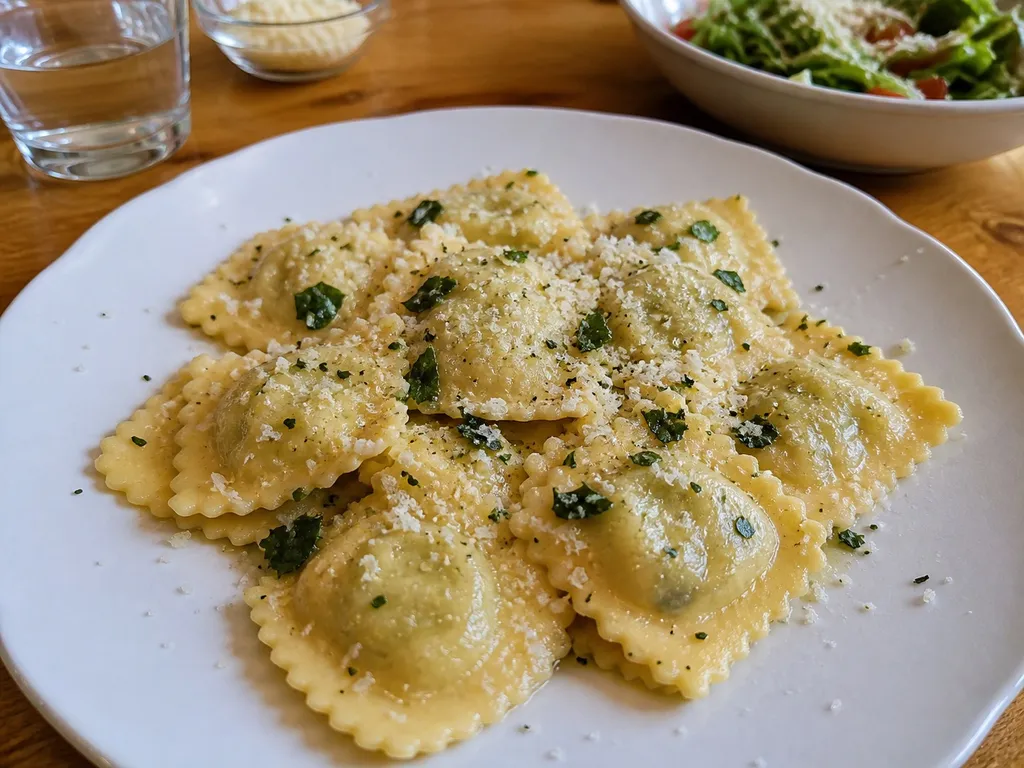 Images are for illustrative purposes only, may be inaccurate, and do not guarantee the presence or absence of specific ingredients.
 Listahan Family Score™
64/100
Works for many families
Score reflects how well this recipe fits a typical busy household. In the app, your Family Score is personalized to your household's allergens, kids, and pantry.
Nutrition
per serving15
Calories
1 g
Protein
0 g
Carbs
1 g
Fat
Estimated per serving. Actual values depend on the brands and portions you use.
Listahan cooking guide
Chef notes & practical guide
Technique notes, ingredient swaps, serve-alongside ideas, storage guidance, and equipment for this recipe.
Cultural context
Ravioli are filled fresh-pasta pockets that appear in Italian cookbooks as far back as the 14th century, long before tomatoes reached Europe. Nearly every region has its own version, from Ligurian herb-and-ricotta to meat-stuffed ravioli served in broth, and the filling traditionally used up whatever was on hand. The defining idea is simple: a thin sheet of egg pasta sealed around a savory center so each bite delivers pasta and filling together.
Listahan note
This version uses a classic ricotta-and-spinach filling and a thin egg-pasta dough, finished simply with butter and sage so the filling stays the star. It is scaled for a family batch you can make ahead and freeze.
Technique cues
- Roll the dough thin enough to see your hand through it; thick ravioli turn gummy because the doubled edges never cook through cleanly.
- Press out trapped air around each mound before sealing, or the pockets balloon and burst in the boiling water.
- Drain the ricotta filling so it is not wet; excess moisture steams inside and tears the pasta from within.
Kitchen flow
- Parallel prep
- Let the dough rest while you wilt the spinach and mix the filling, so both are ready to assemble at the same time.
- Make-ahead
- Shape the ravioli and freeze them in a single layer on a tray, then bag them; they cook straight from frozen with an extra minute.
- Leftover move
- Pan-fry cooked leftover ravioli in butter until the edges crisp, then finish with grated cheese for a different texture.
- Cleanup rhythm
- Dust the work surface and trays with flour or fine semolina so nothing sticks, and the flour sweeps up dry afterward.
Ingredient brief
Role, handling, and swap guidance for each key ingredient.
00 flour
pasta structure
Purpose: Its fine grind gives a silky, elastic dough that rolls paper-thin without tearing.
Handling: Mound it and make a well for the eggs so you can pull flour in gradually.
Adaptation: All-purpose flour works with a slightly sturdier bite; add a teaspoon of water if the dough feels dry.
eggs
binder and richness
Purpose: Egg yolks color the dough and give it the tender, pliable strength that holds a thin sheet together.
Handling: Beat lightly before working into the flour so the dough hydrates evenly.
Adaptation: For an eggless dough use semolina and water, accepting a chewier, less golden result.
ricotta
filling base
Purpose: Its creamy, mild curd carries the other flavors and stays soft when cooked.
Handling: Drain in a sieve for at least 30 minutes so the filling is thick, not runny.
Adaptation: Strained cottage cheese or a firm fresh goat cheese both work for a tangier filling.
spinach
filling vegetable
Purpose: It adds color, earthiness, and structure that keeps the cheese from being one-note.
Handling: Wilt, cool, and squeeze out every drop of water before chopping fine, or the filling goes wet.
Adaptation: Chopped cooked chard or thawed and squeezed frozen spinach work just as well.
Parmigiano-Reggiano
savory depth
Purpose: Its salt and umami season the mild ricotta and tie the filling together.
Handling: Grate fresh and fold into the drained ricotta along with a little nutmeg.
Adaptation: Grana Padano or Pecorino Romano work; reduce added salt with the saltier Pecorino.
Technique notes
- Salt the boiling water generously and cook ravioli at a gentle simmer, not a rolling boil, so the delicate seams do not split.
- Brown the butter just until it smells nutty before adding sage; this sauce takes two minutes and makes the dish.
- Reserve a splash of pasta water to loosen the butter into a glossy sauce that clings to each pocket.
Ingredient swaps
- Gluten-free direction
- Use a gluten-free pasta flour blend with xanthan gum and roll slightly thicker, handling the more fragile sheets carefully.
- Weeknight shortcut
- Use fresh lasagna sheets or wonton wrappers as the pasta layer to skip rolling dough entirely.
- Dairy-free option
- Fill with a sauteed mushroom and white-bean mash instead of ricotta, and dress with olive oil and sage rather than butter.
Serve alongside
- Simple arugula salad with lemon
- Garlic-sauteed broccolini
- Crusty bread with olive oil
- Roasted cherry tomatoes
- A glass of Soave
- A light Pinot Noir
- Sparkling water with lemon
Serving suggestions only — check pairings for your household's allergens.
Storage & reheating
- Cooked ravioli keep in the fridge for up to three days; reheat gently in butter or broth rather than the microwave to avoid toughening. Uncooked shaped ravioli freeze for up to two months and should be cooked directly from frozen. Do not thaw before boiling, as they turn sticky and tear.
Equipment
- A pasta roller or long rolling pin
- A bench scraper for portioning dough
- A piping bag or two spoons for the filling
- A fluted cutter or wheel for sealing edges
Make this household-aware
Listahan Pro checks this recipe against your household's allergens, finds pantry-aware swaps, builds the shopping list, and helps you plan the week around it.
Plan it in Listahan
Add Ravioli to your week, check it against your household's allergens, and build the shopping list automatically.
More Italian recipes
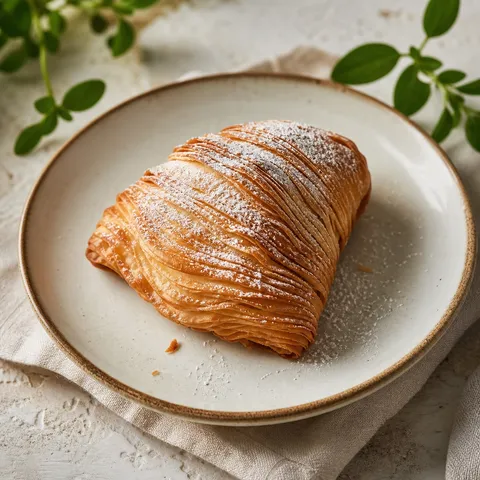 Italian Lens Verified Images are for illustrative purposes only, may be inaccurate, and do not guarantee the presence or absence of specific ingredients.
 Sfogliatella
Naples' iconic shell-shaped pastry with crisp, flaky layers wrapped around a sweet ricotta-semolina filling.
 Italian Lens Verified Images are for illustrative purposes only, may be inaccurate, and do not guarantee the presence or absence of specific ingredients.
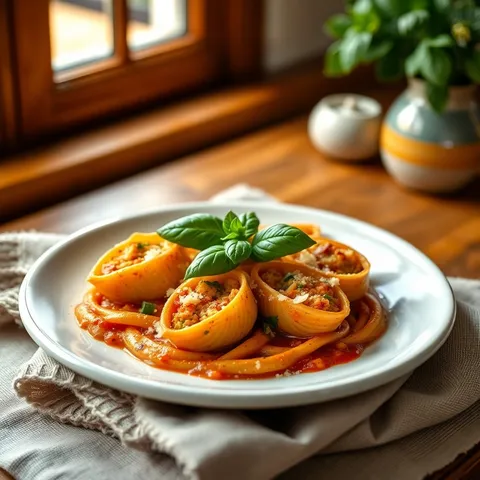
 Stuffed Shells (Conchiglioni Ripieni)
Jumbo pasta shells filled with a creamy ricotta-spinach mixture and baked in tomato sauce.
 Italian Lens Verified Images are for illustrative purposes only, may be inaccurate, and do not guarantee the presence or absence of specific ingredients.
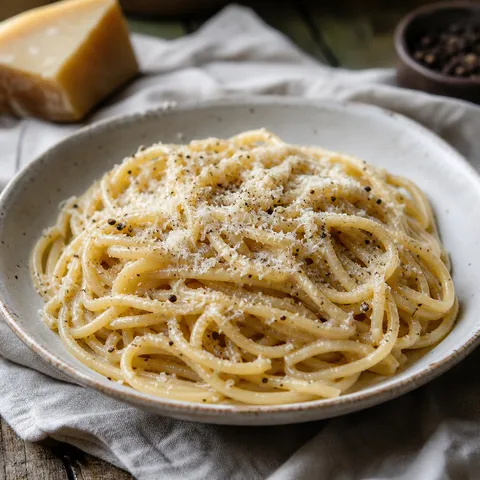
 Cacio e Pepe
A minimalist Roman pasta dish literally meaning "cheese and pepper."