 Italian Images are for illustrative purposes only, may be inaccurate, and do not guarantee the presence or absence of specific ingredients.
  Serving Images are for illustrative purposes only, may be inaccurate, and do not guarantee the presence or absence of specific ingredients.
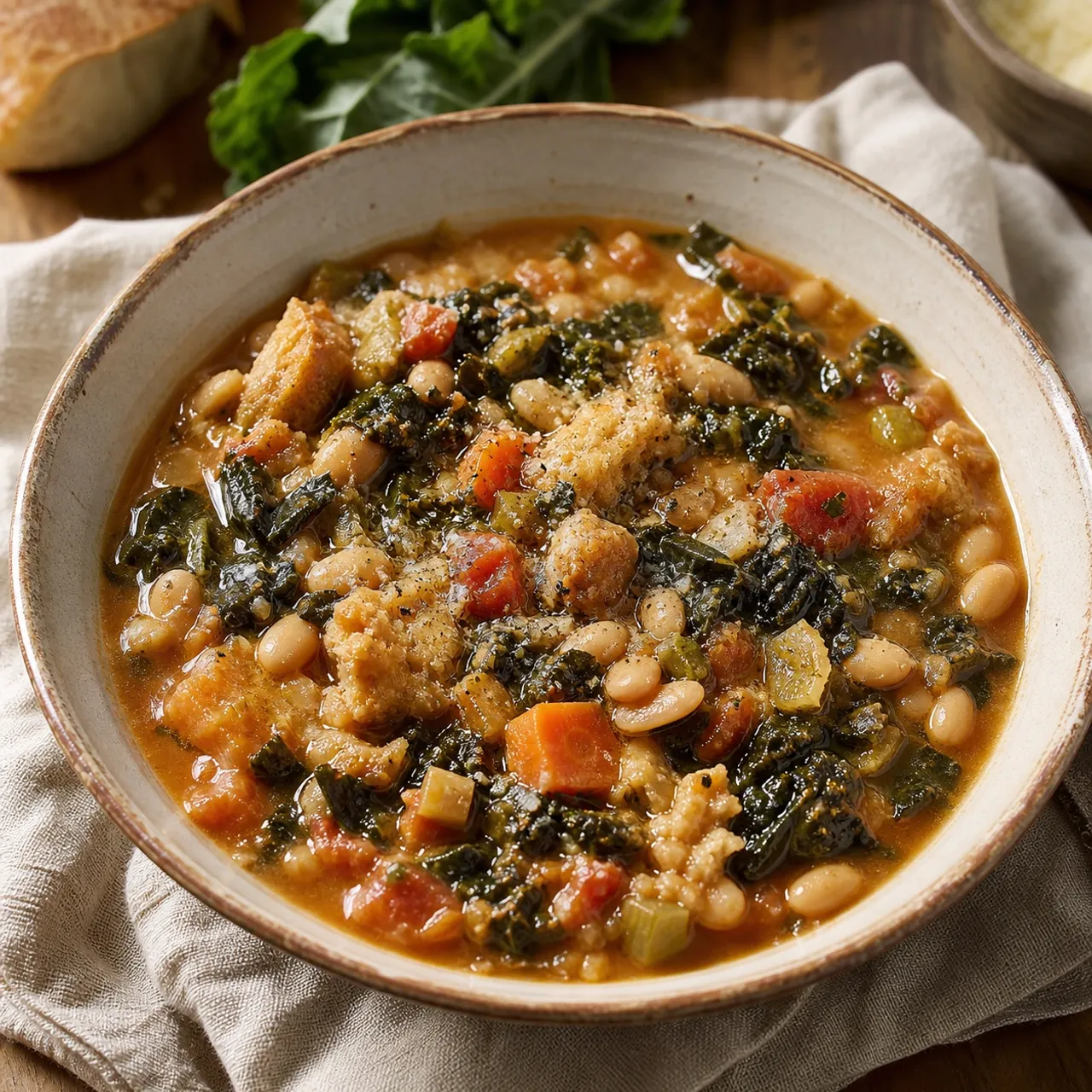
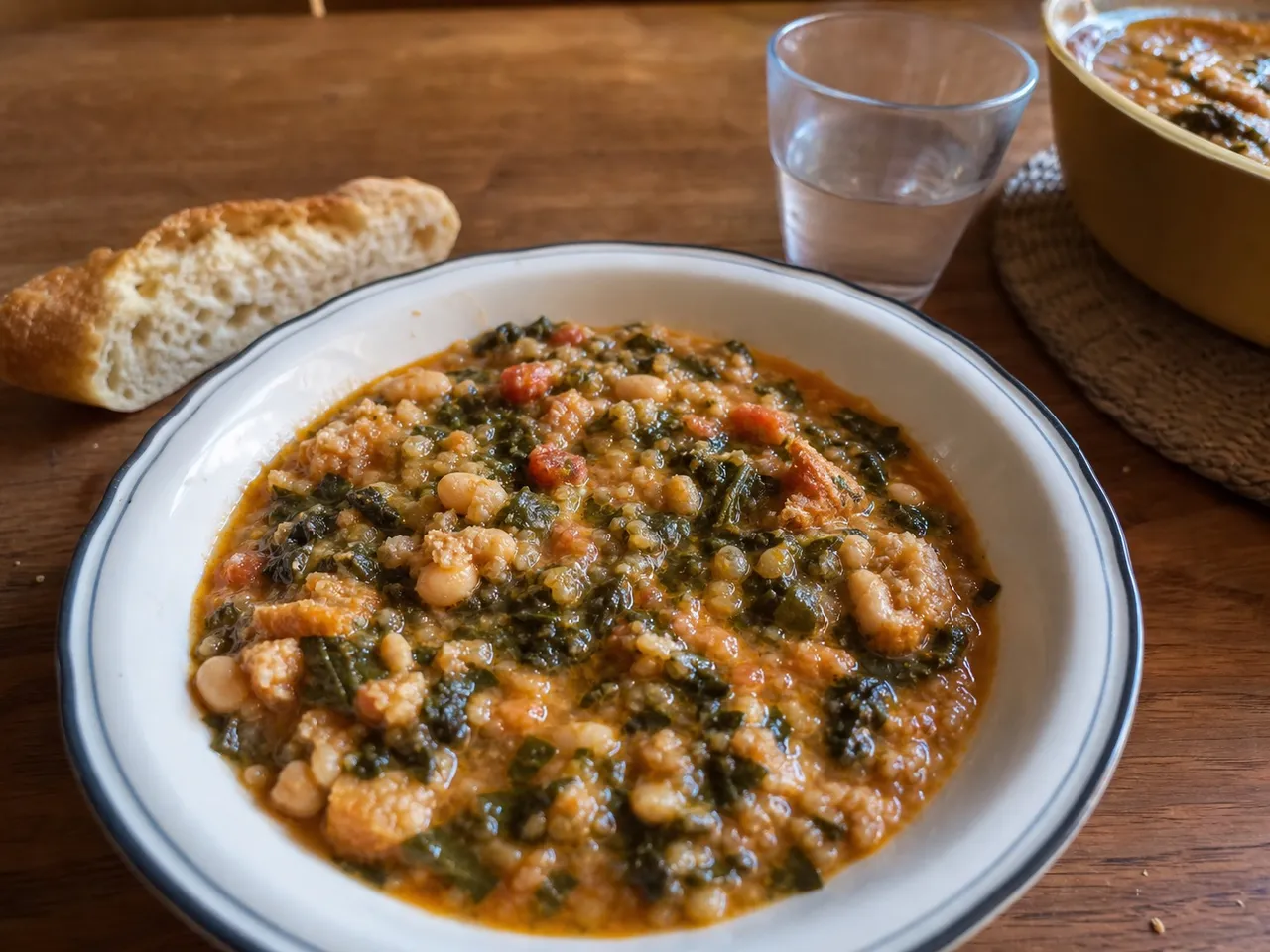
 Ribollita
A rustic Tuscan bread and vegetable soup, usually made with leftovers.
Contains common allergens
In the app, Listahan checks these against your household automatically.
Good to know
- One-pot
Matched from this dish's own ingredients and timing. Browse more: one-pot dinners
Instructions
6 steps- 1
Sauté the Mirepoix: Heat 1/4 cup of olive oil in a heavy-bottomed pot over medium heat. Add the chopped onion, carrots, and celery. Sauté for 10 minutes until deeply softened.
- 2
Add Greens and Tomatoes: Stir in the chopped kale and shredded cabbage. Cook for 5 minutes until they begin to wilt. Add the crushed tomatoes and a sprig of fresh thyme, stirring well.
- 3
Incorporate Beans: Add the whole Cannellini beans along with the pureed beans (which will naturally thicken the soup). Pour in 4 cups of water or vegetable broth. Bring to a boil, reduce heat to low, and simmer uncovered for 45 minutes until the vegetables are meltingly tender.
- 4
Prepare the Bread: While the soup simmers, place the chunks of stale bread in a large bowl.
- 5
The "Re-boil" (Ribollita): Stir the bread chunks directly into the simmering soup. Cook for an additional 10-15 minutes, stirring frequently, until the bread has broken down and thickened the soup into a porridge-like consistency.
- 6
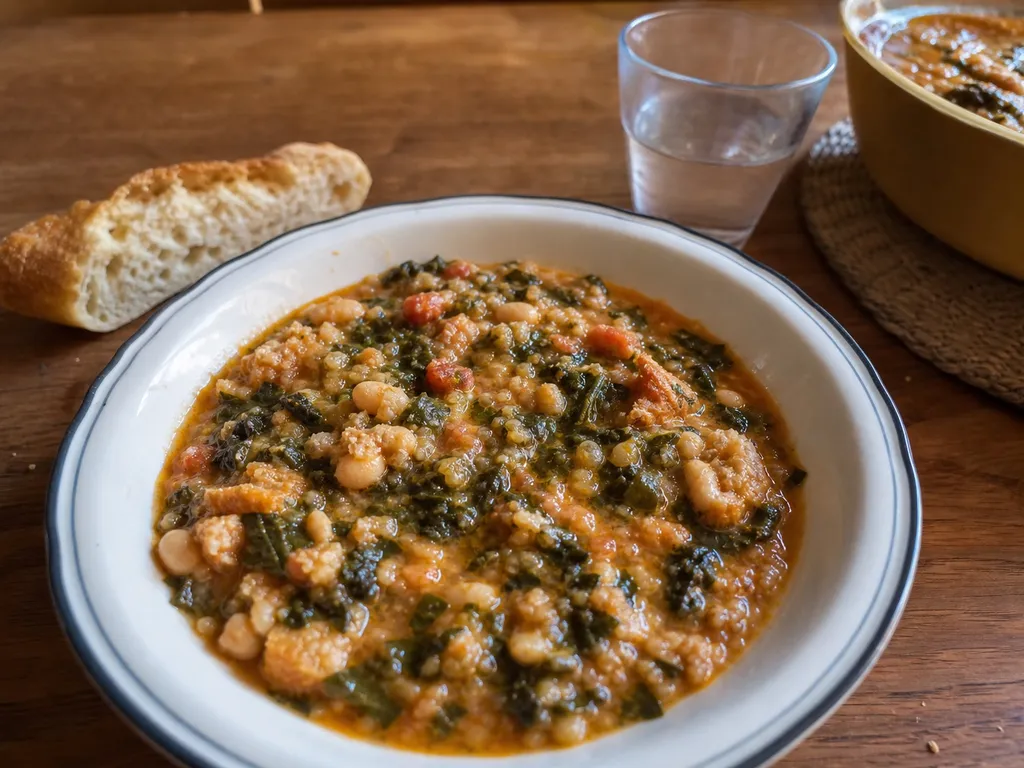
Serve: Remove from heat and let it rest for 15 minutes. Serve warm (not boiling hot) in wide bowls, finishing each portion with a very generous drizzle of the remaining high-quality extra virgin olive oil and freshly cracked black pepper.
 Images are for illustrative purposes only, may be inaccurate, and do not guarantee the presence or absence of specific ingredients.
 Listahan Family Score™
69/100
Works for many families
Score reflects how well this recipe fits a typical busy household. In the app, your Family Score is personalized to your household's allergens, kids, and pantry.
Nutrition
per serving415
Calories
11 g
Protein
33 g
Carbs
28 g
Fat
Estimated per serving. Actual values depend on the brands and portions you use.
Listahan cooking guide
Chef notes & practical guide
Technique notes, ingredient swaps, serve-alongside ideas, storage guidance, and equipment for this recipe.
Cultural context
Ribollita — meaning 'reboiled' in Italian — is the most famous expression of Tuscan cucina povera, originating as a way to stretch leftover minestrone by adding stale bread and reheating it the next day (and the day after that). The name is literal: the soup is genuinely better when made a day ahead and reboiled, as the bread thickens the broth into something closer to a porridge than a soup and the flavors meld completely. The defining vegetables are lacinato kale (cavolo nero, 'black cabbage') and cannellini beans, both winter staples in Tuscany, making this a cold-weather dish by nature.
Listahan note
This version leans into the make-ahead nature of the dish by finishing it with a drizzle of fresh, grassy olive oil just before serving, which cuts through the thick, starchy base and brightens every bowl.
Technique cues
- Use stale bread rather than fresh — stale bread breaks down more slowly into the soup and creates a pleasantly thick, porridge-like texture without turning slimy; fresh bread disintegrates too quickly and can make the soup gluey.
- Mash about a quarter of the cooked cannellini beans before adding them to the soup — this creates natural body and a creamy consistency without any thickeners while the whole beans still provide texture.
- The final step of drizzling cold-pressed Tuscan olive oil directly into each bowl is non-negotiable — it transforms the dish from hearty but flat to bright, complex, and alive.
Kitchen flow
- Parallel prep
- If starting from dried beans, soak them the night before; the actual active prep is about 20 minutes of vegetable chopping while the soffritto cooks.
- Make-ahead
- Ribollita is significantly better made a day ahead and refrigerated overnight, then reheated (reboiled) the next day — the flavors meld completely and the bread thickens the soup to the proper consistency.
- Leftover move
- Very thick leftover ribollita can be poured into a greased pan, refrigerated, sliced, and pan-fried in olive oil the next day into savory golden cakes — this is called ribollita fritta and is equally beloved.
- Cleanup rhythm
- The main pot is the only significant cleanup item; deglaze with a splash of water while still warm to loosen the starchy residue, then wash normally.
Ingredient brief
Role, handling, and swap guidance for each key ingredient.
lacinato kale (cavolo nero)
primary leafy green
Purpose: Cavolo nero has a pleasantly bitter, mineral flavor and a sturdier texture than regular kale that holds up to long cooking without becoming slimy.
Handling: Strip the leaves from the tough central rib and tear into rough pieces; the ribs are too fibrous for this preparation.
Adaptation: Savoy cabbage can substitute and is more available; regular curly kale works but has a more vegetal, less complex flavor.
cannellini beans
protein and body
Purpose: Cannellini beans provide the creamy, mild starchiness that, when partially mashed, gives ribollita its characteristic thick and porridge-like consistency.
Handling: If using dried, soak overnight and cook in unsalted water until tender before adding; canned beans drain and rinse well and save significant time.
Adaptation: Borlotti beans are another Tuscan staple and work equally well; Great Northern beans are a good North American substitute.
stale Tuscan bread
body and thickener
Purpose: Tuscan bread (traditionally made without salt) absorbs the broth and breaks down into the soup, creating the thick, almost stew-like consistency that defines ribollita.
Handling: Tear or cut into rough chunks and add in the last 10 minutes of cooking so they soften but retain a little texture in the final bowl.
Adaptation: Any good country-style bread works; salted bread is fine and actually improves the seasoning of this intentionally plain-flavored soup.
soffritto (onion, carrot, celery)
flavor base
Purpose: The slow-cooked vegetable base provides the underlying sweetness and depth that supports the more assertive flavors of the kale and beans.
Handling: Dice finely and cook in generous olive oil over low heat for at least 10 minutes until fully softened and fragrant.
Adaptation: Leeks can replace onion for a more delicate, slightly sweet flavor.
Parmigiano-Reggiano rind
umami infusion
Purpose: Simmering a Parmesan rind in the soup for the full cooking time releases umami glutamates and a subtle nutty richness that elevates the broth without adding any distinct cheese flavor.
Handling: Add the rind at the beginning of cooking and fish it out before serving; keep a bag of collected rinds in the freezer for this purpose.
Adaptation: Omit entirely for a vegan version; a tablespoon of white miso dissolved in can approximate some of the umami depth.
Technique notes
- When reheating ribollita the next day, add a small amount of water or broth since the bread will have absorbed most of the remaining liquid overnight; the soup should be thick but pourable, not a solid block.
- A generous drizzle of really good Tuscan extra-virgin olive oil finished tableside at serving time is the single best improvement you can make to this dish — use the best olive oil you own.
- Season ribollita carefully and in stages since the Parmesan rind and canned beans (if used) both contribute salt; taste before adjusting at the end.
Ingredient swaps
- Vegan direction
- Omit the Parmesan rind and use a good quality vegetable broth; add a tablespoon of nutritional yeast or a strip of dried kombu for umami depth.
- Gluten-free direction
- Substitute gluten-free sourdough bread; the texture will be slightly different (GF breads break down faster) but the dish is still excellent.
- Weeknight shortcut
- Use two cans of drained cannellini beans and purchased vegetable broth to reduce active prep to about 30 minutes total.
Serve alongside
- Bruschetta al pomodoro as a starter
- Arugula salad with shaved Parmesan and balsamic
- Simple roasted fennel with olive oil
- Chianti Classico (the natural Tuscan pairing)
- Vernaccia di San Gimignano (white Tuscan wine with enough body to complement the hearty soup)
Serving suggestions only — check pairings for your household's allergens.
Storage & reheating
- Store in an airtight container in the refrigerator for up to 5 days; the soup thickens further each day and can be thinned with water or broth when reheating.
- Freeze in portions for up to 3 months; thaw overnight in the refrigerator and reheat on the stovetop with added liquid.
Equipment
- Large heavy-bottomed Dutch oven or soup pot for even heat distribution during the long simmer
- Potato masher or the back of a spoon for partially mashing beans directly in the pot
- Ladle and wide shallow bowls that showcase the thick, stew-like consistency of the finished soup
Make this household-aware
Listahan Pro checks this recipe against your household's allergens, finds pantry-aware swaps, builds the shopping list, and helps you plan the week around it.
Plan it in Listahan
Add Ribollita to your week, check it against your household's allergens, and build the shopping list automatically.
More Italian recipes
 Italian Lens Verified Images are for illustrative purposes only, may be inaccurate, and do not guarantee the presence or absence of specific ingredients.
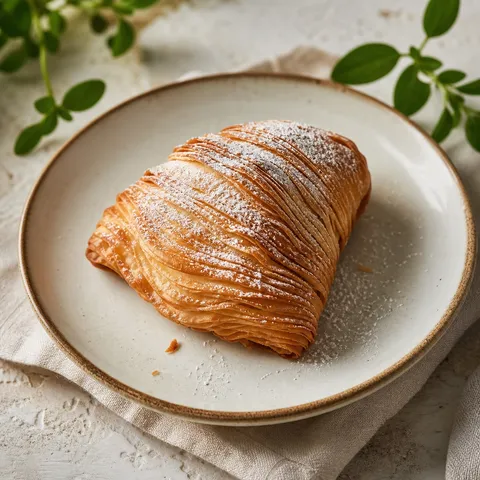
 Sfogliatella
Naples' iconic shell-shaped pastry with crisp, flaky layers wrapped around a sweet ricotta-semolina filling.
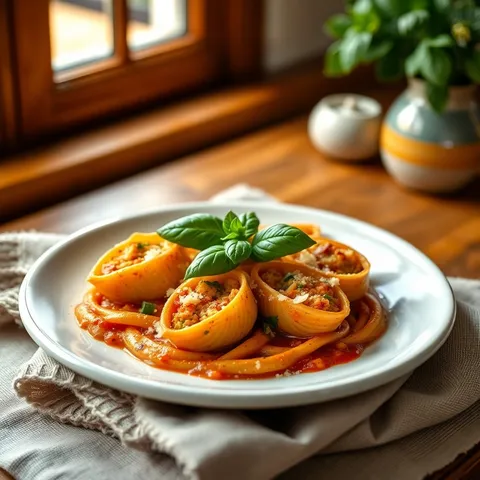 Italian Lens Verified Images are for illustrative purposes only, may be inaccurate, and do not guarantee the presence or absence of specific ingredients.
 Stuffed Shells (Conchiglioni Ripieni)
Jumbo pasta shells filled with a creamy ricotta-spinach mixture and baked in tomato sauce.
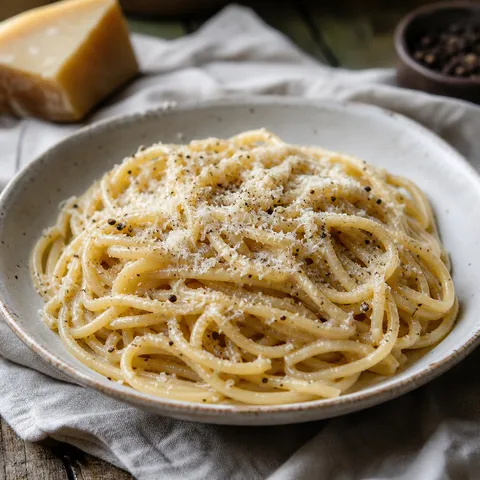 Italian Lens Verified Images are for illustrative purposes only, may be inaccurate, and do not guarantee the presence or absence of specific ingredients.
 Cacio e Pepe
A minimalist Roman pasta dish literally meaning "cheese and pepper."