 Italian Images are for illustrative purposes only, may be inaccurate, and do not guarantee the presence or absence of specific ingredients.
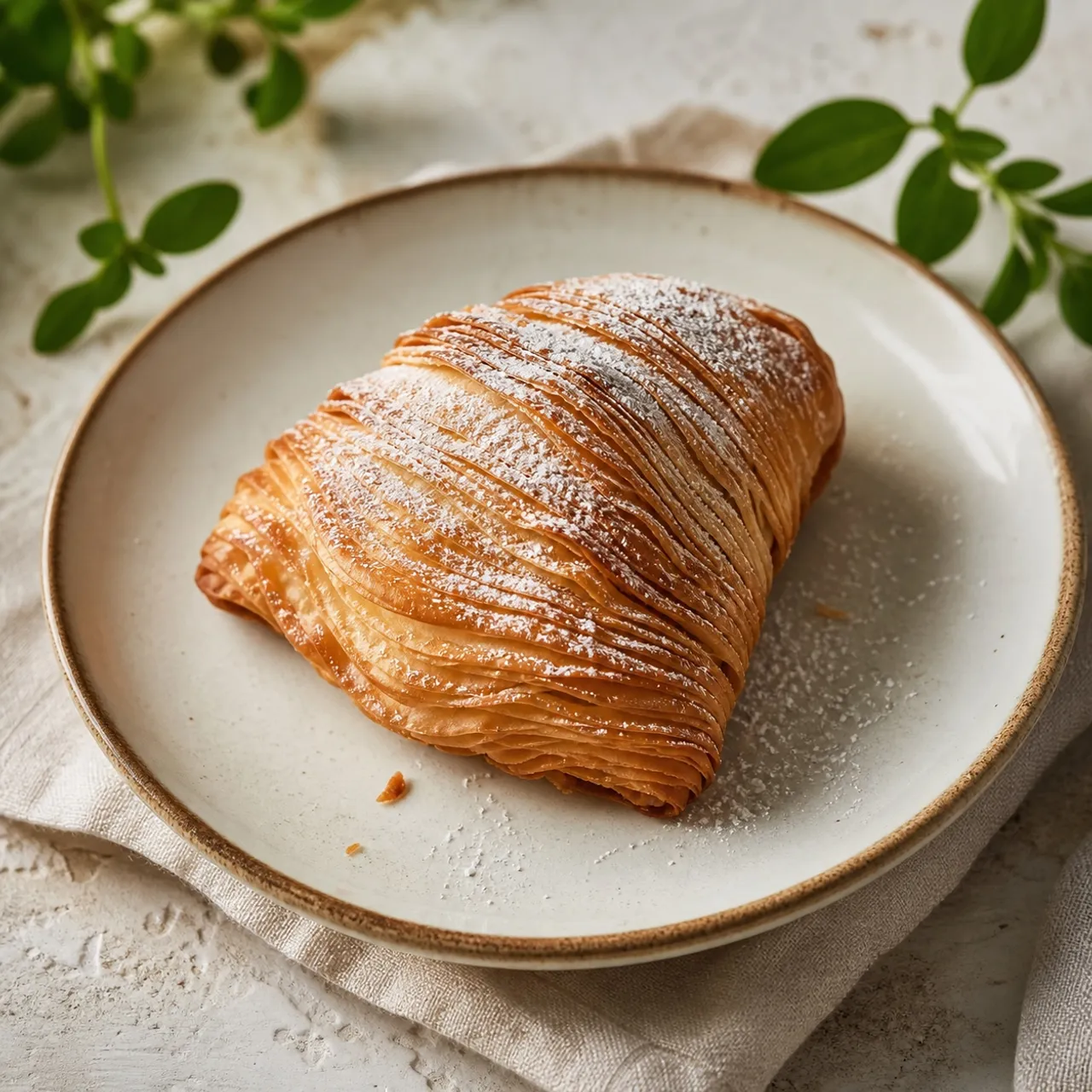
 Sfogliatella
Naples' iconic shell-shaped pastry with crisp, flaky layers wrapped around a sweet ricotta-semolina filling.
Contains common allergens
In the app, Listahan checks these against your household automatically.
Good to know
- Crispy
Matched from this dish's own ingredients and timing. Browse more: crispy recipes
Instructions
6 steps- 1
Make the filling first by bringing the water and 1/4 cup sugar to a simmer, then whisking in the semolina in a steady stream and stirring constantly for 4 to 5 minutes until it thickens into a stiff porridge, then spread it out to cool.
- 2
Beat the cooled semolina together with the ricotta, remaining 1/4 cup sugar, egg yolk, candied orange peel, and cinnamon until smooth, then chill the filling for 20 minutes.
- 3
Roll the puff pastry as thin as possible into a long sheet, then roll it tightly into a compact log and chill for 15 minutes to firm up.
- 4
Slice the log into 1/2-inch rounds, then press each round outward from the center with your thumbs to form a hollow cone, opening up the layers into a shell shape.
- 5
Spoon the chilled filling into each cone, pinch the wide end closed, and arrange on a parchment-lined baking sheet.
- 6
Bake at 400°F for 20 to 25 minutes until deeply golden and crisp with visible flaky layers, then cool slightly and dust generously with powdered sugar before serving.
Listahan Family Score™
68/100
Works for many families
Score reflects how well this recipe fits a typical busy household. In the app, your Family Score is personalized to your household's allergens, kids, and pantry.
Nutrition
per serving450
Calories
9 g
Protein
45 g
Carbs
26 g
Fat
Estimated per serving. Actual values depend on the brands and portions you use.
Listahan cooking guide
Chef notes & practical guide
Technique notes, ingredient swaps, serve-alongside ideas, storage guidance, and equipment for this recipe.
Cultural context
Sfogliatella is closely tied to Naples, where the ridged shell-shaped version, sfogliatella riccia, became a pastry-shop benchmark. The classic filling brings together cooked semolina, ricotta, candied citrus, and warm spice, while the pastry is traditionally stretched and rolled into many thin layers. This home version keeps the recognizable shell and filling, but uses store-bought puff pastry or phyllo as a practical shortcut.
Listahan note
This version prioritizes the two parts that make sfogliatella feel like sfogliatella at home: a firm ricotta-semolina filling and a crisp layered shell. The shaping is simplified, so the goal is not bakery perfection; it is visible layers, sealed edges, and a filling that stays creamy instead of runny.
Technique cues
- Cool the semolina fully before mixing it with ricotta. Warm semolina can loosen the filling and make the pastry harder to close cleanly.
- Roll the pastry log tightly and chill it before slicing. A firm log gives cleaner rounds and makes it easier to push the layers into a shell shape.
- Bake until the pastry is deeply golden, not just pale and puffed. Sfogliatella needs enough time in the oven for the layers to crisp around the dense filling.
Kitchen flow
- Parallel prep
- Cook the semolina first, then drain the ricotta and dice the candied orange peel while the semolina cools.
- Make-ahead
- Make the filling a day ahead and keep it chilled; shape the pastry closer to baking so the layers stay crisp.
- Leftover move
- Split leftover pastries and warm them briefly, then serve with espresso or a spoonful of plain ricotta on the side.
- Cleanup rhythm
- Rinse the semolina pot as soon as it is empty, then handle the pastry on parchment so flour and filling smears stay contained.
Ingredient brief
Role, handling, and swap guidance for each key ingredient.
Store-bought puff pastry (or thin phyllo dough)
Layered pastry shell
Purpose: It stands in for the traditional laminated dough and gives the pastry its crisp outer structure.
Handling: Roll it as thin as you can, then form a tight log and chill before slicing.
Adaptation: Phyllo gives a thinner, shatterier shell; puff pastry gives a richer, more forgiving shell.
Whole-milk ricotta, drained
Creamy filling base
Purpose: Ricotta softens the cooked semolina and gives the filling its gentle dairy richness.
Handling: Drain it well so the filling stays thick enough to spoon and seal inside the pastry.
Adaptation: Part-skim ricotta works, but the filling will taste lighter and a little less rounded.
Semolina flour
Filling structure
Purpose: Cooked semolina thickens into a firm porridge that helps the filling hold its shape during baking.
Handling: Whisk it into the simmering water in a steady stream to avoid lumps.
Adaptation: Fine semolina gives the smoothest texture; coarser semolina will make the filling more grainy.
Granulated sugar
Sweetener
Purpose: Sugar sweetens both the semolina base and the ricotta mixture without making the filling syrupy.
Handling: Divide it as written so the semolina cooks with sweetness and the ricotta blend finishes balanced.
Adaptation: A small reduction makes a less sweet pastry, but reducing too much can make the filling taste flat against the citrus.
Candied orange peel, finely diced
Citrus accent
Purpose: Candied orange peel gives the filling the fragrant citrus note associated with Neapolitan pastry fillings.
Handling: Dice it finely so each bite gets small pieces instead of chewy strips.
Adaptation: Finely grated orange zest gives aroma without the candied chew, but the filling will taste less traditional.
Large egg yolk
Filling binder
Purpose: The yolk helps the ricotta-semolina filling set gently as the pastry bakes.
Handling: Mix it in after the semolina has cooled so it blends smoothly instead of scrambling.
Adaptation: Leaving it out makes the filling softer and less custardy, so use a slightly thicker ricotta mixture.
Technique notes
- Do not overfill the shells. A modest spoonful is easier to seal and gives the pastry room to puff around the filling.
- If the pastry softens while you shape, pause and chill the tray for 10 minutes. Cold dough opens into layers more cleanly in the oven.
- Pinch the wide end firmly closed, then place that seam where it will not pull open as the pastry expands.
Ingredient swaps
- Phyllo direction
- Use thin phyllo dough for a lighter, cracklier shell, brushing the layers lightly before rolling so they hold together.
- Non-dairy experiment
- Use a firm ricotta-style non-dairy filling and expect a less creamy, less traditional center; keep it thick so it does not leak.
- Citrus backup
- Use finely grated orange zest when candied orange peel is unavailable, adding a small extra pinch of sugar if the filling needs sweetness.
- Bakery-style finish
- Dust with powdered sugar after the pastries cool slightly, not right out of the oven, so the sugar sits visibly on the ridges.
Serve alongside
- Fresh orange slices
- Espresso granita
- Macedonia di frutta
- Toasted almond biscotti
- Espresso
- Cappuccino
- Vin Santo
Serving suggestions only — check pairings for your household's allergens.
Storage & reheating
- Refrigerate leftover pastries in a sealed container; the filling keeps better than the crisp pastry layers.
- Reheat on a baking sheet in a moderate oven until the exterior firms up again, then dust with fresh powdered sugar.
- Freeze shaped unbaked pastries on a tray, then bake from frozen with a few extra minutes once the pastry is deeply golden.
Equipment
- Small saucepan
- Whisk
- Rolling pin
- Parchment-lined baking sheet
Make this household-aware
Listahan Pro checks this recipe against your household's allergens, finds pantry-aware swaps, builds the shopping list, and helps you plan the week around it.
Plan it in Listahan
Add Sfogliatella to your week, check it against your household's allergens, and build the shopping list automatically.
More Italian recipes
 Italian Lens Verified Images are for illustrative purposes only, may be inaccurate, and do not guarantee the presence or absence of specific ingredients.
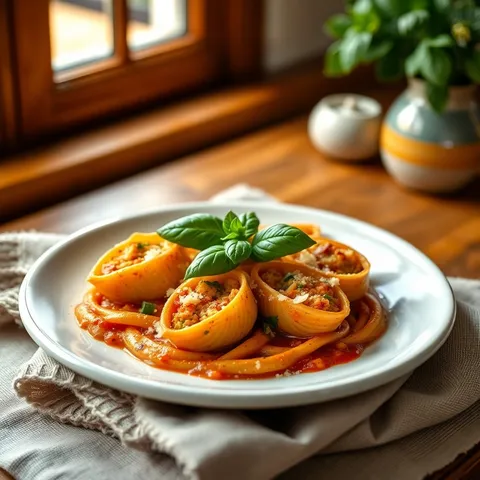
 Stuffed Shells (Conchiglioni Ripieni)
Jumbo pasta shells filled with a creamy ricotta-spinach mixture and baked in tomato sauce.
 Italian Lens Verified Images are for illustrative purposes only, may be inaccurate, and do not guarantee the presence or absence of specific ingredients.
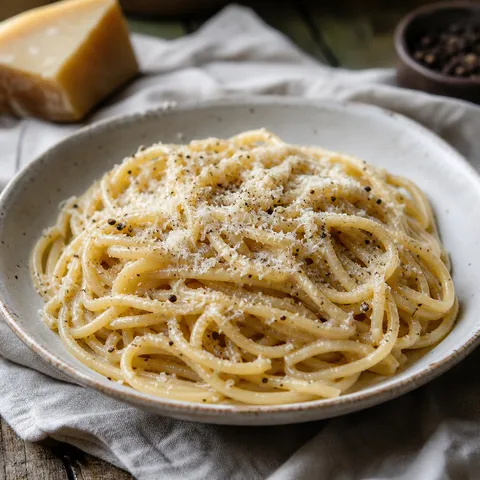
 Cacio e Pepe
A minimalist Roman pasta dish literally meaning "cheese and pepper."
 Italian Lens Verified Images are for illustrative purposes only, may be inaccurate, and do not guarantee the presence or absence of specific ingredients.
 Negroni
The bold, bittersweet Italian aperitivo balancing equal parts gin, Campari, and sweet vermouth over ice.