 Italian Images are for illustrative purposes only, may be inaccurate, and do not guarantee the presence or absence of specific ingredients.
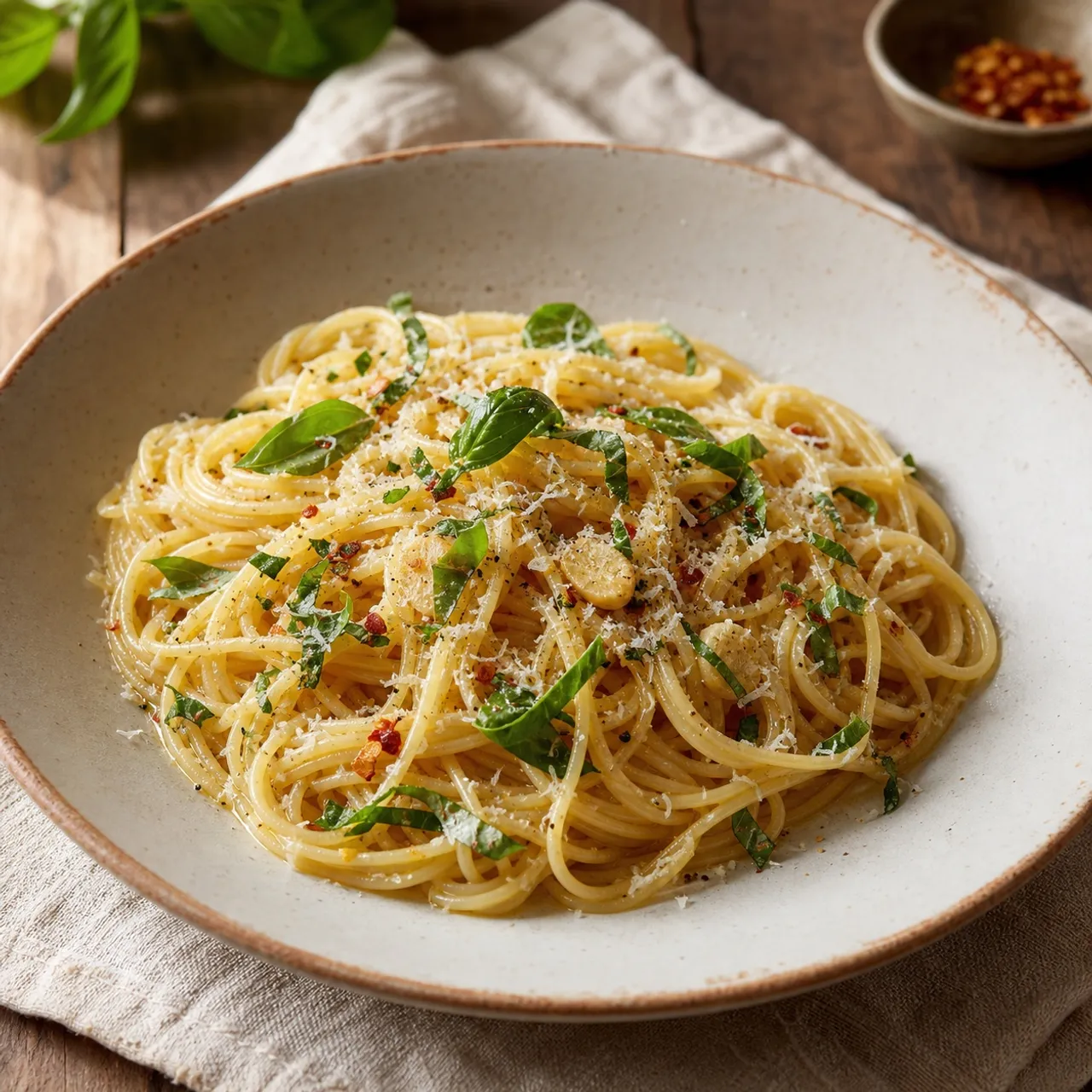
 Spaghetti Aglio e Olio
A minimalist Roman classic of spaghetti tossed in garlic-infused olive oil with a whisper of chili heat.
Contains common allergens
In the app, Listahan checks these against your household automatically.
Good to know
- Ready in under 30 minutes
Matched from this dish's own ingredients and timing. Browse more: 30-minute meals
Instructions
5 steps- 1
Bring a large pot of water to a rolling boil, salt it generously until it tastes like the sea, then cook the spaghetti until just shy of al dente, about 8 minutes, reserving 1 cup of the starchy cooking water before draining.
- 2
While the pasta cooks, warm the olive oil in a wide skillet over medium-low heat and add the sliced garlic, stirring gently for 3 to 4 minutes until the slices turn pale gold but never brown, which would turn them bitter.
- 3
Stir in the red pepper flakes and let them bloom in the oil for 30 seconds until fragrant, then remove the skillet from the heat to prevent scorching.
- 4
Add the drained spaghetti to the skillet along with 1/2 cup of the reserved pasta water, return to medium heat, and toss vigorously for 1 to 2 minutes until the starchy water emulsifies with the oil into a glossy, clinging sauce.
- 5
Off the heat, fold in the chopped parsley, taste for salt, and add a splash more pasta water if the noodles look dry before serving immediately in warmed bowls.
Listahan Family Score™
78/100
Good fit for most families
Score reflects how well this recipe fits a typical busy household. In the app, your Family Score is personalized to your household's allergens, kids, and pantry.
Nutrition
per serving670
Calories
15 g
Protein
87 g
Carbs
29 g
Fat
Estimated per serving. Actual values depend on the brands and portions you use.
Listahan cooking guide
Chef notes & practical guide
Technique notes, ingredient swaps, serve-alongside ideas, storage guidance, and equipment for this recipe.
Cultural context
Aglio e olio means garlic and oil, and the dish belongs to the practical Italian tradition of making a full plate of pasta from a few pantry staples. It is especially associated with central and southern home cooking, where the skill is not in adding more ingredients but in timing the garlic, pasta water, and tossing so the sauce turns glossy instead of greasy.
Listahan note
This version keeps the dish spare and fast, with the whole result depending on gentle garlic heat and a good starch-oil emulsion. It prioritizes control: pale-gold garlic, reserved pasta water, and immediate serving.
Technique cues
- Slice the garlic evenly so it cooks at the same pace; thin ragged pieces can brown before the rest of the pan is ready.
- The pasta water is part of the sauce, not a rescue step. Add it while the pasta is hot and toss hard enough that the oil and starch cling to the noodles.
- Parsley should go in off the heat so it stays fresh and green instead of turning dull in the skillet.
Kitchen flow
- Parallel prep
- Start the garlic oil while the spaghetti cooks, but keep the heat low so the garlic waits for the pasta instead of racing ahead.
- Make-ahead
- This dish is best cooked at the last minute; prep the sliced garlic and chopped parsley ahead so the final toss takes only a few minutes.
- Leftover move
- Turn leftover pasta into a quick skillet lunch with a splash of water, extra parsley, and a fried egg or sauteed greens.
- Cleanup rhythm
- Use the pasta pot and one wide skillet; rinse the skillet soon after serving so the oily starch film does not set.
Ingredient brief
Role, handling, and swap guidance for each key ingredient.
Dried spaghetti
Main pasta
Purpose: Its long strands give the oil, garlic, and parsley enough surface to coat without needing a thick sauce.
Handling: Cook it just shy of al dente because it finishes in the skillet with the pasta water.
Adaptation: Linguine or spaghettini can work, but very short pasta makes the tossing and coating less even.
Extra-virgin olive oil
Sauce base
Purpose: It carries the garlic and chili flavor and becomes the body of the finished sauce.
Handling: Warm it gently over medium-low heat so the garlic infuses before it browns.
Adaptation: A milder olive oil gives a softer flavor; avoid neutral oil here because the dish depends on the oil's taste.
Garlic, thinly sliced
Primary aromatic
Purpose: Garlic is the main flavor, so its color and texture decide whether the dish tastes sweet and savory or harsh.
Handling: Slice thinly and watch for pale gold, then move quickly before it darkens.
Adaptation: Minced garlic works in a pinch but cooks faster and is easier to scorch.
Red pepper flakes
Chili warmth
Purpose: A small amount gives the oil a quiet heat that balances the richness without turning the pasta into a spicy dish.
Handling: Bloom the flakes briefly in the warm oil after the garlic is ready.
Adaptation: Use a pinch of finely chopped fresh chili for a brighter heat, or reduce the amount for a gentler bowl.
Fresh flat-leaf parsley
Fresh finish
Purpose: Parsley cuts through the oil and gives the plate a clean herbal note.
Handling: Chop it finely and fold it in after the pan comes off the heat.
Adaptation: A small amount of basil changes the direction sweeter and more aromatic, but parsley is the cleaner classic finish.
Technique notes
- Do not let the garlic go past pale gold. Brown garlic can make the whole pan taste bitter because there are so few other ingredients to hide it.
- Reserve the pasta water before draining, even if the noodles look wet. You need its starch to pull the oil into a sauce.
- Serve in warmed bowls if you can. Aglio e olio cools quickly, and the sauce feels best while it is still loose and glossy.
Ingredient swaps
- Gluten-free direction
- Use a sturdy gluten-free spaghetti and reserve extra cooking water, since some versions release starch differently and may need gentler tossing.
- Lower-heat path
- Use a smaller pinch of red pepper flakes and bloom them briefly so the oil still gets aroma without much burn.
- Parsley backup
- Use a small amount of finely chopped basil if parsley is unavailable; the dish will taste sweeter and less peppery.
- Extra-savory finish
- Add a spoonful of toasted breadcrumbs at the table for crunch, keeping the skillet sauce itself simple.
Serve alongside
- Escarole sauteed with garlic
- Fennel and orange salad
- Roasted broccolini with lemon
- Tomato and cucumber salad
- Sparkling mineral water with lemon
- Pinot Grigio
- Light Italian lager
Serving suggestions only — check pairings for your household's allergens.
Storage & reheating
- Refrigerate leftovers in a sealed container for up to 3 days; the pasta will absorb some of the oil as it sits.
- Reheat in a skillet with a splash of water, tossing until the strands loosen and turn glossy again.
- Freezing is not ideal because the spaghetti softens after thawing; if frozen, thaw overnight and refresh in a skillet rather than a microwave.
Equipment
- Large pasta pot
- Wide skillet
- Tongs
- Heatproof measuring cup
Make this household-aware
Listahan Pro checks this recipe against your household's allergens, finds pantry-aware swaps, builds the shopping list, and helps you plan the week around it.
Plan it in Listahan
Add Spaghetti Aglio e Olio to your week, check it against your household's allergens, and build the shopping list automatically.
More Italian recipes
 Italian Lens Verified Images are for illustrative purposes only, may be inaccurate, and do not guarantee the presence or absence of specific ingredients.
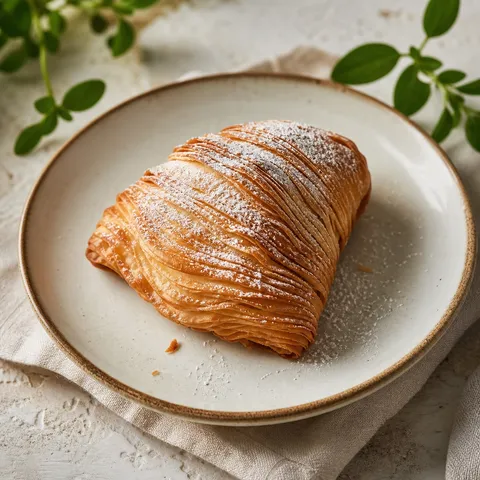
 Sfogliatella
Naples' iconic shell-shaped pastry with crisp, flaky layers wrapped around a sweet ricotta-semolina filling.
 Italian Lens Verified Images are for illustrative purposes only, may be inaccurate, and do not guarantee the presence or absence of specific ingredients.
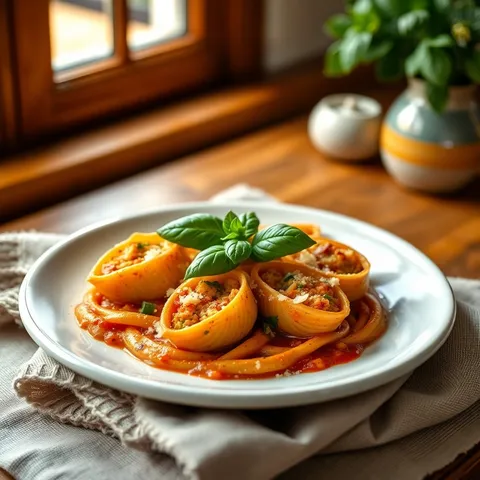
 Stuffed Shells (Conchiglioni Ripieni)
Jumbo pasta shells filled with a creamy ricotta-spinach mixture and baked in tomato sauce.
 Italian Lens Verified Images are for illustrative purposes only, may be inaccurate, and do not guarantee the presence or absence of specific ingredients.
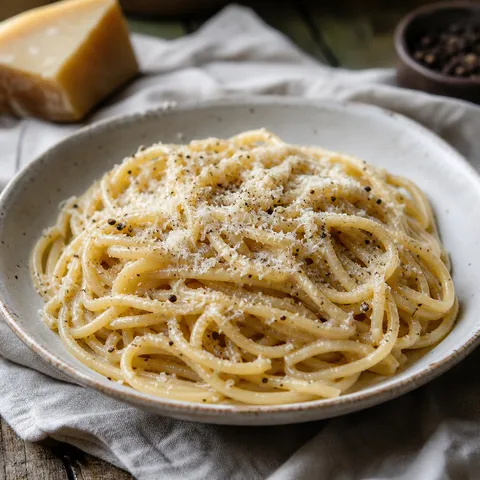
 Cacio e Pepe
A minimalist Roman pasta dish literally meaning "cheese and pepper."