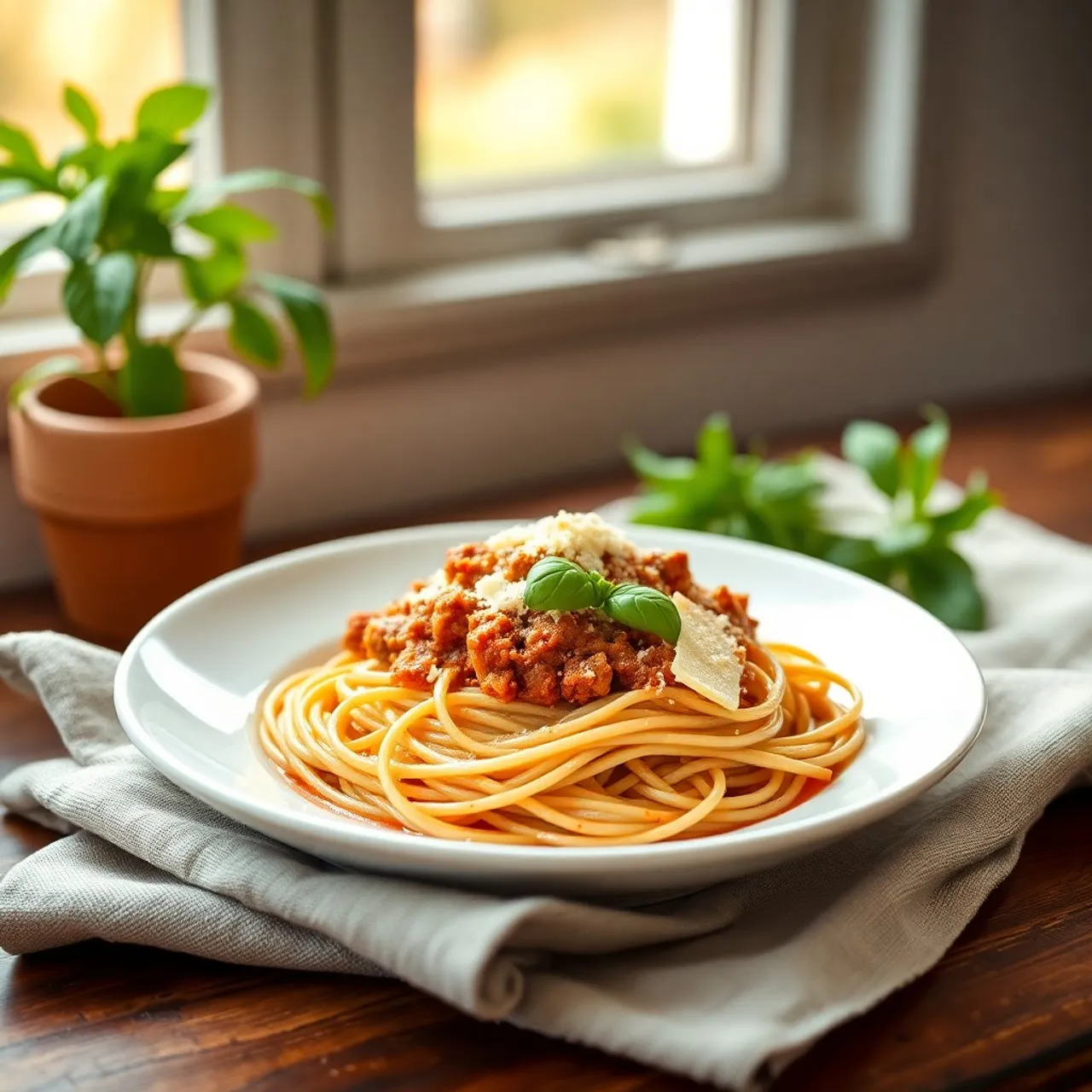
 Italian Images are for illustrative purposes only, may be inaccurate, and do not guarantee the presence or absence of specific ingredients.
 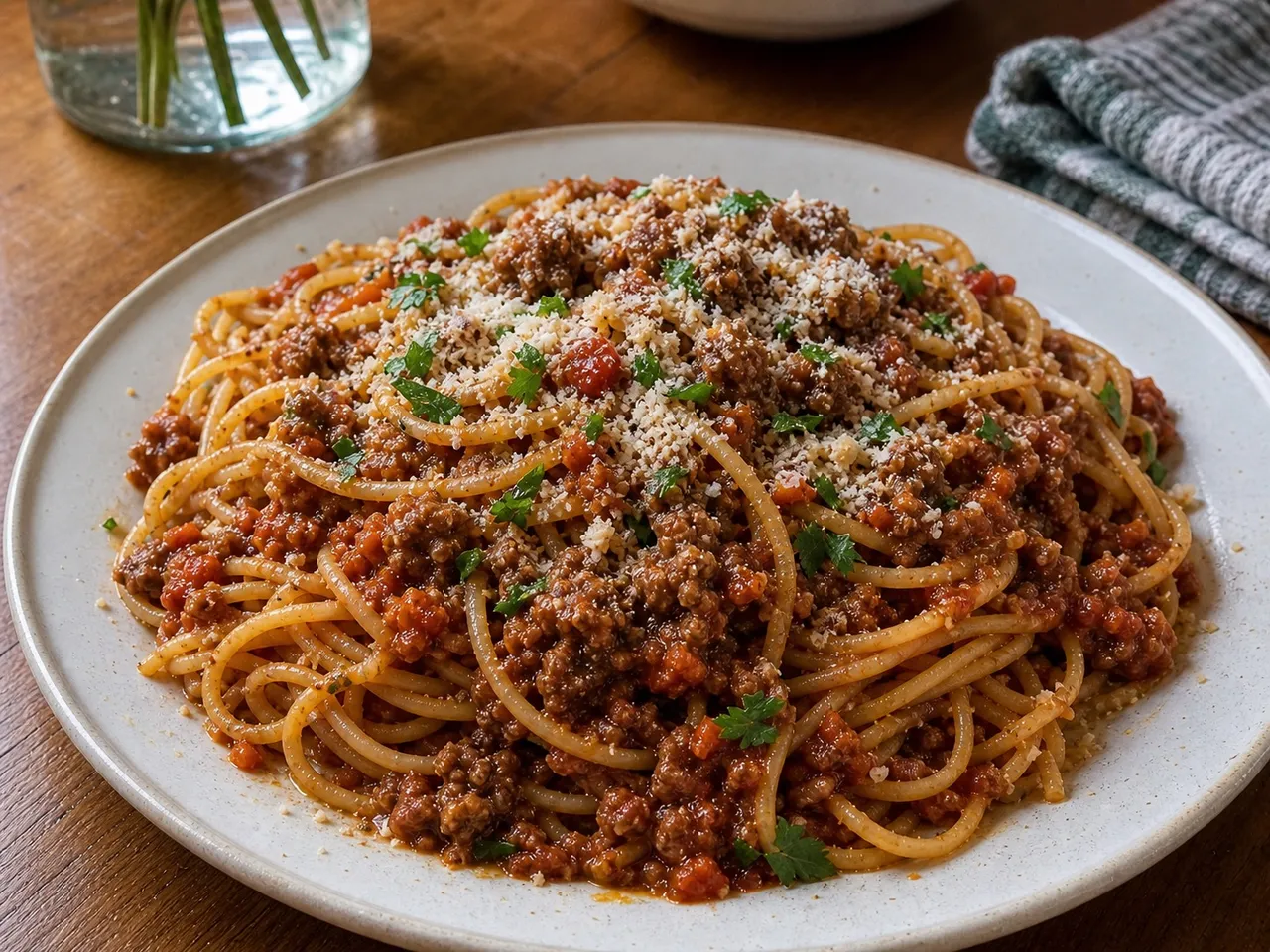 Serving Images are for illustrative purposes only, may be inaccurate, and do not guarantee the presence or absence of specific ingredients.
 Spaghetti Bolognese (Ragù alla Bolognese)
The classic slow-simmered Bolognese meat sauce from Emilia-Romagna, served over spaghetti.
Contains common allergens
In the app, Listahan checks these against your household automatically.
Instructions
6 steps- 1
Build the Soffritto: Heat the olive oil in a heavy pot over medium heat. Add the finely diced onion, carrot, and celery and cook gently for 8-10 minutes until soft and sweet.
- 2
Brown the Meat: Raise the heat, add the ground meat, and cook, breaking it up with a spoon, until deeply browned and any liquid has evaporated. Season with salt and pepper.
- 3
Deglaze: Pour in the red wine and let it bubble until almost evaporated, scraping the bottom of the pot.
- 4
Add the Milk: Stir in the milk and simmer until absorbed — this tenderises the meat and rounds out the flavour.
- 5
Simmer Low and Slow: Stir in the tomato paste and crushed tomatoes with a splash of water. Bring to a bare simmer, partially cover, and cook for at least 1.5 hours, stirring occasionally, until rich and thick.
- 6
Serve: Cook the spaghetti in salted water until al dente, drain, and toss with a few spoonfuls of the ragù. Plate and top with more sauce and a generous grating of Parmesan cheese.
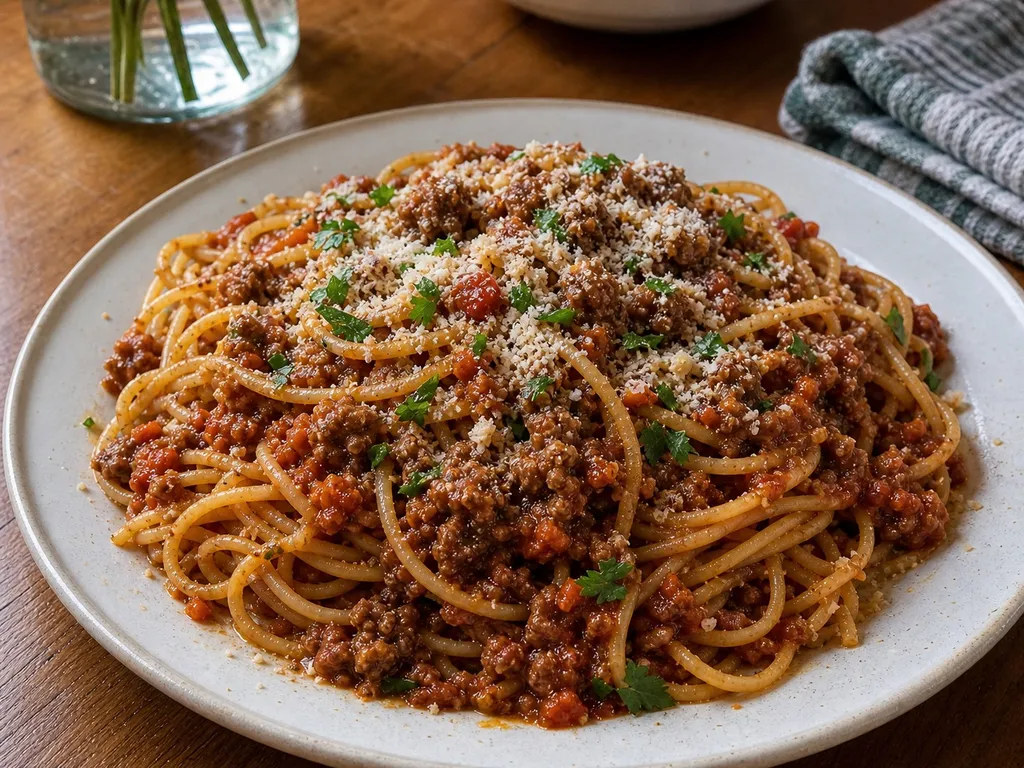 Images are for illustrative purposes only, may be inaccurate, and do not guarantee the presence or absence of specific ingredients.
 Listahan Family Score™
72/100
Good fit for most families
Score reflects how well this recipe fits a typical busy household. In the app, your Family Score is personalized to your household's allergens, kids, and pantry.
Nutrition
per serving785
Calories
46 g
Protein
80 g
Carbs
27 g
Fat
Estimated per serving. Actual values depend on the brands and portions you use.
Listahan cooking guide
Chef notes & practical guide
Technique notes, ingredient swaps, serve-alongside ideas, storage guidance, and equipment for this recipe.
Cultural context
Ragu alla Bolognese is the slow-cooked meat sauce of Bologna, far from the heavy tomato sauce many know abroad. The classic version is meat-forward, built on a soffritto of carrot, celery, and onion with a small amount of tomato and a long, gentle simmer enriched with milk and wine. In Bologna it traditionally dresses fresh tagliatelle rather than spaghetti, since the wide noodle holds the sauce better, though spaghetti is how the world adopted it.
Listahan note
This version builds a proper slow ragu with milk and wine and a restrained hand on tomato, then serves it on spaghetti for familiarity. It treats time and a good soffritto as the secret, not extra tomato.
Technique cues
- Brown the meat well in batches so it develops a deep fond; crowding steams it gray and flattens the flavor.
- Add the milk before the tomato and let it cook down; the dairy tenderizes the meat and rounds the sauce, a hallmark of true Bolognese.
- Simmer low and slow for hours so the sauce reduces and the flavors meld into something silky rather than watery.
Kitchen flow
- Parallel prep
- Finely dice the soffritto and have the milk, wine, and tomato measured before browning so the long build moves smoothly.
- Make-ahead
- Ragu is better the next day; cool and refrigerate it overnight so the flavors deepen, then reheat to serve.
- Leftover move
- Layer leftover ragu into a quick lasagna or baked pasta, or spoon it over polenta for a second meal.
- Cleanup rhythm
- Use one heavy pot start to finish and deglaze with the wine, which also lifts the fond off the bottom for easier washing.
Ingredient brief
Role, handling, and swap guidance for each key ingredient.
ground beef
main protein
Purpose: It gives the ragu its hearty body; a moderate fat content keeps it moist over the long simmer.
Handling: Brown in batches over high heat until deeply colored before adding anything else.
Adaptation: A mix of beef and pork is more traditional and richer; ground turkey makes a lighter sauce.
soffritto of onion, carrot, and celery
aromatic base
Purpose: This slow-cooked trio is the savory-sweet foundation that defines the sauce's depth.
Handling: Dice fine and cook gently in oil until soft and lightly golden before the meat.
Adaptation: Do not skip it; a little fennel can join for extra sweetness but the trio is essential.
whole milk
tenderizer and richness
Purpose: Simmering the meat in milk tenderizes it and gives the sauce its characteristic mellow creaminess.
Handling: Add it after browning and let it reduce almost fully before the wine and tomato.
Adaptation: Unsweetened oat milk approximates the effect for a dairy-light version.
dry white or red wine
depth and acidity
Purpose: It deglazes the fond and adds acidity and complexity that lift the rich meat.
Handling: Pour in after the milk and simmer until the raw alcohol cooks off.
Adaptation: A splash of broth with a little vinegar if you cook without wine.
tomato paste
savory color
Purpose: A small amount adds umami and color without making the sauce a tomato sauce.
Handling: Cook it briefly with the soffritto so it caramelizes and loses its raw edge.
Adaptation: A little passata works, but keep the quantity modest to stay true to Bologna.
Technique notes
- Toss the cooked pasta with the ragu in the pan rather than ladling sauce on top, so every strand is coated.
- Reserve some pasta water to loosen the sauce to a clinging, glossy consistency when you combine them.
- If you can, serve it over fresh tagliatelle the Bolognese way for the most authentic plate.
Ingredient swaps
- Gluten-free direction
- Serve the ragu over gluten-free pasta or soft polenta, both of which carry the sauce well.
- Weeknight shortcut
- Simmer in a pressure cooker for under an hour to mimic the long braise when time is short.
- Dairy-free option
- Use unsweetened oat milk in place of dairy and serve without finishing cheese for a dairy-free ragu.
Serve alongside
- Garlic bread
- Simple green salad with vinaigrette
- Roasted broccoli
- Sauteed spinach with garlic
- A glass of Sangiovese
- A glass of Lambrusco
- Sparkling water with lemon
Serving suggestions only — check pairings for your household's allergens.
Storage & reheating
- Refrigerate the ragu for up to four days; it deepens in flavor and reheats beautifully with a splash of water. It freezes excellently for up to three months in portioned containers. Reheat gently on the stove, adding liquid to bring it back to a saucy consistency, and cook fresh pasta to serve.
Equipment
- A heavy Dutch oven or deep pot
- A wooden spoon for browning and scraping
- A fine knife for the soffritto
- A large pasta pot
Make this household-aware
Listahan Pro checks this recipe against your household's allergens, finds pantry-aware swaps, builds the shopping list, and helps you plan the week around it.
Plan it in Listahan
Add Spaghetti Bolognese (Ragù alla Bolognese) to your week, check it against your household's allergens, and build the shopping list automatically.
More Italian recipes
 Italian Lens Verified Images are for illustrative purposes only, may be inaccurate, and do not guarantee the presence or absence of specific ingredients.
 Sfogliatella
Naples' iconic shell-shaped pastry with crisp, flaky layers wrapped around a sweet ricotta-semolina filling.
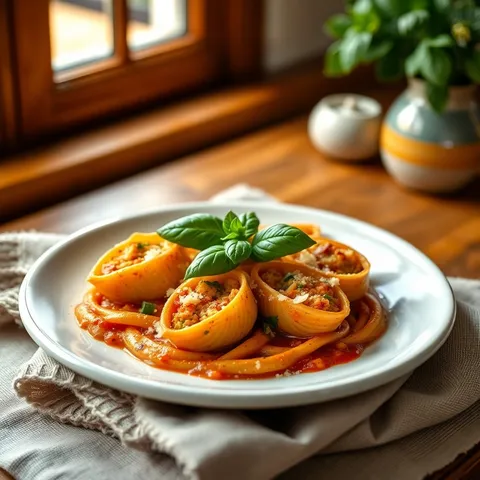 Italian Lens Verified Images are for illustrative purposes only, may be inaccurate, and do not guarantee the presence or absence of specific ingredients.
 Stuffed Shells (Conchiglioni Ripieni)
Jumbo pasta shells filled with a creamy ricotta-spinach mixture and baked in tomato sauce.
 Italian Lens Verified Images are for illustrative purposes only, may be inaccurate, and do not guarantee the presence or absence of specific ingredients.
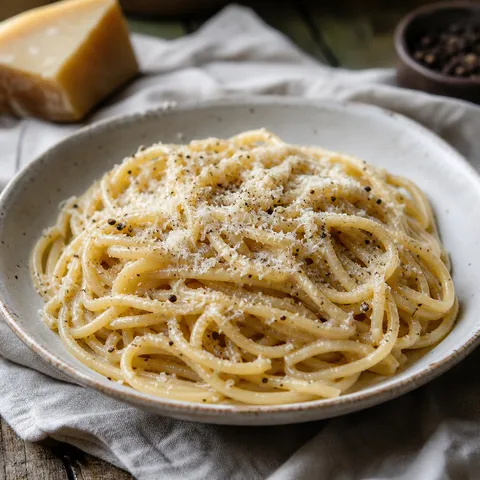
 Cacio e Pepe
A minimalist Roman pasta dish literally meaning "cheese and pepper."