 Italian Images are for illustrative purposes only, may be inaccurate, and do not guarantee the presence or absence of specific ingredients.
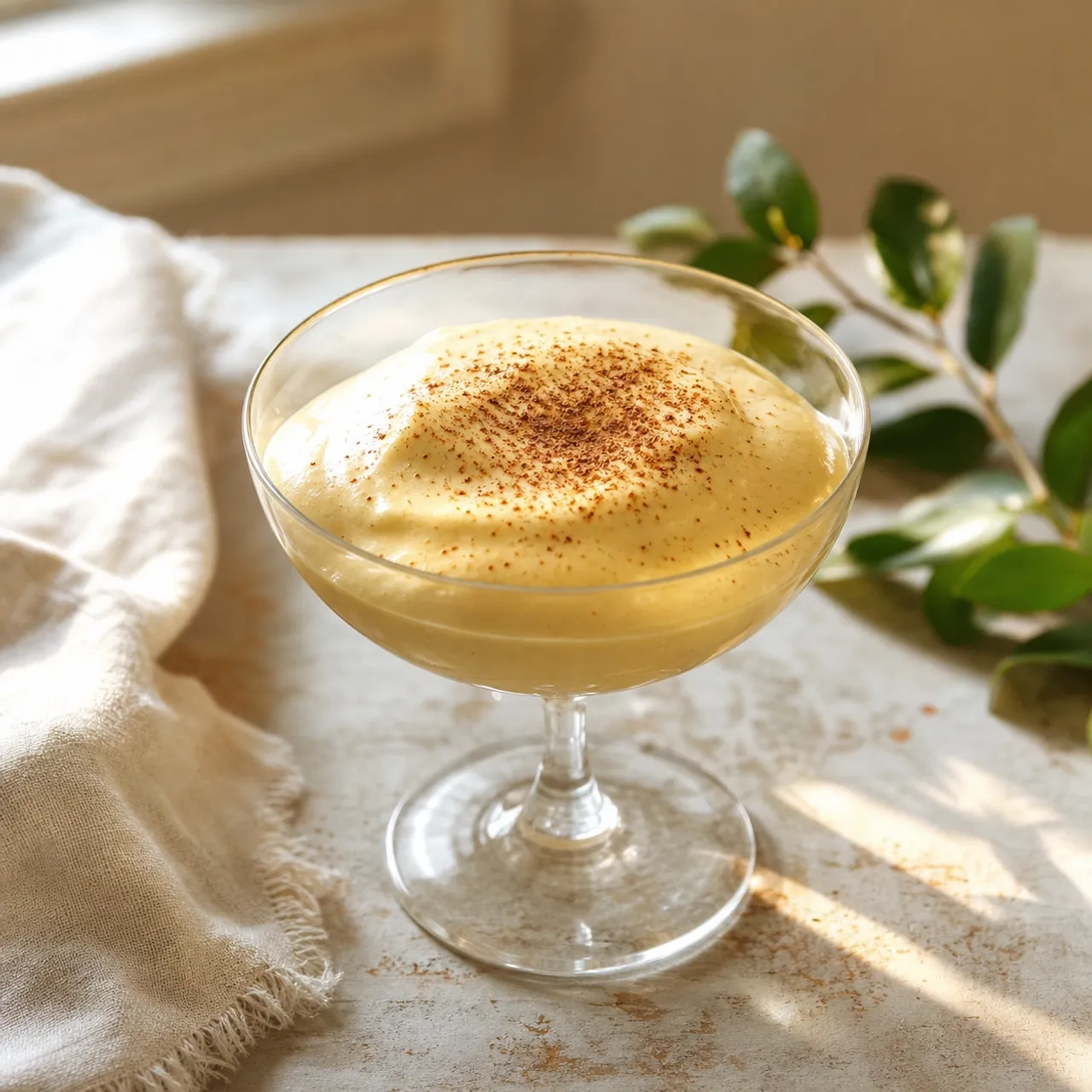
 Zabaglione
A warm, airy Italian custard of egg yolks whipped with sugar and Marsala wine into a frothy cloud.
Contains common allergens
In the app, Listahan checks these against your household automatically.
Good to know
- Ready in under 30 minutes
Matched from this dish's own ingredients and timing. Browse more: 30-minute meals
Instructions
5 steps- 1
Set up a double boiler by bringing 1 inch of water to a bare simmer in a saucepan and choosing a heatproof bowl that sits snugly on top without touching the water.
- 2
In the bowl off the heat, whisk the egg yolks and sugar together until pale, thick, and ribbony, about 2 minutes.
- 3
Whisk in the Marsala, then set the bowl over the simmering water and whisk continuously and vigorously for 5 to 8 minutes as the mixture triples in volume and forms soft, warm peaks, taking care never to let it scramble.
- 4
Once the zabaglione holds a fluffy ribbon when the whisk is lifted and feels warm to the touch, remove it from the heat immediately.
- 5
Spoon the warm custard over fresh berries in stemmed glasses, dust with lemon zest if using, and serve at once before it deflates.
Listahan Family Score™
72/100
Good fit for most families
Score reflects how well this recipe fits a typical busy household. In the app, your Family Score is personalized to your household's allergens, kids, and pantry.
Nutrition
per serving115
Calories
2 g
Protein
16 g
Carbs
4 g
Fat
Estimated per serving. Actual values depend on the brands and portions you use.
Listahan cooking guide
Chef notes & practical guide
Technique notes, ingredient swaps, serve-alongside ideas, storage guidance, and equipment for this recipe.
Cultural context
Zabaglione, also called zabaione, is an Italian custard built from a simple ratio of egg yolks, sugar, and wine. It is closely associated with northern Italian home and restaurant cooking, while Marsala gives many modern versions their familiar nutty, winey depth. Unlike a set custard, it is served as a warm foam, so timing and whisking matter more than long cooking.
Listahan note
This version keeps the classic structure lean: yolks, sugar, Marsala, berries, and a little lemon if you want lift. The focus is on a steady double boiler and continuous whisking so the custard turns thick, glossy, and spoonable before it loses its air.
Technique cues
- The water under the bowl should stay at a bare simmer. Hard boiling pushes too much heat into the eggs and makes scrambling more likely.
- Whisking off the heat first gives the sugar time to dissolve into the yolks, which helps the final custard feel smooth instead of grainy.
- Zabaglione waits for no one. Have the berries and glasses ready before the bowl goes over the heat so you can serve it while it is still warm and lifted.
Kitchen flow
- Parallel prep
- Set out the glasses, berries, and lemon zest before heating the custard; once the zabaglione is ready, it should go straight to the table.
- Make-ahead
- Prep the fruit and measure the sugar and Marsala ahead, but whip and cook the custard right before serving.
- Leftover move
- Spoon any extra chilled custard over pound cake or folded into a small bowl of berries for a softer, less airy dessert.
- Cleanup rhythm
- Rinse the whisk and bowl right after serving, while the egg mixture is still loose and easy to wash away.
Ingredient brief
Role, handling, and swap guidance for each key ingredient.
Large egg yolks
Custard base
Purpose: Yolks give zabaglione its richness, color, and ability to thicken into a soft foam.
Handling: Separate them cleanly and whisk them with the sugar until the mixture looks pale and falls in ribbons.
Adaptation: Whole eggs make a lighter, looser foam, but the texture will be less silky than a yolk-only version.
Granulated sugar
Sweetener and structure
Purpose: Sugar balances the wine and helps the yolks whip into a stable, glossy custard.
Handling: Whisk it thoroughly with the yolks before adding Marsala so the grains start dissolving early.
Adaptation: Superfine sugar dissolves a little faster; brown sugar adds molasses notes that move the dessert away from the classic profile.
Dry Marsala wine
Flavor and liquid
Purpose: Marsala brings the warm, nutty wine flavor that makes this custard taste distinctly Italian rather than like plain sweet eggs.
Handling: Whisk it in gradually after the yolks and sugar are pale so the mixture stays even.
Adaptation: A dry sherry or Madeira can work in the same method, though each gives a different aroma and sweetness.
Fresh berries
Serving base
Purpose: Berries give the warm custard something cool, juicy, and slightly tart to settle over.
Handling: Wash and dry them before you start whisking so extra water does not dilute the custard in the glass.
Adaptation: Sliced peaches, roasted figs, or poached pears make a softer fruit base when berries are not in season.
Grated lemon zest (optional)
Bright finish
Purpose: A small amount of zest sharpens the wine and fruit without making the custard taste lemony.
Handling: Grate only the yellow outer peel and add it at the table or just before serving.
Adaptation: Orange zest gives a warmer citrus note that works especially well with Marsala.
Technique notes
- Keep the bowl above the water, not in it. Direct contact with simmering water can overheat the bottom before the top has time to thicken.
- Use your whole arm when whisking, not just your wrist. The goal is to pull in air while moving the custard constantly across the warm bowl.
- Stop as soon as the whisk leaves a soft ribbon that briefly sits on the surface. Pushing past that point trades fluffiness for a tighter, heavier texture.
Ingredient swaps
- Marsala backup
- Use dry sherry or Madeira in the same amount when Marsala is not available; taste the custard near the end because some bottles read sweeter than others.
- Fruit base
- Replace the berries with sliced stone fruit, poached pears, or roasted figs when you want a softer, more dinner-party style dessert.
- Citrus finish
- Use orange zest instead of lemon zest for a rounder finish that leans into Marsala's warm notes.
- Small-batch path
- Halve the ingredients and whisk in a smaller bowl for 4 servings; the custard may thicken a little faster because there is less volume.
Serve alongside
- Almond biscotti
- Amaretti cookies
- Toasted panettone slices
- Olive oil pound cake
- Espresso
- Moscato d'Asti
- Chamomile tea
Serving suggestions only — check pairings for your household's allergens.
Storage & reheating
- Zabaglione is best served immediately, but leftovers can be refrigerated in a sealed container for up to 1 day with some loss of volume.
- Reheat gently over a barely simmering double boiler while whisking until just warm, knowing it will not become as airy as the first serving.
- Freezing is not a good fit for this custard because thawing breaks the foam and makes the texture watery.
Equipment
- Heatproof mixing bowl
- Medium saucepan for double boiler
- Balloon whisk
- Stemmed glasses or small dessert bowls
Make this household-aware
Listahan Pro checks this recipe against your household's allergens, finds pantry-aware swaps, builds the shopping list, and helps you plan the week around it.
Plan it in Listahan
Add Zabaglione to your week, check it against your household's allergens, and build the shopping list automatically.
More Italian recipes
 Italian Lens Verified Images are for illustrative purposes only, may be inaccurate, and do not guarantee the presence or absence of specific ingredients.
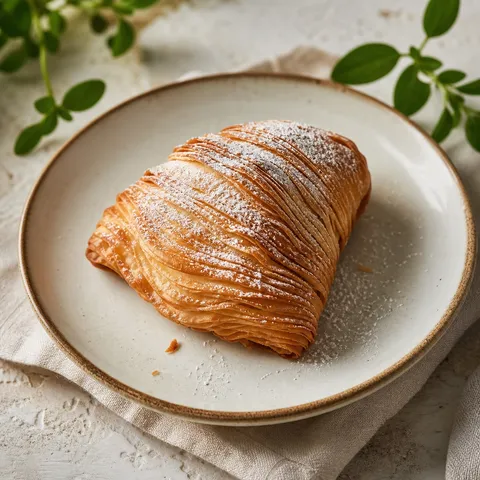
 Sfogliatella
Naples' iconic shell-shaped pastry with crisp, flaky layers wrapped around a sweet ricotta-semolina filling.
 Italian Lens Verified Images are for illustrative purposes only, may be inaccurate, and do not guarantee the presence or absence of specific ingredients.
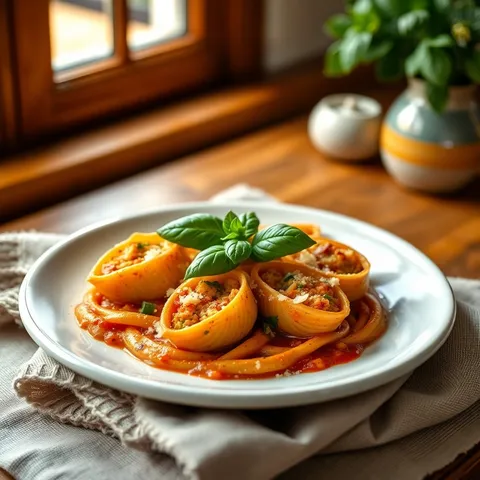
 Stuffed Shells (Conchiglioni Ripieni)
Jumbo pasta shells filled with a creamy ricotta-spinach mixture and baked in tomato sauce.
 Italian Lens Verified Images are for illustrative purposes only, may be inaccurate, and do not guarantee the presence or absence of specific ingredients.
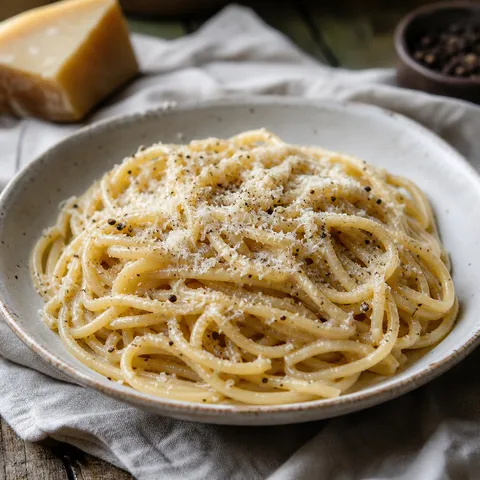
 Cacio e Pepe
A minimalist Roman pasta dish literally meaning "cheese and pepper."