 Japanese Images are for illustrative purposes only, may be inaccurate, and do not guarantee the presence or absence of specific ingredients.
  Serving Images are for illustrative purposes only, may be inaccurate, and do not guarantee the presence or absence of specific ingredients.
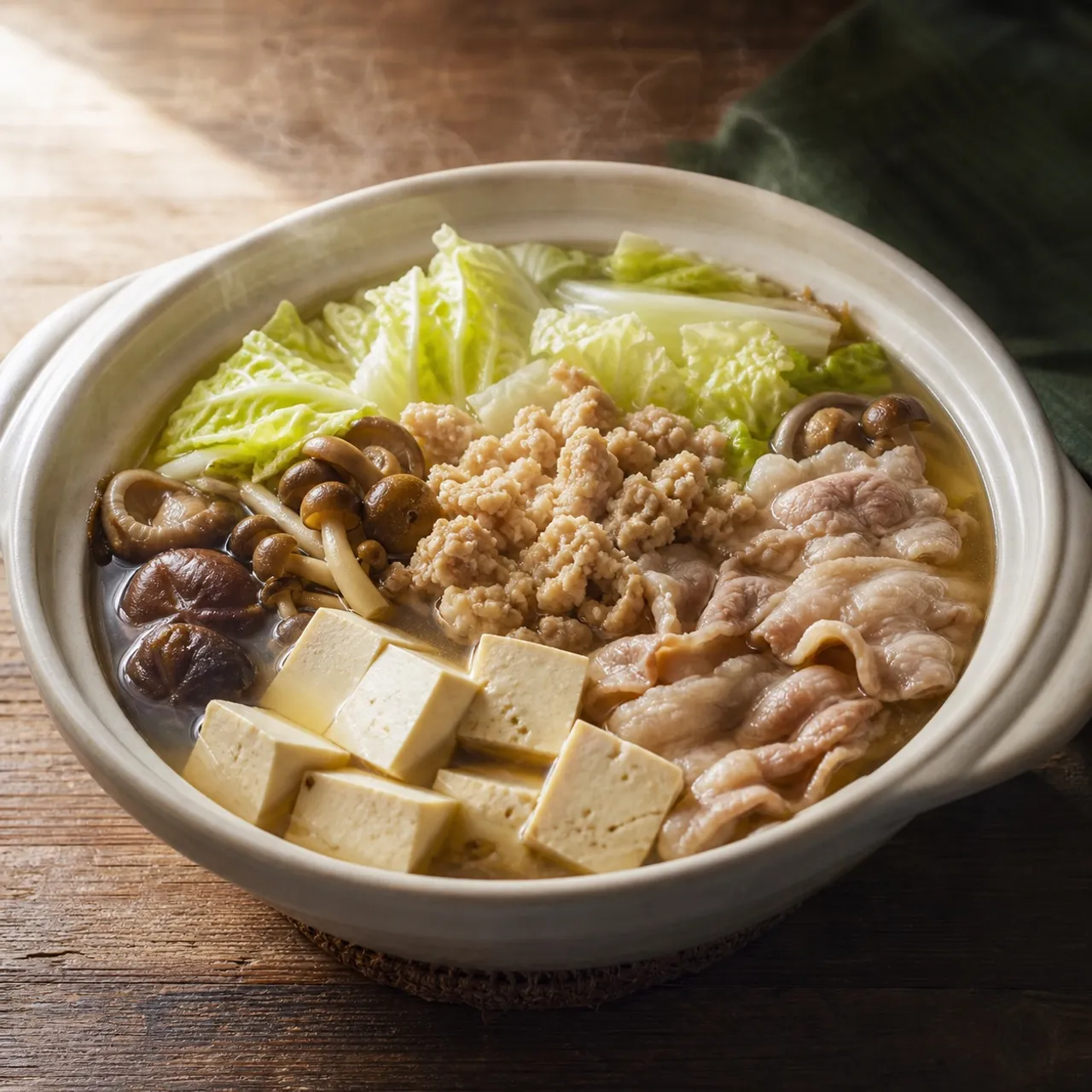
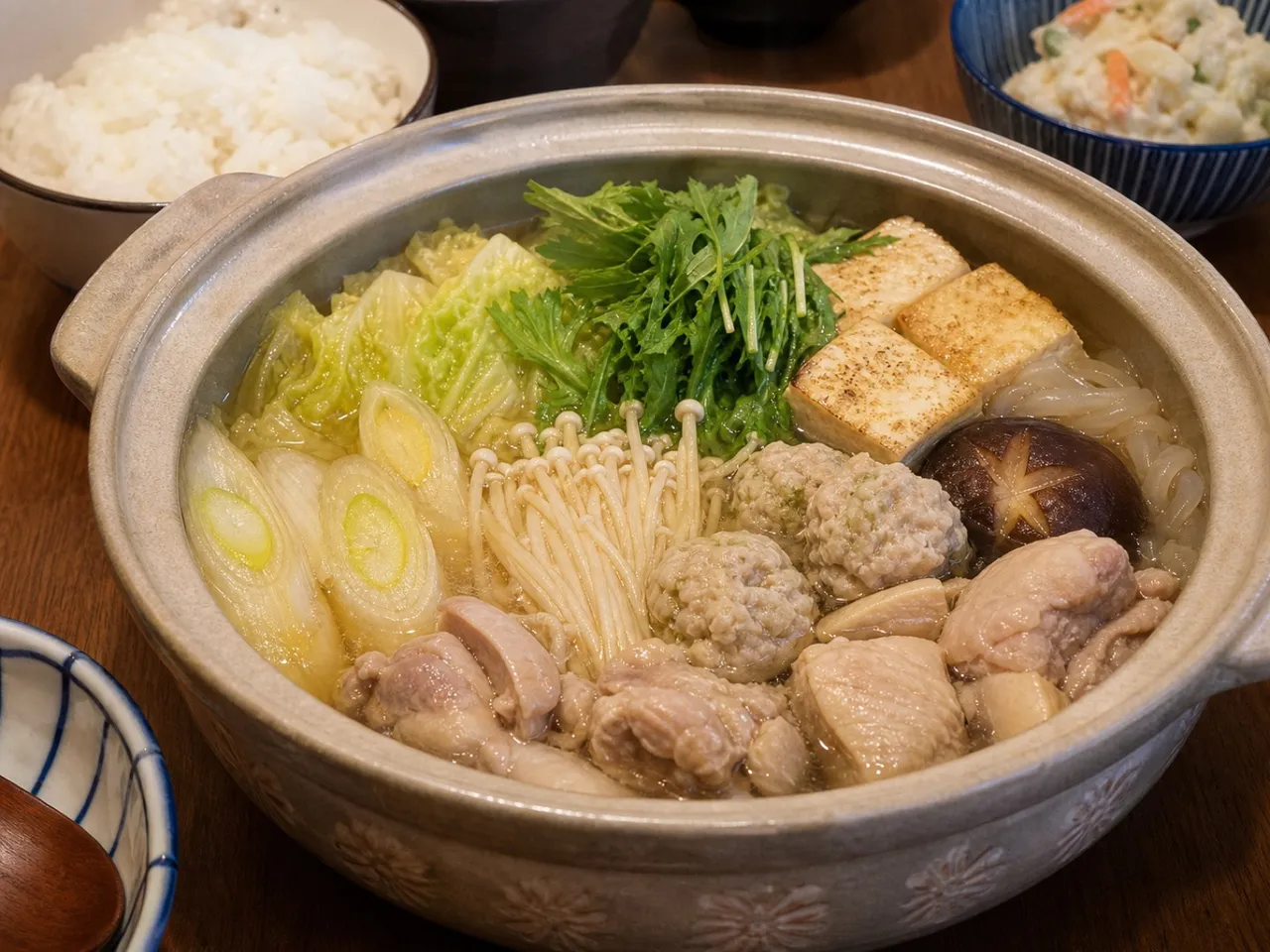
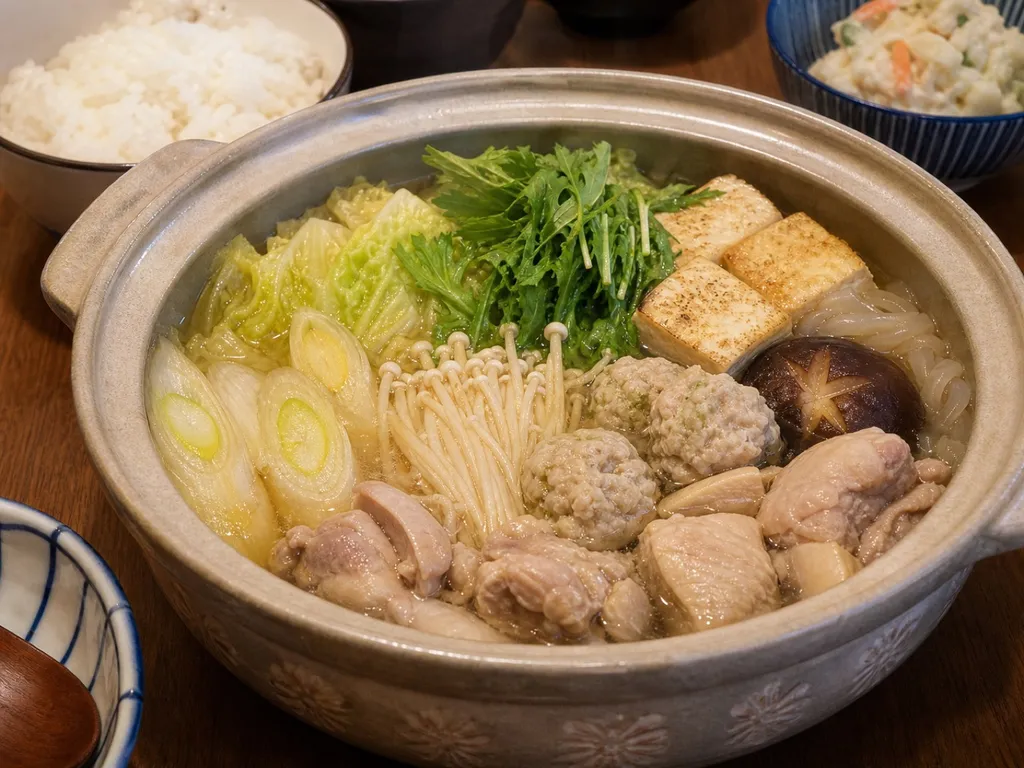
 Chanko Nabe
A massive, protein-rich hot pot famously eaten by sumo wrestlers.
Contains common allergens
In the app, Listahan checks these against your household automatically.
Good to know
- One-pot
Matched from this dish's own ingredients and timing. Browse more: one-pot dinners
Instructions
6 steps- 1
Make the tsukune (chicken meatballs): Mix the ground chicken vigorously with the grated ginger, a splash of soy sauce, 1 tbsp potato starch, and a pinch of salt until sticky and pale.
- 2
In a large, wide donabe (clay pot), bring the chicken broth, sake, and soy sauce to a gentle simmer over a tabletop burner.
- 3
Using two spoons, form the chicken mixture into 1.5-inch meatballs and drop them directly into the simmering broth. Cook for 5 minutes until they float to the surface.
- 4
Skim any foam or fat from the broth's surface to keep it clean.
- 5
Add the hard vegetables first (like the white stems of the cabbage), followed by the tofu, mushrooms, pork belly slices, and leafy greens.
- 6
Cover the pot and simmer for 5-8 minutes until all ingredients are tender. Diners eat directly from the communal pot, eventually adding udon noodles to the leftover rich broth at the end of the meal.
 Images are for illustrative purposes only, may be inaccurate, and do not guarantee the presence or absence of specific ingredients.
 Listahan Family Score™
66/100
Works for many families
Score reflects how well this recipe fits a typical busy household. In the app, your Family Score is personalized to your household's allergens, kids, and pantry.
Nutrition
per serving475
Calories
52 g
Protein
11 g
Carbs
24 g
Fat
Estimated per serving. Actual values depend on the brands and portions you use.
Listahan cooking guide
Chef notes & practical guide
Technique notes, ingredient swaps, serve-alongside ideas, storage guidance, and equipment for this recipe.
Cultural context
Chanko nabe is the protein-rich hot pot that fuels sumo wrestlers, loaded with chicken meatballs, pork, tofu, and vegetables in a savory broth. Far from a diet dish, it is communal, abundant, and surprisingly balanced, eaten in huge portions with rice.
Listahan note
This version centers on homemade chicken tsukune meatballs and the right order of adding ingredients, so everything finishes tender at the same time.
Technique cues
- Knead the ground chicken with starch and ginger until pale and sticky; that stickiness is what holds the tsukune together in the broth.
- Add the hard vegetables first and the leafy greens last, so nothing is over- or undercooked.
- Skim the broth as the meatballs and pork cook to keep it clean and clear.
Kitchen flow
- Parallel prep
- Mix the tsukune and chop all the vegetables before heating the broth; then cook in rounds at the table.
- Make-ahead
- The broth and tsukune mix can be made ahead; cook everything fresh in the pot at mealtime.
- Leftover move
- Add udon or rice to the rich leftover broth for a shime (closing course) the next day.
- Cleanup rhythm
- Strain the broth before storing; soak the pot right away.
Ingredient brief
Role, handling, and swap guidance for each key ingredient.
Ground chicken (tsukune)
The signature protein
Purpose: Light, savory chicken meatballs are the heart of chanko nabe.
Handling: Mix with ginger, a splash of soy, and starch until sticky, then spoon into the broth.
Adaptation: A pork-chicken mix works; firm tofu balls make a vegetarian version.
Pork belly
Richness
Purpose: Thin pork adds fat and depth to the broth.
Handling: Add in the later rounds so it cooks through quickly.
Adaptation: Chicken thigh or more tsukune can replace it.
Chicken broth, sake, soy
The broth base
Purpose: A rich, lightly seasoned broth ties the pot together and becomes a meal itself by the end.
Handling: Simmer gently and adjust seasoning as ingredients cook.
Adaptation: Use tamari for gluten-free; a vegetable broth keeps it vegetarian.
Napa cabbage and mushrooms
The vegetables
Purpose: They sweeten the broth and add bulk and texture.
Handling: Add stems first, leaves last; mushrooms anytime.
Adaptation: Any hot-pot vegetables work, like daikon, carrot, or greens.
Tofu
Soft protein
Purpose: Tofu soaks up the broth and rounds out the pot.
Handling: Cube and add in a middle round to warm through.
Adaptation: Fried tofu puffs add more richness.
Technique notes
- Skimming keeps the broth clean; it takes seconds and noticeably improves the pot.
- Add ingredients in rounds rather than all at once so nothing overcooks.
- Save the broth for the finishing udon or rice porridge; it has become the best part by the end.
Ingredient swaps
- Gluten-free direction
- Use tamari and confirm the sake is gluten-free; finish with rice instead of wheat udon.
- Vegetarian direction
- Use a vegetable broth and tofu balls in place of chicken and pork.
- Lighter direction
- Lean on tsukune, tofu, and vegetables with less pork belly.
Serve alongside
- Steamed rice
- Japanese pickles
- Ponzu for dipping
- Udon for the finish
- Chilled or warm sake
- Barley tea
- Green tea
Serving suggestions only — check pairings for your household's allergens.
Storage & reheating
- Refrigerate leftover cooked pot and broth up to 2 days.
- Reheat gently on the stove and add the finishing udon or rice.
- Freeze the broth and cooked tsukune up to 1 month; add fresh vegetables when reheating.
Equipment
- Large donabe or wide pot
- Tabletop burner (optional)
- Two spoons for shaping tsukune
- Ladle and skimmer
Make this household-aware
Listahan Pro checks this recipe against your household's allergens, finds pantry-aware swaps, builds the shopping list, and helps you plan the week around it.
Plan it in Listahan
Add Chanko Nabe to your week, check it against your household's allergens, and build the shopping list automatically.
More Japanese recipes
 Japanese Lens Verified Images are for illustrative purposes only, may be inaccurate, and do not guarantee the presence or absence of specific ingredients.
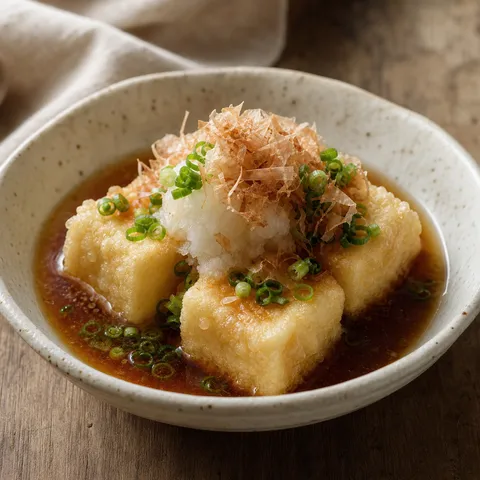
 Agedashi Tofu
Lightly fried tofu dusted in potato starch and served in a warm dashi-soy-mirin broth, topped with grated daikon and bonito flakes, a classic Japanese izakaya starter.
 Japanese Lens Verified Images are for illustrative purposes only, may be inaccurate, and do not guarantee the presence or absence of specific ingredients.
 Katsu Curry
A Japanese recipe: Katsu Curry.
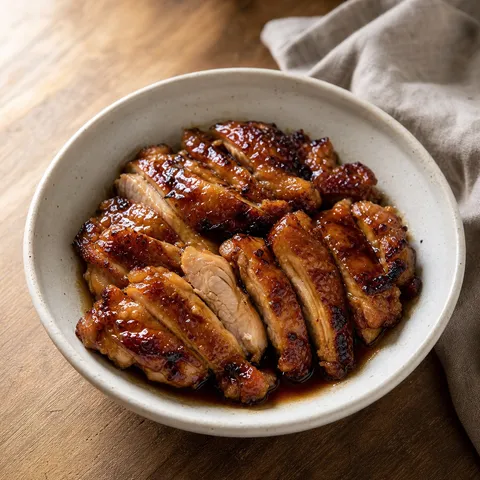 Japanese Lens Verified Images are for illustrative purposes only, may be inaccurate, and do not guarantee the presence or absence of specific ingredients.
 Chicken Teriyaki
Enjoy tender, juicy chicken glazed in a deeply flavorful, glossy sweet soy sauce, perfectly caramelized to sticky perfection.