 Japanese Images are for illustrative purposes only, may be inaccurate, and do not guarantee the presence or absence of specific ingredients.
  Serving Images are for illustrative purposes only, may be inaccurate, and do not guarantee the presence or absence of specific ingredients.
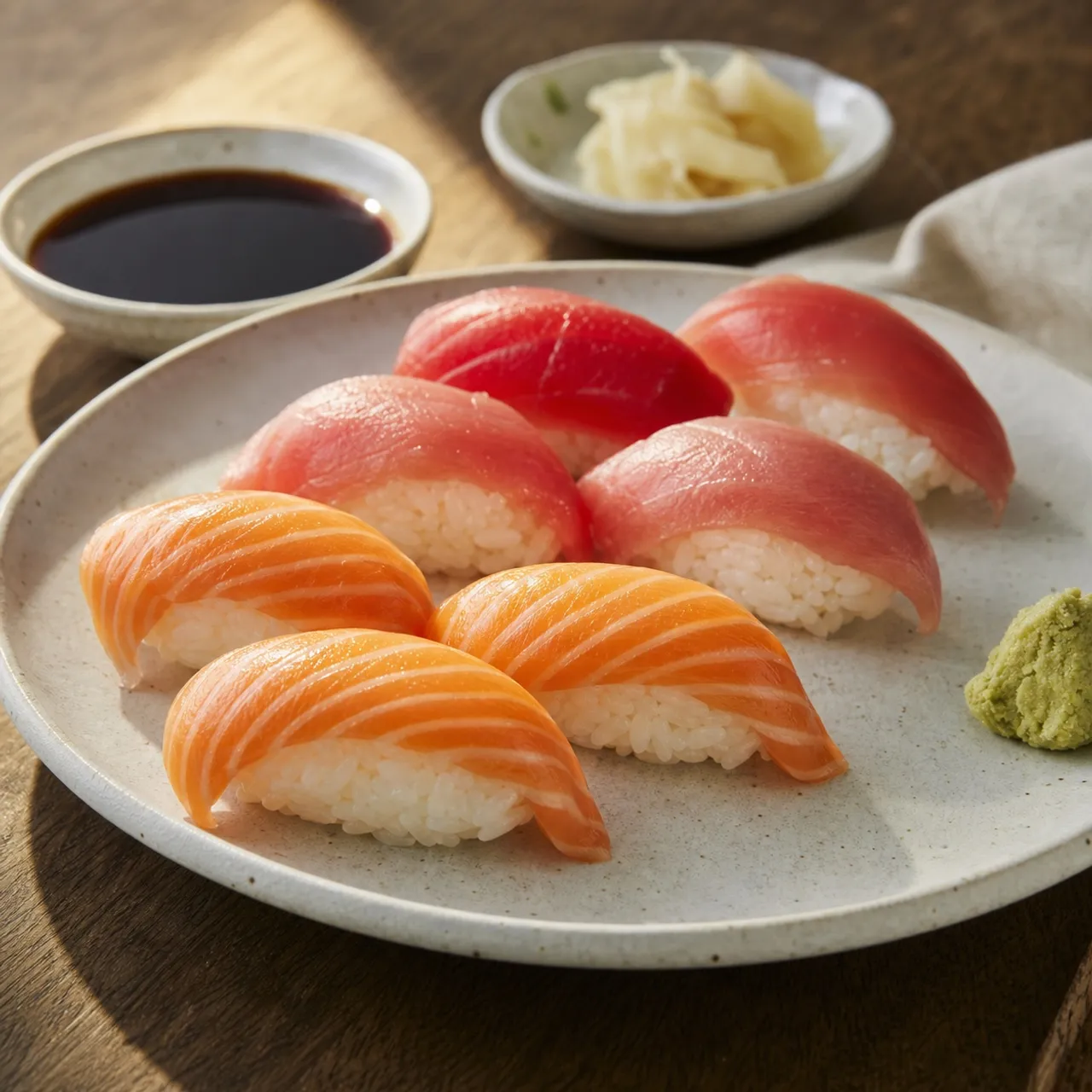
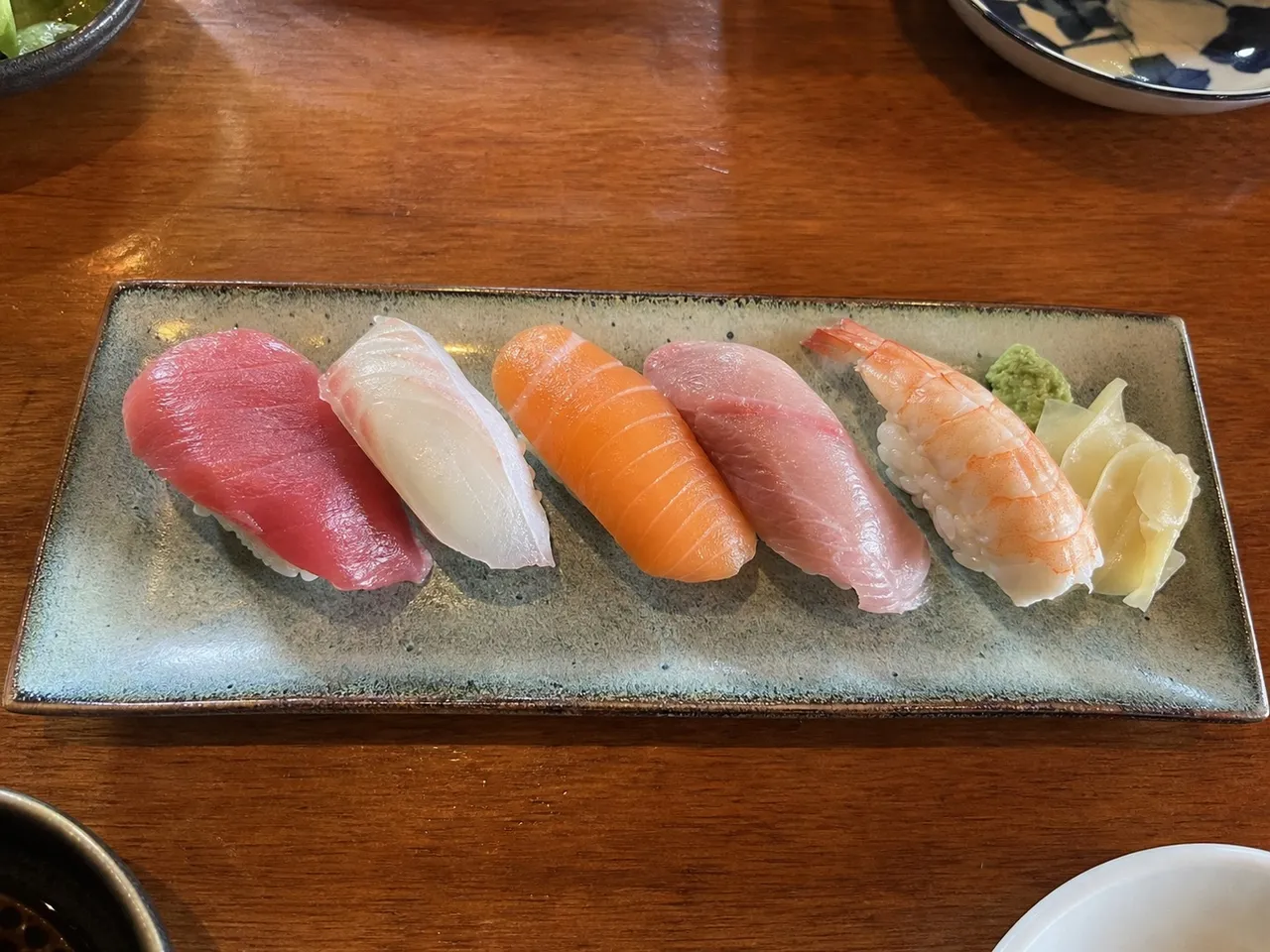
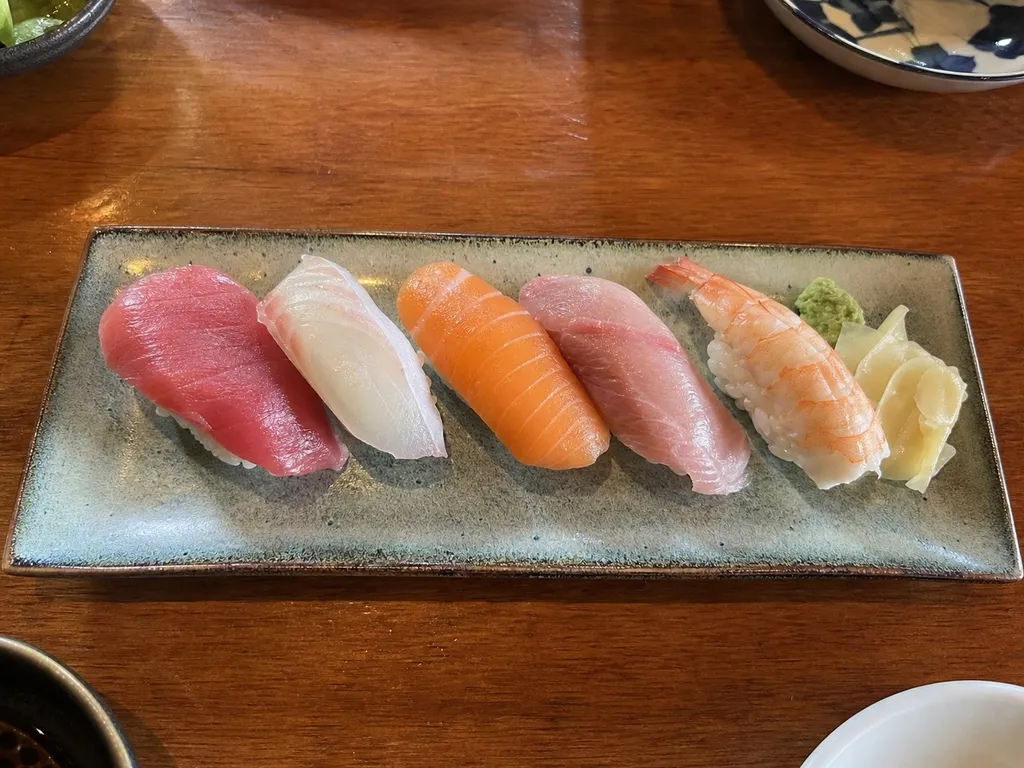
 Nigiri Sushi
Experience the elegant simplicity of hand-pressed, perfectly seasoned sushi rice crowned with pristine, melt-in-your-mouth raw fish.
Contains common allergens
In the app, Listahan checks these against your household automatically.
Instructions
6 steps- 1
Rinse 2 cups of sushi rice under cold water until clear; cook with 2 cups of water.
- 2
Warm the rice vinegar, sugar, and salt in a small pan until dissolved.
- 3
Transfer cooked rice to a wooden bowl, fold in the vinegar mixture gently while fanning to cool to body temperature.
- 4
With a very sharp knife, slice the cold, raw fish into even, rectangular pieces about 1/4-inch thick.
- 5
Lightly wet your hands with vinegared water to prevent sticking, and form 2-tablespoon portions of rice into small, firm oval mounds.
- 6
Place a tiny dab of wasabi on the underside of a fish slice and gently press it over the rice mound to adhere.
 Images are for illustrative purposes only, may be inaccurate, and do not guarantee the presence or absence of specific ingredients.
 Listahan Family Score™
62/100
Works for many families
Score reflects how well this recipe fits a typical busy household. In the app, your Family Score is personalized to your household's allergens, kids, and pantry.
Nutrition
per serving800
Calories
39 g
Protein
107 g
Carbs
21 g
Fat
Estimated per serving. Actual values depend on the brands and portions you use.
Listahan cooking guide
Chef notes & practical guide
Technique notes, ingredient swaps, serve-alongside ideas, storage guidance, and equipment for this recipe.
Cultural context
Nigiri is the Tokyo street-food form of sushi, born in the 1800s as edomae: fast, hand-pressed mounds of vinegared rice topped with the day's catch from Tokyo Bay. The whole point is restraint, good rice at body temperature, a clean slice of fish, and almost nothing else.
Listahan note
This version focuses on the two things that actually make or break nigiri at home, the seasoned rice and a confident knife, rather than on elaborate toppings or plating.
Technique cues
- Season and fan the rice while it is hot, then let it fall to body temperature before shaping; cold rice goes hard and warm rice starts to cook the fish.
- Slice the fish in one smooth pull of a sharp knife rather than sawing, so the cut surface stays glossy instead of ragged.
- Press the rice just enough to hold its shape; a mound packed too tight eats like a rice ball, not nigiri.
Kitchen flow
- Parallel prep
- Cook and season the rice first; while it cools to body temperature, slice the fish and set out wasabi and soy.
- Make-ahead
- Make nothing ahead; nigiri is best assembled and eaten within the hour, and raw fish should not sit out.
- Leftover move
- Turn extra seasoned rice and any cooked toppings into chirashi, a scattered rice bowl, rather than re-pressing it.
- Cleanup rhythm
- Keep a bowl of vinegared water (tezu) at your station for your hands and knife; cleanup is mostly wiping the board between fish.
Ingredient brief
Role, handling, and swap guidance for each key ingredient.
Short-grain sushi rice
The foundation
Purpose: Its stickiness lets a loose mound hold together without being packed hard.
Handling: Rinse until the water runs clear so the grains stay distinct rather than gluey.
Adaptation: Other short-grain rice works; long-grain will not bind and is the wrong texture.
Sushi-grade fish (salmon, tuna)
The topping and the point
Purpose: It is eaten raw, so freshness and grade are non-negotiable for both flavor and safety.
Handling: Keep it cold until the moment you slice, and cut against the grain.
Adaptation: Seared or cured fish, or cooked shrimp, are safer non-raw options.
Rice vinegar
Seasoning and preservation
Purpose: Its gentle acidity is what turns plain rice into sushi rice and balances the rich fish.
Handling: Warm it with the sugar and salt only until dissolved, then fold in while fanning the rice.
Adaptation: Apple cider vinegar can substitute in a pinch, though the flavor shifts slightly.
Fresh wasabi
Aromatic heat and a natural antimicrobial
Purpose: A dab between rice and fish adds sharpness and a traditional safety note alongside raw fish.
Handling: Use a tiny amount on the underside of the fish, not a smear.
Adaptation: Prepared wasabi paste is fine; horseradish is a rougher stand-in.
Soy sauce
Finishing dip
Purpose: A light touch of salt and umami to season at the table without drowning the fish.
Handling: Dip the fish side, not the rice, so the mound does not fall apart.
Adaptation: Use tamari for a gluten-free table.
Technique notes
- Raw-fish safety is the real risk here; buy explicitly sushi-grade fish from a trusted source and keep it cold from store to plate.
- Wet your hands with tezu before every piece so the rice releases instead of building up on your fingers.
- Body-temperature rice against cool fish is the texture you are after; if the rice still feels warm, wait.
Ingredient swaps
- Cooked, no-raw-fish direction
- Use cooked shrimp, seared salmon, sweet egg (tamago), or avocado so the dish is safe without raw fish.
- Gluten-free direction
- Serve with tamari instead of soy sauce and confirm the wasabi brand is gluten-free.
- Lower-sodium direction
- Offer diluted soy sauce or brush a little sauce onto the fish instead of providing a dipping dish.
Serve alongside
- Miso soup
- Cucumber sunomono
- Pickled ginger (gari)
- Edamame
- Hot or cold green tea
- Dry sake
- Sparkling water with lemon
Serving suggestions only — check pairings for your household's allergens.
Storage & reheating
- Eat the same day; raw-fish nigiri should not be refrigerated and re-served.
- Leftover seasoned rice keeps one day covered at cool room temperature; refrigerating hardens it.
- Do not freeze assembled nigiri.
Equipment
- Very sharp slicing knife
- Wooden bowl or hangiri for the rice
- Rice cooker or heavy pot
- Small bowl for tezu (hand water)
Make this household-aware
Listahan Pro checks this recipe against your household's allergens, finds pantry-aware swaps, builds the shopping list, and helps you plan the week around it.
Plan it in Listahan
Add Nigiri Sushi to your week, check it against your household's allergens, and build the shopping list automatically.
More Japanese recipes
 Japanese Lens Verified Images are for illustrative purposes only, may be inaccurate, and do not guarantee the presence or absence of specific ingredients.
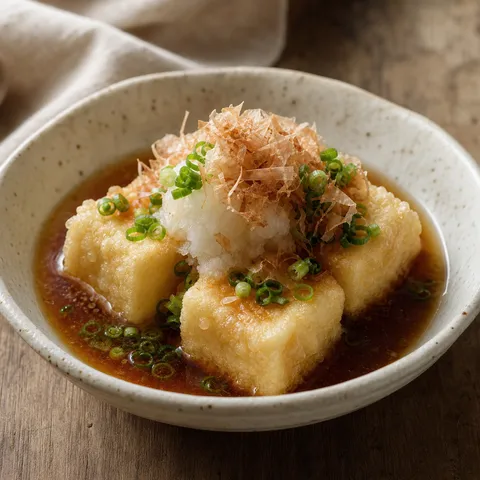
 Agedashi Tofu
Lightly fried tofu dusted in potato starch and served in a warm dashi-soy-mirin broth, topped with grated daikon and bonito flakes, a classic Japanese izakaya starter.
 Japanese Lens Verified Images are for illustrative purposes only, may be inaccurate, and do not guarantee the presence or absence of specific ingredients.
 Katsu Curry
A Japanese recipe: Katsu Curry.
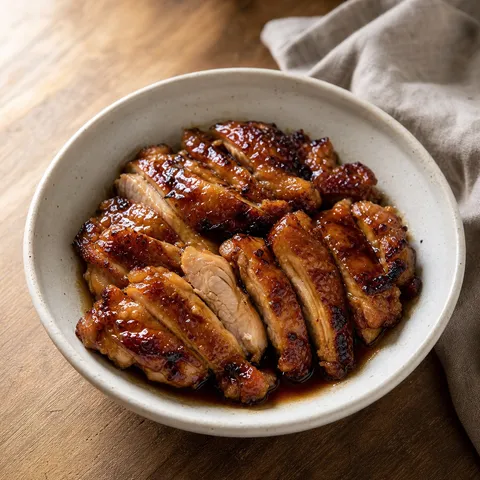 Japanese Lens Verified Images are for illustrative purposes only, may be inaccurate, and do not guarantee the presence or absence of specific ingredients.
 Chicken Teriyaki
Enjoy tender, juicy chicken glazed in a deeply flavorful, glossy sweet soy sauce, perfectly caramelized to sticky perfection.