 Japanese Images are for illustrative purposes only, may be inaccurate, and do not guarantee the presence or absence of specific ingredients.
  Serving Images are for illustrative purposes only, may be inaccurate, and do not guarantee the presence or absence of specific ingredients.
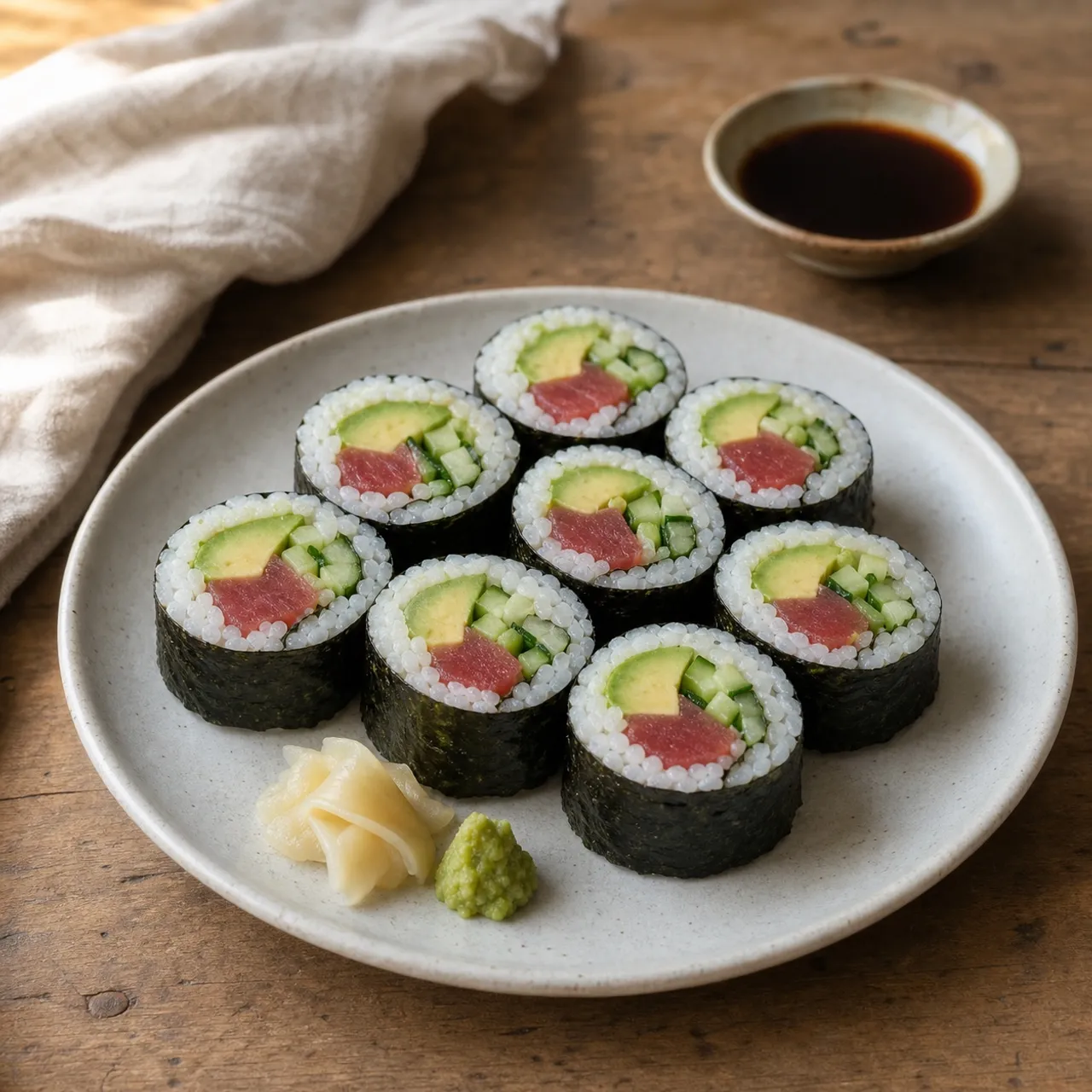
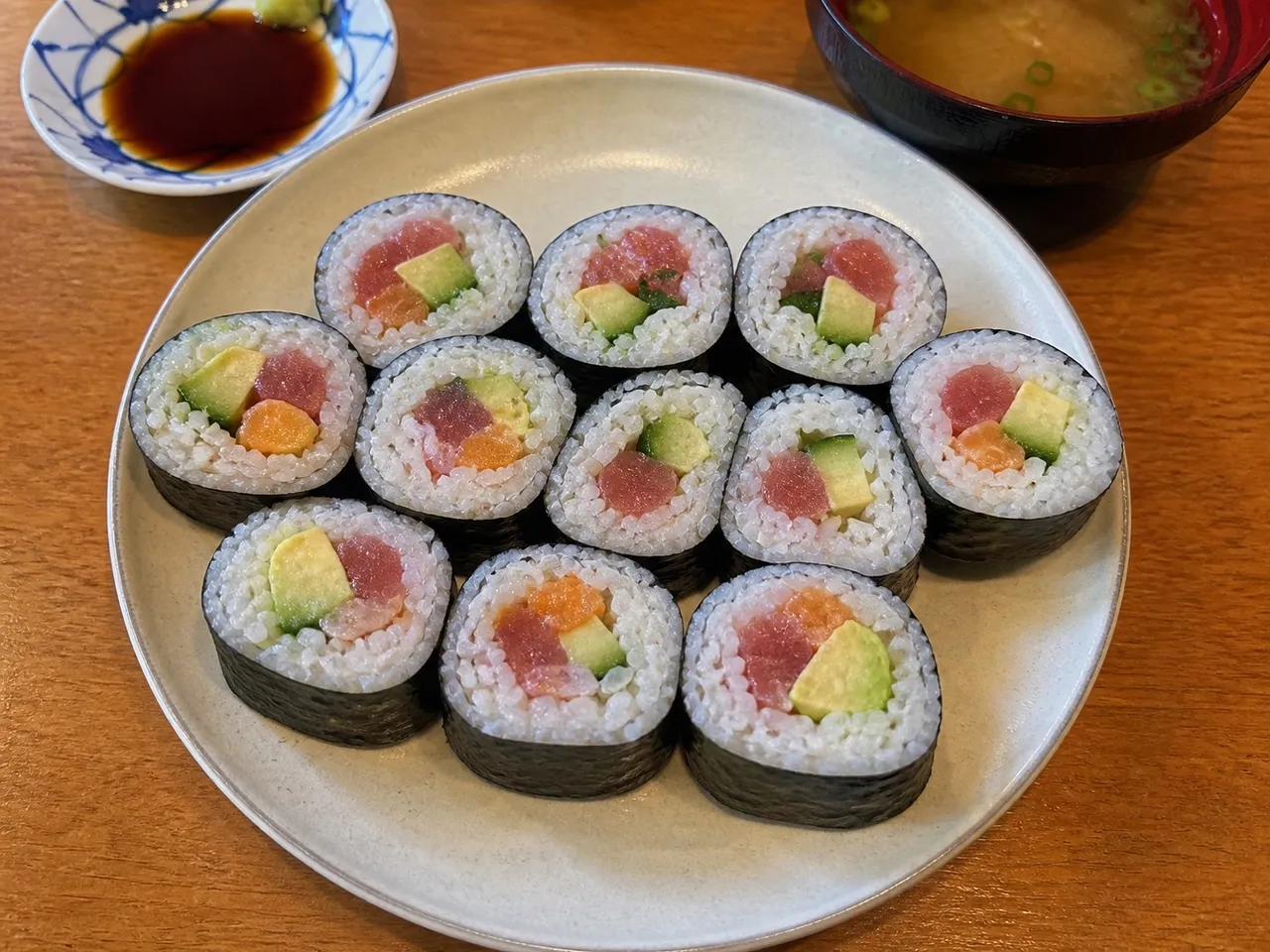
 Maki Sushi (Rolls)
Delight in these satisfying seaweed-wrapped rolls, bursting with seasoned rice, fresh vegetables, and premium seafood.
Contains common allergens
In the app, Listahan checks these against your household automatically.
Instructions
6 steps- 1
Prepare the sushi rice and let it cool to body temperature. Prepare all fillings by cutting them into uniform, long matchsticks.
- 2
Place a bamboo rolling mat on your work surface and lay one sheet of nori shiny-side down.
- 3
Wet your hands to prevent sticking, and spread a thin, even layer of rice over the nori, leaving a 1-inch border at the top edge.
- 4
Lay your fillings (tuna, avocado, cucumber) horizontally in a neat line across the lower third of the rice.
- 5
Lift the bottom edge of the bamboo mat, rolling it over the fillings and tucking it tightly to form a cylinder.
- 6
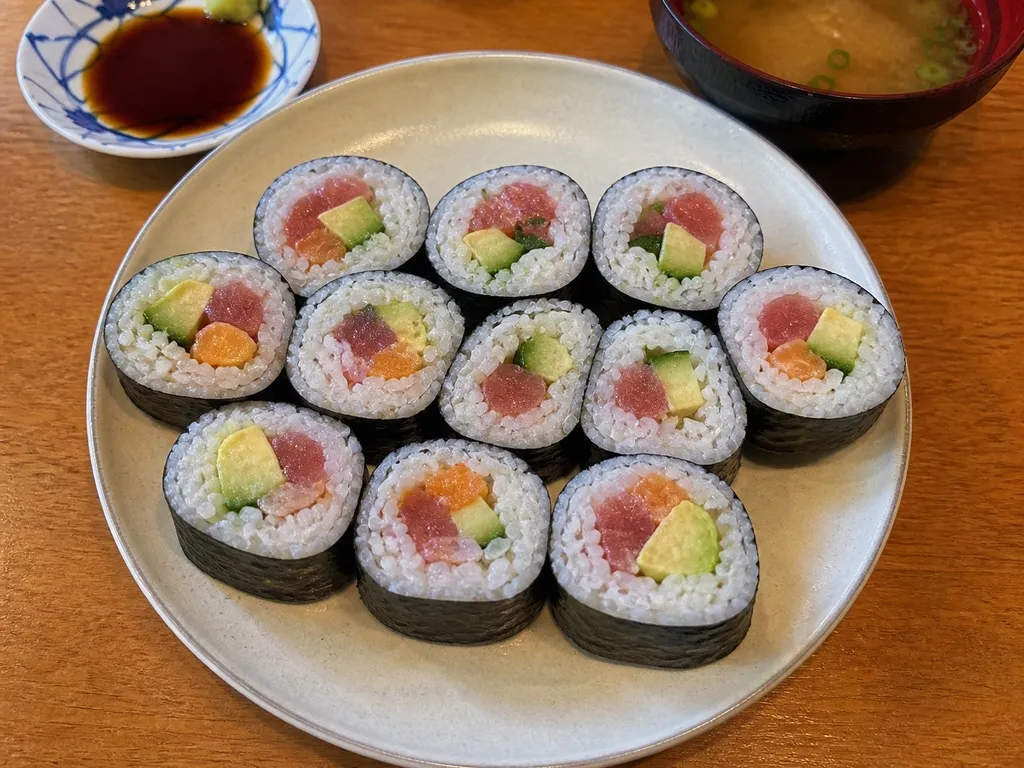
Wet a sharp knife and slice the roll cleanly into 6-8 equal bite-sized pieces, wiping the blade between cuts.
 Images are for illustrative purposes only, may be inaccurate, and do not guarantee the presence or absence of specific ingredients.
 Listahan Family Score™
62/100
Works for many families
Score reflects how well this recipe fits a typical busy household. In the app, your Family Score is personalized to your household's allergens, kids, and pantry.
Nutrition
per serving2025
Calories
84 g
Protein
320 g
Carbs
44 g
Fat
Estimated per serving. Actual values depend on the brands and portions you use.
Listahan cooking guide
Chef notes & practical guide
Technique notes, ingredient swaps, serve-alongside ideas, storage guidance, and equipment for this recipe.
Cultural context
Maki are the rolled form of sushi, vinegared rice and fillings wrapped in toasted nori and sliced into rounds. Where nigiri is a restaurant cook's art, maki is the home and lunchbox format, forgiving enough for a bamboo mat and a steady hand.
Listahan note
This version keeps the fillings simple and focuses on the mechanics that actually trip people up at home: body-temperature rice, a clean nori border, and a wet knife.
Technique cues
- Spread the rice thin and leave a 1-inch bare border at the top edge; that strip is the seam that seals the roll shut.
- Roll with the bamboo mat tucking firmly under the fillings, not squashing from above, so the cylinder is tight but the rice is not crushed.
- Wet the knife and wipe it between every cut; dry rice drags and tears the roll instead of slicing it clean.
Kitchen flow
- Parallel prep
- Season and cool the rice first; while it comes to body temperature, cut every filling into uniform matchsticks.
- Make-ahead
- Cut fillings ahead, but roll close to serving; rolls with raw fish should not sit, and nori softens over time.
- Leftover move
- Turn extra rice and fillings into a chirashi bowl, or roll a quick cucumber-and-avocado maki for lunch.
- Cleanup rhythm
- Keep a damp cloth and a bowl of water at your station; wipe the mat and knife as you go so rice does not dry on them.
Ingredient brief
Role, handling, and swap guidance for each key ingredient.
Toasted nori (seaweed)
The wrapper
Purpose: Toasted nori is crisp enough to hold the roll yet softens just right against the rice.
Handling: Lay it shiny-side down so the rough side grips the rice.
Adaptation: Soy paper is a milder, nori-free wrapper if seaweed is not wanted.
Prepared sushi rice
The body
Purpose: Seasoned, sticky short-grain rice is what binds the roll together.
Handling: Cool it to body temperature and wet your hands before spreading so it does not clump on your fingers.
Adaptation: Any short-grain rice seasoned with rice vinegar works; long-grain will not hold.
Sashimi-grade tuna
Raw protein filling
Purpose: Cut into strips, it gives the roll its clean, rich center.
Handling: Slice into even matchsticks and keep cold until rolling.
Adaptation: Cooked shrimp, crab stick, or smoked salmon are non-raw options.
Avocado
Creamy filling
Purpose: Its softness balances the fish and adds richness without competing.
Handling: Slice just before rolling so it does not brown.
Adaptation: Cucumber alone keeps it lighter; mango adds a sweet note.
Cucumber
Fresh crunch
Purpose: Julienned cucumber adds a cool, snappy contrast to the soft rice and fish.
Handling: Cut into long matchsticks and pat dry so it does not water down the roll.
Adaptation: Pickled radish or carrot work for crunch with more tang.
Technique notes
- If you use raw fish, buy it explicitly sushi-grade and keep it cold from store to roll.
- Less rice than you think; a thin even layer rolls cleanly, while a thick one bursts the seam.
- Press the finished roll gently in the mat for a few seconds before slicing so it holds its round shape.
Ingredient swaps
- Cooked, no-raw-fish direction
- Fill with cooked shrimp, crab stick, tamago, or just avocado and cucumber to skip raw fish entirely.
- Gluten-free direction
- Serve with tamari instead of soy sauce; the rolls themselves are already wheat-free.
- Vegetarian direction
- Use avocado, cucumber, carrot, and pickled radish for a fresh vegetable roll.
Serve alongside
- Miso soup
- Edamame
- Pickled ginger (gari)
- Seaweed salad
- Green tea
- Dry sake
- Sparkling water
Serving suggestions only — check pairings for your household's allergens.
Storage & reheating
- Rolls with raw fish should be eaten the same day and not refrigerated and re-served.
- Vegetable-only rolls keep one day wrapped tightly; the nori will soften.
- Do not freeze; rice and nori both degrade badly.
Equipment
- Bamboo rolling mat (makisu)
- Very sharp knife
- Rice cooker or pot
- Small bowl of water for hands and knife
Make this household-aware
Listahan Pro checks this recipe against your household's allergens, finds pantry-aware swaps, builds the shopping list, and helps you plan the week around it.
Plan it in Listahan
Add Maki Sushi (Rolls) to your week, check it against your household's allergens, and build the shopping list automatically.
More Japanese recipes
 Japanese Lens Verified Images are for illustrative purposes only, may be inaccurate, and do not guarantee the presence or absence of specific ingredients.
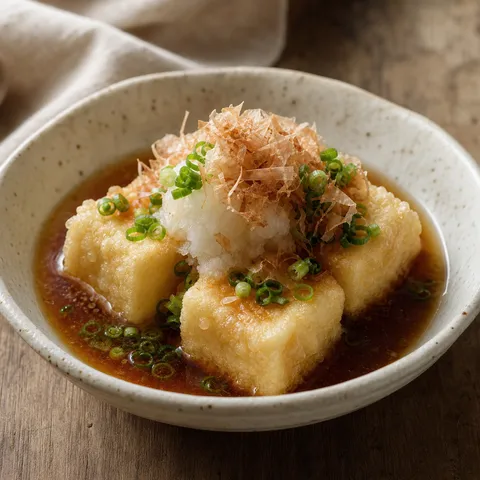
 Agedashi Tofu
Lightly fried tofu dusted in potato starch and served in a warm dashi-soy-mirin broth, topped with grated daikon and bonito flakes, a classic Japanese izakaya starter.
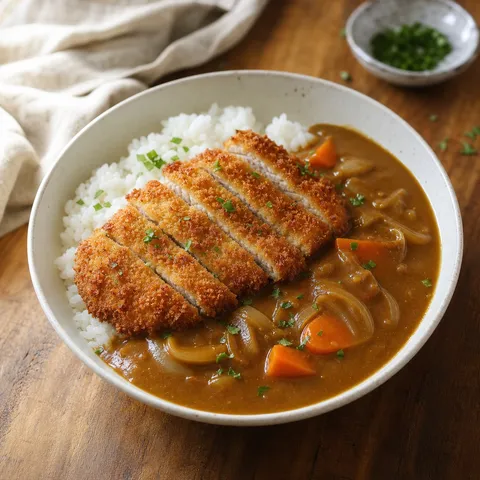 Japanese Lens Verified Images are for illustrative purposes only, may be inaccurate, and do not guarantee the presence or absence of specific ingredients.
 Katsu Curry
A Japanese recipe: Katsu Curry.
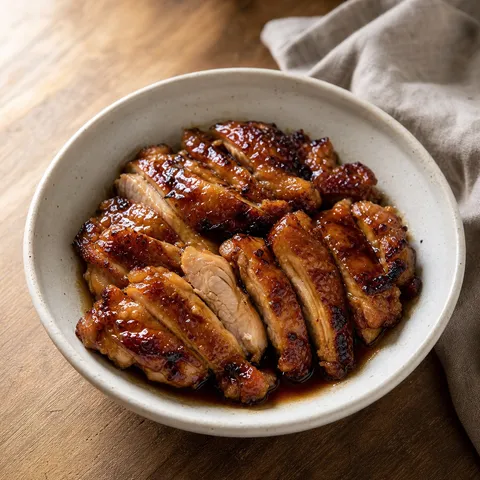 Japanese Lens Verified Images are for illustrative purposes only, may be inaccurate, and do not guarantee the presence or absence of specific ingredients.
 Chicken Teriyaki
Enjoy tender, juicy chicken glazed in a deeply flavorful, glossy sweet soy sauce, perfectly caramelized to sticky perfection.