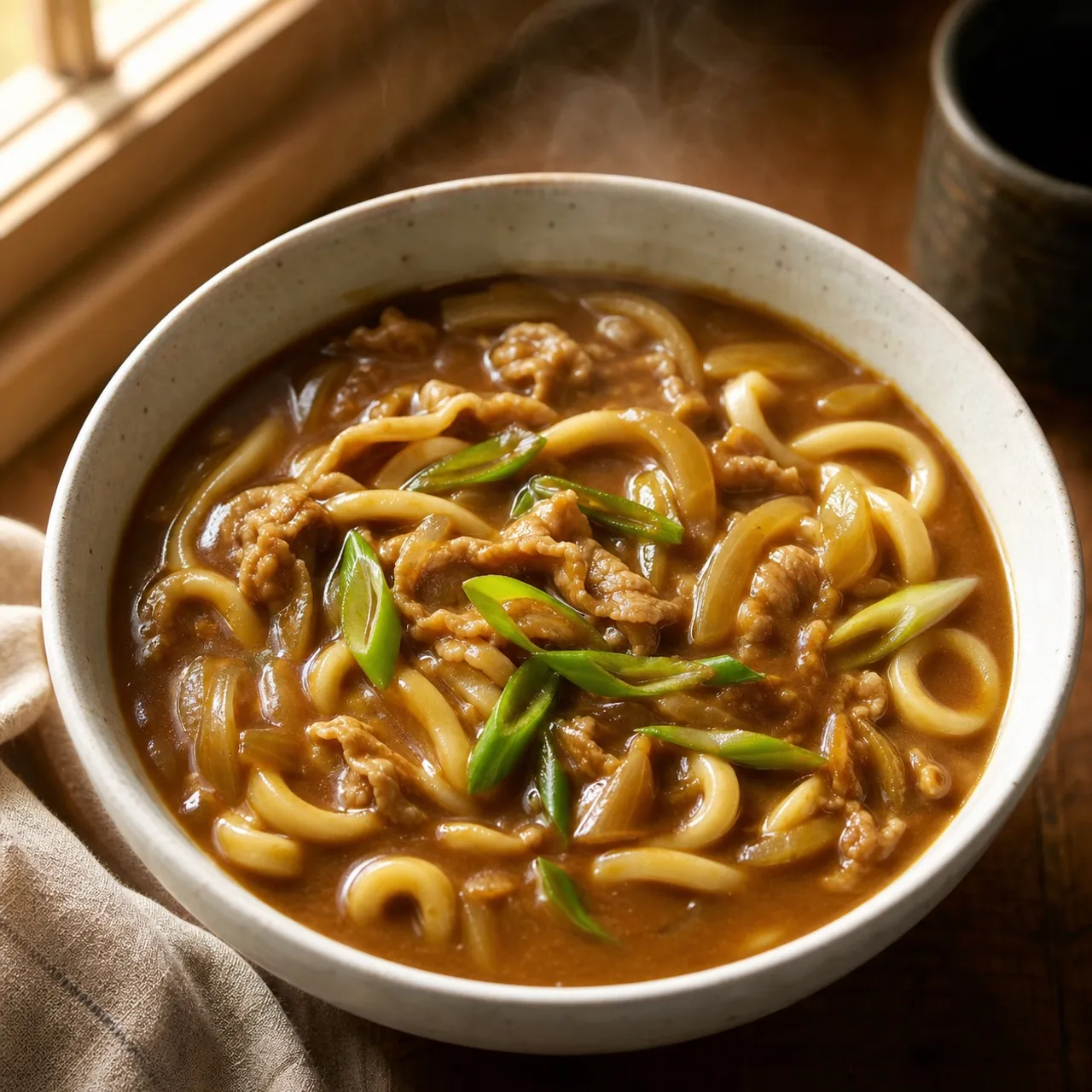
 Japanese Images are for illustrative purposes only, may be inaccurate, and do not guarantee the presence or absence of specific ingredients.
 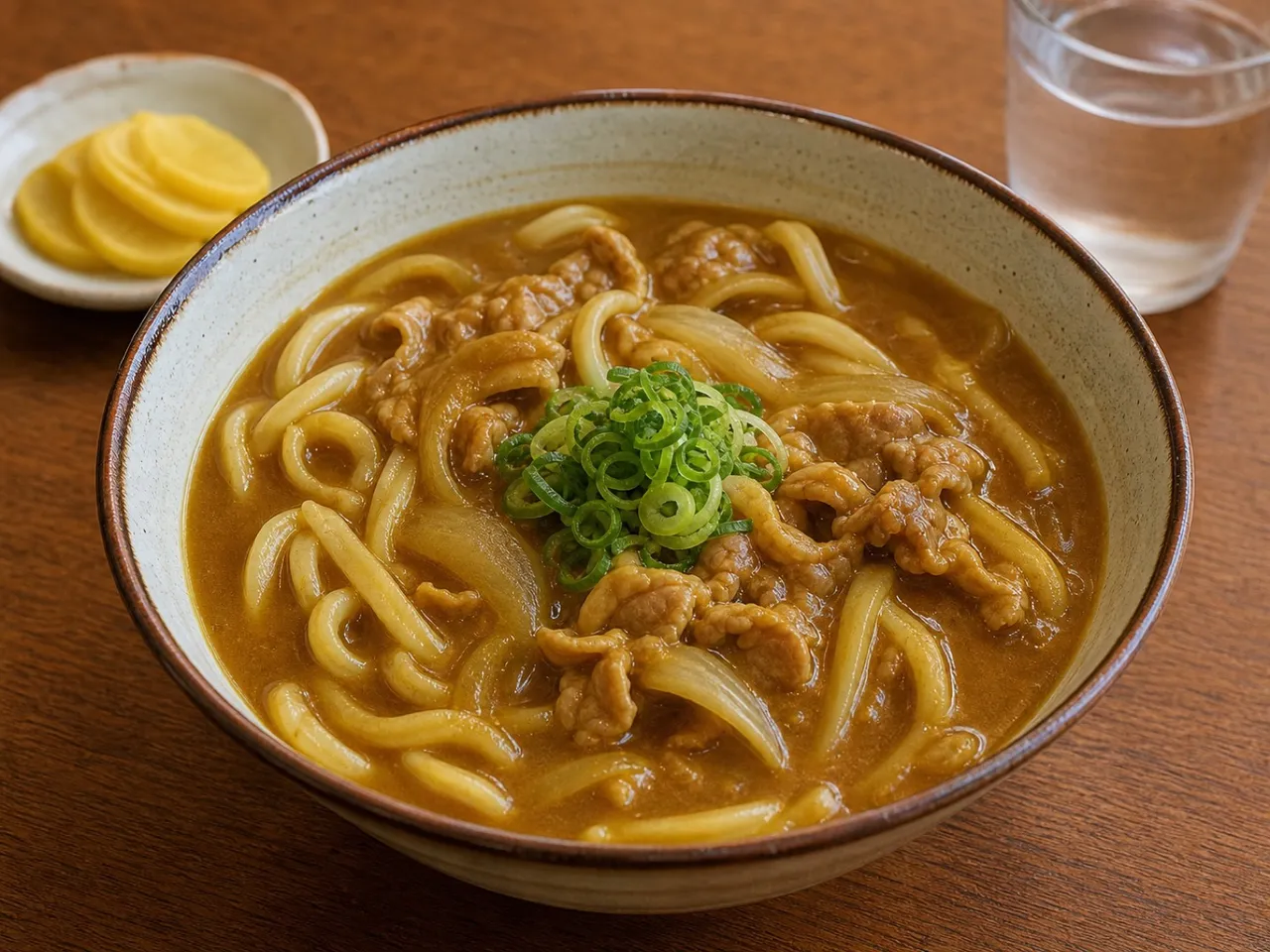 Serving Images are for illustrative purposes only, may be inaccurate, and do not guarantee the presence or absence of specific ingredients.
 Curry Udon
Thick, chewy udon noodles swimming in a silky, dashi-rich Japanese curry broth thickened to cling to every strand.
Contains common allergens
In the app, Listahan checks these against your household automatically.
Good to know
- Ready in under 30 minutes
Matched from this dish's own ingredients and timing. Browse more: 30-minute meals
Instructions
5 steps- 1
Bring the dashi to a simmer in a medium pot, add the sliced onion, and cook for 4 minutes until softened and translucent.
- 2
Add the sliced pork or chicken and simmer for 4 to 5 minutes, skimming any foam, until the meat is just cooked through.
- 3
Lower the heat, drop in the curry roux blocks, and stir gently until fully dissolved, then simmer 3 minutes more so the broth thickens to a pourable, velvety consistency.
- 4
Meanwhile, cook the udon in boiling water for 1 to 2 minutes until heated through and loosened, then drain and divide between two deep bowls.
- 5
Ladle the hot curry broth and meat over the noodles, garnish with sliced scallions, and serve immediately while the broth is steaming.
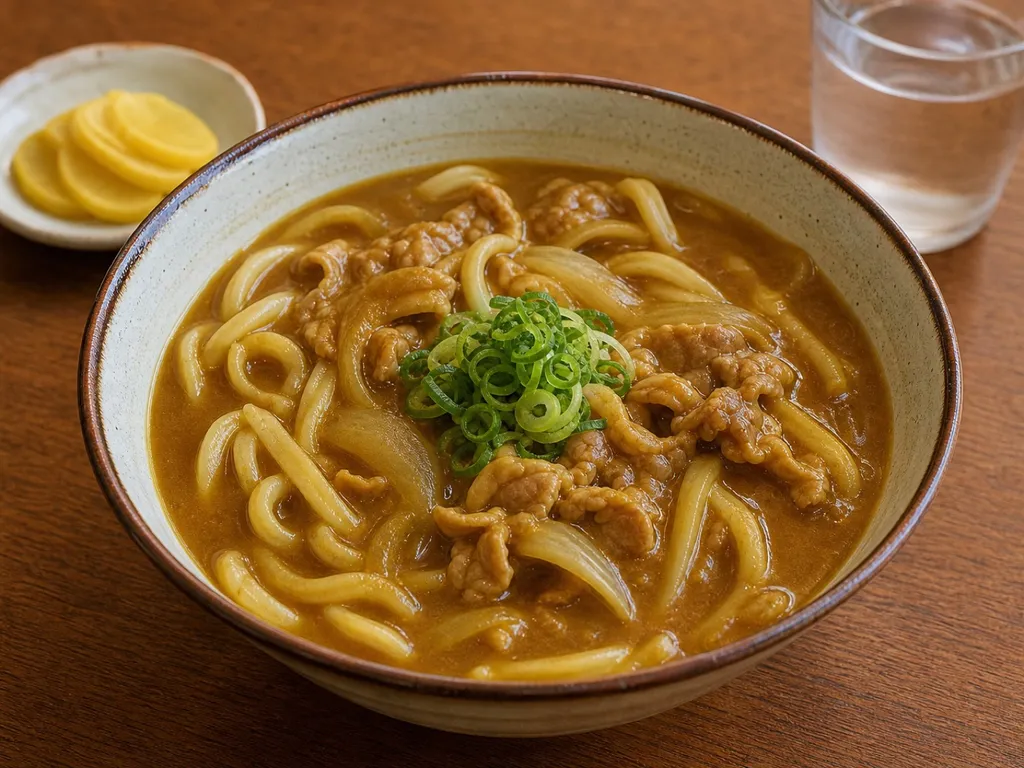 Images are for illustrative purposes only, may be inaccurate, and do not guarantee the presence or absence of specific ingredients.
 Listahan Family Score™
76/100
Good fit for most families
Score reflects how well this recipe fits a typical busy household. In the app, your Family Score is personalized to your household's allergens, kids, and pantry.
Nutrition
per serving270
Calories
32 g
Protein
5 g
Carbs
13 g
Fat
Estimated per serving. Actual values depend on the brands and portions you use.
Listahan cooking guide
Chef notes & practical guide
Technique notes, ingredient swaps, serve-alongside ideas, storage guidance, and equipment for this recipe.
Cultural context
Curry udon is thick udon in a dashi-spiked Japanese curry broth, a warming dish that bridges curry rice and noodle soup. The dashi makes the curry lighter and more savory than the rice version, and the thick noodles carry the velvety broth.
Listahan note
This version builds the broth on dashi before the roux goes in, giving the curry a savory depth, and barely warms the udon so it stays plump.
Technique cues
- Start with dashi, not just water; it is what makes curry udon taste deeper than plain curry thinned out.
- Dissolve the roux fully on low heat and simmer briefly so the broth is velvety and pourable, not gloppy.
- Loosen the udon for only a minute or two; over-cooked udon goes mushy in the hot broth.
Kitchen flow
- Parallel prep
- Simmer the broth and meat first; boil the udon in the last couple of minutes so it is hot and plump at serving.
- Make-ahead
- The curry broth keeps and even improves overnight; warm noodles fresh per bowl.
- Leftover move
- Leftover curry broth makes an instant curry udon or a curry rice the next day.
- Cleanup rhythm
- Soak the pot right away so the thick curry does not bake on.
Ingredient brief
Role, handling, and swap guidance for each key ingredient.
Udon noodles
The body
Purpose: Thick, chewy udon is made to carry the rich curry broth.
Handling: Boil 1 to 2 minutes just to heat and loosen, then divide into bowls.
Adaptation: Fresh or frozen udon work; rice noodles adapt it but change the texture.
Dashi
The savory base
Purpose: It distinguishes curry udon from a watered-down curry rice.
Handling: Simmer the onion and meat in it before the roux.
Adaptation: Water with dashi powder works; kombu-shiitake dashi keeps it fish-free.
Japanese curry roux
Thickener and flavor
Purpose: The roux blocks give the broth its signature thick, mild, glossy curry character.
Handling: Drop in on low heat and stir until dissolved, then simmer to thicken.
Adaptation: Use gluten-free roux for a wheat-free version.
Pork belly or chicken
The protein
Purpose: Thin meat cooks fast and enriches the broth.
Handling: Simmer in the dashi and skim before adding the roux.
Adaptation: Tofu or mushrooms make it vegetarian.
Onion and scallions
Aromatics and garnish
Purpose: Softened onion sweetens the broth and scallions add a fresh finish.
Handling: Simmer the onion first; add scallions on top at the end.
Adaptation: Leek works for the onion.
Technique notes
- Dashi is the upgrade that makes curry udon special; do not skip it for plain water.
- Dissolve the roux off a hard boil so it goes in smoothly without lumps.
- Eat it carefully; curry udon is notorious for splashing, so a deep bowl and a tucked napkin help.
Ingredient swaps
- Gluten-free direction
- Use gluten-free curry roux and rice or gluten-free udon-style noodles.
- Fish-free, vegetarian direction
- Use a kombu-shiitake dashi and tofu or mushrooms instead of meat.
- Lighter direction
- Use chicken and a little less roux for a thinner, lighter broth.
Serve alongside
- Onigiri
- Japanese pickles
- Quick cabbage salad
- Tempura
- Cold barley tea
- Green tea
- Light lager
Serving suggestions only — check pairings for your household's allergens.
Storage & reheating
- Refrigerate the broth up to 4 days; store noodles separately.
- Reheat the broth gently and warm fresh noodles to serve.
- Freeze the broth up to 2 months; potatoes (if added) soften, so consider leaving them out.
Equipment
- Medium pot
- Ladle
- Pot for the udon
- Deep bowls
Make this household-aware
Listahan Pro checks this recipe against your household's allergens, finds pantry-aware swaps, builds the shopping list, and helps you plan the week around it.
Plan it in Listahan
Add Curry Udon to your week, check it against your household's allergens, and build the shopping list automatically.
More Japanese recipes
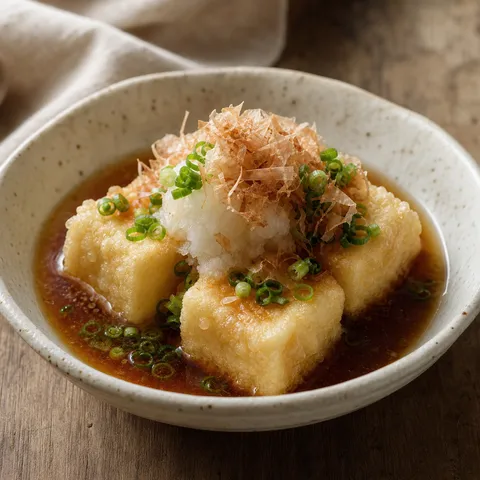 Japanese Lens Verified Images are for illustrative purposes only, may be inaccurate, and do not guarantee the presence or absence of specific ingredients.
 Agedashi Tofu
Lightly fried tofu dusted in potato starch and served in a warm dashi-soy-mirin broth, topped with grated daikon and bonito flakes, a classic Japanese izakaya starter.
 Japanese Lens Verified Images are for illustrative purposes only, may be inaccurate, and do not guarantee the presence or absence of specific ingredients.
 Katsu Curry
A Japanese recipe: Katsu Curry.
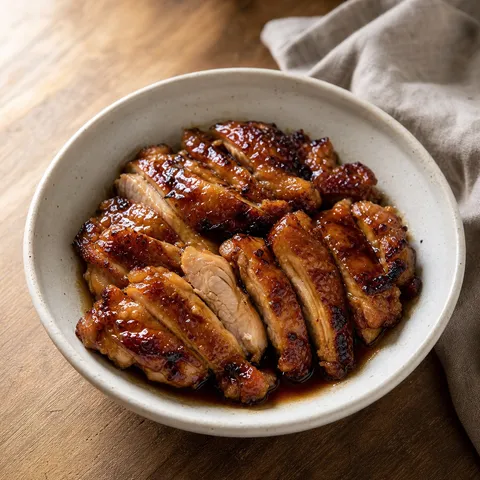 Japanese Lens Verified Images are for illustrative purposes only, may be inaccurate, and do not guarantee the presence or absence of specific ingredients.
 Chicken Teriyaki
Enjoy tender, juicy chicken glazed in a deeply flavorful, glossy sweet soy sauce, perfectly caramelized to sticky perfection.