 Japanese Images are for illustrative purposes only, may be inaccurate, and do not guarantee the presence or absence of specific ingredients.
  Serving Images are for illustrative purposes only, may be inaccurate, and do not guarantee the presence or absence of specific ingredients.
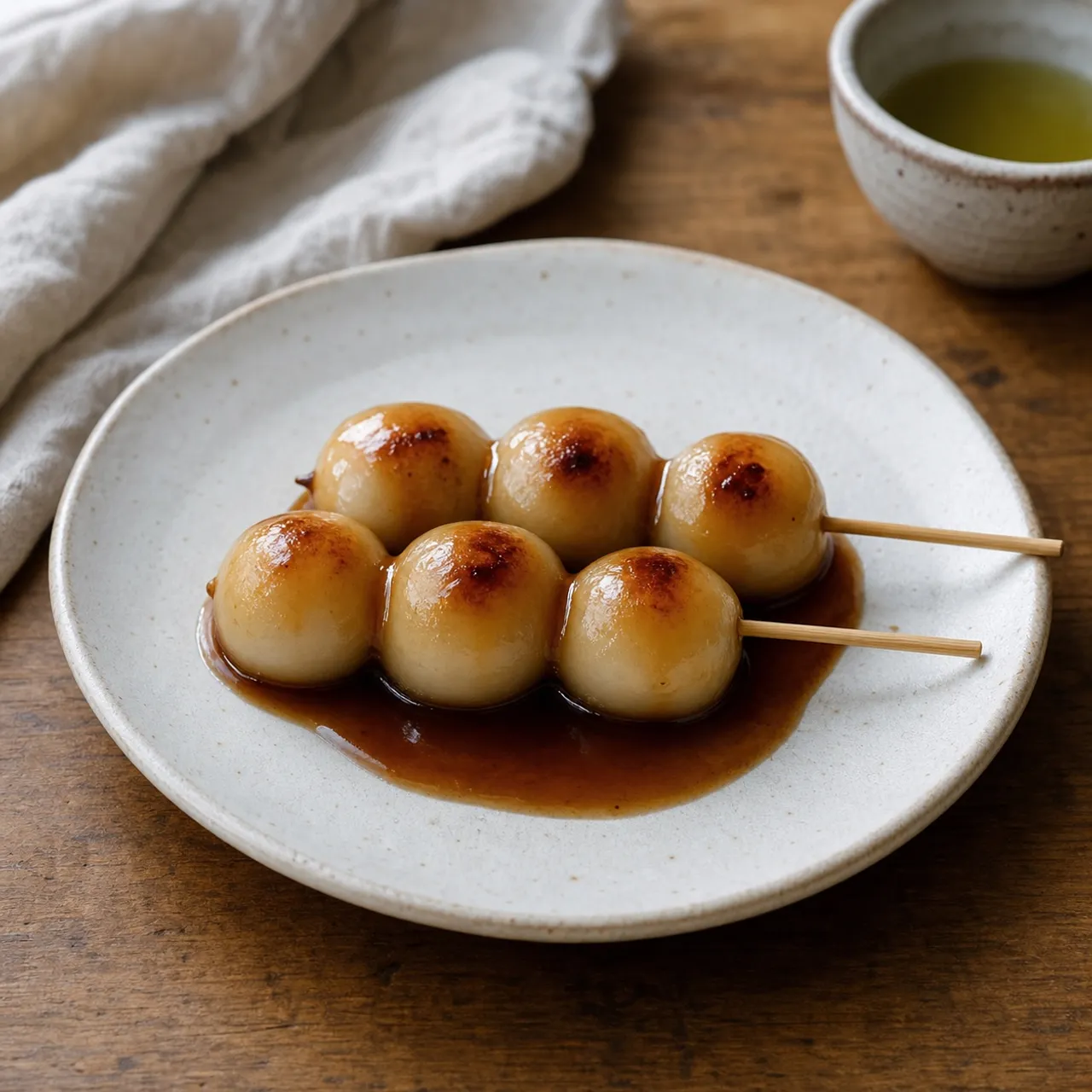
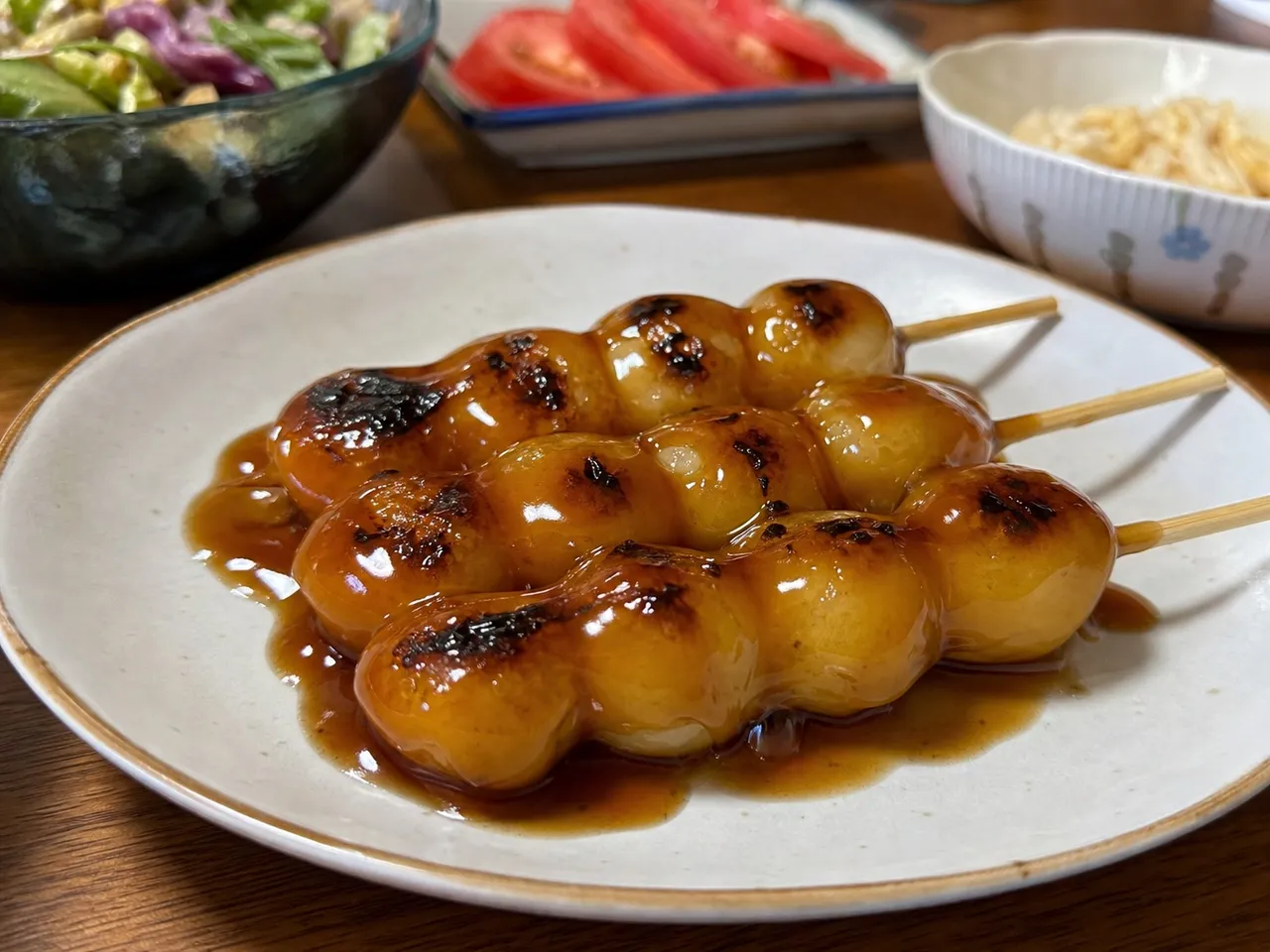
 Dango
Sweet rice dumplings served on skewers, often topped with a soy glaze.
Contains common allergens
In the app, Listahan checks these against your household automatically.
Good to know
- Ready in under 30 minutes
Matched from this dish's own ingredients and timing. Browse more: 30-minute meals
Instructions
6 steps- 1
In a bowl, mix the shiratamako and joshinko. Gradually add the warm water, kneading with your hands until the dough is smooth and feels like the softness of an earlobe.
- 2
Pinch off small pieces and roll them between your palms into perfectly round, 1-inch balls.
- 3
Bring a pot of water to a rolling boil. Drop the dango into the water. Once they float to the top, let them boil for 1-2 more minutes.
- 4
Scoop out the cooked dango with a slotted spoon and immediately plunge them into a bowl of ice water for 2 minutes to cool and tighten their texture.
- 5
Thread 3-4 dango onto each bamboo skewer.
- 6
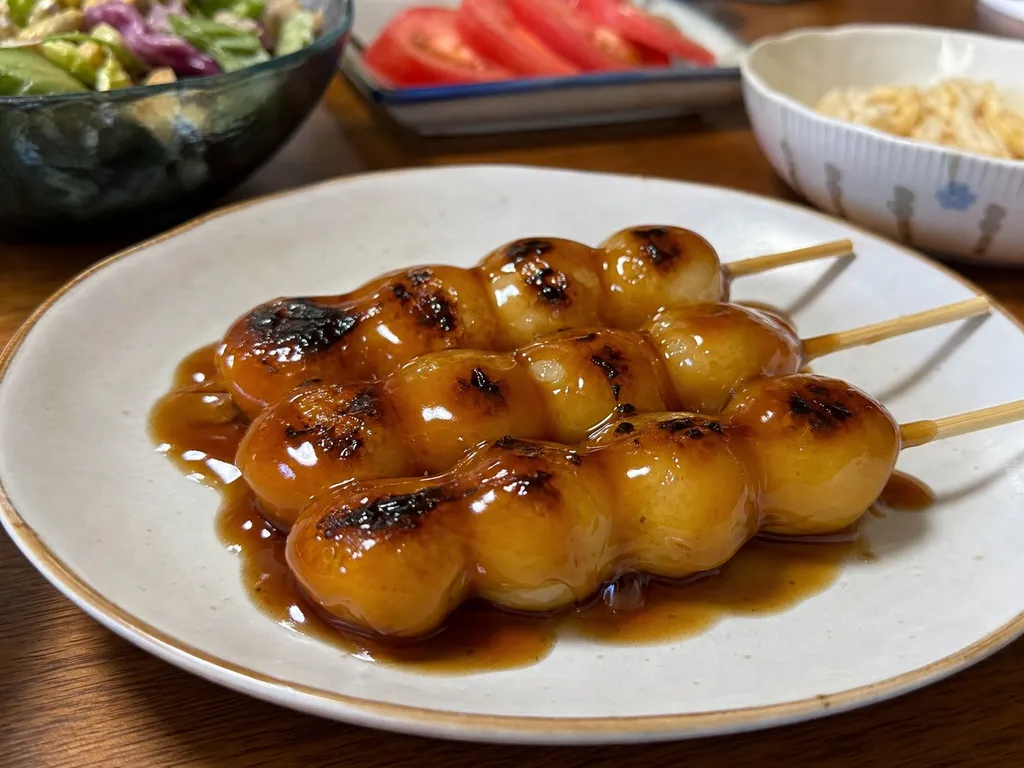
In a small saucepan, combine the soy sauce, sugar, 1 tbsp water, and potato starch. Simmer over low heat, whisking constantly until it thickens into a glossy, sweet-and-salty mitarashi glaze. Brush heavily over the skewers.
 Images are for illustrative purposes only, may be inaccurate, and do not guarantee the presence or absence of specific ingredients.
 Listahan Family Score™
72/100
Good fit for most families
Score reflects how well this recipe fits a typical busy household. In the app, your Family Score is personalized to your household's allergens, kids, and pantry.
Nutrition
per serving15
Calories
0 g
Protein
3 g
Carbs
0 g
Fat
Estimated per serving. Actual values depend on the brands and portions you use.
Listahan cooking guide
Chef notes & practical guide
Technique notes, ingredient swaps, serve-alongside ideas, storage guidance, and equipment for this recipe.
Cultural context
Dango are chewy rice-flour dumplings on a skewer, a teahouse and festival sweet. The mitarashi version, brushed with a glossy sweet-soy glaze, is the most beloved, balancing the plain dumplings with a salty-sweet lacquer.
Listahan note
This version blends two rice flours for the right bite and uses the classic earlobe-softness test, then finishes with a from-scratch mitarashi glaze.
Technique cues
- Knead the dough to the softness of an earlobe; too dry and the dango crack, too wet and they slump.
- Boil until they float, then a minute more, and shock in ice water so they turn springy rather than gummy.
- Whisk the mitarashi glaze constantly as it thickens; the starch can clump if it sits.
Kitchen flow
- Parallel prep
- Make the glaze while the water comes to a boil, then cook and skewer the dango.
- Make-ahead
- Dango are best fresh and chewy; if making ahead, glaze just before serving since they firm up.
- Leftover move
- Grill leftover plain dango until lightly charred, then re-glaze, for a smoky mitarashi version.
- Cleanup rhythm
- Soak the glaze pot right away so the sugar does not harden; rinse the dough bowl in warm water.
Ingredient brief
Role, handling, and swap guidance for each key ingredient.
Shiratamako and joshinko
The dough blend
Purpose: Glutinous shiratamako gives chew while regular-rice joshinko gives structure; together they make the ideal dango bite.
Handling: Mix dry, then add warm water and knead to earlobe softness.
Adaptation: A mix of glutinous and regular rice flour is key; all-glutinous is too soft, all-regular too firm.
Warm water
The binder
Purpose: It brings the flours together into a smooth, pliable dough.
Handling: Add gradually while kneading until the texture is right.
Adaptation: None; just adjust the amount to reach earlobe softness.
Soy sauce, sugar, potato starch
The mitarashi glaze
Purpose: Reduced together they make the glossy, sweet-salty lacquer that defines mitarashi dango.
Handling: Whisk constantly over low heat until thick and shiny.
Adaptation: Use tamari for gluten-free; adjust sugar to taste.
Technique notes
- The earlobe-softness test is the traditional gauge and genuinely works; aim for soft but not sticky.
- Ice the boiled dango to tighten them into a springy chew rather than a soft mush.
- Eat in small bites and chew well, as chewy rice dumplings can be a choking hazard for young children.
Ingredient swaps
- Gluten-free direction
- Use tamari in the mitarashi glaze; the rice-flour dango are already wheat-free.
- Anko direction
- Skip the mitarashi glaze and top the dango with sweet red bean paste instead.
- Three-color direction
- Tint portions of dough with matcha and a little beet or berry for the festive hanami three-color skewer.
Serve alongside
- Sweet red bean paste
- Matcha sweets
- Toasted soybean flour
- Fresh fruit
- Green tea
- Matcha
- Hojicha
Serving suggestions only — check pairings for your household's allergens.
Storage & reheating
- Best eaten the day they are made; dango firm up as they cool.
- Soften slightly firm dango with a brief steam or microwave; re-glaze after.
- Freeze plain unglazed dango up to 1 month; reheat and glaze fresh.
Equipment
- Mixing bowl
- Pot for boiling
- Small saucepan for the glaze
- Bamboo skewers
Make this household-aware
Listahan Pro checks this recipe against your household's allergens, finds pantry-aware swaps, builds the shopping list, and helps you plan the week around it.
Plan it in Listahan
Add Dango to your week, check it against your household's allergens, and build the shopping list automatically.
More Japanese recipes
 Japanese Lens Verified Images are for illustrative purposes only, may be inaccurate, and do not guarantee the presence or absence of specific ingredients.
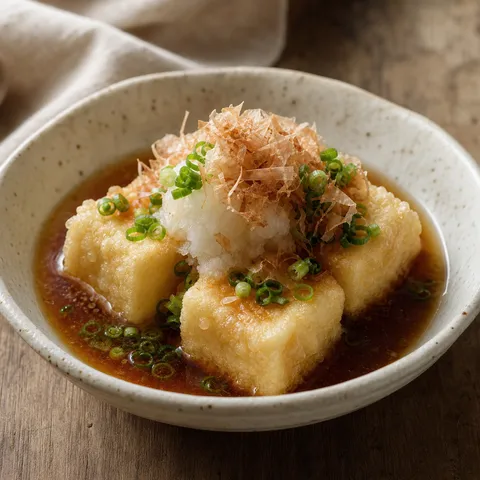
 Agedashi Tofu
Lightly fried tofu dusted in potato starch and served in a warm dashi-soy-mirin broth, topped with grated daikon and bonito flakes, a classic Japanese izakaya starter.
 Japanese Lens Verified Images are for illustrative purposes only, may be inaccurate, and do not guarantee the presence or absence of specific ingredients.
 Katsu Curry
A Japanese recipe: Katsu Curry.
 Japanese Lens Verified Images are for illustrative purposes only, may be inaccurate, and do not guarantee the presence or absence of specific ingredients.
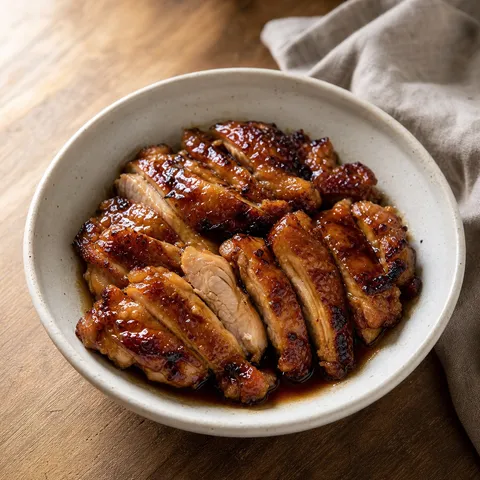
 Chicken Teriyaki
Enjoy tender, juicy chicken glazed in a deeply flavorful, glossy sweet soy sauce, perfectly caramelized to sticky perfection.