 Japanese Images are for illustrative purposes only, may be inaccurate, and do not guarantee the presence or absence of specific ingredients.
  Serving Images are for illustrative purposes only, may be inaccurate, and do not guarantee the presence or absence of specific ingredients.
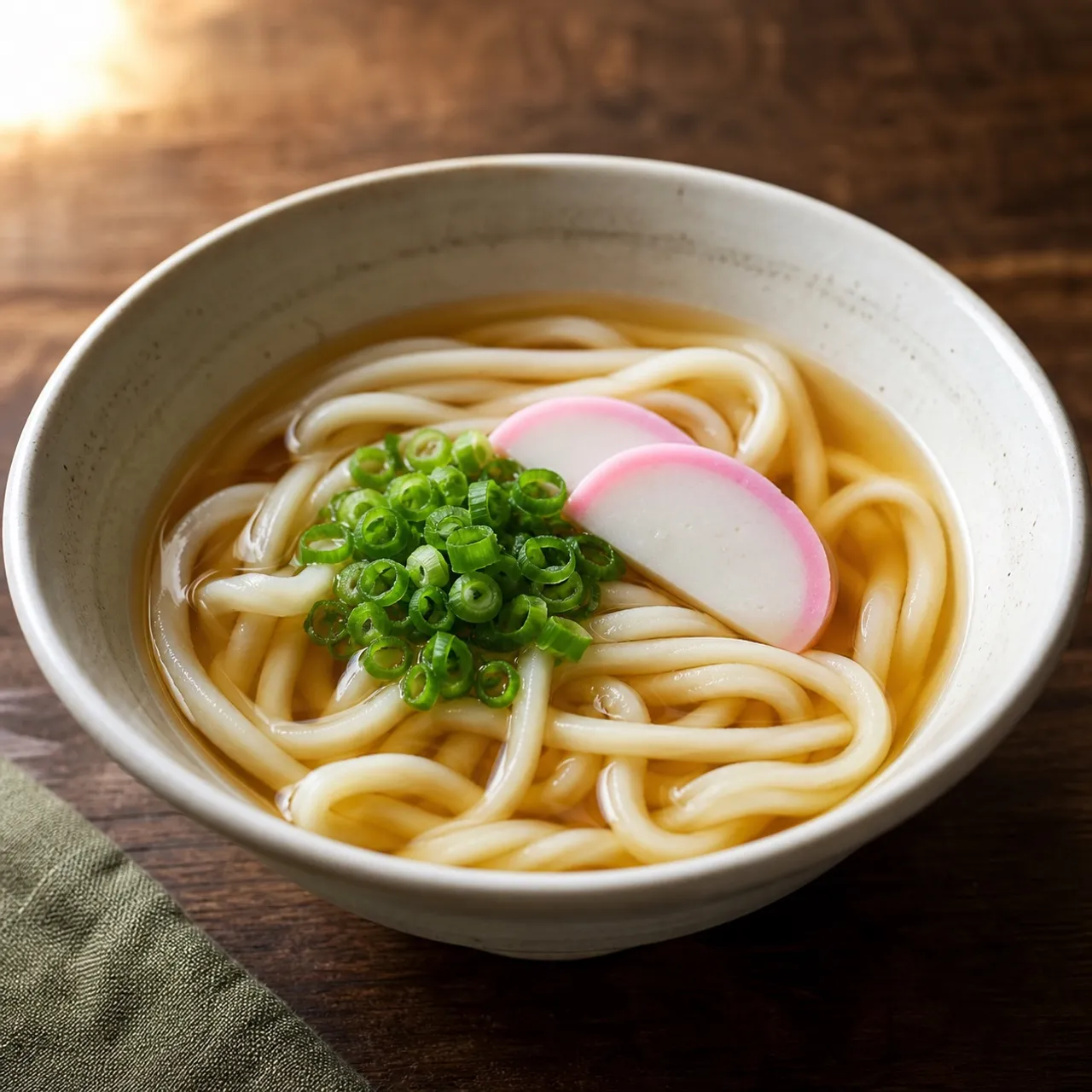
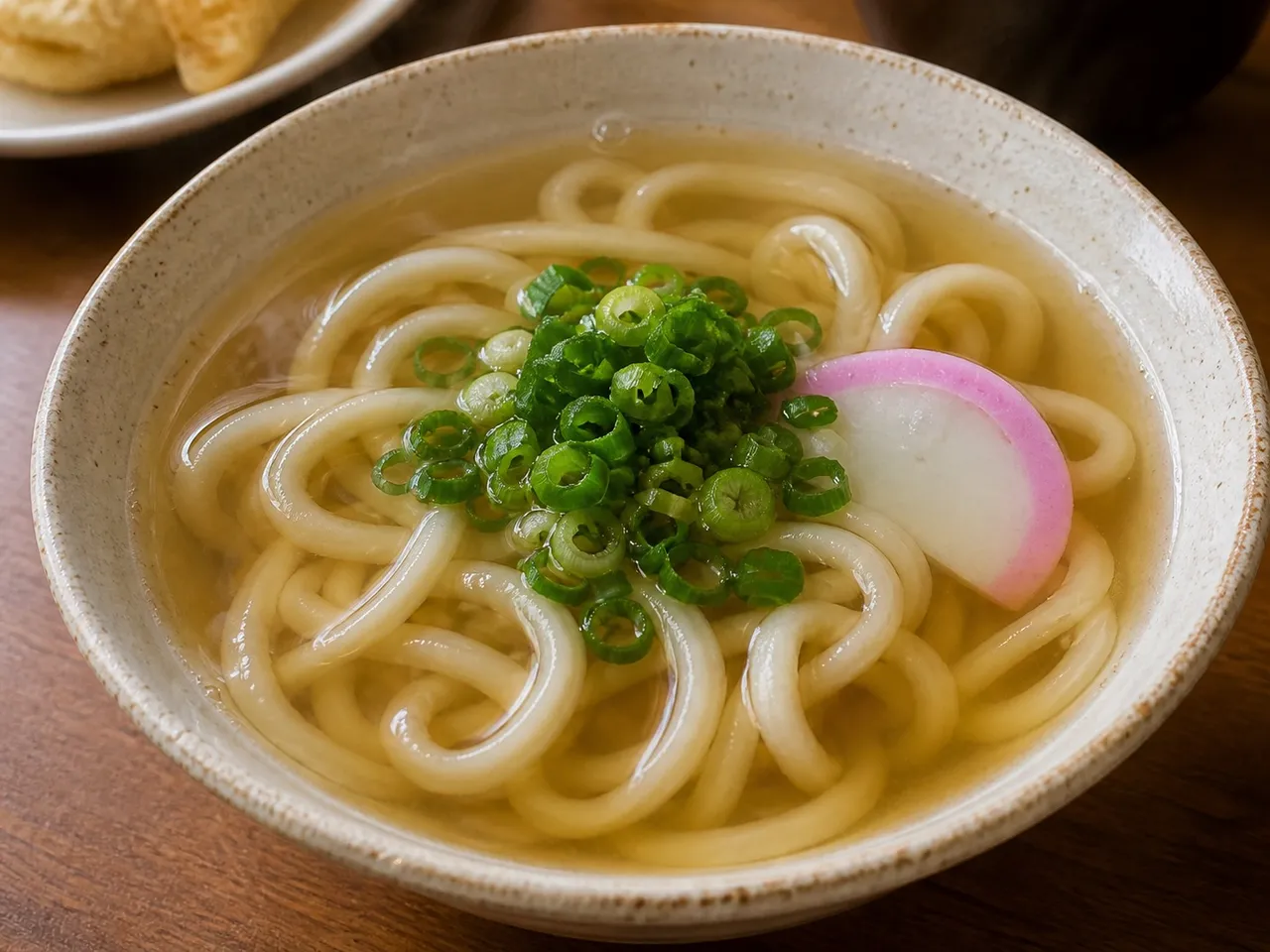
 Kake Udon
Enjoy the ultimate comfort food featuring thick, delightfully chewy udon noodles swimming in a pristine, umami-rich dashi broth.
Contains common allergens
In the app, Listahan checks these against your household automatically.
Good to know
- Ready in under 30 minutes
Matched from this dish's own ingredients and timing. Browse more: 30-minute meals
Instructions
6 steps- 1
Prepare a deeply flavorful awase dashi by steeping kombu in water at 140°F (60°C), removing it before boiling, then adding bonito flakes and straining.
- 2
In a saucepan, combine the dashi, light soy sauce, mirin, and sugar; bring to a gentle simmer to create a harmonious, translucent tsuyu (broth).
- 3
If using frozen udon, boil them for 1-2 minutes until just heated through and plump; if dry, follow package directions until tender but retaining a bite.
- 4
Drain the thick noodles thoroughly to avoid diluting the soup.
- 5
Divide the hot noodles into large, pre-warmed bowls.
- 6
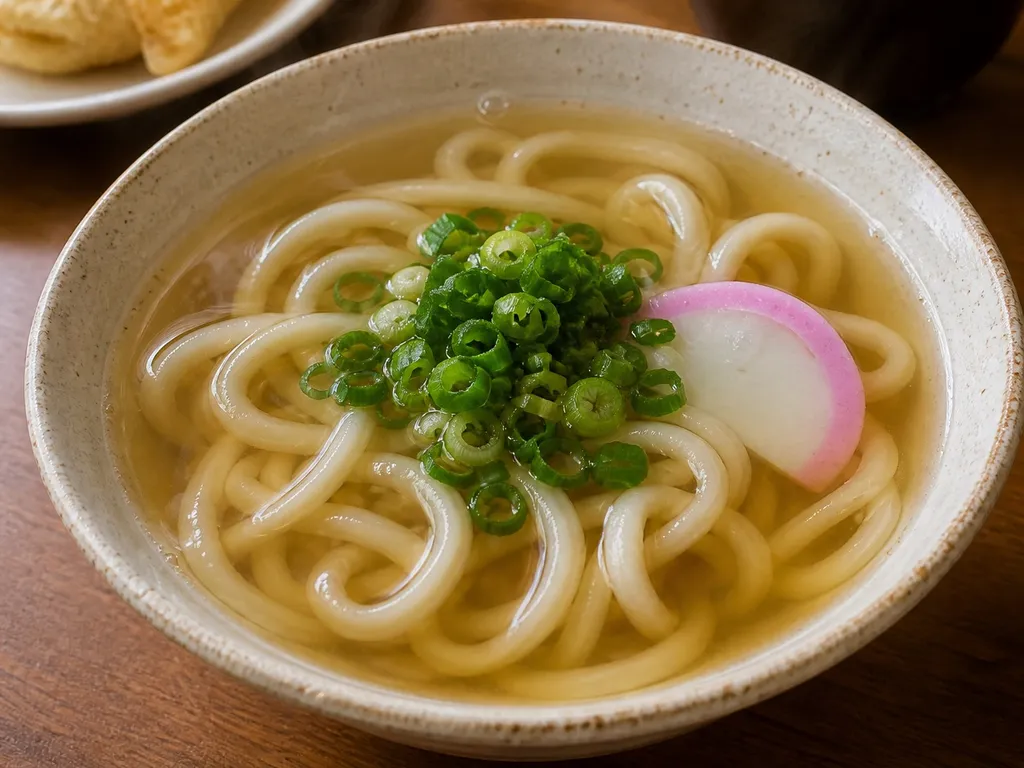
Ladle the steaming, fragrant broth over the noodles and garnish elegantly with a slice of kamaboko and a sprinkle of chopped scallions.
 Images are for illustrative purposes only, may be inaccurate, and do not guarantee the presence or absence of specific ingredients.
 Listahan Family Score™
74/100
Good fit for most families
Score reflects how well this recipe fits a typical busy household. In the app, your Family Score is personalized to your household's allergens, kids, and pantry.
Nutrition
per serving40
Calories
3 g
Protein
6 g
Carbs
0 g
Fat
Estimated per serving. Actual values depend on the brands and portions you use.
Listahan cooking guide
Chef notes & practical guide
Technique notes, ingredient swaps, serve-alongside ideas, storage guidance, and equipment for this recipe.
Cultural context
Kake udon is the plainest and most comforting udon: thick, chewy wheat noodles in a clear, light dashi broth seasoned with usukuchi (light) soy. It is the everyday bowl that lets the noodle and the broth speak for themselves.
Listahan note
This version puts the attention on a clean awase dashi and a light-colored tsuyu, since with so few ingredients the broth is the whole dish.
Technique cues
- Steep the kombu below a boil (around 140F) and pull it before the water boils; boiled kombu turns the dashi bitter and slimy.
- Use light (usukuchi) soy sauce so the broth stays pale and clear, the way kake udon should look.
- Drain the thick noodles thoroughly; any clinging water dilutes the delicate broth.
Kitchen flow
- Parallel prep
- Make the tsuyu broth first; while it simmers, boil the udon and slice the garnishes.
- Make-ahead
- Dashi and tsuyu keep for days; boil noodles fresh so they stay plump and chewy.
- Leftover move
- Use leftover tsuyu as a dipping sauce for cold noodles or to simmer vegetables.
- Cleanup rhythm
- One pot for broth, one for noodles; rinse both right away before starch sets.
Ingredient brief
Role, handling, and swap guidance for each key ingredient.
Udon noodles
The body
Purpose: Their thick, slippery chew is the entire texture of the bowl.
Handling: Boil frozen udon just 1 to 2 minutes to heat through and plump.
Adaptation: Fresh or dried udon both work; do not substitute thin noodles, which change the dish entirely.
Awase dashi
The broth foundation
Purpose: Kombu and bonito give the clean, savory base that defines the soup.
Handling: Steep kombu below a boil, remove it, then add bonito and strain.
Adaptation: Kombu-shiitake dashi keeps it vegetarian and fish-free; instant dashi is the shortcut.
Usukuchi (light) soy sauce
Seasoning
Purpose: It seasons without darkening the broth, keeping the pale clear look of kake udon.
Handling: Add with the mirin and a little sugar and simmer gently.
Adaptation: Regular soy works but darkens the broth; use a bit less. Tamari keeps it gluten-free.
Mirin
Gentle sweetness
Purpose: It rounds the salt of the soy and balances the broth.
Handling: Simmer briefly with the dashi and soy to meld.
Adaptation: A pinch of sugar plus a splash of sake approximates it.
Kamaboko and scallions
Garnish
Purpose: A slice of fish cake and fresh scallion add color and a small savory and sharp accent.
Handling: Lay the kamaboko on and scatter scallions at the end.
Adaptation: A soft poached egg or wilted greens are easy alternatives.
Technique notes
- Never boil the kombu; pull it out as the water approaches a simmer to keep the dashi clean.
- Light soy is not optional for the look; regular soy makes a brown broth that reads as a different dish.
- Warm the bowls so this gentle broth arrives hot, since there is no fat to hold heat.
Ingredient swaps
- Gluten-free direction
- Use rice or gluten-free udon-style noodles and tamari instead of soy sauce.
- Fish-free, vegetarian direction
- Use a kombu-and-shiitake dashi and skip the bonito and kamaboko.
- Heartier bowl
- Add tempura, a poached egg, or wilted greens to turn it into a fuller meal.
Serve alongside
- Vegetable tempura
- Onigiri
- Japanese pickles
- Spinach with sesame
- Green tea
- Barley tea
Serving suggestions only — check pairings for your household's allergens.
Storage & reheating
- Store broth and noodles separately in the fridge for up to 3 days.
- Reheat broth gently and boil or warm noodles fresh; do not store noodles soaking in broth.
- Freeze the dashi broth up to 1 month; noodles do not freeze well.
Equipment
- Saucepan for the tsuyu
- Pot for noodles
- Fine strainer for the dashi
- Warmed bowls
Make this household-aware
Listahan Pro checks this recipe against your household's allergens, finds pantry-aware swaps, builds the shopping list, and helps you plan the week around it.
Plan it in Listahan
Add Kake Udon to your week, check it against your household's allergens, and build the shopping list automatically.
More Japanese recipes
 Japanese Lens Verified Images are for illustrative purposes only, may be inaccurate, and do not guarantee the presence or absence of specific ingredients.
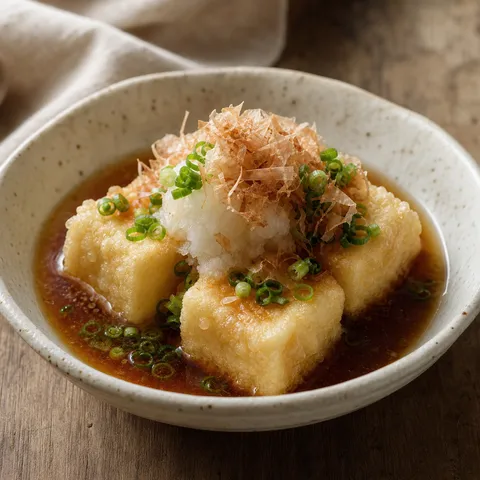
 Agedashi Tofu
Lightly fried tofu dusted in potato starch and served in a warm dashi-soy-mirin broth, topped with grated daikon and bonito flakes, a classic Japanese izakaya starter.
 Japanese Lens Verified Images are for illustrative purposes only, may be inaccurate, and do not guarantee the presence or absence of specific ingredients.
 Katsu Curry
A Japanese recipe: Katsu Curry.
 Japanese Lens Verified Images are for illustrative purposes only, may be inaccurate, and do not guarantee the presence or absence of specific ingredients.
 Chicken Teriyaki
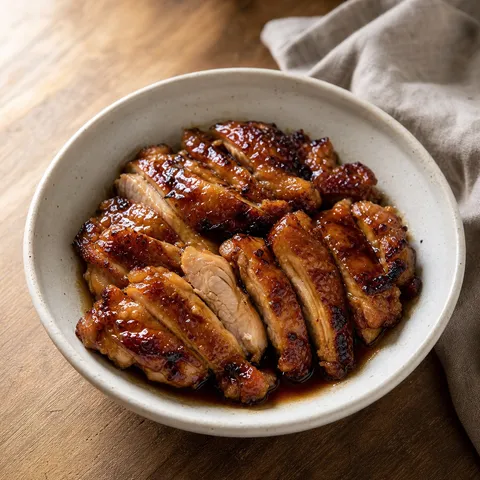
Enjoy tender, juicy chicken glazed in a deeply flavorful, glossy sweet soy sauce, perfectly caramelized to sticky perfection.