 Japanese Images are for illustrative purposes only, may be inaccurate, and do not guarantee the presence or absence of specific ingredients.
  Serving Images are for illustrative purposes only, may be inaccurate, and do not guarantee the presence or absence of specific ingredients.
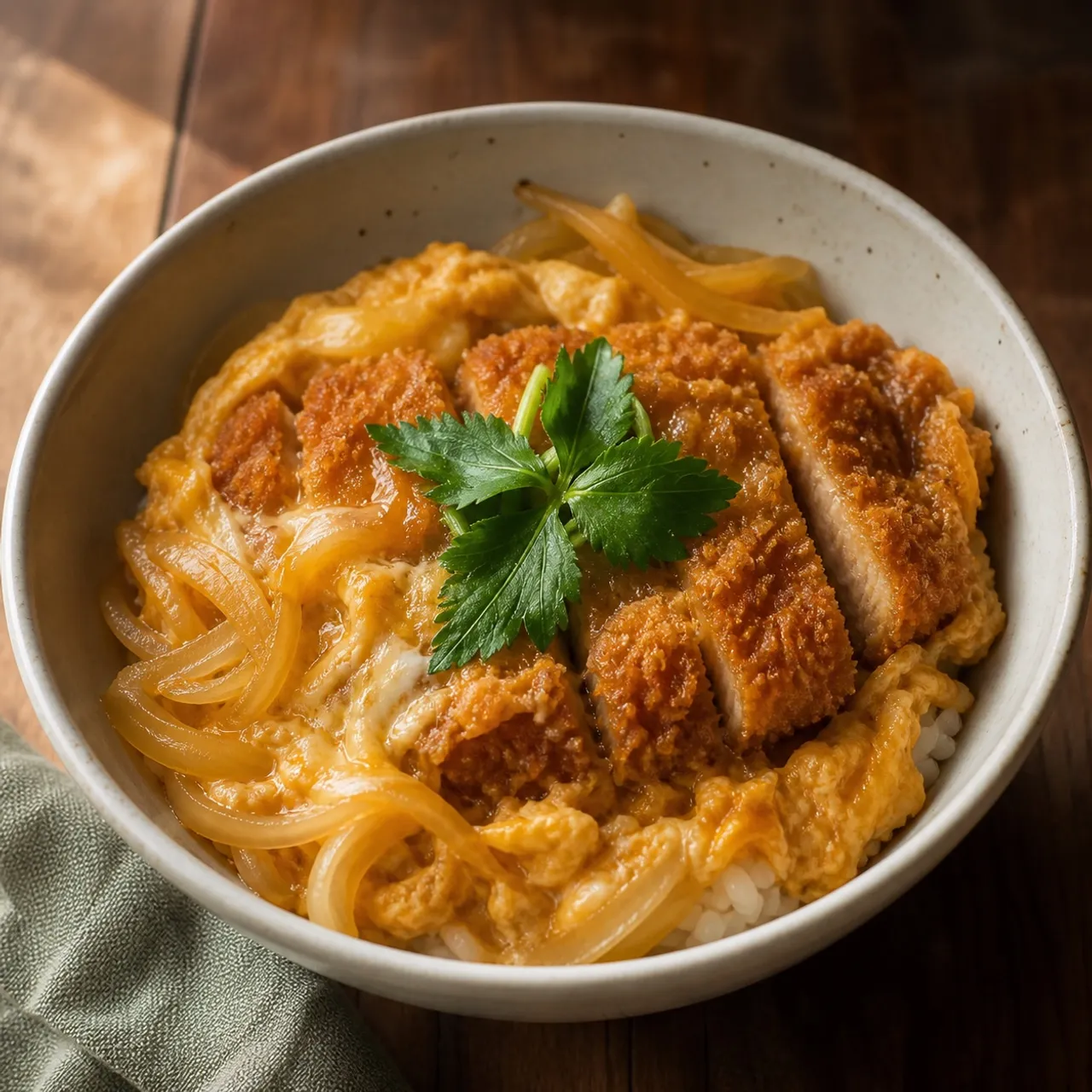
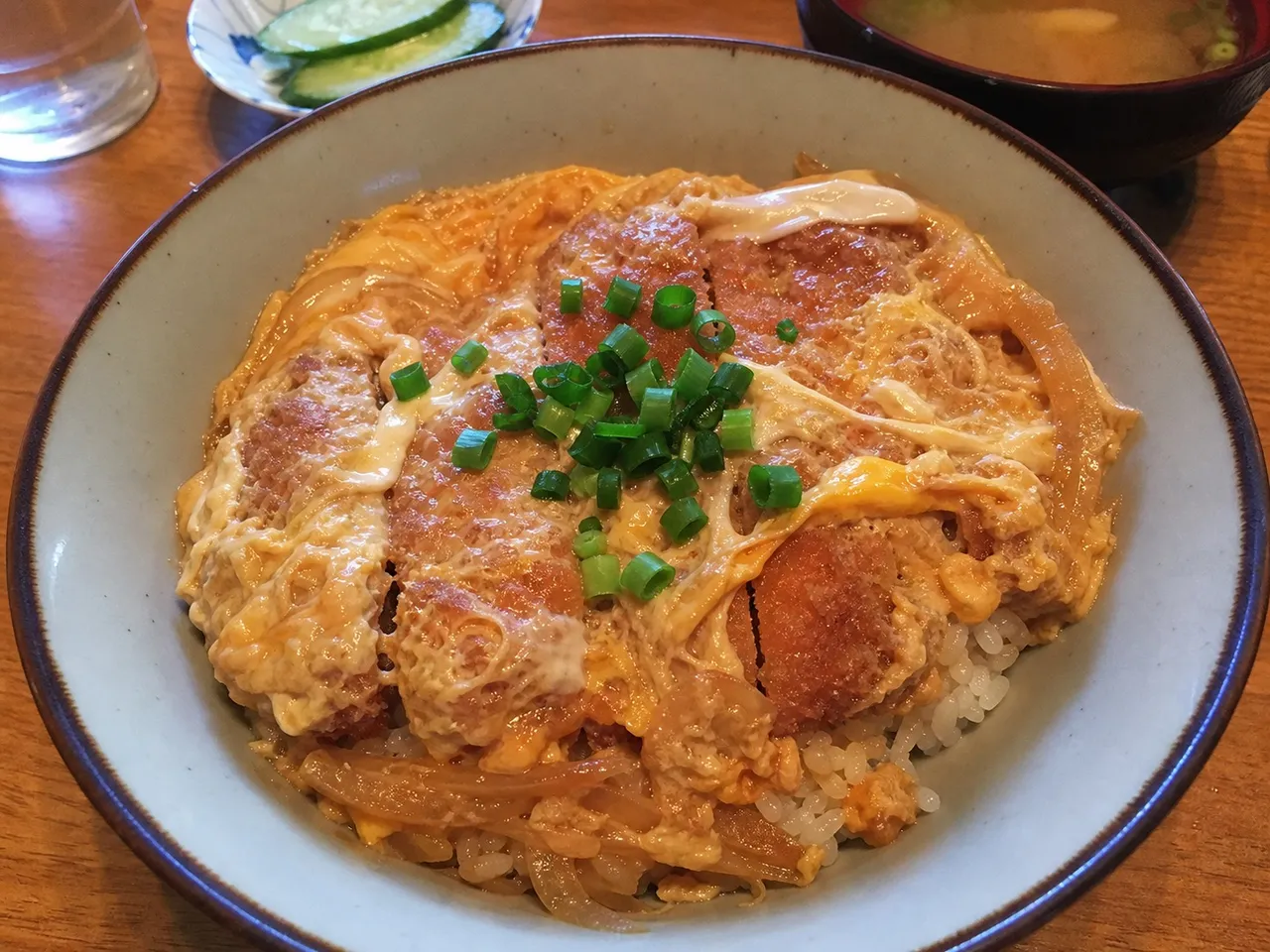
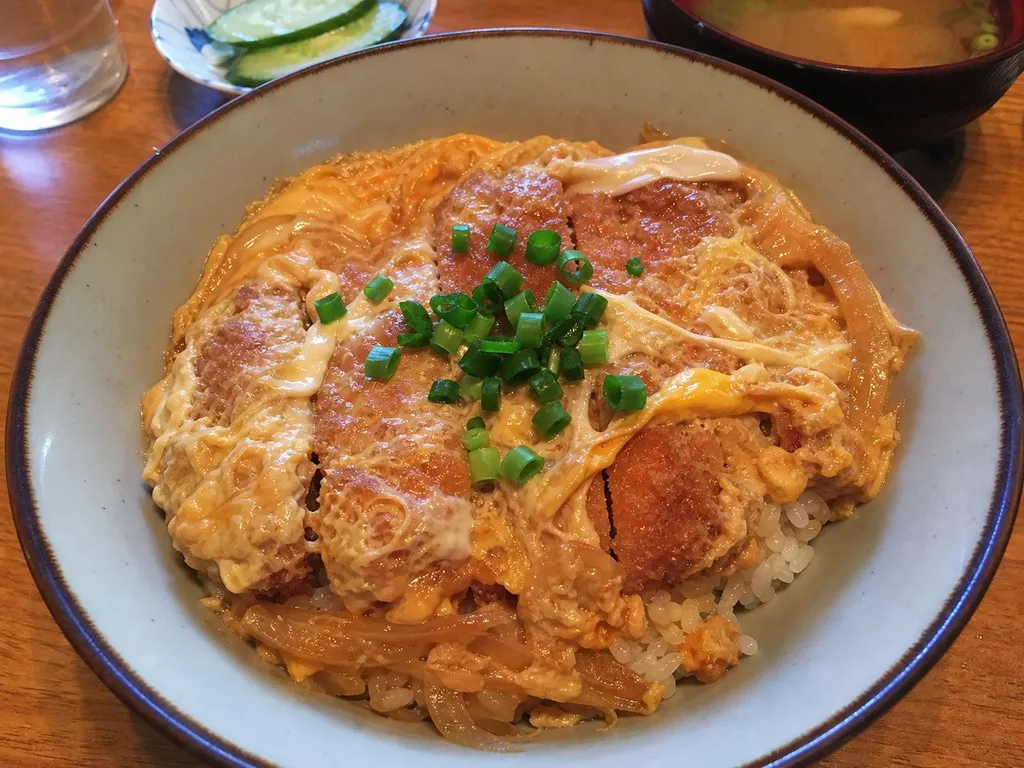
 Katsudon
A bowl of rice topped with a deep-fried pork cutlet, egg, and condiments.
Contains common allergens
In the app, Listahan checks these against your household automatically.
Good to know
- Ready in under 30 minutes
Matched from this dish's own ingredients and timing. Browse more: 30-minute meals
Instructions
6 steps- 1
Slice the cold or room-temperature tonkatsu into 3/4-inch thick strips, keeping the shape intact.
- 2
In a small, personal-sized skillet (an oyakonabe if available), combine the dashi, soy sauce, mirin, and sugar. Bring to a simmer.
- 3
Add the thinly sliced onions to the broth and simmer for 3-4 minutes until they are soft and sweet.
- 4
Carefully slide the sliced tonkatsu into the center of the pan, placing it directly on top of the onions. Let it simmer for 1 minute to heat the meat and absorb the sauce.
- 5
Drizzle the beaten eggs evenly over the pork and the surrounding broth. Cover the pan immediately and cook for 60-90 seconds until the eggs are softly set but still runny.
- 6
Uncover, top with a sprig of mitsuba, and gently slide the entire glorious mixture, sauce and all, straight out of the pan and over a large bowl of hot steamed rice.
 Images are for illustrative purposes only, may be inaccurate, and do not guarantee the presence or absence of specific ingredients.
 Listahan Family Score™
64/100
Works for many families
Score reflects how well this recipe fits a typical busy household. In the app, your Family Score is personalized to your household's allergens, kids, and pantry.
Nutrition
per serving60
Calories
4 g
Protein
4 g
Carbs
2 g
Fat
Estimated per serving. Actual values depend on the brands and portions you use.
Listahan cooking guide
Chef notes & practical guide
Technique notes, ingredient swaps, serve-alongside ideas, storage guidance, and equipment for this recipe.
Cultural context
Katsudon is comfort food born of thrift: a fried pork cutlet simmered with onion in sweet-savory broth, bound with barely-set egg, and tipped over hot rice. In Japan it carries a quiet good-luck reputation, often eaten before exams, since 'katsu' puns on the verb to win.
Listahan note
This version treats it as the fast second life of a cutlet you already have, leaning on a small pan and a soft, just-set egg rather than anything elaborate.
Technique cues
- Use a small, personal-sized pan so the broth stays deep around the cutlet and the egg sets in one tender layer.
- Pour the egg in and stop while it is still slightly runny; carryover heat finishes it, and a fully cooked egg turns rubbery.
- Slide the whole thing onto the rice in one motion so the soaked cutlet and the egg stay layered rather than stirred together.
Kitchen flow
- Parallel prep
- Have hot rice ready and the cutlet sliced before you start the pan; the cooking itself takes under five minutes.
- Make-ahead
- Best made to order, but the cutlet can be fried a day ahead and chilled; the egg must always be cooked fresh.
- Leftover move
- Leftover simmered onion and broth make a quick base for another donburi with chicken or tofu.
- Cleanup rhythm
- One small pan and the rice pot; the sweet sauce wipes out easily if you rinse the pan before it dries.
Ingredient brief
Role, handling, and swap guidance for each key ingredient.
Tonkatsu (pork cutlet)
The main event
Purpose: Its crisp panko crust soaks up the broth at the edges while staying meaty in the middle.
Handling: Slice it before it goes in the pan so it heats evenly and keeps its shape.
Adaptation: Chicken katsu makes a lighter version; a firm tofu cutlet is a vegetarian route.
Dashi
Savory broth base
Purpose: It gives the sauce its clean, oceanic backbone in just a few minutes.
Handling: Combine it with soy, mirin, and sugar and bring to a simmer before the cutlet goes in.
Adaptation: Instant dashi (hondashi) is the everyday standard; a kombu-only dashi keeps it vegetarian and fish-free.
Eggs
The binder and the soul
Purpose: Softly set egg is what turns separate parts into one cohesive bowl.
Handling: Beat them only loosely so streaks of white and yolk stay visible.
Adaptation: There is no real substitute; this dish is defined by the egg.
Yellow onion
Sweet aromatic
Purpose: Simmered onion melts into the broth and balances the salt with natural sweetness.
Handling: Slice it thin and cook until soft before the cutlet is added.
Adaptation: Leek or shallot work if that is what you have.
Mirin and soy sauce
Sweet-salty seasoning
Purpose: Together they make the glossy, faintly sweet sauce that defines donburi cooking.
Handling: Add them with the dashi so the flavors meld before simmering.
Adaptation: Use tamari for gluten-free; a little sake plus sugar can stand in for mirin.
Technique notes
- The doneness of the egg is the whole dish; pull it off the heat while it still jiggles and let the lid finish it.
- Do not stir once the egg goes in; you want set ribbons, not scramble.
- A day-old cutlet actually works better than fresh here, since it holds its shape in the broth.
Ingredient swaps
- Gluten-free direction
- Use a gluten-free panko cutlet and tamari instead of soy sauce.
- Fish-free, vegetarian direction
- Use a kombu-only or shiitake dashi and a tofu or chicken cutlet to avoid bonito and pork.
- Lower-sodium direction
- Cut back the soy sauce and lean on the mirin and dashi for flavor.
Serve alongside
- Miso soup
- Quick cabbage salad
- Japanese pickles (tsukemono)
- Blanched spinach with sesame
- Cold barley tea
- Green tea
- Light beer
Serving suggestions only — check pairings for your household's allergens.
Storage & reheating
- Best eaten immediately; the egg and crust both suffer from sitting.
- If you must, refrigerate up to 1 day and reheat gently, accepting a firmer egg.
- Do not freeze; the egg turns watery and the crust goes soft.
Equipment
- Small personal-sized skillet (an oyakonabe if available)
- A lid that fits the pan
- Sharp knife
- Rice cooker or pot
Make this household-aware
Listahan Pro checks this recipe against your household's allergens, finds pantry-aware swaps, builds the shopping list, and helps you plan the week around it.
Plan it in Listahan
Add Katsudon to your week, check it against your household's allergens, and build the shopping list automatically.
More Japanese recipes
 Japanese Lens Verified Images are for illustrative purposes only, may be inaccurate, and do not guarantee the presence or absence of specific ingredients.
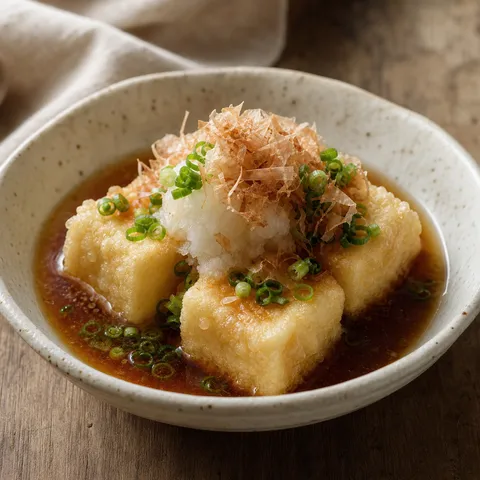
 Agedashi Tofu
Lightly fried tofu dusted in potato starch and served in a warm dashi-soy-mirin broth, topped with grated daikon and bonito flakes, a classic Japanese izakaya starter.
 Japanese Lens Verified Images are for illustrative purposes only, may be inaccurate, and do not guarantee the presence or absence of specific ingredients.
 Katsu Curry
A Japanese recipe: Katsu Curry.
 Japanese Lens Verified Images are for illustrative purposes only, may be inaccurate, and do not guarantee the presence or absence of specific ingredients.
 Chicken Teriyaki
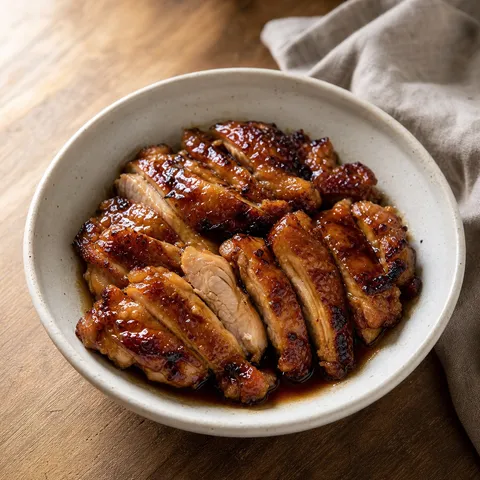
Enjoy tender, juicy chicken glazed in a deeply flavorful, glossy sweet soy sauce, perfectly caramelized to sticky perfection.