 Japanese Images are for illustrative purposes only, may be inaccurate, and do not guarantee the presence or absence of specific ingredients.
  Serving Images are for illustrative purposes only, may be inaccurate, and do not guarantee the presence or absence of specific ingredients.
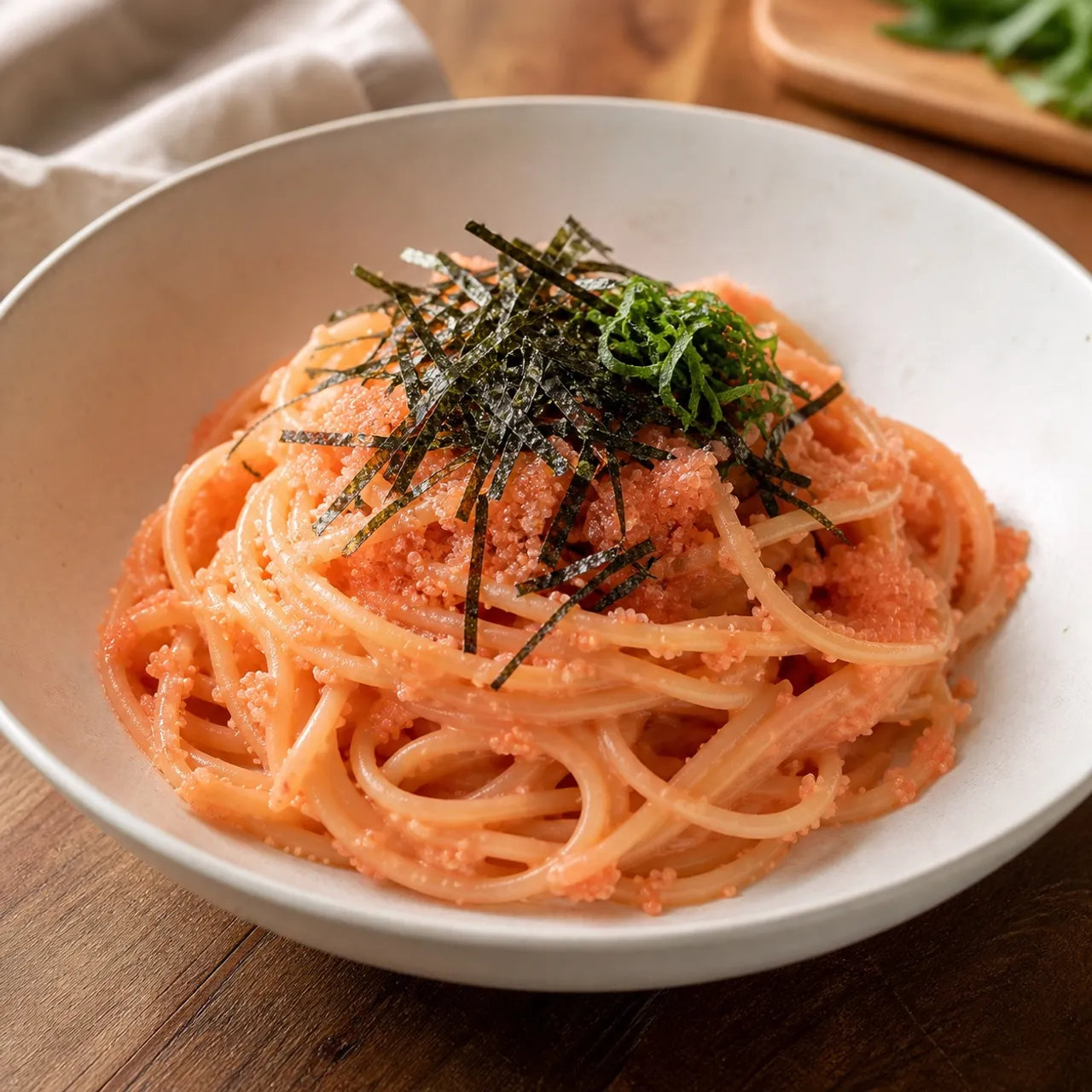
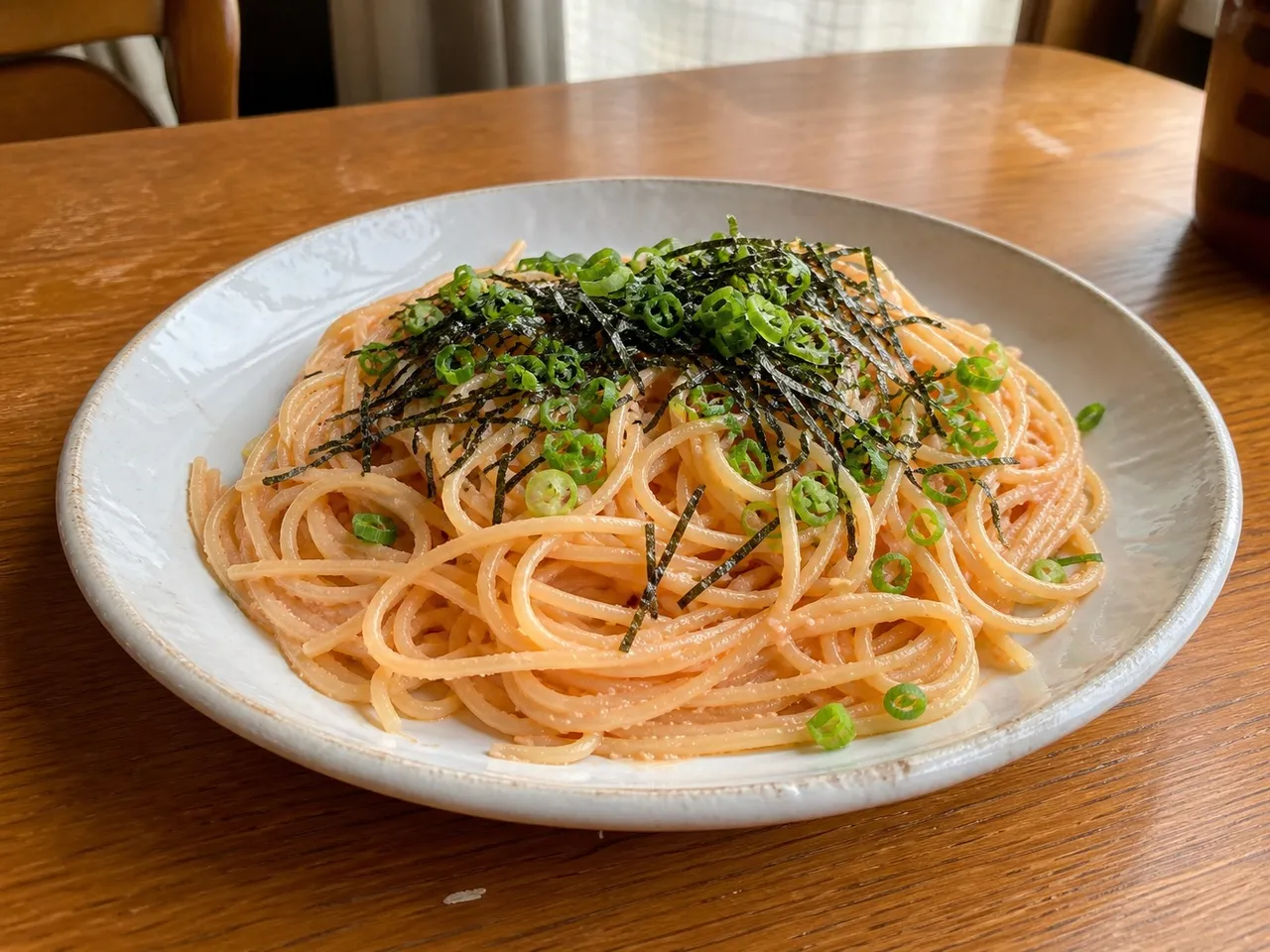
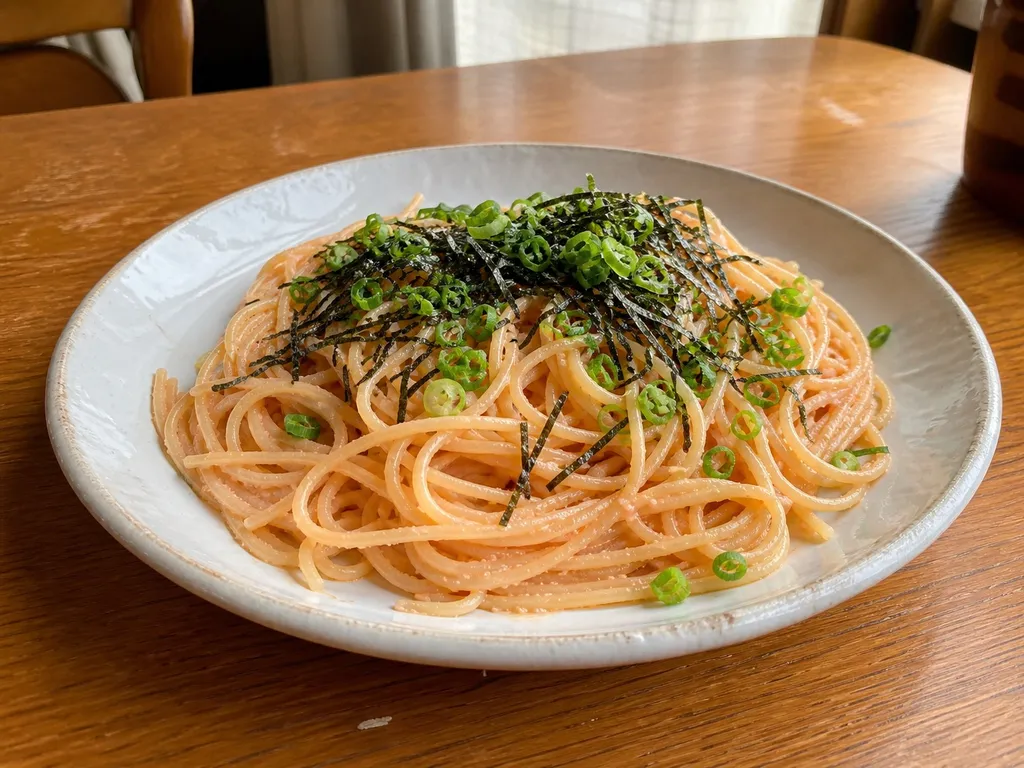
 Mentaiko Pasta
A quick wafu spaghetti tossed in a creamy, briny sauce of spicy pollock roe, butter, and a touch of cream, finished with nori.
Contains common allergens
In the app, Listahan checks these against your household automatically.
Good to know
- Ready in under 30 minutes
Matched from this dish's own ingredients and timing. Browse more: 30-minute meals
Instructions
5 steps- 1
Bring a large pot of salted water to a boil and cook the spaghetti according to package directions until al dente, reserving 1/4 cup of pasta water before draining.
- 2
While the pasta cooks, slit the mentaiko sacs lengthwise and scrape the roe into a large bowl, discarding the thin membranes.
- 3
Add the softened butter, heavy cream, and soy sauce to the roe and mash together with a fork into a smooth, pale-pink paste.
- 4
Add the hot drained spaghetti directly to the bowl and toss quickly off the heat so the residual warmth thickens the sauce without scrambling the roe, loosening with a splash of reserved pasta water if needed.
- 5
Divide between two plates and top with the nori strips and sliced scallion, serving immediately while warm.
 Images are for illustrative purposes only, may be inaccurate, and do not guarantee the presence or absence of specific ingredients.
 Listahan Family Score™
58/100
Works for many families
Score reflects how well this recipe fits a typical busy household. In the app, your Family Score is personalized to your household's allergens, kids, and pantry.
Nutrition
per serving650
Calories
16 g
Protein
86 g
Carbs
27 g
Fat
Estimated per serving. Actual values depend on the brands and portions you use.
Listahan cooking guide
Chef notes & practical guide
Technique notes, ingredient swaps, serve-alongside ideas, storage guidance, and equipment for this recipe.
Cultural context
Mentaiko pasta is a wafu (Japanese-style) spaghetti dressed in spicy pollock roe, butter, and cream, a Tokyo creation that turned a beloved rice topping into a quick, rich pasta. The roe is never cooked, only warmed by the hot noodles, keeping its delicate pop and flavor.
Listahan note
This version makes a no-cook roe-and-butter sauce and tosses it off the heat, the key to keeping mentaiko silky instead of grainy.
Technique cues
- Remove the thin membrane from the roe sacs so the sauce is smooth and not stringy.
- Toss off the heat; residual warmth from the pasta is enough, and direct heat scrambles the roe into grit.
- Loosen with a splash of starchy pasta water so the sauce coats every strand.
Kitchen flow
- Parallel prep
- Make the roe-butter sauce in a big bowl while the pasta boils so the hot noodles go straight in.
- Make-ahead
- Best fresh; the sauce can be mixed ahead, but toss with hot pasta to order so the roe stays silky.
- Leftover move
- Reheat gently with a splash of water, accepting that the roe firms a little; or eat cold as a pasta salad.
- Cleanup rhythm
- One bowl and the pasta pot; rinse the bowl right away.
Ingredient brief
Role, handling, and swap guidance for each key ingredient.
Mentaiko (spicy pollock roe)
The sauce and the point
Purpose: The salty, spicy roe is the entire flavor of the dish.
Handling: Slit the sacs and scrape out the roe, discarding the membrane.
Adaptation: Tarako (un-spiced pollock roe) makes a milder version; there is no true substitute for the roe itself.
Butter and cream
Richness
Purpose: They make the no-cook sauce luscious and carry the roe.
Handling: Mash the softened butter and cream into the roe into a smooth paste.
Adaptation: More butter and less cream gives a richer, less creamy version; both are common.
Spaghetti
The body
Purpose: Long pasta twirls up the silky roe sauce.
Handling: Cook al dente and reserve pasta water before draining.
Adaptation: Any long pasta works; gluten-free spaghetti adapts it.
Soy sauce
Savory depth
Purpose: A teaspoon adds the wafu savory note that ties it to Japanese flavors.
Handling: Mash into the roe sauce.
Adaptation: Use tamari for gluten-free; dashi powder adds umami too.
Nori and scallion
The garnish
Purpose: Crisp nori strips and fresh scallion are the classic, essential finish.
Handling: Scatter over each plate just before serving.
Adaptation: Shiso or a little extra scallion work.
Technique notes
- The no-cook toss is the whole technique; cooking the roe ruins its texture and turns the sauce grainy.
- Reserve pasta water before draining; it is what makes the sauce cling rather than clump.
- Taste before adding salt; mentaiko is already quite salty.
Ingredient swaps
- Milder direction
- Use tarako (non-spicy roe) instead of spicy mentaiko.
- Gluten-free direction
- Use gluten-free pasta and tamari instead of soy sauce.
- Lighter direction
- Skip the cream and use just butter and a little pasta water for a lighter sauce.
Serve alongside
- Simple green salad
- Miso soup
- Japanese pickles
- Edamame
- Crisp white wine
- Cold barley tea
- Sparkling water
Serving suggestions only — check pairings for your household's allergens.
Storage & reheating
- Best eaten fresh; the roe sauce is at its prime right after tossing.
- Refrigerate up to 1 day and reheat gently, accepting a firmer roe.
- Do not freeze; the cream-and-roe sauce separates.
Equipment
- Large bowl
- Pot for pasta
- Fork for mashing the roe
- Tongs
Make this household-aware
Listahan Pro checks this recipe against your household's allergens, finds pantry-aware swaps, builds the shopping list, and helps you plan the week around it.
Plan it in Listahan
Add Mentaiko Pasta to your week, check it against your household's allergens, and build the shopping list automatically.
More Japanese recipes
 Japanese Lens Verified Images are for illustrative purposes only, may be inaccurate, and do not guarantee the presence or absence of specific ingredients.
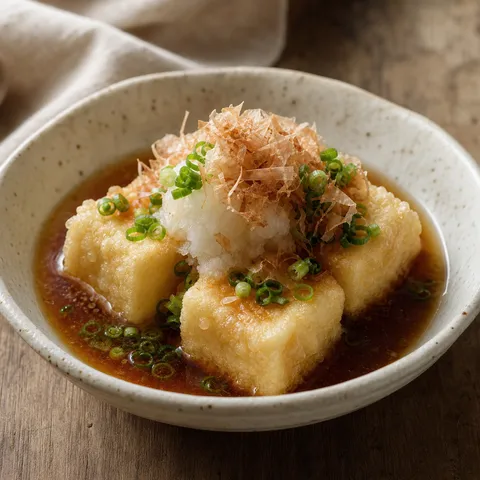
 Agedashi Tofu
Lightly fried tofu dusted in potato starch and served in a warm dashi-soy-mirin broth, topped with grated daikon and bonito flakes, a classic Japanese izakaya starter.
 Japanese Lens Verified Images are for illustrative purposes only, may be inaccurate, and do not guarantee the presence or absence of specific ingredients.
 Katsu Curry
A Japanese recipe: Katsu Curry.
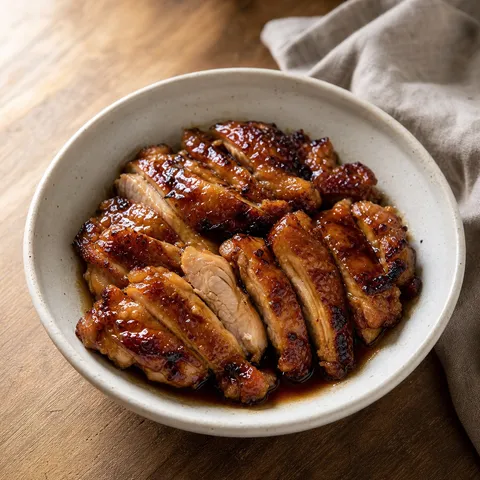 Japanese Lens Verified Images are for illustrative purposes only, may be inaccurate, and do not guarantee the presence or absence of specific ingredients.
 Chicken Teriyaki
Enjoy tender, juicy chicken glazed in a deeply flavorful, glossy sweet soy sauce, perfectly caramelized to sticky perfection.