 Japanese Images are for illustrative purposes only, may be inaccurate, and do not guarantee the presence or absence of specific ingredients.
  Serving Images are for illustrative purposes only, may be inaccurate, and do not guarantee the presence or absence of specific ingredients.
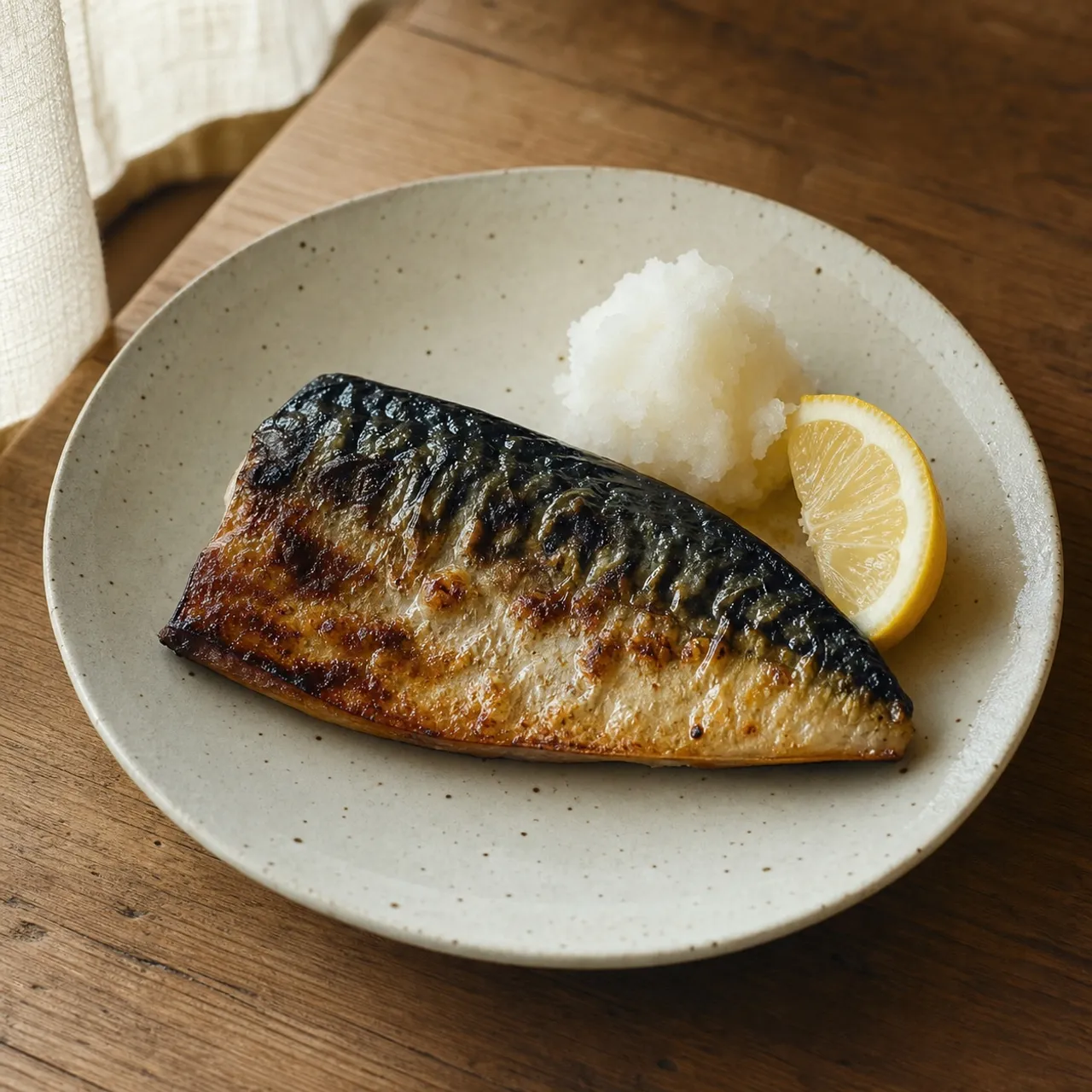
 Saba Shioyaki (Grilled Mackerel)
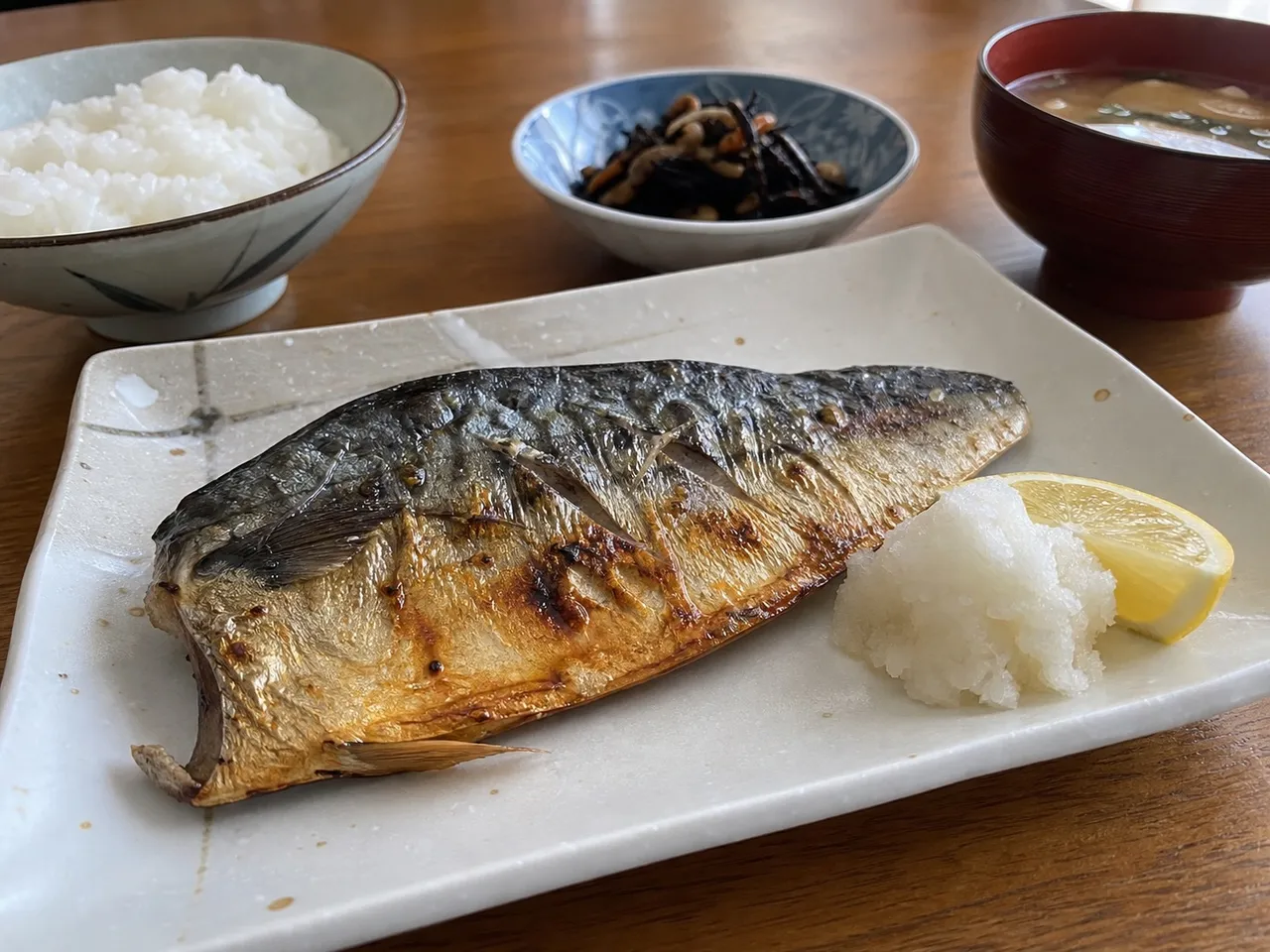
Salt-cured mackerel fillets broiled until the skin blisters and crisps over moist, flaky flesh, served with grated daikon and lemon.
Contains common allergens
In the app, Listahan checks these against your household automatically.
Good to know
- Crispy
Matched from this dish's own ingredients and timing. Browse more: crispy recipes
Instructions
5 steps- 1
Pat the mackerel fillets dry, sprinkle both sides evenly with the salt, and rest skin-side up on a rack for 20 minutes to draw out moisture and firm the flesh.
- 2
Blot away the surface moisture and any beads that have formed, then brush the fillets lightly with the sake to suppress fishiness and add aroma.
- 3
Position an oven rack 6 inches below the broiler, preheat on high, and line a foil-covered tray with a lightly oiled rack.
- 4
Broil the fillets skin-side up for 6 to 7 minutes until the skin is blistered and golden, then flip and broil 3 to 4 minutes more until the flesh flakes easily and reaches 145°F.
- 5
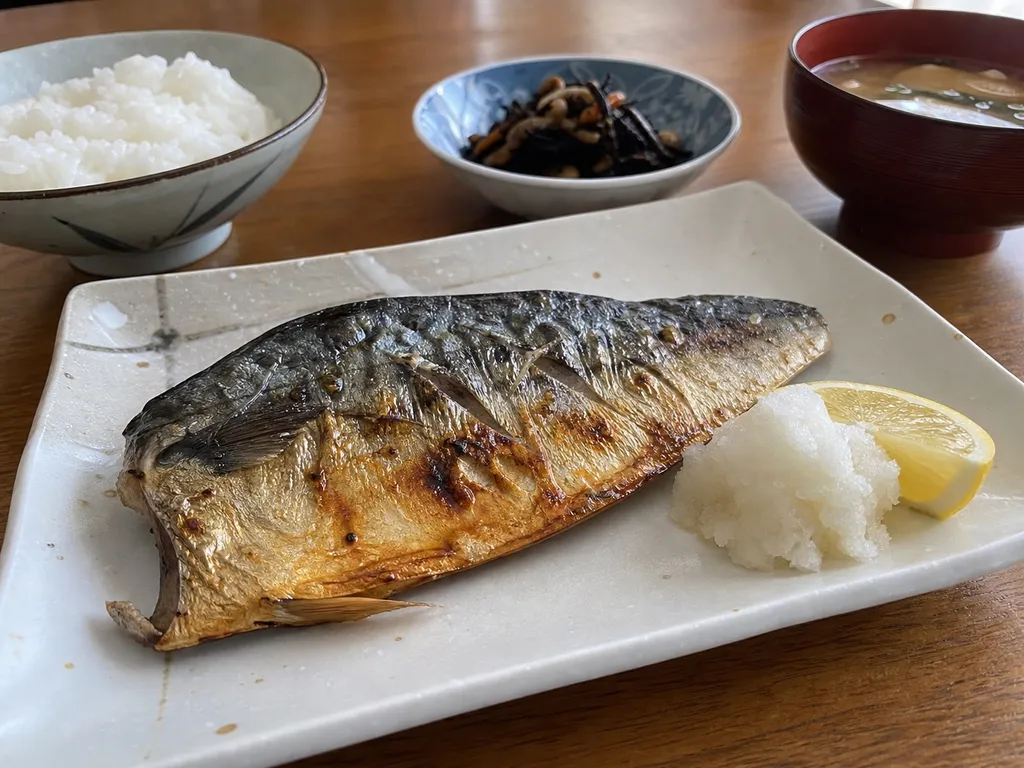
Plate each fillet, mound the grated daikon to one side, and serve with lemon wedges and a small dish of soy sauce for dipping the radish.
 Images are for illustrative purposes only, may be inaccurate, and do not guarantee the presence or absence of specific ingredients.
 Listahan Family Score™
65/100
Works for many families
Score reflects how well this recipe fits a typical busy household. In the app, your Family Score is personalized to your household's allergens, kids, and pantry.
Nutrition
per serving10
Calories
0 g
Protein
2 g
Carbs
0 g
Fat
Estimated per serving. Actual values depend on the brands and portions you use.
Listahan cooking guide
Chef notes & practical guide
Technique notes, ingredient swaps, serve-alongside ideas, storage guidance, and equipment for this recipe.
Cultural context
Saba shioyaki is salt-grilled mackerel, one of the most common fish dishes on the Japanese home and breakfast table. Shioyaki, meaning salt-grilled, is a method as much as a recipe: salt the fish, grill the skin crisp, and serve with grated daikon and lemon.
Listahan note
This version salts the mackerel ahead to firm the flesh and tame its oiliness, then broils it skin-up first so the skin blisters and crisps.
Technique cues
- Salt the fish and rest it 20 minutes, then blot; the salt draws out moisture that would otherwise steam the skin and carries off the fishy edge.
- A light brush of sake before grilling further suppresses any strong odor and adds aroma.
- Broil skin-side up first so the skin blisters and crisps before you flip to finish the flesh.
Kitchen flow
- Parallel prep
- Salt and rest the fish while you start rice and grate the daikon; the broil itself is about ten minutes.
- Make-ahead
- Salt the fish ahead and keep it chilled; grill fresh, since reheated grilled fish loses its crisp skin.
- Leftover move
- Flake leftover mackerel into ochazuke or a rice ball, or over a salad.
- Cleanup rhythm
- Line the tray with foil; soak the rack right away to release the fish oils.
Ingredient brief
Role, handling, and swap guidance for each key ingredient.
Mackerel fillets
The fish
Purpose: Oily, full-flavored mackerel is ideal for the simple salt-grill treatment.
Handling: Pat dry, salt, rest, and blot before grilling.
Adaptation: Other oily fish like Spanish mackerel or bluefish work with the same method.
Kosher salt
Seasoning and texture
Purpose: Salt both seasons and firms the flesh while drawing out excess moisture and odor.
Handling: Sprinkle evenly on both sides and rest 20 minutes.
Adaptation: Sea salt works; the resting step matters more than the type.
Sake
Odor suppressant and aroma
Purpose: A light brush tames the fishiness and adds a clean aroma.
Handling: Brush on after blotting, just before grilling.
Adaptation: A splash of rice vinegar or a squeeze of lemon can help similarly.
Grated daikon
The classic accompaniment
Purpose: Its clean, slightly peppery bite cuts the richness of the oily fish.
Handling: Grate and lightly squeeze, then mound beside the fish.
Adaptation: Grated radish or a sharp pickle can stand in.
Lemon
Bright finish
Purpose: A squeeze of citrus lifts the rich grilled fish.
Handling: Serve in wedges to squeeze at the table.
Adaptation: Sudachi or yuzu are traditional; any citrus works.
Technique notes
- The salt-and-rest step is what makes home mackerel taste clean instead of strong; do not skip it.
- Watch for the skin to blister and color before flipping; the crisp skin is half the pleasure.
- Serve immediately with daikon and lemon; the fish is best straight off the heat.
Ingredient swaps
- Different-fish direction
- Use salmon, Spanish mackerel, or another oily fish with the same salt-grill method.
- Lower-sodium direction
- Salt more lightly and lean on the lemon and daikon for brightness.
- Stovetop direction
- Pan-grill in a nonstick or grill pan if you do not have a broiler, skin-side down first.
Serve alongside
- Steamed rice
- Miso soup
- Japanese pickles
- Grated daikon with soy
- Green tea
- Chilled sake
- Barley tea
Serving suggestions only — check pairings for your household's allergens.
Storage & reheating
- Refrigerate cooked fish up to 2 days; the skin softens.
- Reheat gently in a low oven or repurpose into ochazuke rather than re-crisping.
- Freeze salted uncooked fillets up to 1 month; thaw in the fridge, then grill.
Equipment
- Broiler or grill
- Foil-lined tray with a rack
- Fish spatula
- Grater for the daikon
Make this household-aware
Listahan Pro checks this recipe against your household's allergens, finds pantry-aware swaps, builds the shopping list, and helps you plan the week around it.
Plan it in Listahan
Add Saba Shioyaki (Grilled Mackerel) to your week, check it against your household's allergens, and build the shopping list automatically.
More Japanese recipes
 Japanese Lens Verified Images are for illustrative purposes only, may be inaccurate, and do not guarantee the presence or absence of specific ingredients.
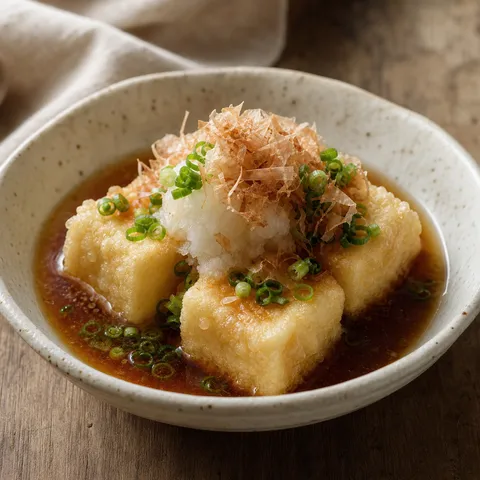
 Agedashi Tofu
Lightly fried tofu dusted in potato starch and served in a warm dashi-soy-mirin broth, topped with grated daikon and bonito flakes, a classic Japanese izakaya starter.
 Japanese Lens Verified Images are for illustrative purposes only, may be inaccurate, and do not guarantee the presence or absence of specific ingredients.
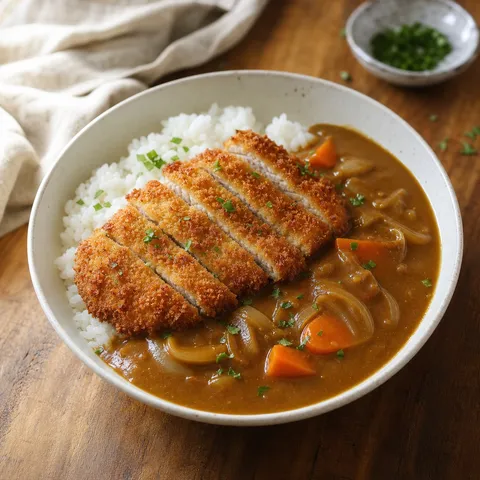
 Katsu Curry
A Japanese recipe: Katsu Curry.
 Japanese Lens Verified Images are for illustrative purposes only, may be inaccurate, and do not guarantee the presence or absence of specific ingredients.
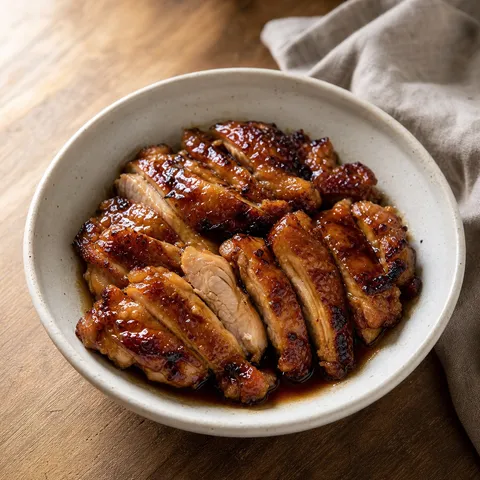
 Chicken Teriyaki
Enjoy tender, juicy chicken glazed in a deeply flavorful, glossy sweet soy sauce, perfectly caramelized to sticky perfection.