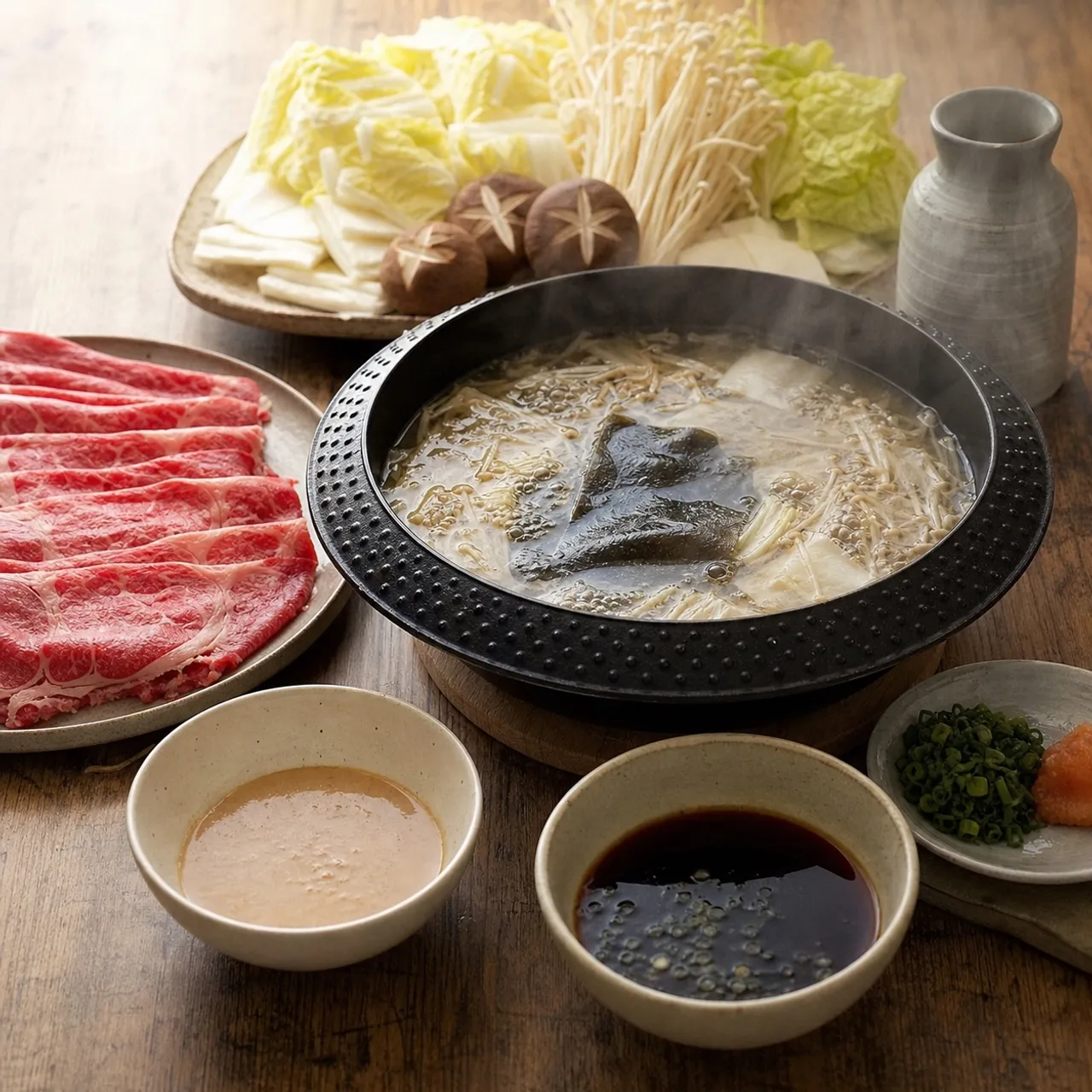
 Japanese Images are for illustrative purposes only, may be inaccurate, and do not guarantee the presence or absence of specific ingredients.
 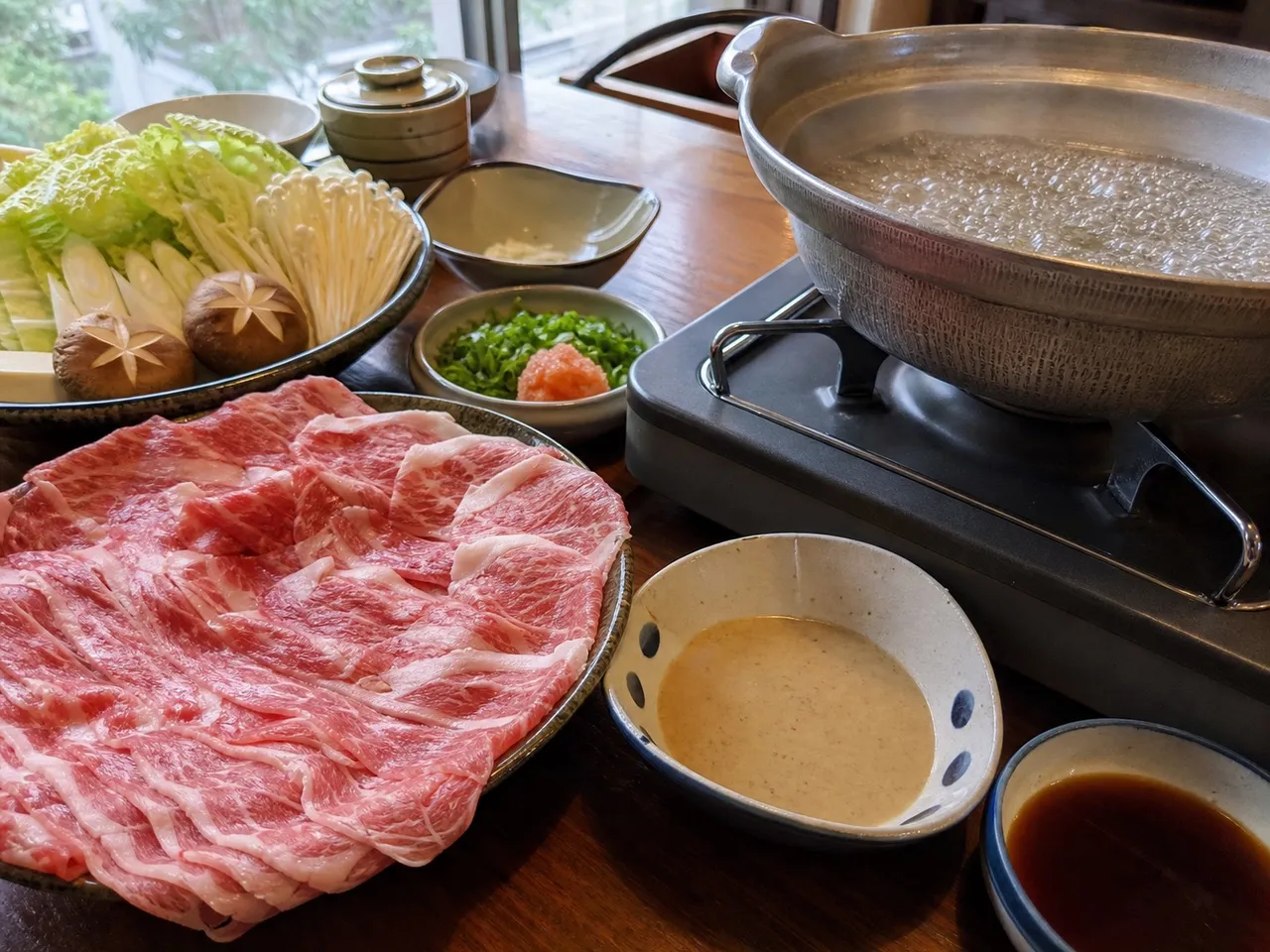 Serving Images are for illustrative purposes only, may be inaccurate, and do not guarantee the presence or absence of specific ingredients.
 Shabu Shabu
A hot pot dish where very thin slices of meat are quickly swished in boiling broth.
Contains common allergens
In the app, Listahan checks these against your household automatically.
Good to know
- One-pot
- Ready in under 30 minutes
Matched from this dish's own ingredients and timing. Browse more: one-pot dinners30-minute meals
Instructions
6 steps- 1
Place the piece of kombu in a large donabe (clay pot) or fondue pot filled with 6 cups of water and let it soak for 30 minutes.
- 2
Arrange the raw, thinly sliced meat beautifully on a chilled platter. Place the cabbage and mushrooms on a separate platter.
- 3
Heat the pot over a tabletop burner. Right before the water comes to a boil, remove and discard the kombu to prevent the broth from becoming bitter.
- 4
Diners use their own chopsticks to pick up a single slice of meat and gently swish it back and forth in the simmering broth (saying "shabu shabu") for 5-10 seconds until just cooked and no longer pink.
- 5
Dip the hot meat directly into small bowls of either citrusy ponzu or creamy sesame sauce and eat immediately.
- 6
Periodically add vegetables and mushrooms to the broth to cook, eating them as they soften, and skimming the fat from the broth's surface as needed.
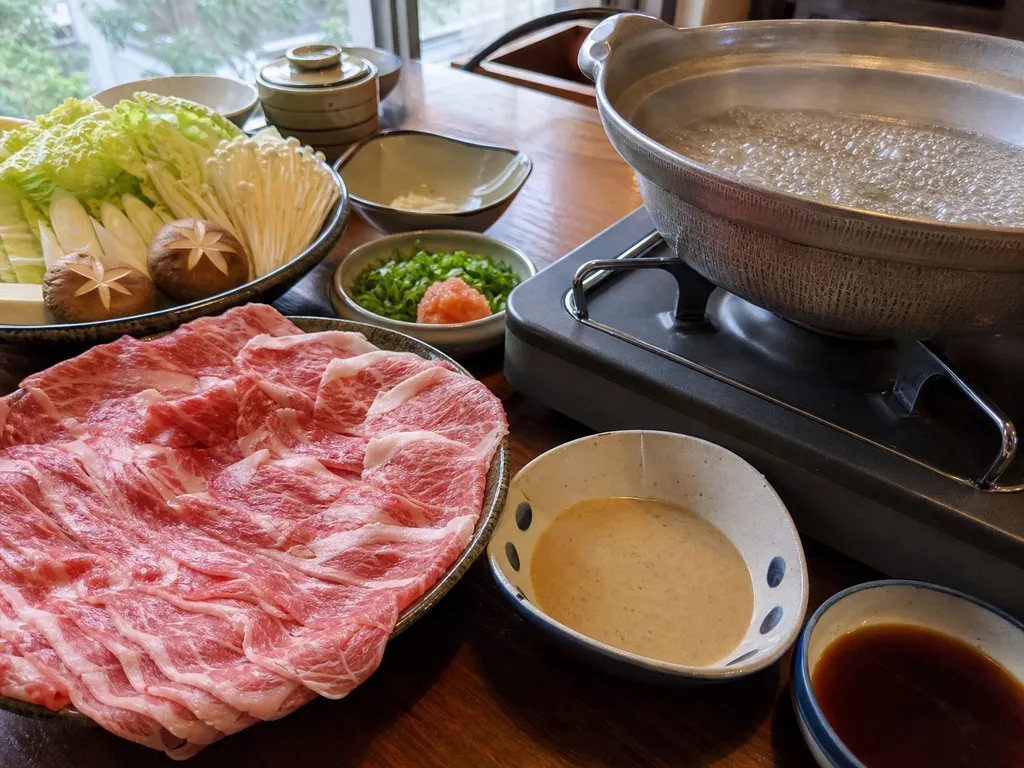 Images are for illustrative purposes only, may be inaccurate, and do not guarantee the presence or absence of specific ingredients.
 Listahan Family Score™
63/100
Works for many families
Score reflects how well this recipe fits a typical busy household. In the app, your Family Score is personalized to your household's allergens, kids, and pantry.
Nutrition
per serving395
Calories
42 g
Protein
7 g
Carbs
21 g
Fat
Estimated per serving. Actual values depend on the brands and portions you use.
Listahan cooking guide
Chef notes & practical guide
Technique notes, ingredient swaps, serve-alongside ideas, storage guidance, and equipment for this recipe.
Cultural context
Shabu shabu is a kombu-broth hot pot named for the swishing sound (shabu shabu) of thin meat cooked slice by slice in simmering water, then dipped in ponzu or sesame sauce. Lighter than sukiyaki, it is about the quality of the meat and the freshness of the vegetables rather than a heavy sauce.
Listahan note
This version keeps the broth deliberately plain, just kombu and water, so the dipping sauces and the meat carry the flavor, with the one rule that matters: pull the kombu before it boils.
Technique cues
- Remove the kombu right before the water boils; boiled kombu turns the broth bitter and slimy.
- Swish each slice of meat for only 5 to 10 seconds, just until it loses its pink; longer and it toughens.
- Cook vegetables and meat in rounds and skim the surface as you go to keep the broth clean.
Kitchen flow
- Parallel prep
- Soak the kombu ahead, then slice and plate the meat and vegetables and portion the sauces before everyone sits.
- Make-ahead
- The sauces can be made ahead; the meat and vegetables are prepped raw shortly before cooking.
- Leftover move
- At the end, cook udon or rice in the rich, meaty broth for a comforting finish (shime).
- Cleanup rhythm
- Strain the broth before discarding; rinse the pot and dipping bowls right away.
Ingredient brief
Role, handling, and swap guidance for each key ingredient.
Ultra-thinly sliced ribeye or pork
The centerpiece
Purpose: Paper-thin meat cooks in seconds with a single swish, staying tender.
Handling: Keep cold and arrange on a chilled platter; cook one slice at a time.
Adaptation: Thinly sliced beef or pork both work; ask the butcher to slice it shabu-thin.
Kombu (dried kelp)
The broth base
Purpose: A single piece of kelp gives the water a clean, savory backbone without clouding it.
Handling: Soak it in the water, then pull it just before boiling.
Adaptation: A light dashi can be used, though the classic version is just kombu and water.
Napa cabbage and mushrooms
The vegetables
Purpose: They sweeten the broth as they cook and round out the meal.
Handling: Chop the cabbage and trim the enoki and shiitake; add in rounds to cook.
Adaptation: Tofu, greens, and other quick-cooking vegetables all suit the pot.
Ponzu sauce
Citrus dipping sauce
Purpose: Its bright, tart soy-citrus flavor cuts the richness of the meat.
Handling: Serve cold in individual dipping bowls.
Adaptation: A homemade soy-and-citrus blend works; use a tamari-based ponzu for gluten-free.
Goma (sesame) sauce
Creamy dipping sauce
Purpose: A rich, nutty sesame sauce is the second classic dip alongside the bright ponzu.
Handling: Serve cold in individual bowls.
Adaptation: Skip for a sesame-free table, or use a sesame-free peanut-style sauce if no nut allergy applies.
Technique notes
- Pull the kombu before the boil; it is the single rule that keeps the broth clean and sweet.
- Do not crowd the pot; cooking slice by slice is the whole point and keeps the broth from cooling.
- Finish with udon or rice in the broth, which has become a meal in itself by the end.
Ingredient swaps
- Sesame-free direction
- Serve only the ponzu and skip the goma sesame sauce.
- Gluten-free direction
- Use a tamari-based ponzu and confirm the sesame sauce contains no wheat.
- Vegetarian direction
- Skip the meat and build the pot around tofu, mushrooms, and greens with the same dips.
Serve alongside
- Steamed rice
- Japanese pickles
- Edamame
- Udon for the finish
- Chilled sake
- Green tea
- Barley tea
Serving suggestions only — check pairings for your household's allergens.
Storage & reheating
- Refrigerate leftover cooked food and strained broth separately for up to 2 days.
- Reheat the broth gently and re-swish or warm the leftovers in it.
- Sauces keep up to a week refrigerated; never reuse a dipping bowl that touched raw meat.
Equipment
- Donabe or wide pot
- Tabletop burner (optional)
- Chilled platters for the raw meat
- Small dipping bowls
Make this household-aware
Listahan Pro checks this recipe against your household's allergens, finds pantry-aware swaps, builds the shopping list, and helps you plan the week around it.
Plan it in Listahan
Add Shabu Shabu to your week, check it against your household's allergens, and build the shopping list automatically.
More Japanese recipes
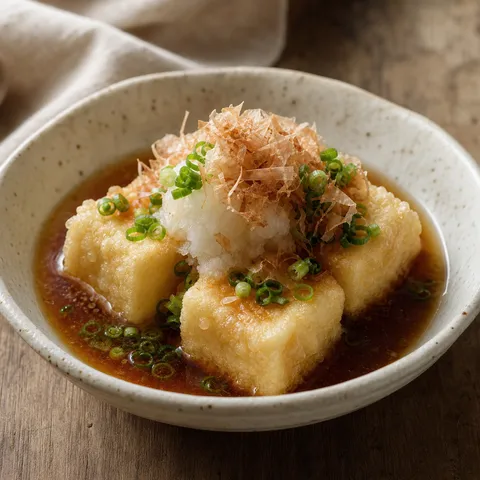 Japanese Lens Verified Images are for illustrative purposes only, may be inaccurate, and do not guarantee the presence or absence of specific ingredients.
 Agedashi Tofu
Lightly fried tofu dusted in potato starch and served in a warm dashi-soy-mirin broth, topped with grated daikon and bonito flakes, a classic Japanese izakaya starter.
 Japanese Lens Verified Images are for illustrative purposes only, may be inaccurate, and do not guarantee the presence or absence of specific ingredients.
 Katsu Curry
A Japanese recipe: Katsu Curry.
 Japanese Lens Verified Images are for illustrative purposes only, may be inaccurate, and do not guarantee the presence or absence of specific ingredients.
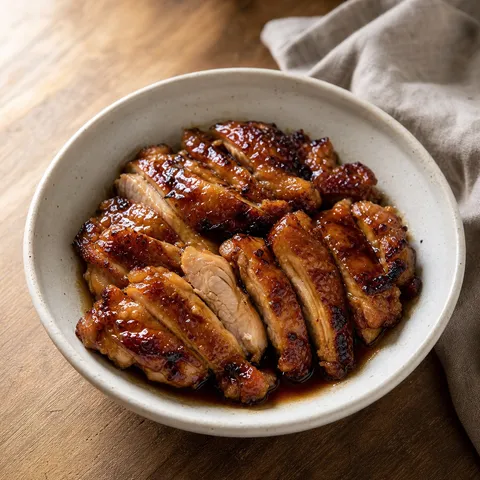
 Chicken Teriyaki
Enjoy tender, juicy chicken glazed in a deeply flavorful, glossy sweet soy sauce, perfectly caramelized to sticky perfection.