 Japanese Images are for illustrative purposes only, may be inaccurate, and do not guarantee the presence or absence of specific ingredients.
  Serving Images are for illustrative purposes only, may be inaccurate, and do not guarantee the presence or absence of specific ingredients.
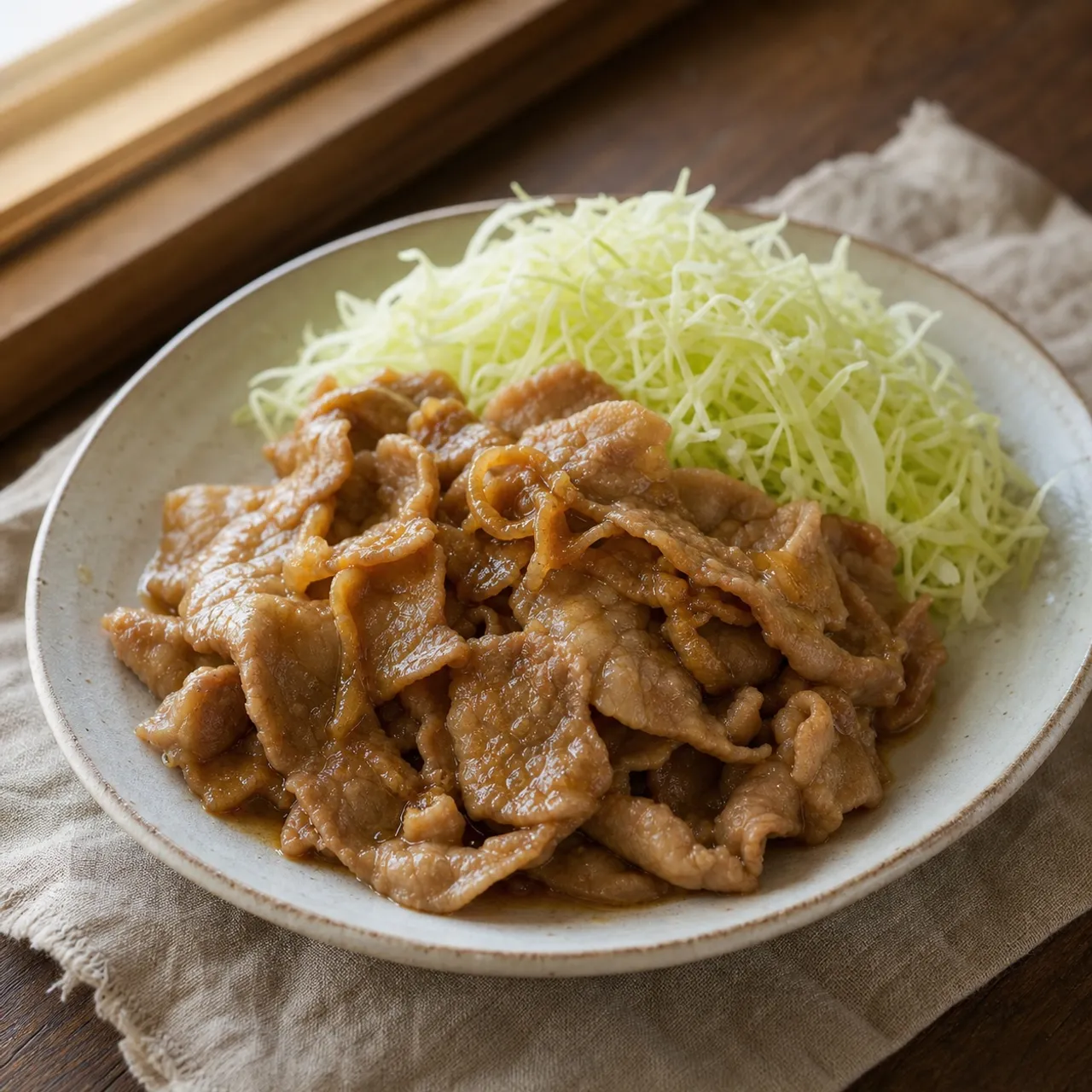
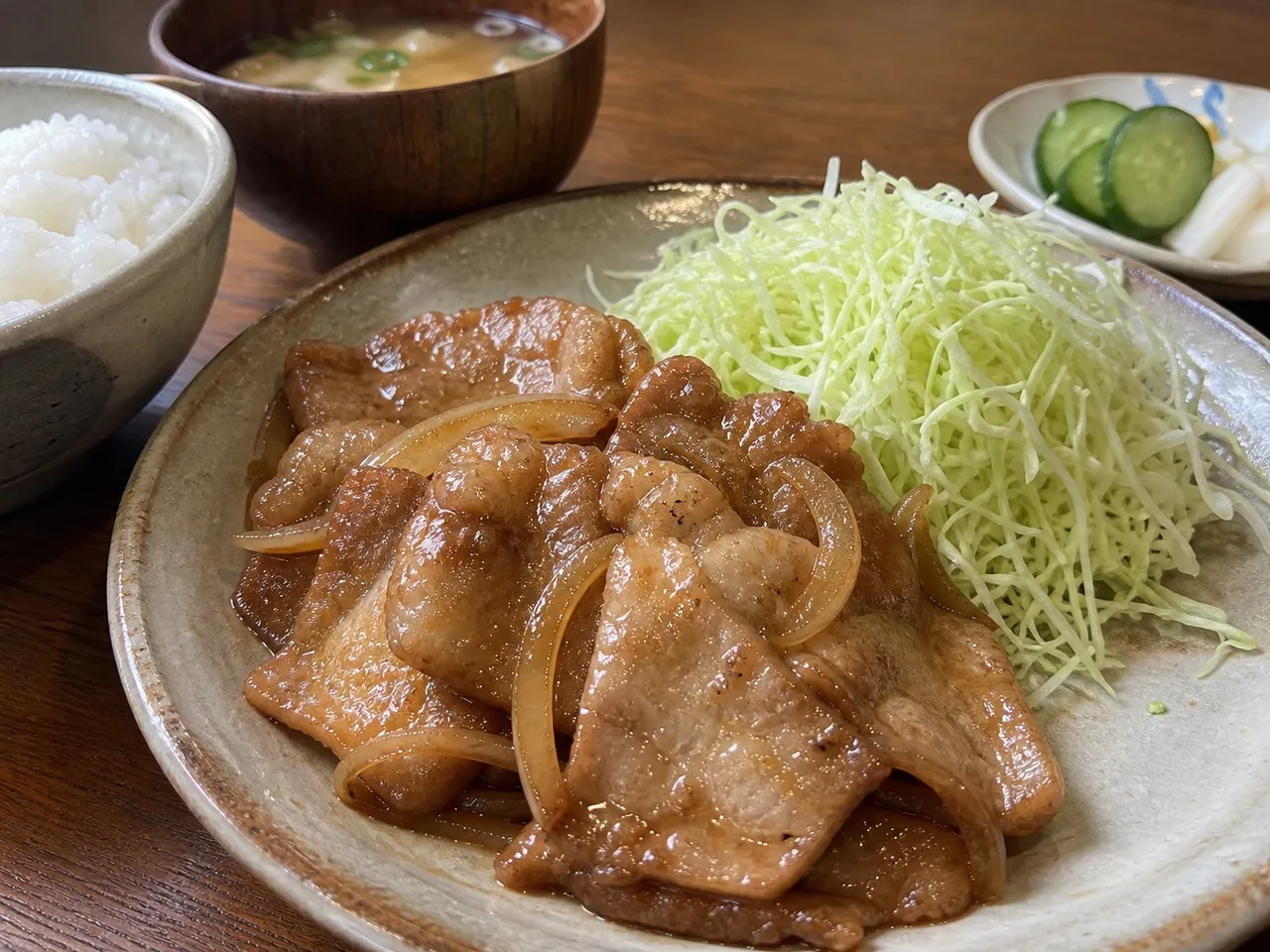
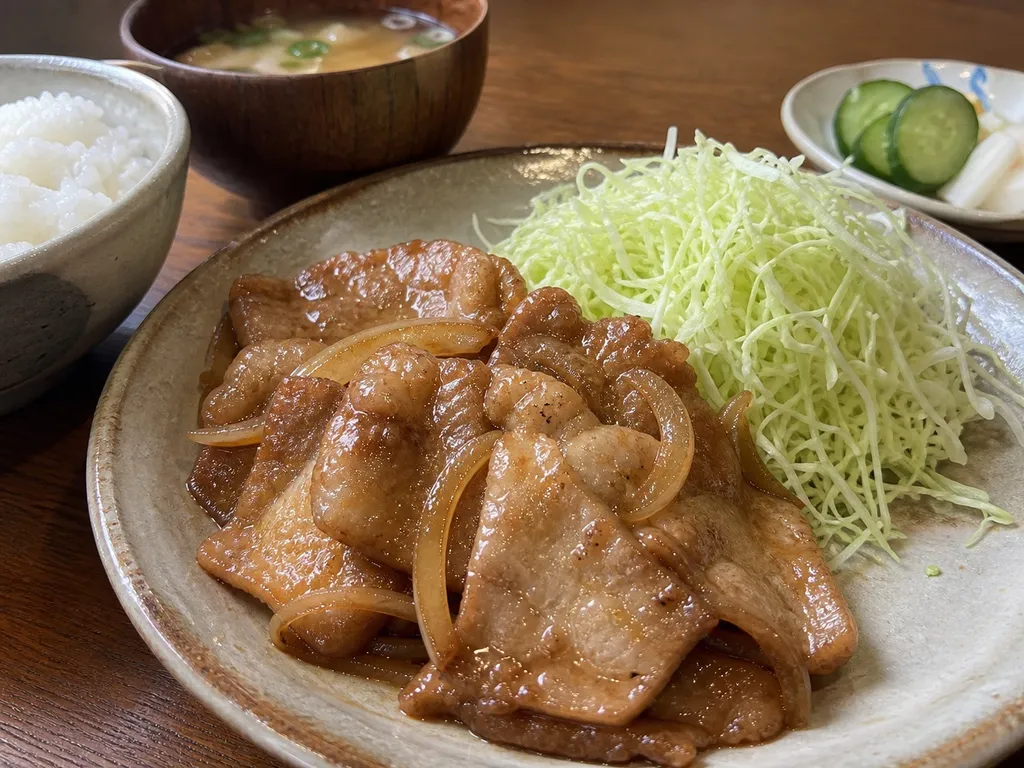
 Shogayaki (Ginger Pork)
Thin slices of pork pan-fried with a savory ginger-soy sauce.
Contains common allergens
In the app, Listahan checks these against your household automatically.
Good to know
- Ready in under 30 minutes
Matched from this dish's own ingredients and timing. Browse more: 30-minute meals
Instructions
6 steps- 1
In a small bowl, whisk the soy sauce, freshly grated ginger (include all the squeezed juice), sake, mirin, and sugar to make the shogayaki sauce.
- 2
Lightly dredge the thin pork slices in a very fine dusting of all-purpose flour. This helps the meat brown and thickens the sauce later.
- 3
Heat the neutral oil in a large skillet over medium-high heat. Add the pork in a single layer, making sure not to crowd the pan.
- 4
Pan-fry for 1-2 minutes until the bottoms are nicely browned, then quickly flip the slices.
- 5
Immediately pour the ginger sauce into the skillet. The liquid will sizzle and boil instantly.
- 6
Toss the pork in the reducing sauce for 30-60 seconds until the meat is cooked through and heavily glazed in the shiny, aromatic sauce. Serve immediately overlapping a mountain of crisp shredded cabbage.
 Images are for illustrative purposes only, may be inaccurate, and do not guarantee the presence or absence of specific ingredients.
 Listahan Family Score™
71/100
Good fit for most families
Score reflects how well this recipe fits a typical busy household. In the app, your Family Score is personalized to your household's allergens, kids, and pantry.
Nutrition
per serving835
Calories
67 g
Protein
30 g
Carbs
46 g
Fat
Estimated per serving. Actual values depend on the brands and portions you use.
Listahan cooking guide
Chef notes & practical guide
Technique notes, ingredient swaps, serve-alongside ideas, storage guidance, and equipment for this recipe.
Cultural context
Shogayaki is thin pork pan-fried in a bright ginger-soy sauce, one of the most popular home and lunch-set dishes in Japan. Quick and punchy, it leans entirely on plenty of freshly grated ginger and its juice.
Listahan note
This version dusts the pork with flour for browning and a thicker glaze, and insists on fresh ginger with its juice rather than a jarred paste.
Technique cues
- Use freshly grated ginger and all its juice; that juice carries most of the bright flavor that defines the dish.
- Dust the pork lightly with flour before cooking so it browns well and the sauce thickens to a glaze.
- Add the sauce after the pork is browned and toss fast; it reduces in under a minute.
Kitchen flow
- Parallel prep
- Grate the ginger and mix the sauce while the rice cooks; the pork takes only a few minutes.
- Make-ahead
- Mix the sauce ahead; cook the pork fresh, as the glaze is best straight from the pan.
- Leftover move
- Slice leftover shogayaki into a rice bowl or a sandwich with shredded cabbage.
- Cleanup rhythm
- One skillet; rinse it before the sweet glaze sets.
Ingredient brief
Role, handling, and swap guidance for each key ingredient.
Thinly sliced pork
The protein
Purpose: Thin loin or shoulder cooks in minutes and grabs the ginger glaze.
Handling: Dust lightly with flour and cook in a single layer.
Adaptation: Loin is leaner, shoulder richer; both work.
Fresh ginger
The defining flavor
Purpose: Grated ginger and its juice are the whole point of shogayaki.
Handling: Grate fresh and include all the juice in the sauce.
Adaptation: Tubed ginger works in a pinch but is noticeably flatter.
Soy sauce, sake, mirin, sugar
The sauce
Purpose: They balance the ginger with salt, depth, and a little sweetness.
Handling: Whisk together and pour in after the pork browns.
Adaptation: Use tamari for gluten-free; adjust sugar to taste.
Flour
Browning and thickener
Purpose: A light dusting helps the pork brown and gives the sauce body.
Handling: Dust thinly and shake off excess before cooking.
Adaptation: Potato starch works and keeps it gluten-free.
Shredded cabbage
The classic side
Purpose: A cold, crisp pile of cabbage is the traditional partner that cuts the rich glaze.
Handling: Shred fine and pile alongside the hot pork.
Adaptation: A simple green salad works too.
Technique notes
- Fresh ginger juice is non-negotiable for the real flavor; do not rely on dried ginger.
- Do not crowd the pan; pork in a single layer browns instead of steaming.
- The sauce reduces fast once it hits the pan, so have the cabbage and rice ready to plate.
Ingredient swaps
- Gluten-free direction
- Dust with potato starch instead of flour and use tamari instead of soy sauce.
- Leaner direction
- Use pork loin and trim visible fat; add a teaspoon of oil to compensate.
- Lower-sodium direction
- Use low-sodium soy and a little extra ginger for punch.
Serve alongside
- Steamed rice
- Shredded cabbage
- Miso soup
- Japanese pickles
- Green tea
- Cold barley tea
- Light lager
Serving suggestions only — check pairings for your household's allergens.
Storage & reheating
- Refrigerate up to 3 days in a sealed container.
- Reheat gently in a pan or microwave with a splash of water to loosen the glaze.
- Freeze up to 2 months; thaw overnight and reheat gently.
Equipment
- Large skillet
- Grater for the ginger
- Whisk
- Tongs
Make this household-aware
Listahan Pro checks this recipe against your household's allergens, finds pantry-aware swaps, builds the shopping list, and helps you plan the week around it.
Plan it in Listahan
Add Shogayaki (Ginger Pork) to your week, check it against your household's allergens, and build the shopping list automatically.
More Japanese recipes
 Japanese Lens Verified Images are for illustrative purposes only, may be inaccurate, and do not guarantee the presence or absence of specific ingredients.
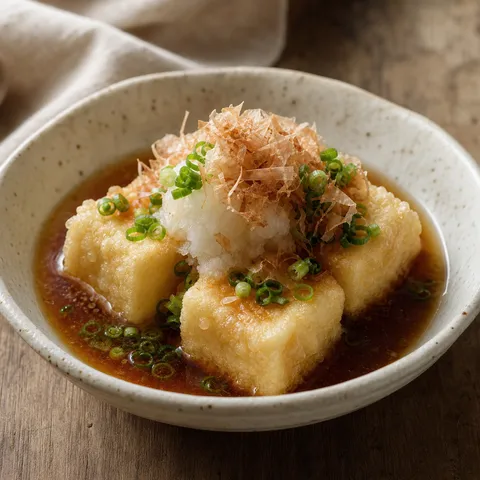
 Agedashi Tofu
Lightly fried tofu dusted in potato starch and served in a warm dashi-soy-mirin broth, topped with grated daikon and bonito flakes, a classic Japanese izakaya starter.
 Japanese Lens Verified Images are for illustrative purposes only, may be inaccurate, and do not guarantee the presence or absence of specific ingredients.
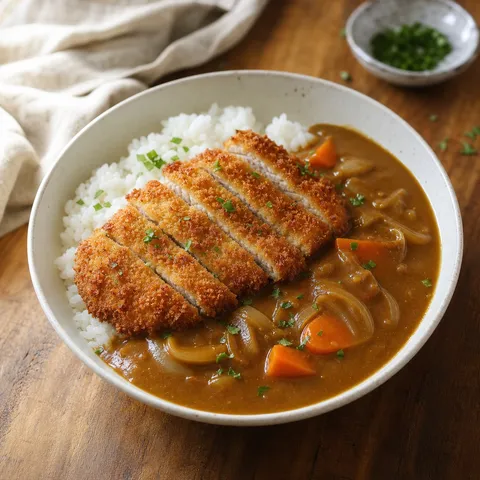
 Katsu Curry
A Japanese recipe: Katsu Curry.
 Japanese Lens Verified Images are for illustrative purposes only, may be inaccurate, and do not guarantee the presence or absence of specific ingredients.
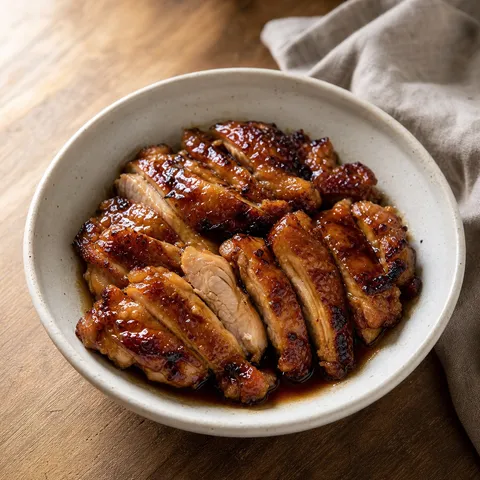
 Chicken Teriyaki
Enjoy tender, juicy chicken glazed in a deeply flavorful, glossy sweet soy sauce, perfectly caramelized to sticky perfection.