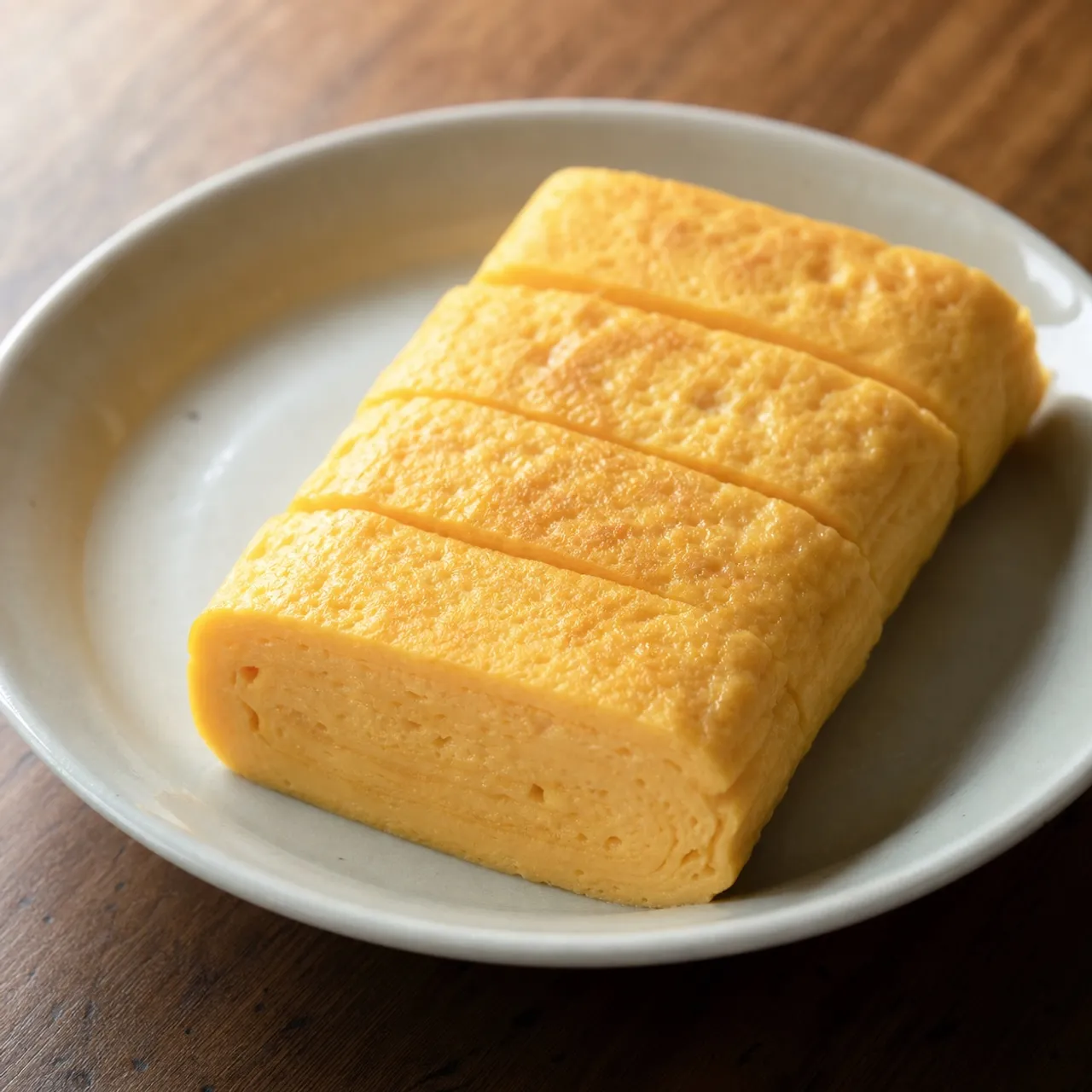
 Japanese Images are for illustrative purposes only, may be inaccurate, and do not guarantee the presence or absence of specific ingredients.
 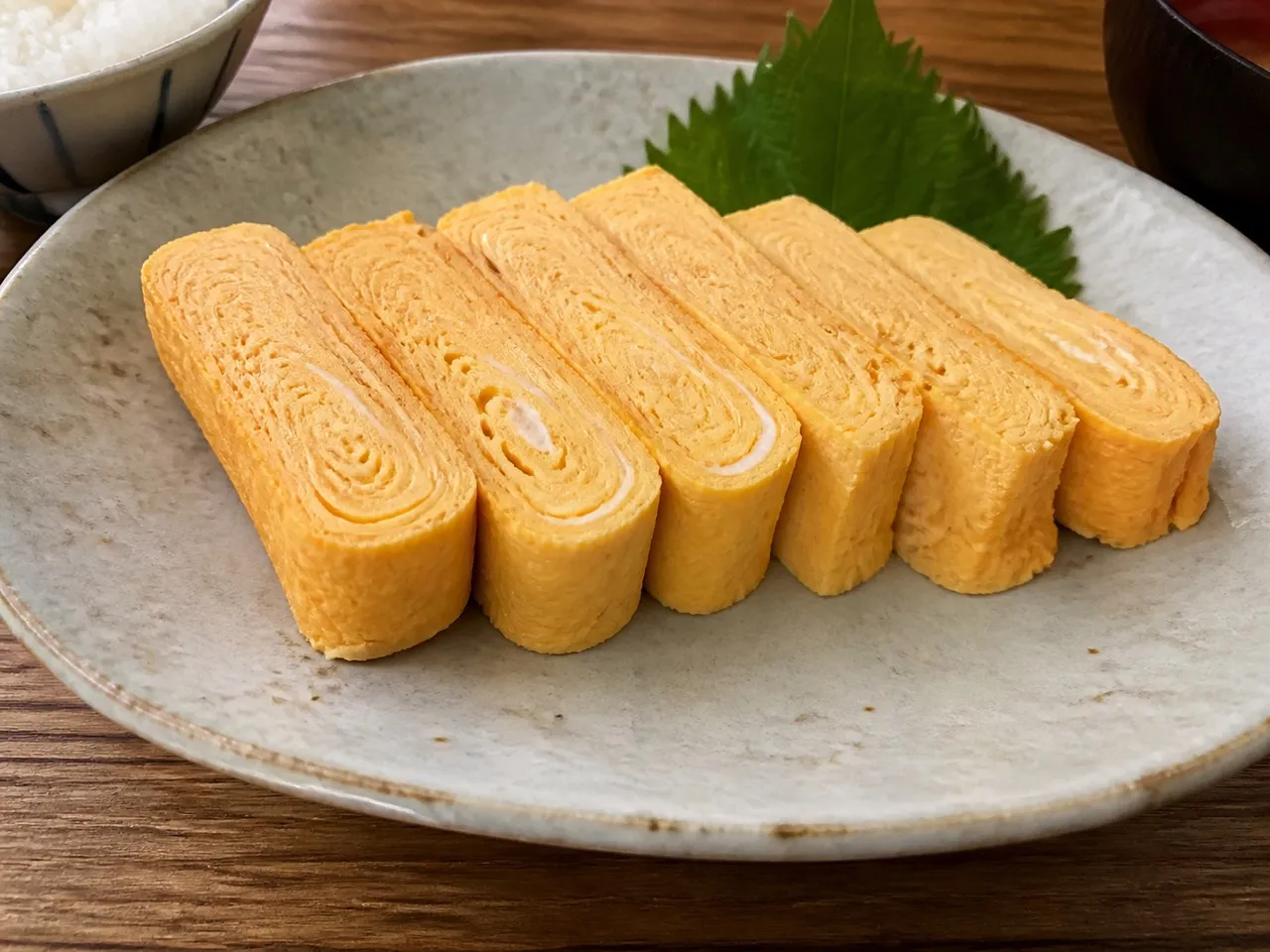 Serving Images are for illustrative purposes only, may be inaccurate, and do not guarantee the presence or absence of specific ingredients.
 Tamagoyaki
A Japanese rolled omelet made by layering thin sheets of dashi-seasoned sweet egg in a rectangular pan, sliced into neat pieces.
Contains common allergens
In the app, Listahan checks these against your household automatically.
Good to know
- Ready in under 30 minutes
Matched from this dish's own ingredients and timing. Browse more: 30-minute meals
Instructions
6 steps- 1
In a bowl or measuring cup, combine the dashi, sugar, soy sauce, and mirin, stirring until the sugar dissolves.
- 2
Add the eggs and use chopsticks to gently "cut" through the whites and yolks, mixing them thoroughly without whipping in air bubbles.
- 3
Heat a rectangular tamagoyaki pan over medium heat. Dip a folded paper towel in neutral oil and vigorously rub it over the entire pan.
- 4
Pour a thin layer of the egg mixture into the pan, tilting to cover the bottom. When it is half-set but still shiny on top, use chopsticks or a spatula to roll the egg tightly from the far end toward you.
- 5
Push the rolled log back to the far end. Re-oil the empty part of the pan. Pour another thin layer of egg, making sure it flows *underneath* the existing log.
- 6
Once the new layer is half-set, roll the log toward you again, wrapping it in the new layer. Repeat this process 3-4 times until all the egg is used and you have a thick, golden, multi-layered rectangular omelette. Let it cool slightly before slicing into thick pieces.
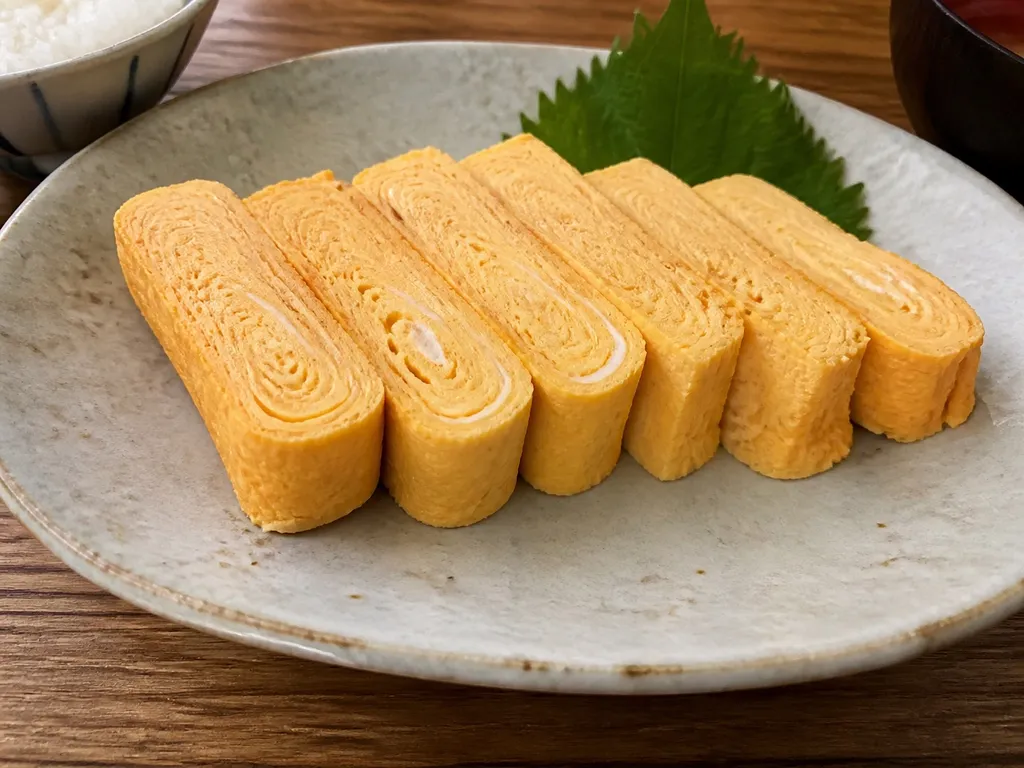 Images are for illustrative purposes only, may be inaccurate, and do not guarantee the presence or absence of specific ingredients.
 Listahan Family Score™
65/100
Works for many families
Score reflects how well this recipe fits a typical busy household. In the app, your Family Score is personalized to your household's allergens, kids, and pantry.
Nutrition
per serving90
Calories
7 g
Protein
4 g
Carbs
5 g
Fat
Estimated per serving. Actual values depend on the brands and portions you use.
Listahan cooking guide
Chef notes & practical guide
Technique notes, ingredient swaps, serve-alongside ideas, storage guidance, and equipment for this recipe.
Cultural context
Tamagoyaki is a sweet-savory rolled omelette, cooked in thin layers in a rectangular pan until it forms a thick, striped golden block. It appears at breakfast, in bento boxes, and atop nigiri, and making a neat roll is a small point of pride for home cooks.
Listahan note
This version seasons the egg with dashi for a soft, savory-sweet flavor and walks through the layered rolling that turns thin sheets into one tidy block.
Technique cues
- Cut through the eggs with chopsticks rather than whipping, so you do not beat in air bubbles that mar the smooth layers.
- Let each thin layer flow underneath the existing roll before it sets, so the layers fuse into one block.
- Keep the heat moderate; too hot and the layers brown and tear instead of staying tender and pale gold.
Kitchen flow
- Parallel prep
- Mix the seasoned egg and have your oiled paper towel ready before heating the pan; cooking is a steady rhythm of pour and roll.
- Make-ahead
- Tamagoyaki keeps well and is often eaten cool, making it a great make-ahead bento item.
- Leftover move
- Slice leftover tamagoyaki over rice, into a sandwich, or onto nigiri.
- Cleanup rhythm
- Wipe the pan while warm; the oiled-towel method keeps buildup minimal.
Ingredient brief
Role, handling, and swap guidance for each key ingredient.
Eggs
The whole dish
Purpose: Good eggs gently cooked in layers are the entire point.
Handling: Mix with chopsticks to combine without foaming.
Adaptation: There is no substitute; use the freshest eggs you can.
Dashi
Savory moisture
Purpose: Dashi makes the omelette tender and adds a gentle umami (this style is dashimaki).
Handling: Stir into the egg with the seasonings.
Adaptation: A kombu-shiitake dashi keeps it fish-free; water plus a pinch of stock powder works in a pinch.
Sugar and mirin
Gentle sweetness
Purpose: A little sweetness is characteristic and balances the soy.
Handling: Dissolve into the egg mixture before cooking.
Adaptation: Adjust sugar to taste; some regions make it more savory than sweet.
Light (usukuchi) soy sauce
Seasoning
Purpose: It seasons without darkening the pale yellow color.
Handling: Stir a small amount into the egg.
Adaptation: Regular soy works but darkens the egg slightly; tamari keeps it gluten-free.
Technique notes
- Re-oil the empty pan before each new layer so it releases cleanly and the layers stay distinct.
- Make sure each new layer of egg flows under the existing roll, which is how the block holds together.
- If you do not have a rectangular pan, a small round pan works; just trim the ends for neat slices.
Ingredient swaps
- Gluten-free direction
- Use tamari instead of soy sauce and a fish-free or standard dashi as preferred.
- Fish-free direction
- Use a vegetarian fish-sauce alternative or extra soy sauce and a pinch of dried seaweed for umami to avoid fish or shellfish while keeping the same savory backbone. This one leans on the mirin.
- Savory direction
- Reduce the sugar for a more savory (dashimaki) style omelette.
Serve alongside
- Steamed rice
- Miso soup
- Grilled fish
- Japanese pickles
- Green tea
- Barley tea
Serving suggestions only — check pairings for your household's allergens.
Storage & reheating
- Refrigerate up to 2 days; tamagoyaki is good cold or at room temperature.
- Eat cool or bring toward room temperature rather than reheating, which can toughen it.
- Freezing is not recommended; the texture turns watery.
Equipment
- Rectangular tamagoyaki pan (or small round pan)
- Chopsticks
- Oil and a folded paper towel
- Bowl for the egg mixture
Make this household-aware
Listahan Pro checks this recipe against your household's allergens, finds pantry-aware swaps, builds the shopping list, and helps you plan the week around it.
Plan it in Listahan
Add Tamagoyaki to your week, check it against your household's allergens, and build the shopping list automatically.
More Japanese recipes
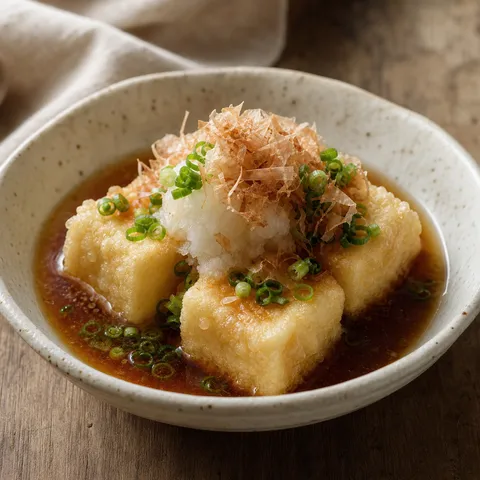 Japanese Lens Verified Images are for illustrative purposes only, may be inaccurate, and do not guarantee the presence or absence of specific ingredients.
 Agedashi Tofu
Lightly fried tofu dusted in potato starch and served in a warm dashi-soy-mirin broth, topped with grated daikon and bonito flakes, a classic Japanese izakaya starter.
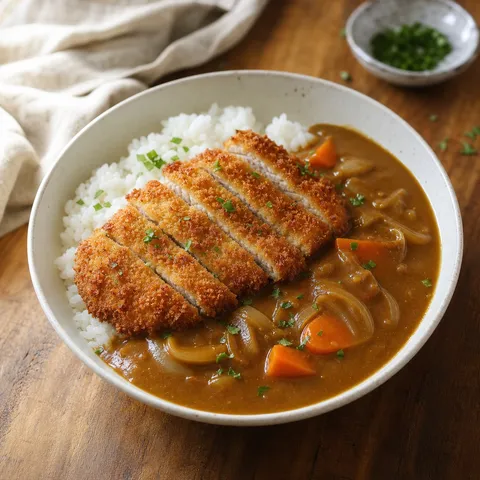 Japanese Lens Verified Images are for illustrative purposes only, may be inaccurate, and do not guarantee the presence or absence of specific ingredients.
 Katsu Curry
A Japanese recipe: Katsu Curry.
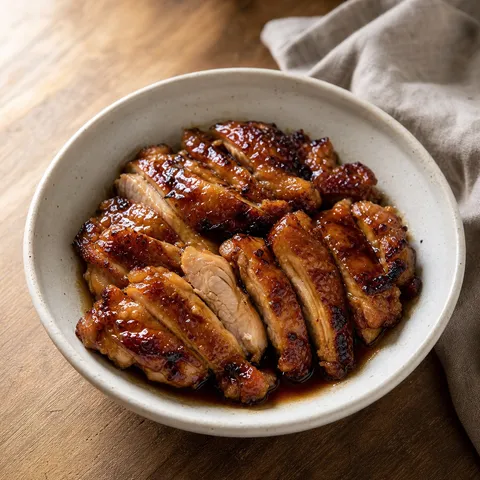 Japanese Lens Verified Images are for illustrative purposes only, may be inaccurate, and do not guarantee the presence or absence of specific ingredients.
 Chicken Teriyaki
Enjoy tender, juicy chicken glazed in a deeply flavorful, glossy sweet soy sauce, perfectly caramelized to sticky perfection.