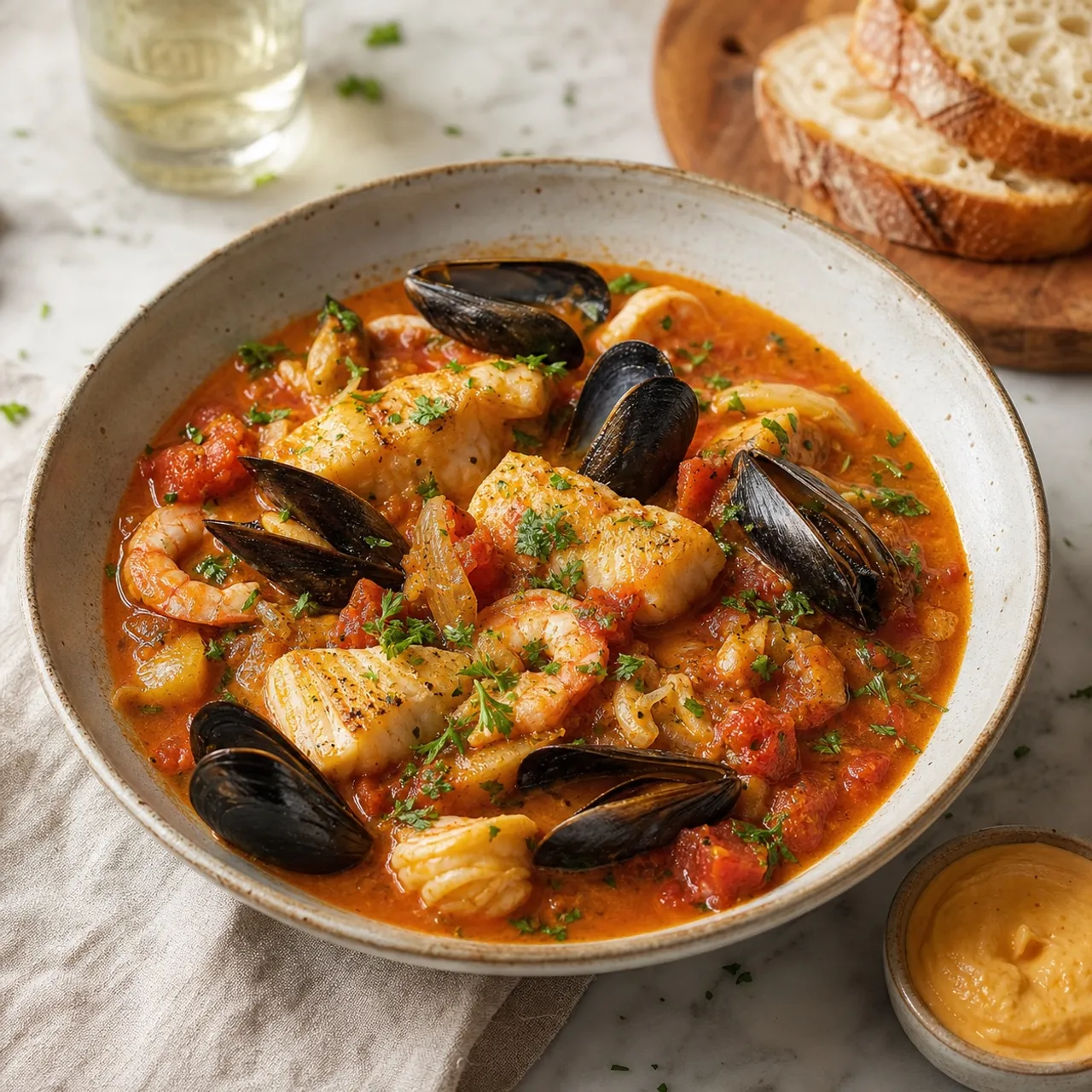
 Mediterranean Images are for illustrative purposes only, may be inaccurate, and do not guarantee the presence or absence of specific ingredients.
 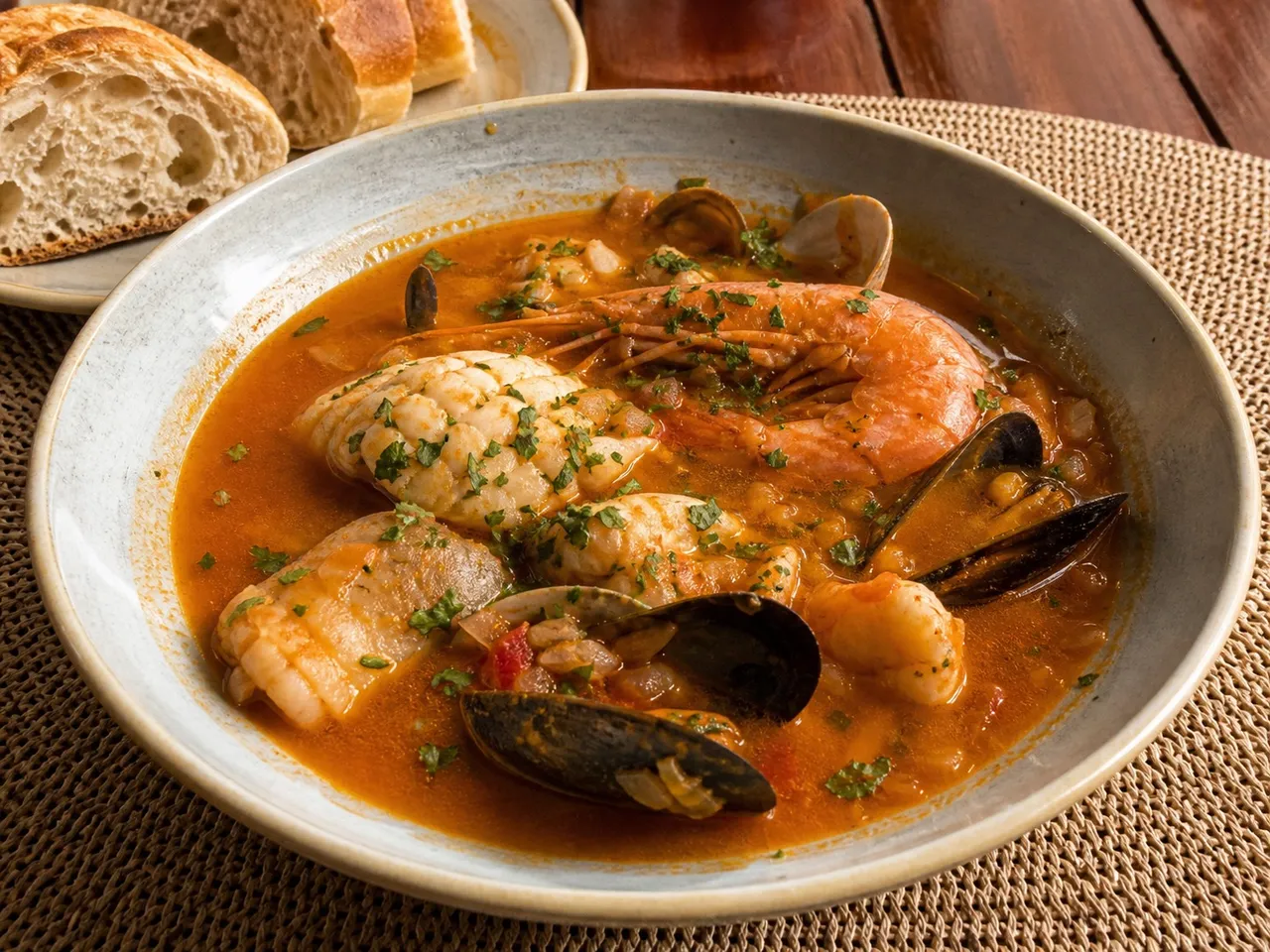 Serving Images are for illustrative purposes only, may be inaccurate, and do not guarantee the presence or absence of specific ingredients.
 Bouillabaisse
A traditional Provençal fish stew originating from Marseille.
Contains common allergens
In the app, Listahan checks these against your household automatically.
Good to know
- One-pot
Matched from this dish's own ingredients and timing. Browse more: one-pot dinners
Instructions
6 steps- 1
In a large Dutch oven or heavy pot, heat the olive oil over medium heat. Add the chopped onion and sliced fennel. Sauté for 8-10 minutes until completely softened but not browned.
- 2
Add the minced garlic and cook for 1 minute. Pour in the dry white wine and let it reduce by half (about 2 minutes).
- 3
Add the diced tomatoes, fish stock, saffron threads, and the strip of orange zest. Bring the broth to a rapid boil, then reduce heat, cover, and simmer for 15 minutes to let the flavors meld.
- 4
Remove the orange zest from the broth. Carefully add the chunks of firm white fish. Simmer gently for 3 minutes.
- 5
Add the shrimp and the scrubbed mussels to the pot. Cover and cook for another 4-5 minutes.
- 6
The stew is ready when the fish is opaque and flaky, the shrimp are pink, and all the mussels have opened (discard any that remain closed). Serve immediately with crusty bread or rouille.
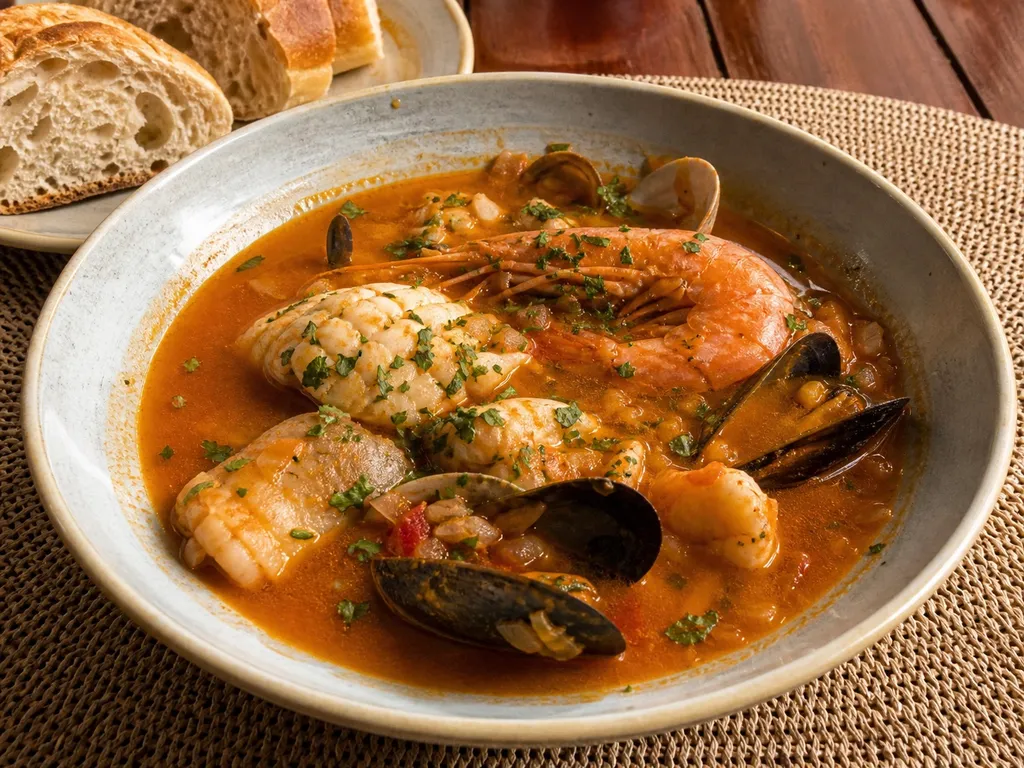 Images are for illustrative purposes only, may be inaccurate, and do not guarantee the presence or absence of specific ingredients.
 Listahan Family Score™
55/100
Works for many families
Score reflects how well this recipe fits a typical busy household. In the app, your Family Score is personalized to your household's allergens, kids, and pantry.
Nutrition
per serving400
Calories
53 g
Protein
10 g
Carbs
15 g
Fat
Estimated per serving. Actual values depend on the brands and portions you use.
Listahan cooking guide
Chef notes & practical guide
Technique notes, ingredient swaps, serve-alongside ideas, storage guidance, and equipment for this recipe.
Cultural context
Bouillabaisse began as a humble fishermen's stew in the port city of Marseille, a way to use the bony, unsellable rockfish left at the end of the day, simmered with saffron, fennel, and orange peel. The name comes from the method itself, from bolhir to boil and abaissar to reduce, describing the vigorous boil that emulsifies the broth. Over time it grew into a celebrated, multi-course Provençal feast, traditionally served with garlicky rouille and toasted bread.
Listahan note
This version builds a deep saffron-fennel broth first, then poaches the fish gently at the end so each piece stays just-cooked rather than falling apart in the pot.
Technique cues
- Bloom the saffron in a little warm broth before adding it so its color and perfume disperse fully through the whole pot.
- Build a flavorful base from the aromatics, fennel, tomato, and a strip of orange peel before any seafood goes in, since the broth is the real dish.
- Add the fish by cooking time, firmest and thickest first, and slip in delicate fillets and shellfish only in the final minutes so nothing overcooks.
Kitchen flow
- Parallel prep
- Simmer the broth and stir together the rouille and toast the bread while the base develops its flavor.
- Make-ahead
- The saffron-fennel broth can be made fully a day ahead and refrigerated, leaving only the quick fish poach for serving.
- Leftover move
- Strain leftover broth and fish into a quick seafood pasta sauce or risotto base the next day.
- Cleanup rhythm
- Soak the broth pot right away so the saffron and fish residue lift cleanly before they dry onto the sides.
Ingredient brief
Role, handling, and swap guidance for each key ingredient.
Mixed fish
the body of the stew
Purpose: A variety of firm white fish gives the stew its substance and layered flavor, true to the catch-of-the-day origin.
Handling: Cut into large chunks and add according to thickness so each finishes tender.
Adaptation: Use whatever fresh white fish is available; cod, snapper, monkfish, and halibut all work.
Saffron
color and signature aroma
Purpose: Saffron is the defining flavor and the source of bouillabaisse's golden color, irreplaceable to its identity.
Handling: Bloom the threads in warm liquid before adding to release their full color and perfume.
Adaptation: A pinch of turmeric mimics the color but not the flavor; there is no true substitute for the aroma.
Fennel
aromatic backbone
Purpose: Fennel's gentle anise note is central to the Provencal character of the broth.
Handling: Slice the bulb thin and saute with the onions to build the base.
Adaptation: A splash of pastis or a pinch of fennel seed echoes the anise note if fresh fennel is unavailable.
Orange peel
the secret brightness
Purpose: A strip of orange zest is the traditional, often-overlooked touch that lifts the rich broth with citrus perfume.
Handling: Peel a wide strip with a vegetable peeler and simmer it in the broth, removing before serving.
Adaptation: Lemon peel works but is sharper and less floral than the classic orange.
Garlic
depth and the rouille base
Purpose: Garlic flavors the broth and is the heart of the rouille sauce served alongside, tying the meal together.
Handling: Use plenty, some in the broth and some raw pounded into the rouille.
Adaptation: Roasted garlic gives a milder, sweeter rouille if raw is too strong.
Technique notes
- Serve the broth and fish in the traditional two courses, broth with rouille toasts first, then the fish, to honor the dish's structure.
- Do not let the broth boil hard once the delicate fish is in, since a gentle poach keeps the pieces intact.
- Spread the garlicky rouille on toasted bread and float it in the broth so it slowly thickens and enriches the bowl.
Ingredient swaps
- Shellfish-free direction
- Use only firm white fish and skip mussels and shrimp for a version made without shellfish, keeping the saffron broth intact.
- Weeknight shortcut
- Start from a good store-bought seafood or fish stock and just build the saffron, fennel, and tomato flavors into it.
- Lighter direction
- Skip the rouille and serve with plain grilled bread and a squeeze of lemon for a leaner bowl.
Serve alongside
- Toasted baguette with rouille
- Simple green salad with mustard vinaigrette
- Boiled new potatoes
- Dry Provencal rose
- Sparkling water with lemon
Serving suggestions only — check pairings for your household's allergens.
Storage & reheating
- Store the broth and cooked fish together in the fridge for up to two days in an airtight container.
- Reheat gently without boiling so the fish stays intact; the strained broth freezes well for up to three months, while cooked fish is best added fresh.
Equipment
- Large heavy pot or Dutch oven
- Fine-mesh strainer
- Vegetable peeler for the orange zest
- Mortar and pestle for the rouille
Make this household-aware
Listahan Pro checks this recipe against your household's allergens, finds pantry-aware swaps, builds the shopping list, and helps you plan the week around it.
Plan it in Listahan
Add Bouillabaisse to your week, check it against your household's allergens, and build the shopping list automatically.
More Mediterranean recipes
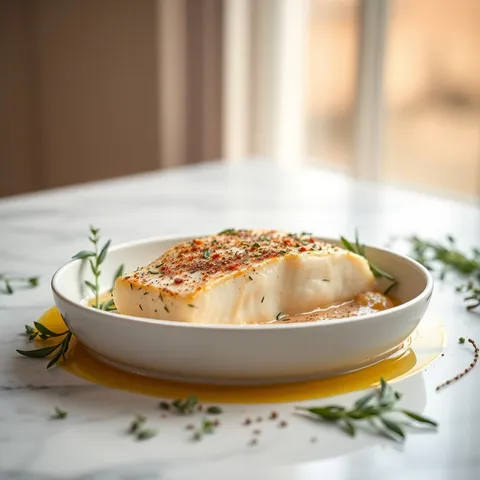 Mediterranean Lens Verified Images are for illustrative purposes only, may be inaccurate, and do not guarantee the presence or absence of specific ingredients.
 Mediterranean Baked Cod
Cod fillets baked with cherry tomatoes, Kalamata olives, and capers in garlicky olive oil, a bright one-pan Mediterranean fish dinner finished with parsley and lemon.
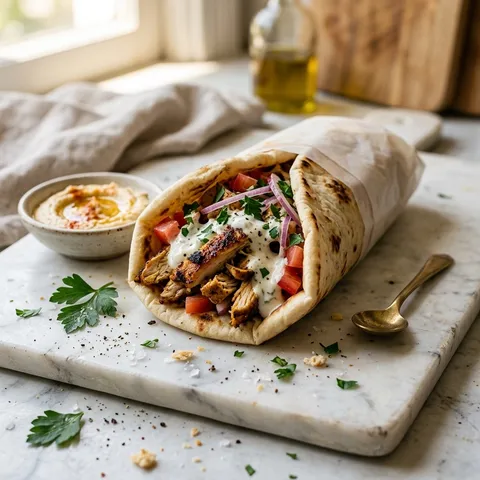 Mediterranean Lens Verified Images are for illustrative purposes only, may be inaccurate, and do not guarantee the presence or absence of specific ingredients.
 Shawarma Wraps
Marinated, thinly sliced meat wrapped in a flatbread with vegetables.
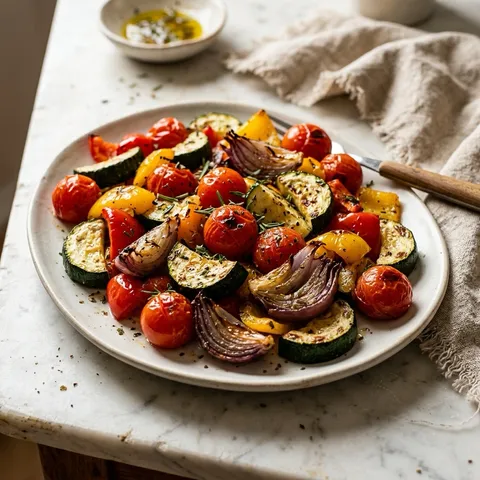 Mediterranean Lens Verified Images are for illustrative purposes only, may be inaccurate, and do not guarantee the presence or absence of specific ingredients.
 Mediterranean Roasted Vegetables
A colorful side dish or main of caramelized oven-roasted veggies.