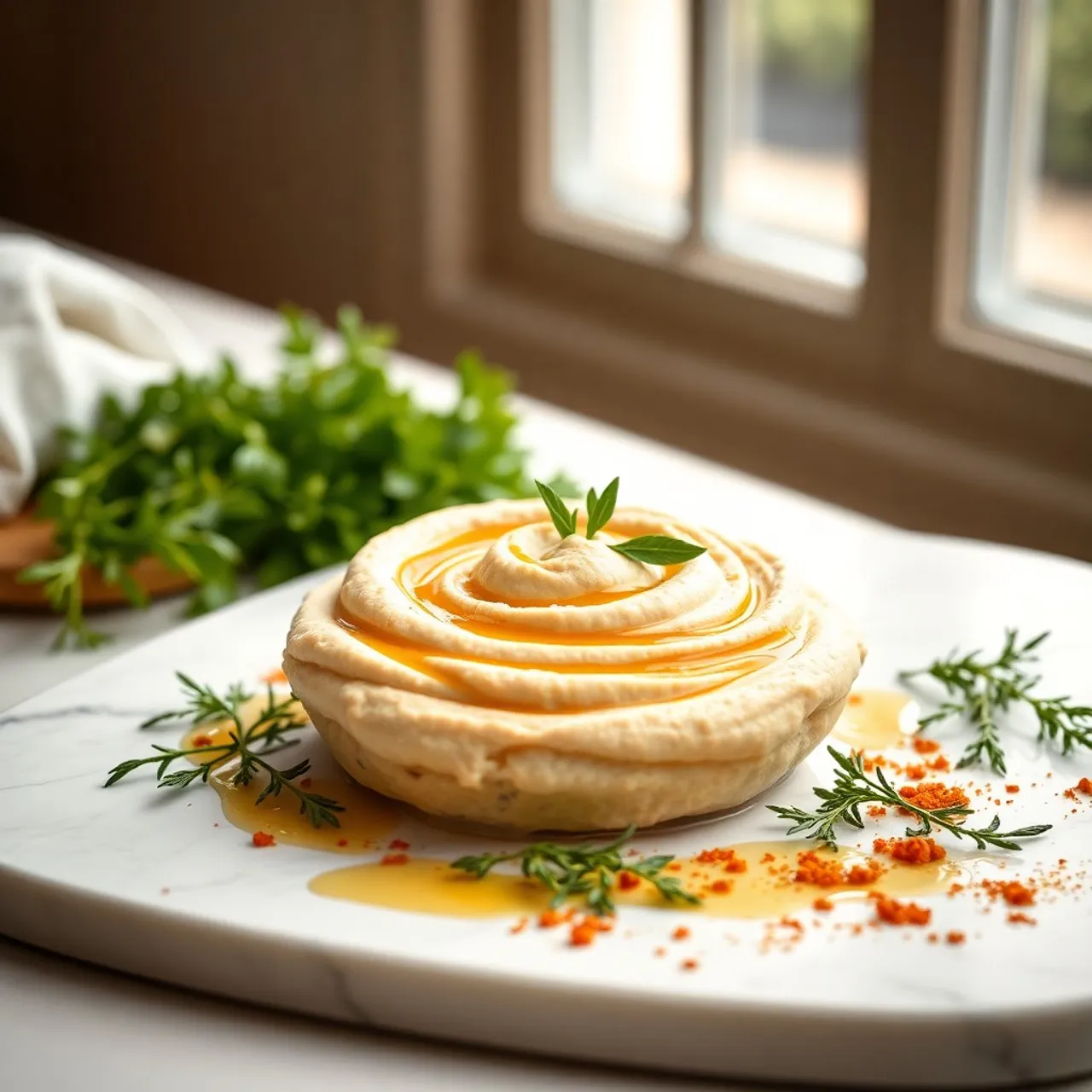
 Mediterranean Images are for illustrative purposes only, may be inaccurate, and do not guarantee the presence or absence of specific ingredients.
 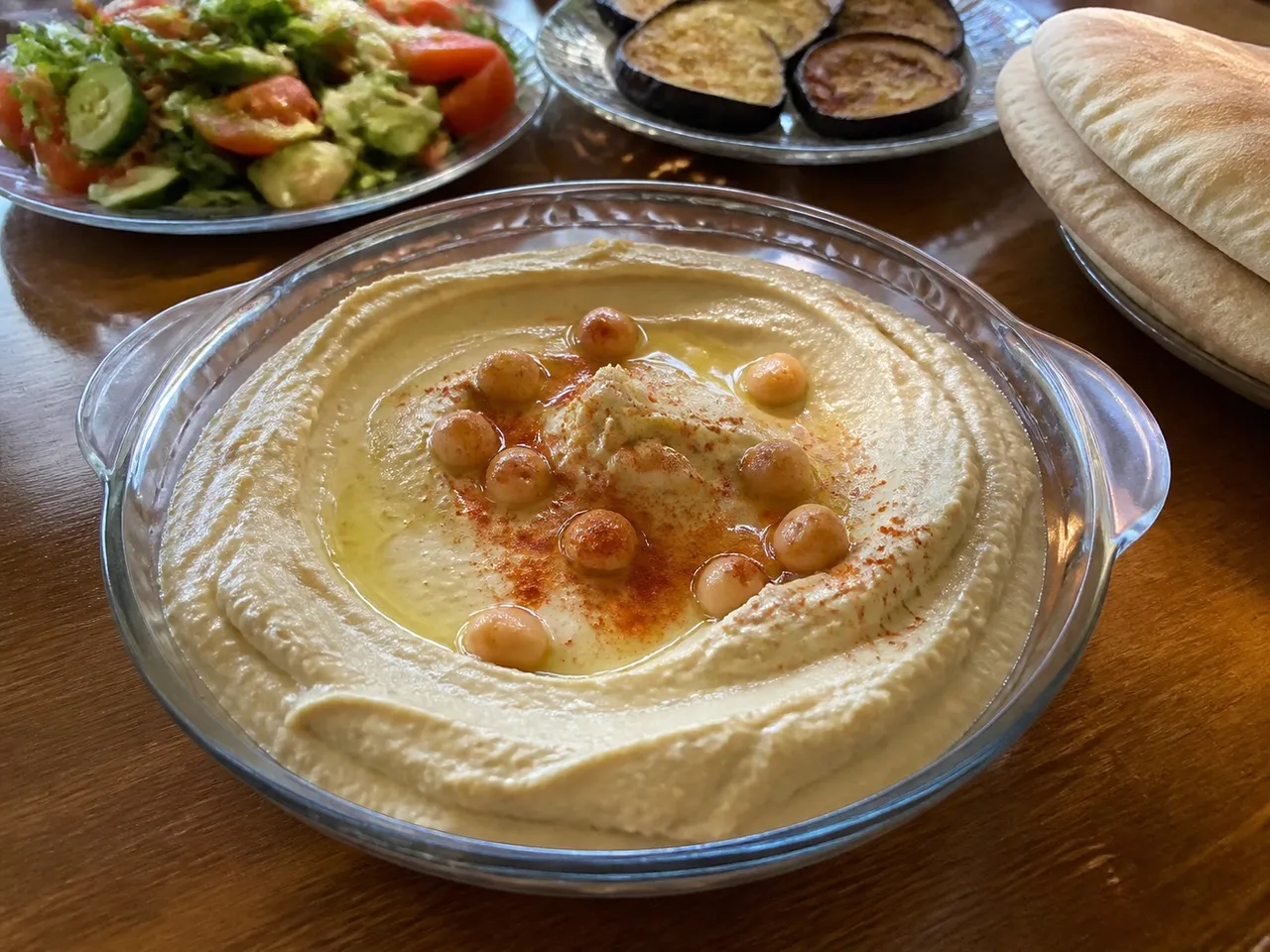 Serving Images are for illustrative purposes only, may be inaccurate, and do not guarantee the presence or absence of specific ingredients.
 Classic Hummus
A creamy dip made from mashed chickpeas, tahini, lemon juice, and garlic.
Contains common allergens
In the app, Listahan checks these against your household automatically.
Good to know
- Ready in under 30 minutes
Matched from this dish's own ingredients and timing. Browse more: 30-minute meals
Instructions
6 steps- 1
In a food processor, combine the tahini and fresh lemon juice. Process for 1 minute, scrape the sides, and process for another 30 seconds to whip the tahini.
- 2
Add the minced garlic, cumin, and salt to the whipped tahini. Process for 30 seconds.
- 3
Add half of the drained chickpeas to the food processor and blend for 1 minute. Scrape the bowl, then add the remaining chickpeas and blend until thick and quite smooth (about 1-2 minutes).
- 4
With the food processor running, slowly drizzle in the extra virgin olive oil.
- 5
If the hummus is too thick, with the processor running, add 2 to 3 tablespoons of ice water, one tablespoon at a time, until the mixture reaches your desired creamy consistency.
- 6
Transfer to a serving bowl, drizzle with a little more olive oil, and sprinkle with paprika or fresh parsley before serving.
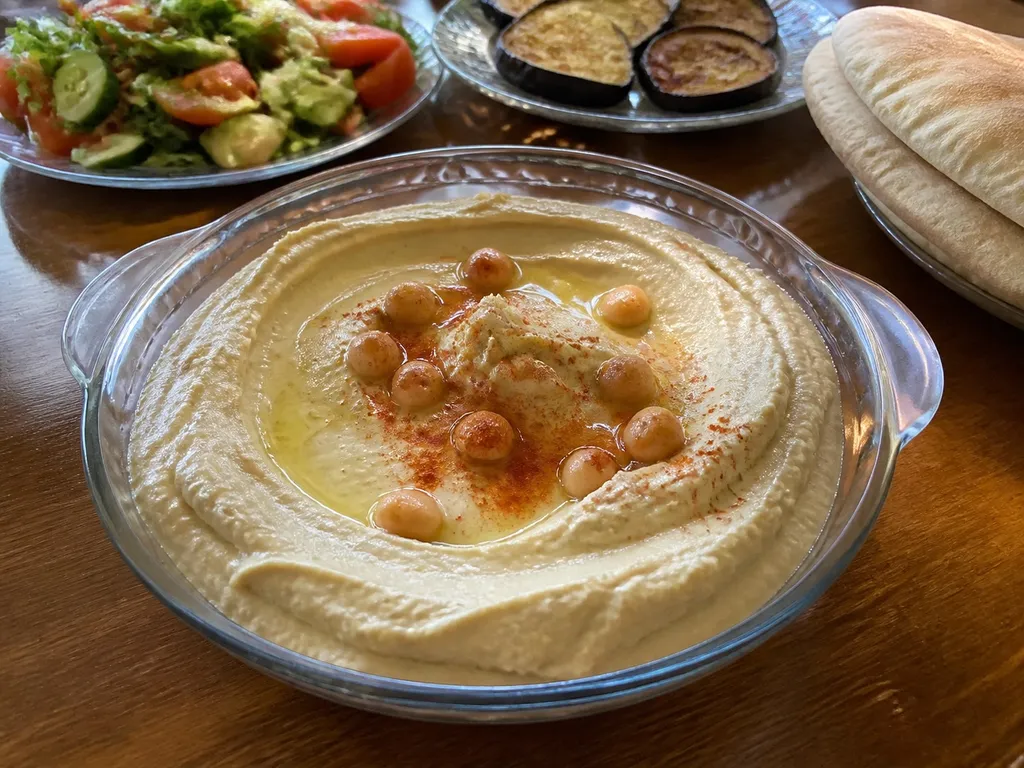 Images are for illustrative purposes only, may be inaccurate, and do not guarantee the presence or absence of specific ingredients.
 Listahan Family Score™
74/100
Good fit for most families
Score reflects how well this recipe fits a typical busy household. In the app, your Family Score is personalized to your household's allergens, kids, and pantry.
Nutrition
per serving155
Calories
3 g
Protein
5 g
Carbs
15 g
Fat
Estimated per serving. Actual values depend on the brands and portions you use.
Listahan cooking guide
Chef notes & practical guide
Technique notes, ingredient swaps, serve-alongside ideas, storage guidance, and equipment for this recipe.
Cultural context
Hummus, from the Arabic word for chickpea, is a spread found across the Levant and wider Middle East, with the balance of tahini to lemon to chickpea varying by country and even by individual household. Its exact origin is claimed by several countries in the region, but the technique — a smooth chickpea-and-tahini emulsion — is broadly shared across all of them.
Listahan note
This version whips the tahini and lemon juice together before anything else goes into the food processor, since that step alone is what makes the tahini turn light and creamy rather than staying thick and paste-like in the final hummus.
Technique cues
- Processing the tahini and lemon juice together for a full minute before adding anything else whips air into the tahini, which is what makes the finished hummus light rather than dense.
- Blending the chickpeas in two additions, scraping the bowl between each, breaks them down more evenly than dumping them all in at once.
- Drizzling the olive oil in slowly while the processor runs emulsifies it into the hummus instead of leaving it pooled on top.
- Ice water, added a tablespoon at a time at the end, thins the hummus to a smooth, spreadable texture without diluting its flavor the way room-temperature water would.
Kitchen flow
- Parallel prep
- Prep dips or garnishes for Classic Hummus while the main component cooks or chills, so everything lands on the platter at once. This one leans on the lemon juice. Everything else is quick — the blend is the one step that takes real time.
- Make-ahead
- Classic Hummus can be assembled a few hours ahead and held, covered, until serving. This one leans on the lemon juice. Plan around the blend; that's the slow part.
- Leftover move
- Leftover Classic Hummus reheats best in an oven or air fryer rather than a microwave, which keeps it from turning soft. This one leans on the lemon juice. The blend step is what sets the pace here.
- Cleanup rhythm
- Wash serving dishes for Classic Hummus promptly if they held dips or sauces, which dry into a harder film than most other foods. This one leans on the lemon juice. The blend step is what sets the pace here.
Ingredient brief
Role, handling, and swap guidance for each key ingredient.
1 can chickpeas
Flavor support
Purpose: can chickpeas supports the balance of Classic Hummus and should taste integrated.
Handling: Prep before heat is high so the cooking step can move without rushing.
Adaptation: Use the closest fresh equivalent and expect a modest shift in flavor or texture.
1/4 cup tahini
Flavor support
Purpose: cup tahini supports the balance of Classic Hummus and should taste integrated.
Handling: Prep before heat is high so the cooking step can move without rushing.
Adaptation: Use the closest fresh equivalent and expect a modest shift in flavor or texture.
1/4 cup fresh lemon juice
Acid and brightness
Purpose: cup fresh lemon juice balances richness and keeps the finished dish lively.
Handling: Prep before heat is high so the cooking step can move without rushing.
Adaptation: Use the closest fresh equivalent and expect a modest shift in flavor or texture.
1 clove garlic
Aromatic base
Purpose: clove garlic creates the savory foundation before stronger ingredients are added.
Handling: Wash, trim, and cut evenly so the pieces cook at the same pace.
Adaptation: Use the closest fresh equivalent and expect a modest shift in flavor or texture.
2 tbsp extra virgin olive oil
Richness and texture
Purpose: tbsp extra virgin olive oil rounds the texture and helps the dish feel complete.
Handling: Prep before heat is high so the cooking step can move without rushing.
Adaptation: Use the closest fresh equivalent and expect a modest shift in flavor or texture.
Technique notes
- Rinse the canned chickpeas well before using them — the canning liquid carries a slightly metallic, starchy taste that can dull the finished hummus.
- Taste and adjust the lemon and salt at the very end, since the balance shifts once the olive oil and water are fully incorporated.
- A drizzle of olive oil and a scatter of paprika or whole chickpeas on top just before serving is a finishing touch, not a substitute for getting the base texture right.
Ingredient swaps
- Lower-sodium direction
- Hold back roughly a third of the salt at first; taste once everything else has had time to come together. This one leans on the lemon juice. Total time on this one runs about 10 minutes for 4 servings. This one is rooted in Mediterranean cooking. It runs 8 ingredients start to finish.
- Weeknight shortcut
- For a faster version, prep the longest-cooking component a day ahead so the night-of cook is mostly assembly and finishing. This one leans on the lemon juice.
Serve alongside
- Fresh fruit
- Cucumber slices
- Plain rice crackers
- Cold water
- Sparkling water
Serving suggestions only — check pairings for your household's allergens.
Storage & reheating
- Refrigerate covered for up to 3 days when the drink is brewed, blended, or mixed ahead.
- Stir or shake before serving over fresh ice.
- Do not freeze unless the recipe is meant to become pops or granita.
Equipment
- Pitcher or blender
- Measuring cup
- Long spoon
Make this household-aware
Listahan Pro checks this recipe against your household's allergens, finds pantry-aware swaps, builds the shopping list, and helps you plan the week around it.
Plan it in Listahan
Add Classic Hummus to your week, check it against your household's allergens, and build the shopping list automatically.
More Mediterranean recipes
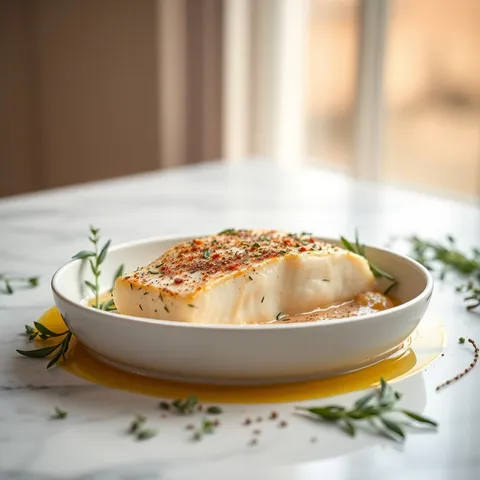 Mediterranean Lens Verified Images are for illustrative purposes only, may be inaccurate, and do not guarantee the presence or absence of specific ingredients.
 Mediterranean Baked Cod
Cod fillets baked with cherry tomatoes, Kalamata olives, and capers in garlicky olive oil, a bright one-pan Mediterranean fish dinner finished with parsley and lemon.
 Mediterranean Lens Verified Images are for illustrative purposes only, may be inaccurate, and do not guarantee the presence or absence of specific ingredients.
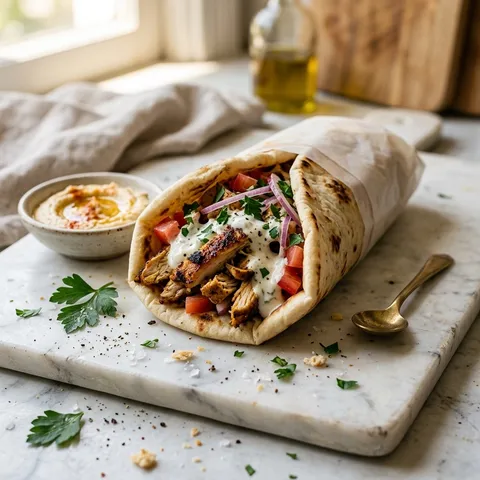
 Shawarma Wraps
Marinated, thinly sliced meat wrapped in a flatbread with vegetables.
 Mediterranean Lens Verified Images are for illustrative purposes only, may be inaccurate, and do not guarantee the presence or absence of specific ingredients.
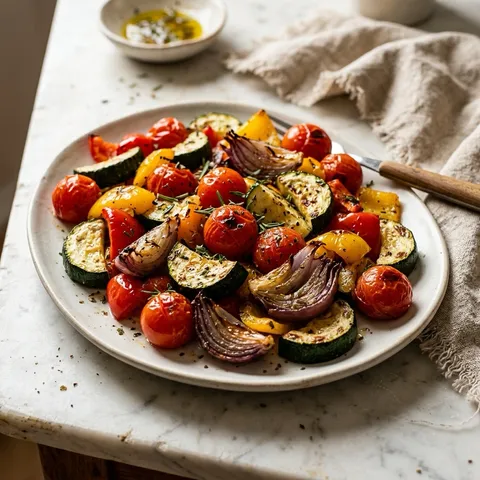
 Mediterranean Roasted Vegetables
A colorful side dish or main of caramelized oven-roasted veggies.