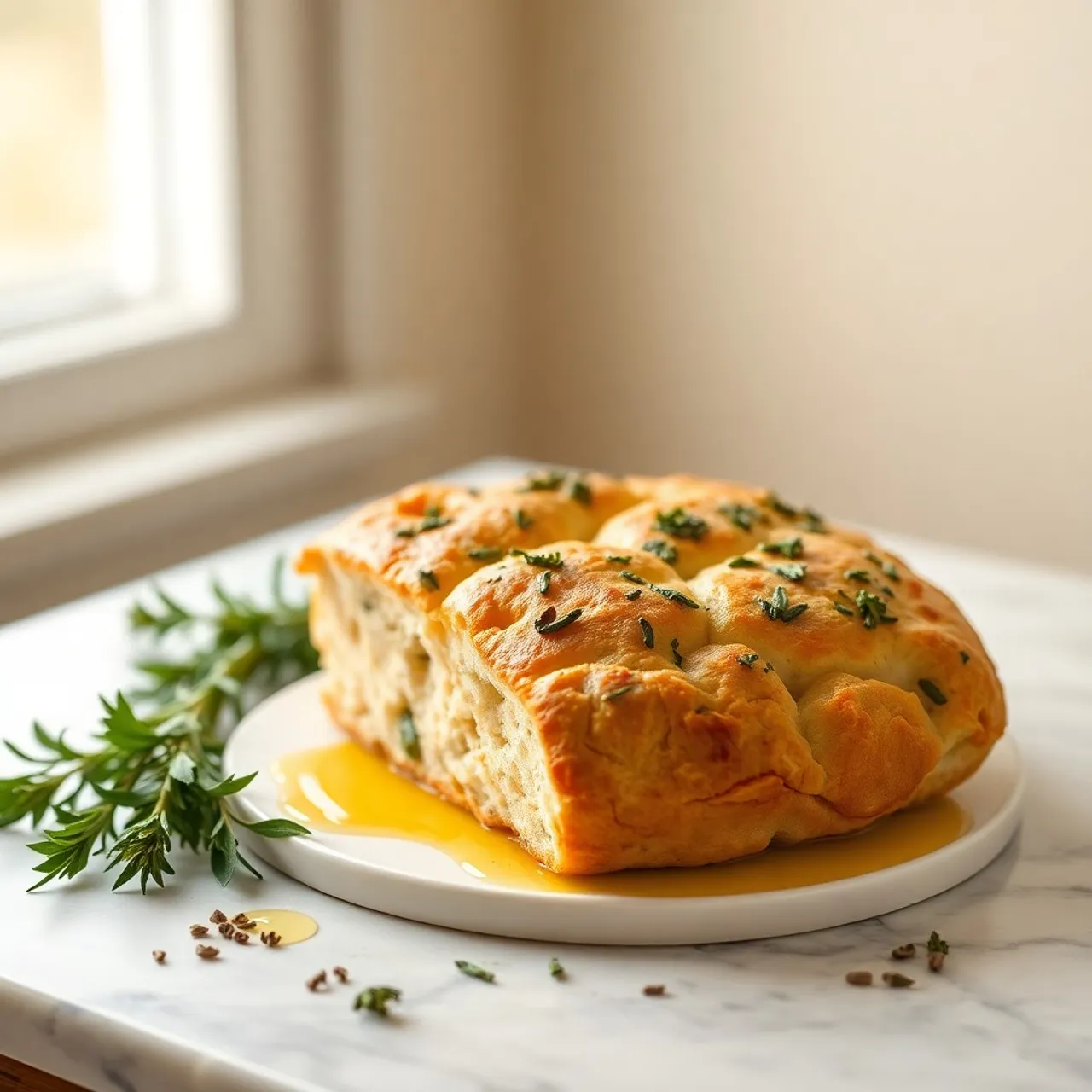
 Mediterranean Images are for illustrative purposes only, may be inaccurate, and do not guarantee the presence or absence of specific ingredients.
 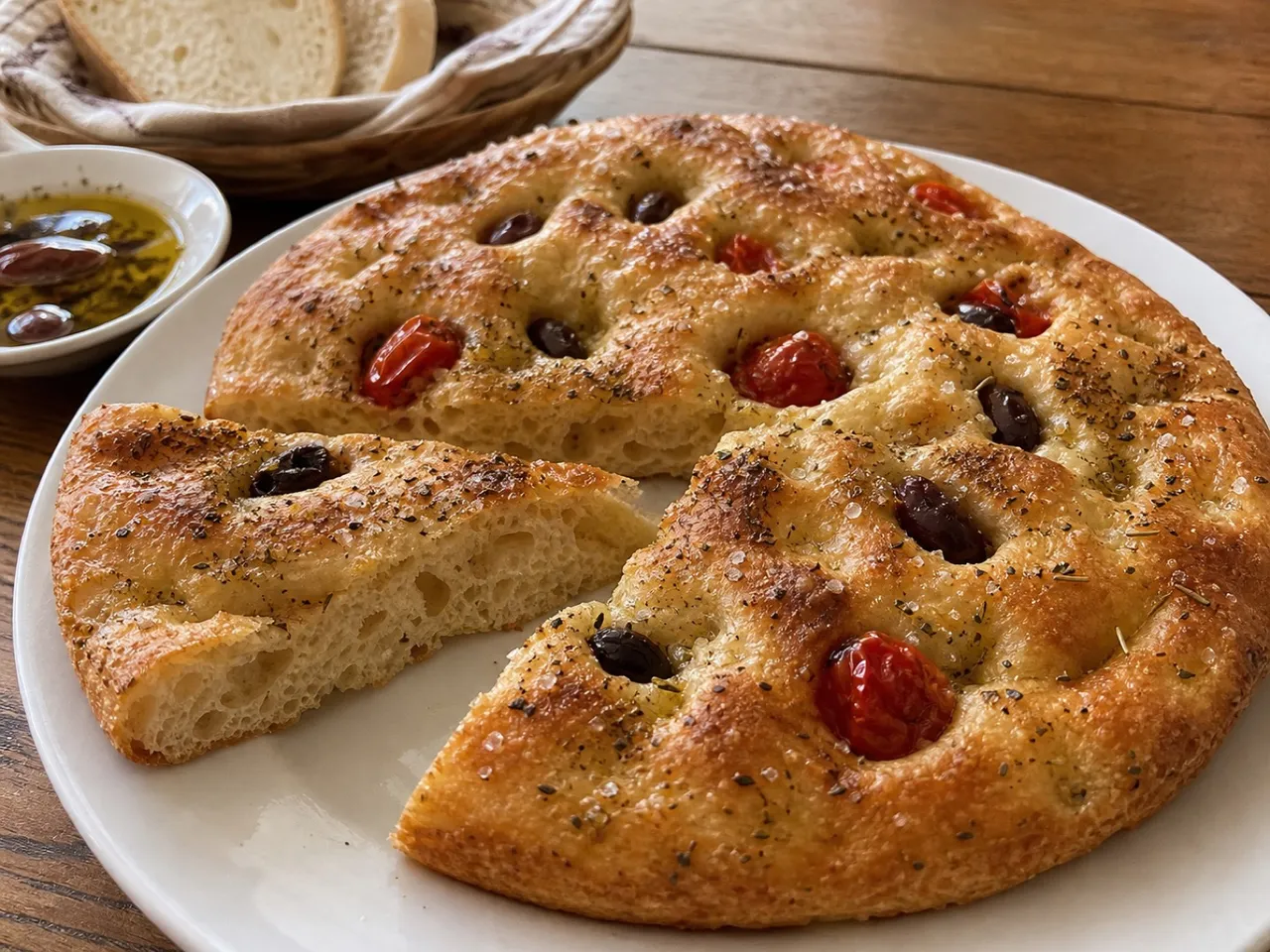 Serving Images are for illustrative purposes only, may be inaccurate, and do not guarantee the presence or absence of specific ingredients.
 Focaccia Bread
A flat oven-baked Italian bread flavored with olive oil and rosemary.
Contains common allergens
In the app, Listahan checks these against your household automatically.
Instructions
6 steps- 1
In a large bowl, dissolve the yeast and honey in the warm water. Let sit for 5-10 minutes until frothy.
- 2
Add the flour and fine sea salt to the yeast mixture. Mix until a shaggy dough forms. Turn out onto a floured surface and knead for 5-8 minutes until smooth and elastic.
- 3
Coat the inside of a large bowl with 1 tbsp of olive oil. Place the dough in the bowl, turning to coat. Cover with a damp towel and let rise in a warm place for 1.5 hours, or until doubled in size.
- 4
Pour 3 tbsp of olive oil into a 9x13 inch rimmed baking sheet. Punch down the dough and transfer it to the pan. Gently stretch it out to the edges (if it resists, let it rest 10 minutes, then try again). Cover and let rise for another 45 minutes until puffy.
- 5
Preheat oven to 400°F (200°C). Use your fingers to press deep dimples all over the surface of the dough, pressing almost to the bottom of the pan.
- 6
Drizzle the remaining olive oil evenly over the top so it pools in the dimples. Sprinkle generously with flaky sea salt and fresh rosemary leaves. Bake for 20-25 minutes until deep golden brown and crisp.
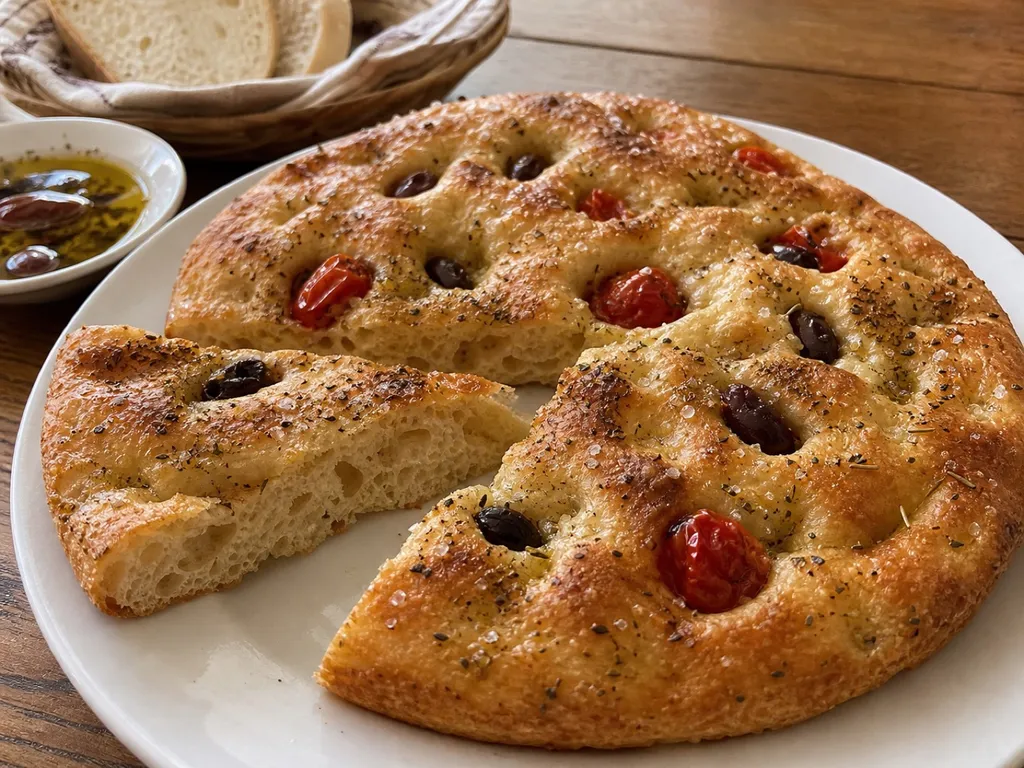 Images are for illustrative purposes only, may be inaccurate, and do not guarantee the presence or absence of specific ingredients.
 Listahan Family Score™
80/100
Good fit for most families
Score reflects how well this recipe fits a typical busy household. In the app, your Family Score is personalized to your household's allergens, kids, and pantry.
Nutrition
per serving700
Calories
13 g
Protein
96 g
Carbs
28 g
Fat
Estimated per serving. Actual values depend on the brands and portions you use.
Listahan cooking guide
Chef notes & practical guide
Technique notes, ingredient swaps, serve-alongside ideas, storage guidance, and equipment for this recipe.
Cultural context
Focaccia traces back to the Romans, whose panis focacius meant bread baked in the ashes of the hearth, and it found its definitive home in the Liguria region around Genoa. The classic version is dimpled, soaked with olive oil, and finished with coarse salt, sometimes rosemary. It sits between bread and flatbread, prized for a crisp, oil-fried bottom and an airy, tender crumb.
Listahan note
This version leans on a long, slow rise and a generous pour of olive oil in the pan, so the bottom fries crisp while the inside stays pillowy and full of holes.
Technique cues
- Let the dough ferment slowly, ideally with a cold overnight rise, which builds flavor and the open, bubbly crumb focaccia is known for.
- Pour olive oil generously into the pan before the dough goes in so the bottom shallow-fries to a crisp, golden crust as it bakes.
- Dimple the dough firmly with oiled fingertips right before baking so the wells trap pools of oil and salt that flavor every bite.
Kitchen flow
- Parallel prep
- Mix the dough the night before so it rises while you sleep, leaving only the dimpling and baking for the next day.
- Make-ahead
- The dough holds in the fridge for up to two days, and baked focaccia can be made in the morning for an evening meal.
- Leftover move
- Split day-old focaccia and grill it for sandwiches, or cube and toast it into oversized croutons for soup.
- Cleanup rhythm
- The oily pan wipes clean with a paper towel, and the mixing bowl soaks while the dough rises.
Ingredient brief
Role, handling, and swap guidance for each key ingredient.
Bread flour
the structure
Purpose: Higher-protein bread flour develops the gluten that gives focaccia its chewy, open crumb and lift.
Handling: Whisk to aerate before mixing and measure by weight for consistency.
Adaptation: All-purpose flour works for a slightly softer, less chewy loaf.
Yeast
the rise
Purpose: Yeast leavens the dough into its airy interior and develops the flavor during fermentation.
Handling: Use active dry or instant yeast and give the dough plenty of time to rise.
Adaptation: A sourdough starter makes a tangier, naturally leavened version with a longer timeline.
Extra virgin olive oil
flavor and crisp crust
Purpose: Olive oil is not optional here; it fries the base, flavors the crumb, and defines focaccia's character.
Handling: Use generously in the pan, in the dough, and drizzled on top before baking.
Adaptation: There is no real substitute; a good fruity olive oil is part of the dish's identity.
Flaky sea salt
the finishing crunch
Purpose: Coarse salt scattered on top gives bursts of seasoning and crunch against the soft bread.
Handling: Sprinkle just before baking so it stays crystalline on the crust.
Adaptation: Kosher salt works, though flaky salt gives the signature crackle.
Rosemary
aromatic topping
Purpose: Fresh rosemary is the classic herb, perfuming the oil and the crust as it bakes.
Handling: Strip the needles and press lightly into the dimpled dough.
Adaptation: Cherry tomatoes, olives, or thinly sliced onion all make popular toppings instead.
Technique notes
- Handle the risen dough gently when transferring it so you keep the air bubbles that make the crumb light.
- Bake until the top is deep golden and the bottom sounds hollow, which guarantees the crust has fully crisped.
- Let it cool on a rack for at least ten minutes so the crumb sets and the bottom stays crisp instead of steaming soft.
Ingredient swaps
- Whole-grain direction
- Replace a quarter of the bread flour with whole wheat for a nuttier, slightly denser loaf.
- Weeknight shortcut
- Use a same-day quick rise with a little extra yeast in a warm spot to bake within a few hours.
- Lower-sodium direction
- Cut the flaky salt on top and lean on rosemary and oil for flavor instead.
Serve alongside
- Marinated olives and roasted peppers
- Burrata with olive oil and pepper
- Minestrone or tomato soup for dipping
- Light Italian red such as Dolcetto
- Sparkling lemon water
Serving suggestions only — check pairings for your household's allergens.
Storage & reheating
- Best the day it is baked, focaccia keeps at room temperature wrapped loosely for up to two days.
- Refresh in a hot oven for a few minutes to recrisp the crust; freeze cooled focaccia for up to a month and reheat from frozen in the oven.
Equipment
- Quarter sheet pan or baking dish
- Large mixing bowl
- Bench scraper
- Cooling rack
Make this household-aware
Listahan Pro checks this recipe against your household's allergens, finds pantry-aware swaps, builds the shopping list, and helps you plan the week around it.
Plan it in Listahan
Add Focaccia Bread to your week, check it against your household's allergens, and build the shopping list automatically.
More Mediterranean recipes
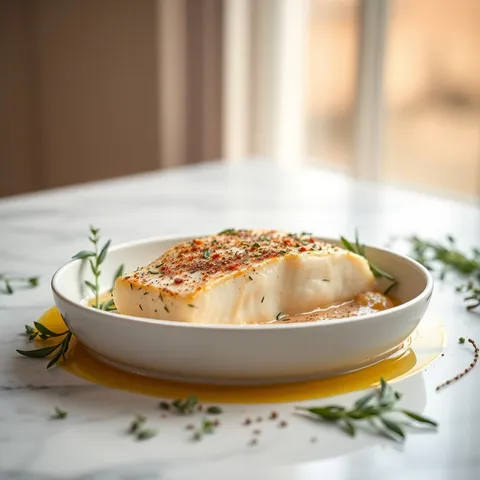 Mediterranean Lens Verified Images are for illustrative purposes only, may be inaccurate, and do not guarantee the presence or absence of specific ingredients.
 Mediterranean Baked Cod
Cod fillets baked with cherry tomatoes, Kalamata olives, and capers in garlicky olive oil, a bright one-pan Mediterranean fish dinner finished with parsley and lemon.
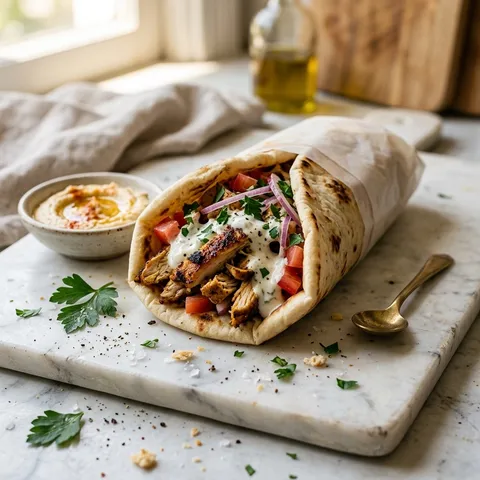 Mediterranean Lens Verified Images are for illustrative purposes only, may be inaccurate, and do not guarantee the presence or absence of specific ingredients.
 Shawarma Wraps
Marinated, thinly sliced meat wrapped in a flatbread with vegetables.
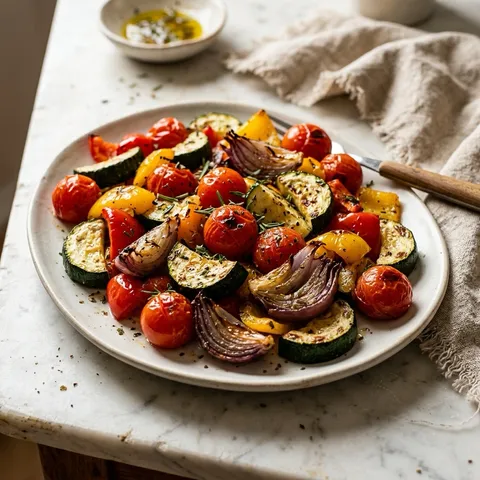 Mediterranean Lens Verified Images are for illustrative purposes only, may be inaccurate, and do not guarantee the presence or absence of specific ingredients.
 Mediterranean Roasted Vegetables
A colorful side dish or main of caramelized oven-roasted veggies.