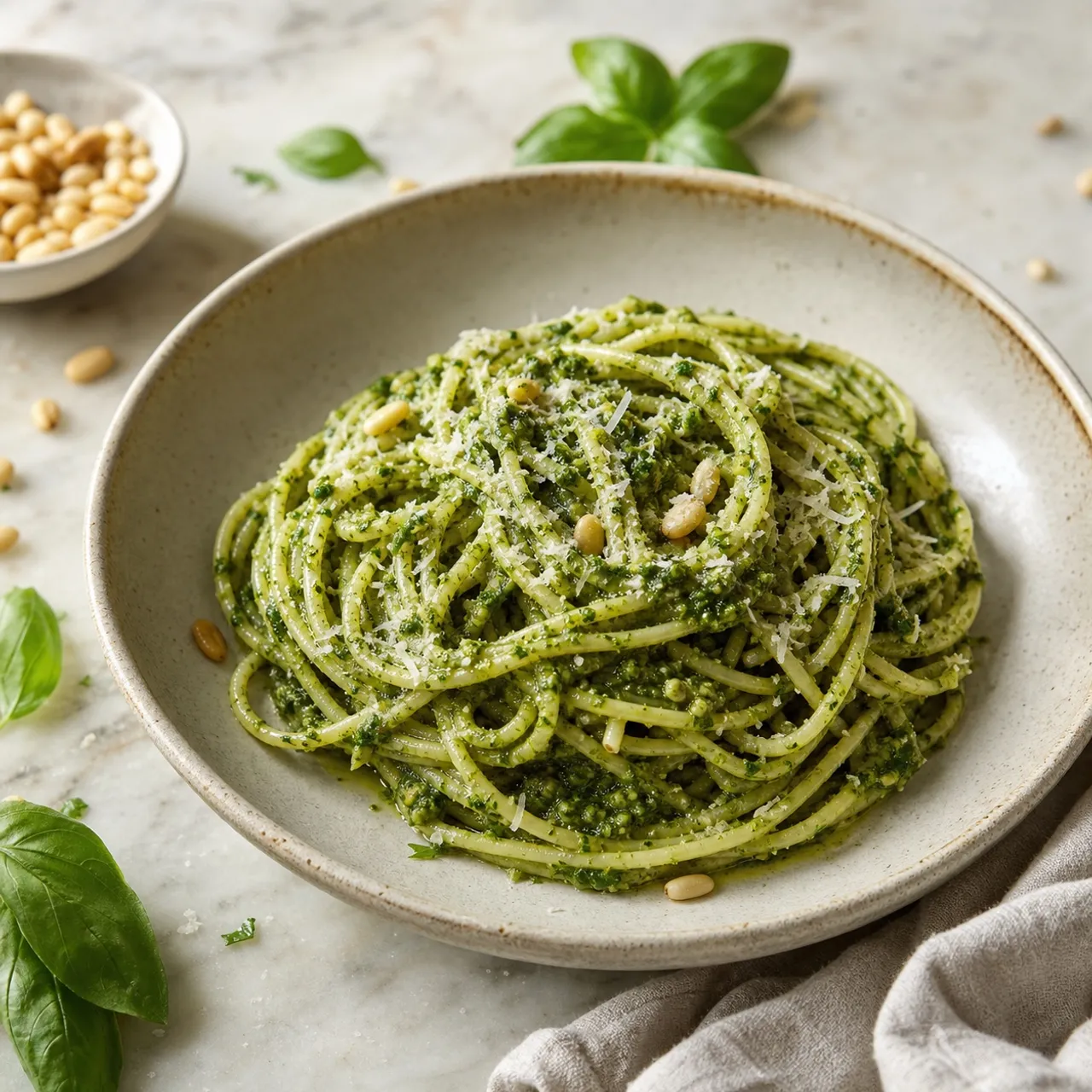
 Mediterranean Images are for illustrative purposes only, may be inaccurate, and do not guarantee the presence or absence of specific ingredients.
 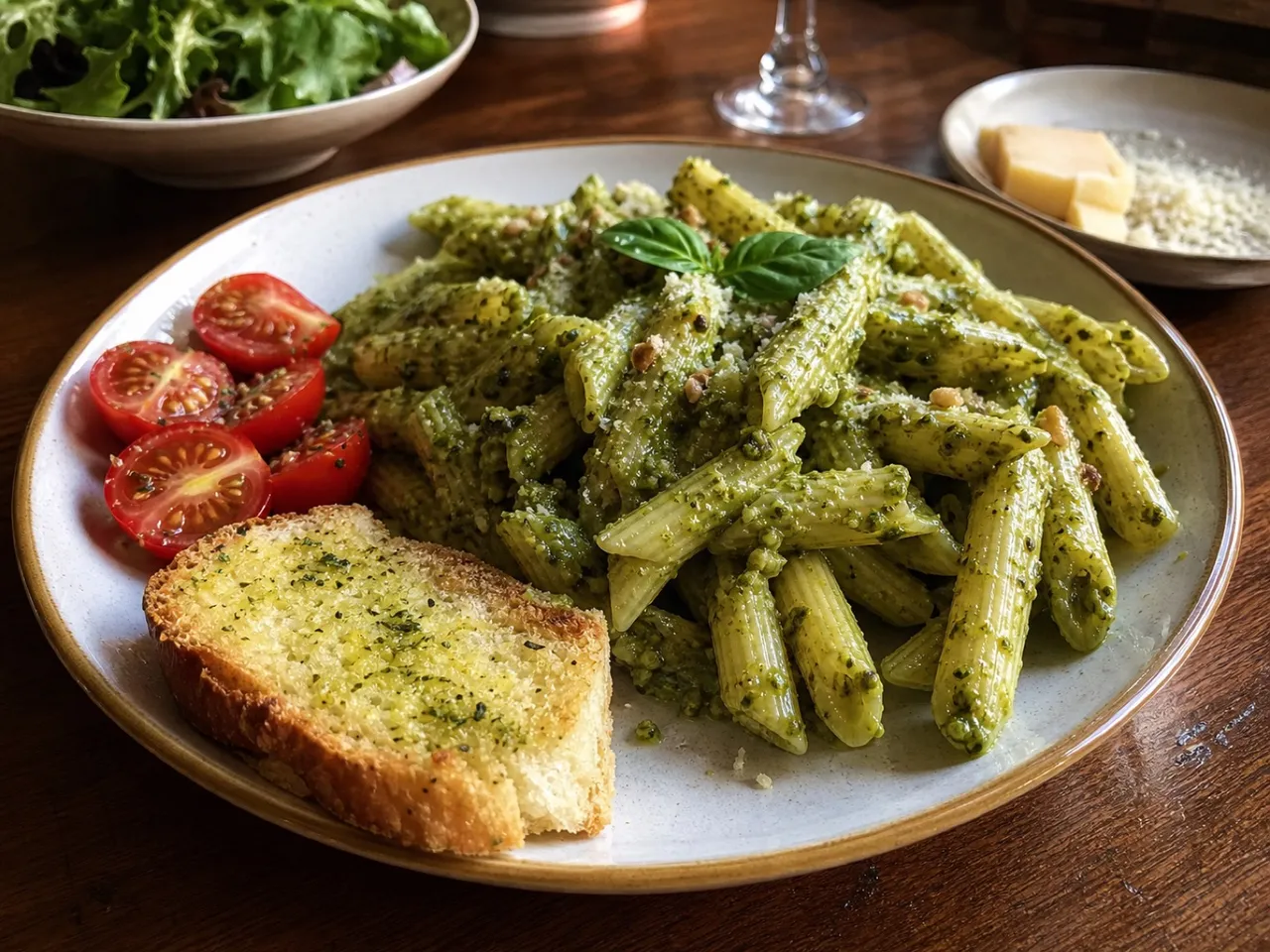 Serving Images are for illustrative purposes only, may be inaccurate, and do not guarantee the presence or absence of specific ingredients.
 Pesto Pasta
Pasta tossed in a fresh basil and pine nut sauce from Genoa.
Contains common allergens
In the app, Listahan checks these against your household automatically.
Good to know
- Ready in under 30 minutes
Matched from this dish's own ingredients and timing. Browse more: 30-minute meals
Instructions
6 steps- 1
Bring a large pot of salted water to a boil. Cook pasta until al dente. Reserve 1/2 cup of the starchy pasta water before draining the pasta.
- 2
While the pasta is cooking, make the pesto: In a food processor, combine the fresh basil leaves, toasted pine nuts, grated Parmigiano-Reggiano, garlic, salt, and black pepper.
- 3
Pulse the food processor a few times until the ingredients are coarsely chopped.
- 4
With the food processor running on a low speed, slowly stream in the extra virgin olive oil until the pesto is smooth and emulsified.
- 5
Place the drained, hot pasta in a large serving bowl. Add the fresh pesto sauce to the pasta.
- 6
Toss the pasta and pesto together. If the sauce is too thick, add a splash of the reserved hot pasta water to thin it out and help it coat the noodles evenly. Serve immediately.
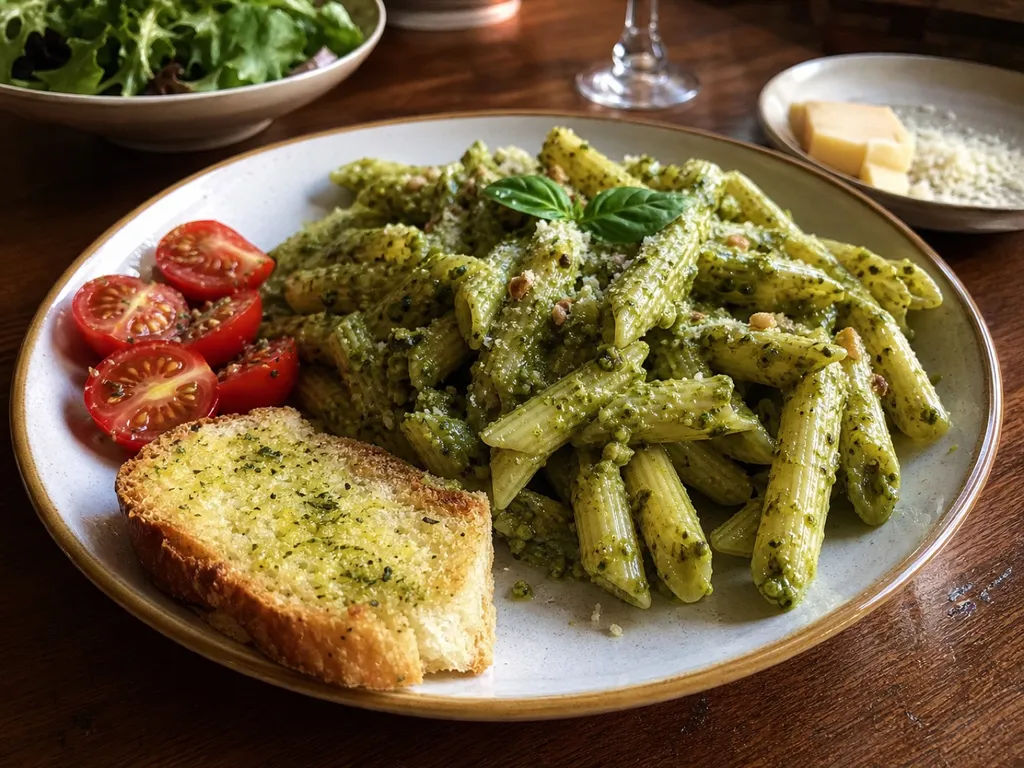 Images are for illustrative purposes only, may be inaccurate, and do not guarantee the presence or absence of specific ingredients.
 Listahan Family Score™
75/100
Good fit for most families
Score reflects how well this recipe fits a typical busy household. In the app, your Family Score is personalized to your household's allergens, kids, and pantry.
Nutrition
per serving925
Calories
22 g
Protein
89 g
Carbs
54 g
Fat
Estimated per serving. Actual values depend on the brands and portions you use.
Listahan cooking guide
Chef notes & practical guide
Technique notes, ingredient swaps, serve-alongside ideas, storage guidance, and equipment for this recipe.
Cultural context
Pesto comes from Genoa on Italy's Ligurian coast, where the name derives from pestare, to pound, describing how basil, pine nuts, garlic, and cheese were traditionally crushed together in a marble mortar. The classic version, pesto alla Genovese, is built on small-leaf Ligurian basil and a balance of two cheeses. Tossed with pasta, it became one of Italy's most exported dishes, beloved because it requires no cooking at all beyond the noodles.
Listahan note
This version loosens the pesto with a little starchy pasta water before tossing, so the sauce coats every strand evenly instead of clumping in oily pockets.
Technique cues
- Never heat pesto in a hot pan; instead toss it with the drained pasta off the heat, because high heat dulls the basil's color and turns it bitter.
- Loosen the pesto with a few spoonfuls of reserved pasta water until it flows, which lets it cling to the noodles rather than slide off.
- Blanch the basil for a few seconds and shock it in ice water before blending if you want a sauce that stays bright green for days.
Kitchen flow
- Parallel prep
- Blend the pesto while the pasta water heats, so the sauce waits ready in the serving bowl when the pasta drains.
- Make-ahead
- Pesto keeps several days in the fridge under a thin film of olive oil that seals out air and prevents browning.
- Leftover move
- Spread leftover pesto pasta cold into a lunch container, or thin extra pesto into a dressing for grain bowls.
- Cleanup rhythm
- Rinse the blender or food processor immediately, since dried pesto clings stubbornly once it sets in the crevices.
Ingredient brief
Role, handling, and swap guidance for each key ingredient.
Fresh basil
the heart of the sauce
Purpose: Basil is the dominant flavor and aroma of pesto, so its freshness sets the ceiling for the whole dish.
Handling: Wash and dry the leaves thoroughly, since water dilutes the sauce and speeds browning.
Adaptation: A mix of basil with spinach or arugula stretches the sauce and softens the cost.
Pine nuts
richness and body
Purpose: Pine nuts give the sauce its buttery texture and gentle sweetness, the traditional choice in Genoa.
Handling: Toast lightly in a dry pan until just golden to deepen their flavor before blending.
Adaptation: Walnuts or sunflower seeds work well and cost far less; sunflower seeds also avoid tree-nut allergens.
Parmesan
savory depth
Purpose: Aged cheese brings the salty, umami backbone that makes pesto taste complete rather than just herbal.
Handling: Grate fresh and blend in last, or stir in by hand for a slightly coarser texture.
Adaptation: Pecorino is sharper and saltier, or nutritional yeast for a dairy-free version.
Garlic
aromatic edge
Purpose: Raw garlic gives pesto its characteristic bite, so even a single clove changes the whole character.
Handling: Use one small clove and taste, since raw garlic intensifies as it sits.
Adaptation: Roasted garlic gives a mellower, sweeter version if raw is too sharp for the table.
Pasta
the base
Purpose: A shape with texture or curves holds the loose sauce so each bite carries pesto rather than bare noodle.
Handling: Cook to al dente and reserve a cup of water before draining.
Adaptation: Trofie and trenette are traditional, but any short shape or gluten-free pasta works.
Technique notes
- Build the pesto in pulses rather than a continuous blend so the friction heat does not cook the basil and dull its color.
- Add the olive oil last and in a slow stream, which keeps the emulsion smooth instead of greasy.
- Finish the bowl with a final grating of cheese and a crack of pepper at the table for fresh aroma.
Ingredient swaps
- Tree-nut-free direction
- Replace pine nuts with toasted sunflower or pumpkin seeds for the same body without the allergen.
- Dairy-free option
- Swap the cheese for two tablespoons of nutritional yeast and a pinch of extra salt to keep the savory depth.
- Gluten-free direction
- Use a sturdy gluten-free fusilli and reserve extra pasta water to help the sauce coat the drier noodle.
Serve alongside
- Caprese salad with mozzarella and tomato
- Blistered green beans with lemon
- Garlic-rubbed grilled bread
- Vermentino or other crisp Ligurian white
- Sparkling water with cucumber
Serving suggestions only — check pairings for your household's allergens.
Storage & reheating
- Dressed pesto pasta keeps in the fridge for up to three days in an airtight container.
- Reheat gently with a splash of water or enjoy cold as a pasta salad; freeze plain pesto in an ice cube tray for up to three months and thaw before tossing with fresh pasta.
Equipment
- Food processor or blender
- Large pot for pasta
- Microplane for fine grating
- Mortar and pestle for the traditional texture
Make this household-aware
Listahan Pro checks this recipe against your household's allergens, finds pantry-aware swaps, builds the shopping list, and helps you plan the week around it.
Plan it in Listahan
Add Pesto Pasta to your week, check it against your household's allergens, and build the shopping list automatically.
More Mediterranean recipes
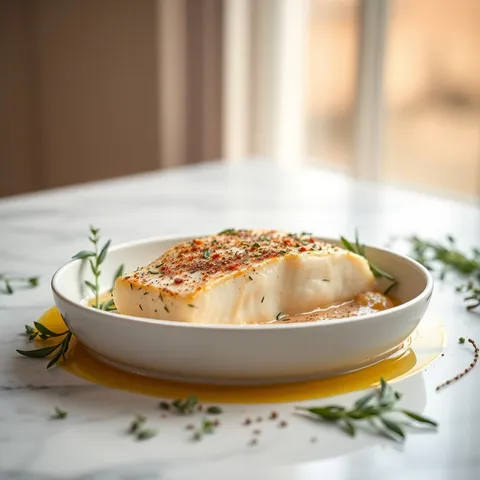 Mediterranean Lens Verified Images are for illustrative purposes only, may be inaccurate, and do not guarantee the presence or absence of specific ingredients.
 Mediterranean Baked Cod
Cod fillets baked with cherry tomatoes, Kalamata olives, and capers in garlicky olive oil, a bright one-pan Mediterranean fish dinner finished with parsley and lemon.
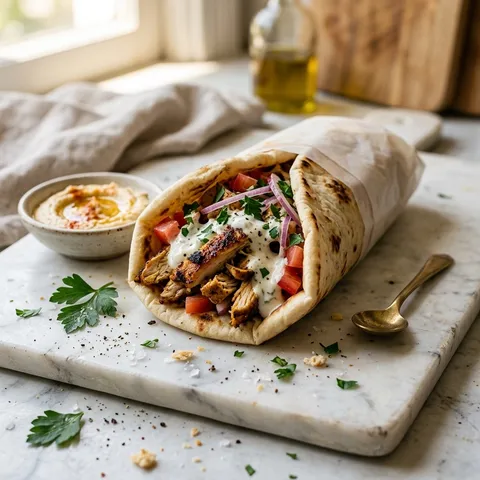 Mediterranean Lens Verified Images are for illustrative purposes only, may be inaccurate, and do not guarantee the presence or absence of specific ingredients.
 Shawarma Wraps
Marinated, thinly sliced meat wrapped in a flatbread with vegetables.
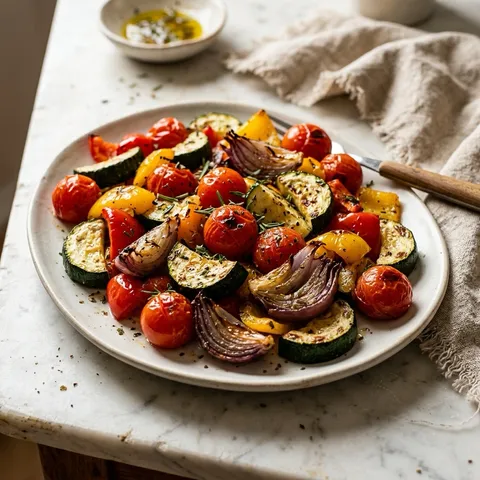 Mediterranean Lens Verified Images are for illustrative purposes only, may be inaccurate, and do not guarantee the presence or absence of specific ingredients.
 Mediterranean Roasted Vegetables
A colorful side dish or main of caramelized oven-roasted veggies.