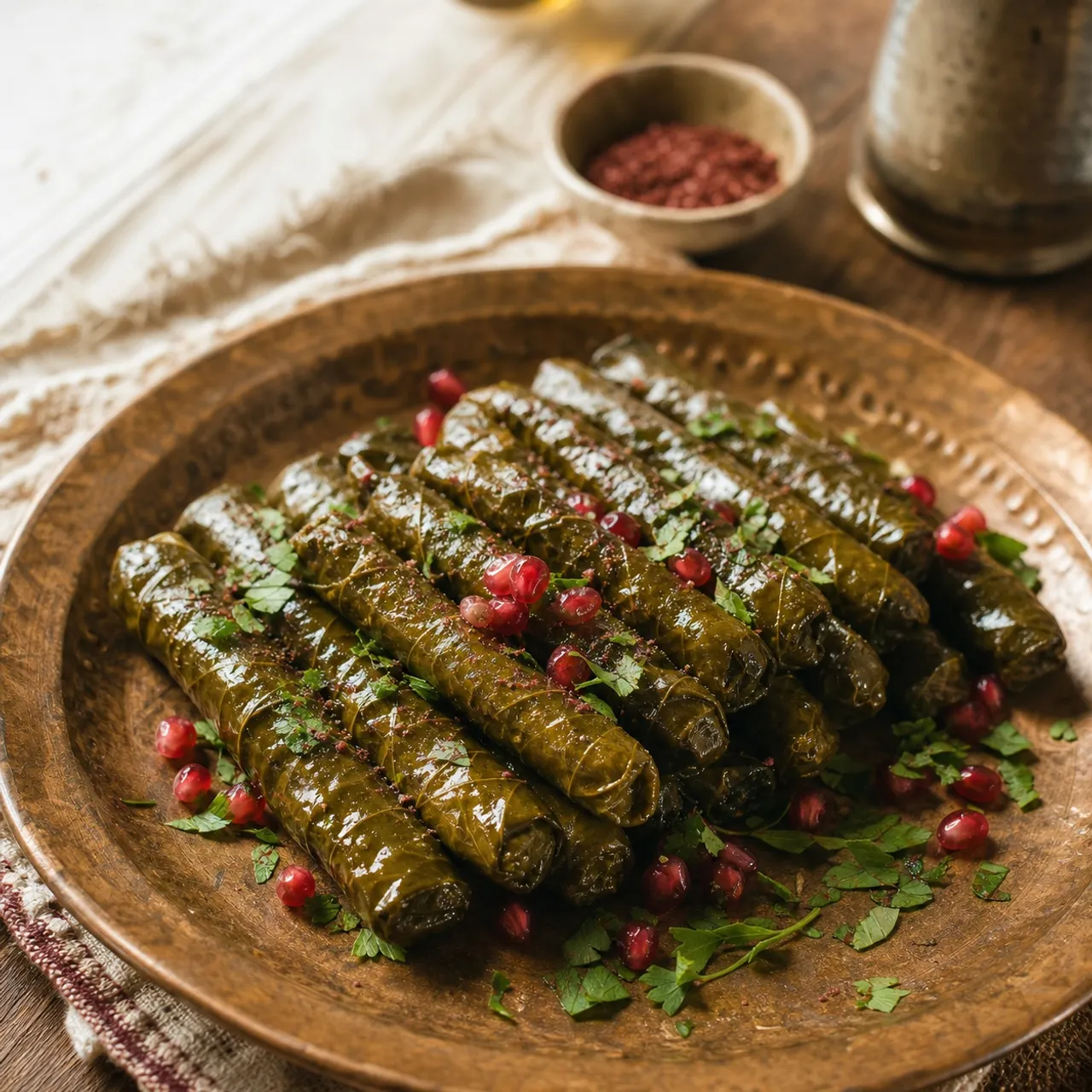
 Middle Eastern Images are for illustrative purposes only, may be inaccurate, and do not guarantee the presence or absence of specific ingredients.
 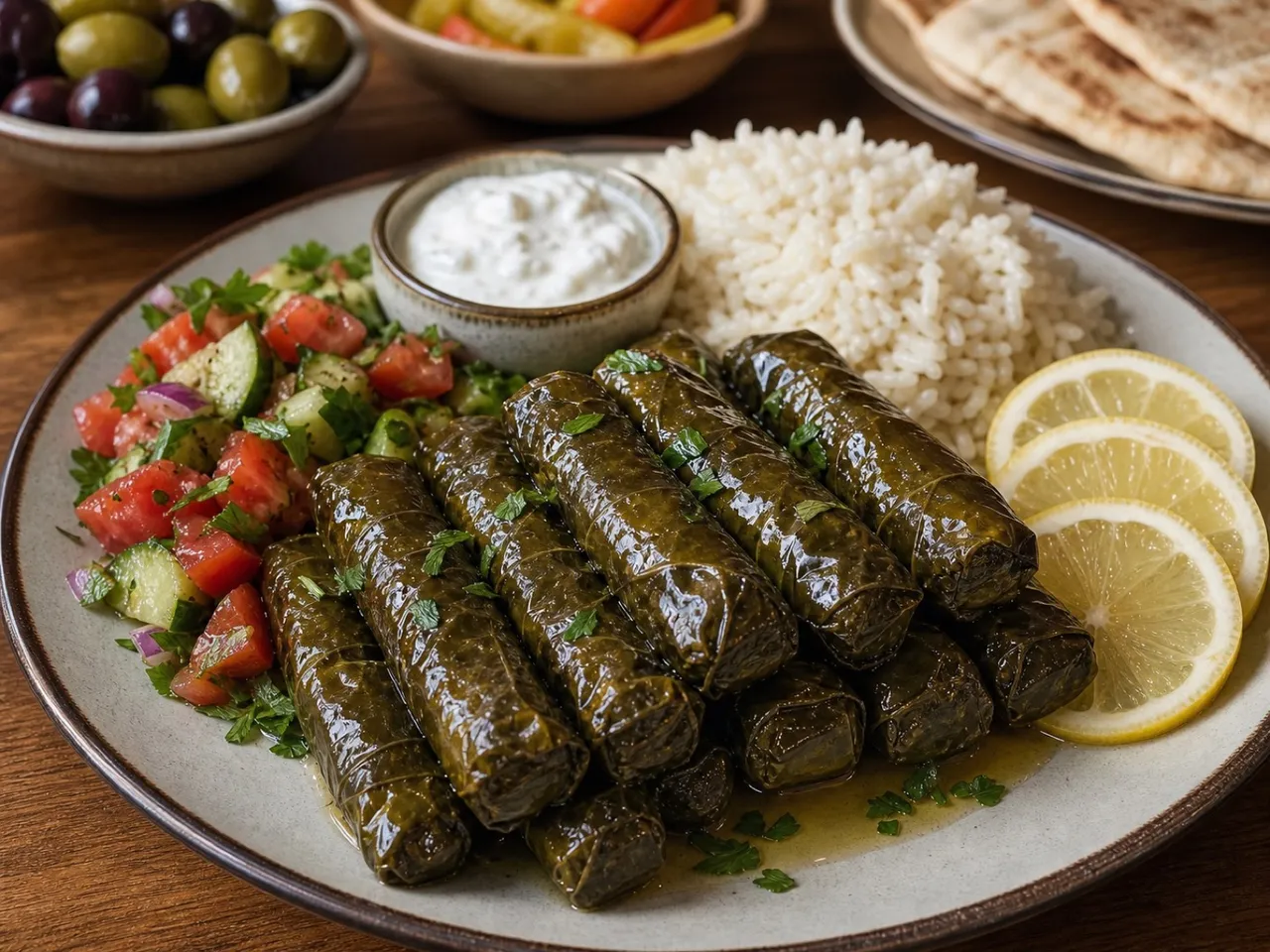 Serving Images are for illustrative purposes only, may be inaccurate, and do not guarantee the presence or absence of specific ingredients.
 Dolma (Warak Enab)
Grape leaves stuffed with a mixture of rice, meat, and herbs.
No common allergens detected
Based on this recipe's ingredient list. Always verify with your own brands and labels.
Good to know
- One-pot
Matched from this dish's own ingredients and timing. Browse more: one-pot dinners
Instructions
6 steps- 1
Gently unroll and rinse the grape leaves under cold water to remove the brine. Pluck off any tough stems.
- 2
In a bowl, thoroughly mix the raw ground meat, rinsed rice, diced tomato, chopped parsley, seven spice, 1 tsp salt, and 1 tbsp olive oil.
- 3
Lay a grape leaf flat on a cutting board, vein side up. Place 1 heaping teaspoon of filling in a line near the stem base. Fold the bottom over the filling, fold the sides inwards, and roll tightly like a small cigar.
- 4
Slice a large tomato or potato into thick rounds and line the bottom of a heavy pot (this prevents the leaves from scorching).
- 5
Tightly pack the rolled grape leaves seam-side down into the pot in concentric circles, stacking multiple layers if necessary.
- 6
Mix the lemon juice, remaining olive oil, 1 tsp salt, and 2 cups of hot water. Pour over the leaves. Place an inverted heat-proof plate on top to keep them submerged. Simmer gently on low heat for 1.5 hours until the leaves are tender and the rice is fully cooked.
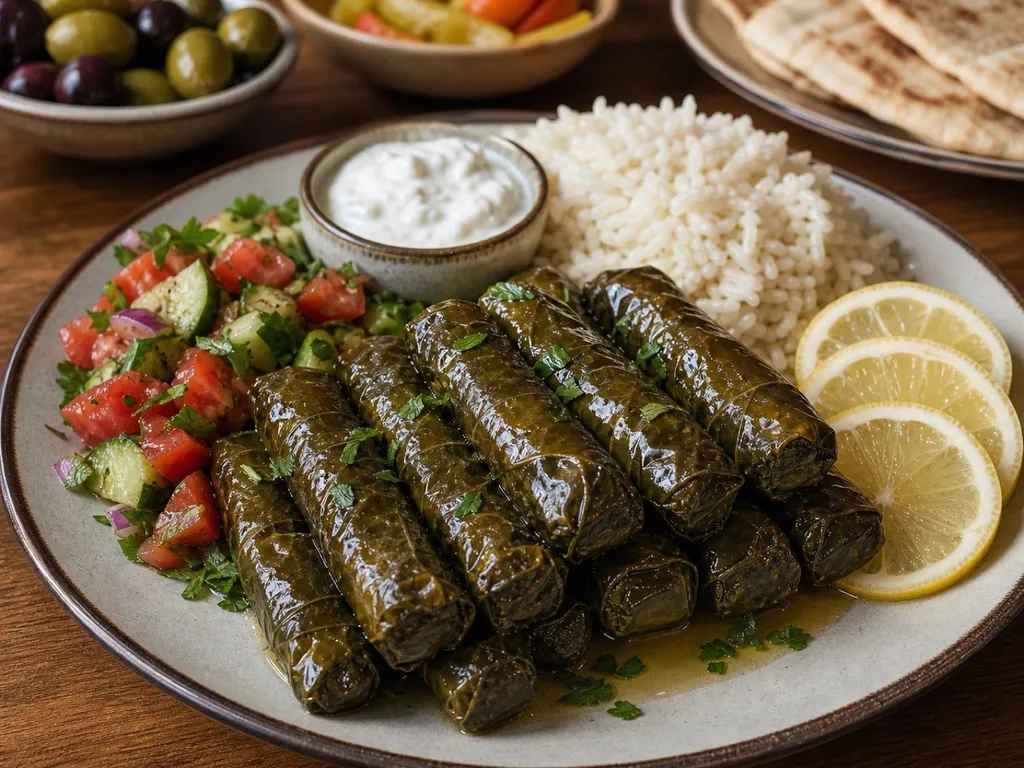 Images are for illustrative purposes only, may be inaccurate, and do not guarantee the presence or absence of specific ingredients.
 Listahan Family Score™
69/100
Works for many families
Score reflects how well this recipe fits a typical busy household. In the app, your Family Score is personalized to your household's allergens, kids, and pantry.
Nutrition
per serving780
Calories
44 g
Protein
54 g
Carbs
41 g
Fat
Estimated per serving. Actual values depend on the brands and portions you use.
Listahan cooking guide
Chef notes & practical guide
Technique notes, ingredient swaps, serve-alongside ideas, storage guidance, and equipment for this recipe.
Cultural context
Warak enab, meaning grape leaves in Arabic, are tender vine leaves rolled tightly around a filling of rice and herbs, sometimes with meat, eaten across the Levant, Turkey, Greece, and the wider region under the broad name dolma. The dish reflects the Ottoman culinary world, where stuffing vegetables and leaves was elevated to an art. Rolling them thin and uniform, then packing the pot so they hold their shape, is the patient craft at its heart.
Listahan note
This version makes the Levantine warak enab with a lemony rice-and-herb filling, rolled snug and simmered until the leaves go silky. It can be made meat-free or with meat folded into the rice.
Technique cues
- Blanch or rinse the grape leaves to soften them and remove excess brine before rolling, so they are pliable and not too salty.
- Roll each leaf snug but not tight, since the rice swells as it cooks and an overstuffed roll will burst.
- Line the pot bottom with extra or torn leaves and weight the rolls with a plate so they stay packed and do not unravel while simmering.
Kitchen flow
- Parallel prep
- Mix the filling and prep the leaves first, then set up a rolling station so you can work through the stack efficiently.
- Make-ahead
- Warak enab are even better the next day cold, so make them ahead and let the flavors settle in the fridge.
- Leftover move
- Serve leftover rolls cold as mezze with yogurt and lemon, or pan-crisp them for a different texture.
- Cleanup rhythm
- Roll over a single board or tray and pack straight into the pot, keeping the sticky rice filling to one surface.
Ingredient brief
Role, handling, and swap guidance for each key ingredient.
grape leaves
the wrapper
Purpose: The tender vine leaves are the defining element, contributing a subtle tang and the signature rolled form.
Handling: Rinse jarred leaves well, or blanch fresh ones, and trim any tough stems.
Adaptation: Blanched cabbage or chard leaves work when grape leaves are unavailable.
rice
the filling base
Purpose: Rice is the body of the filling, swelling as it cooks to fill the rolls tightly.
Handling: Rinse and mix raw with the herbs and seasoning so it cooks inside the roll.
Adaptation: A rice and ground meat mix makes the heartier meat version.
fresh parsley and mint
herbal heart
Purpose: Herbs give the filling its fresh, green Levantine character against the lemon and rice.
Handling: Chop fine and fold through the rice filling.
Adaptation: Dill is common in some regional versions for a different aroma.
lemon juice
defining brightness
Purpose: Lemon, both in the filling and the cooking liquid, gives warak enab its signature tang.
Handling: Add to the filling and pour more over the packed rolls before simmering.
Adaptation: A splash of pomegranate molasses adds a sweeter, tangier note.
olive oil
richness and gloss
Purpose: Olive oil enriches the filling and gives the leaves their silky finish, especially in the meat-free version.
Handling: Mix into the filling and drizzle over the rolls before cooking.
Adaptation: Any good fruity oil works in place of olive oil.
Technique notes
- Place the rolls seam-side down and packed tightly in concentric circles so they brace each other and stay closed.
- Set an inverted plate directly on top of the rolls before adding liquid, which keeps them submerged and intact.
- Cook low and slow; a gentle simmer cooks the rice through without boiling the delicate leaves apart.
Ingredient swaps
- Vegetarian direction
- Keep the filling meat-free with just rice, herbs, and olive oil for the classic vegan mezze version.
- Leaf-free alternative
- Use the same filling to stuff blanched cabbage leaves or hollowed zucchini when grape leaves are scarce.
- Lower-sodium direction
- Rinse jarred leaves thoroughly and season the filling lightly, leaning on lemon and herbs.
Serve alongside
- Garlic yogurt sauce
- Hummus
- Fattoush
- Labneh with olive oil
- Mint tea
- Mint lemonade
- Sparkling water with lemon
Serving suggestions only — check pairings for your household's allergens.
Storage & reheating
- Warak enab keep in the fridge for up to five days and are often served cold, so they are excellent make-ahead food. Reheat the meat version gently in a covered pan with a splash of water if you prefer it warm. Cooked rolls freeze for up to two months, thawing best in the fridge overnight.
Equipment
- Heavy pot with a lid
- Heatproof plate to weigh down the rolls
- Cutting board for rolling
- Mixing bowl
Make this household-aware
Listahan Pro checks this recipe against your household's allergens, finds pantry-aware swaps, builds the shopping list, and helps you plan the week around it.
Plan it in Listahan
Add Dolma (Warak Enab) to your week, check it against your household's allergens, and build the shopping list automatically.
More Middle Eastern recipes
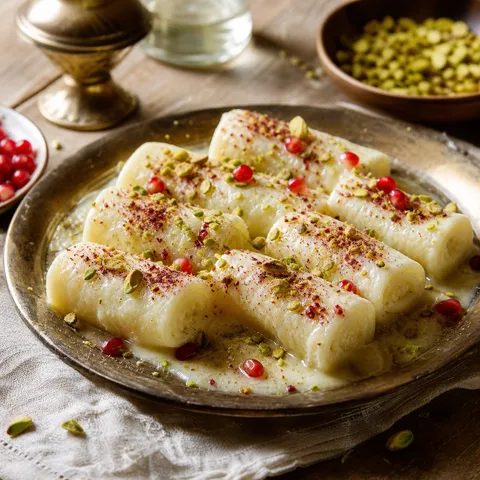 Middle Eastern Lens Verified Images are for illustrative purposes only, may be inaccurate, and do not guarantee the presence or absence of specific ingredients.
 Halawet El Jibn
A Levantine sweet cheese roll of stretched mozzarella and semolina dough wrapped around rose-scented clotted cream, topped with crushed pistachios and sugar syrup.
 Middle Eastern Lens Verified Images are for illustrative purposes only, may be inaccurate, and do not guarantee the presence or absence of specific ingredients.
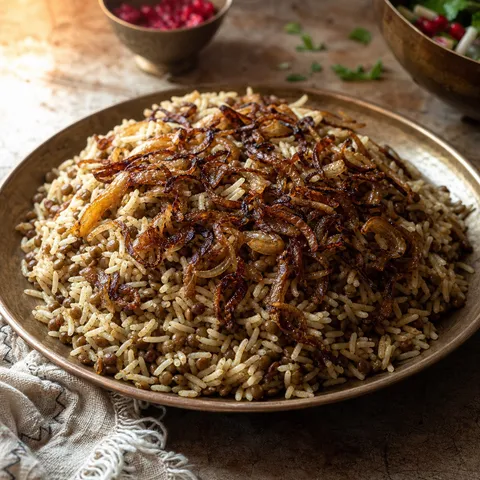
 Mujadara
A comforting dish of cooked lentils together with groats or rice, garnished with sautéed onions.
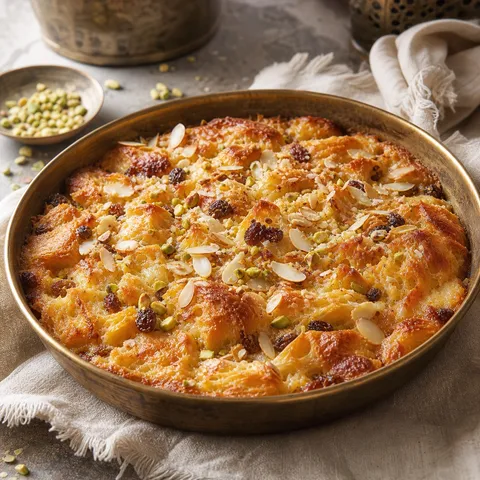 Middle Eastern Lens Verified Images are for illustrative purposes only, may be inaccurate, and do not guarantee the presence or absence of specific ingredients.
 Umm Ali
An Egyptian bread pudding of flaky puff pastry soaked in sweetened milk and cream, topped with almonds, pistachios, raisins, and coconut, then baked until bubbling.