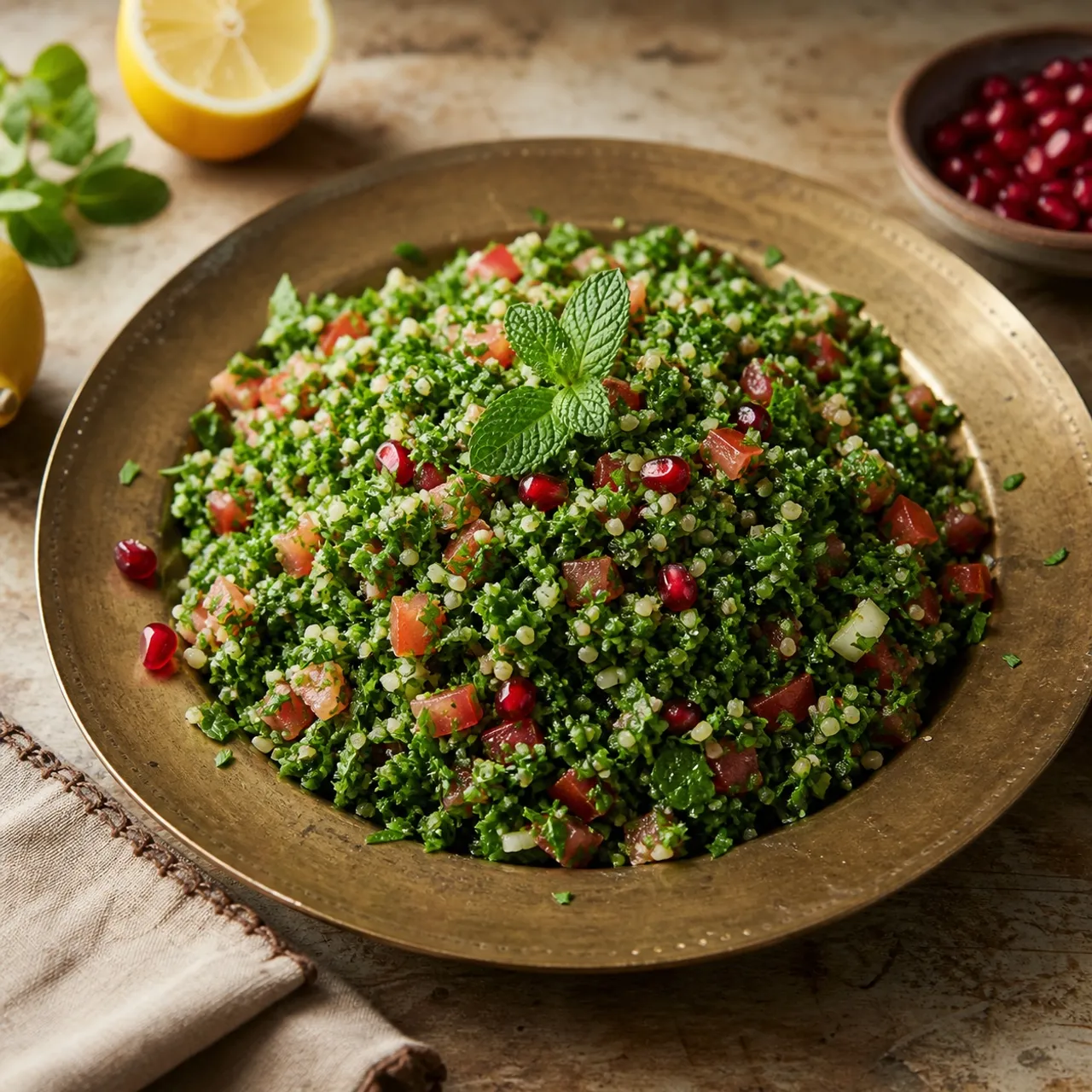
 Middle Eastern Images are for illustrative purposes only, may be inaccurate, and do not guarantee the presence or absence of specific ingredients.
 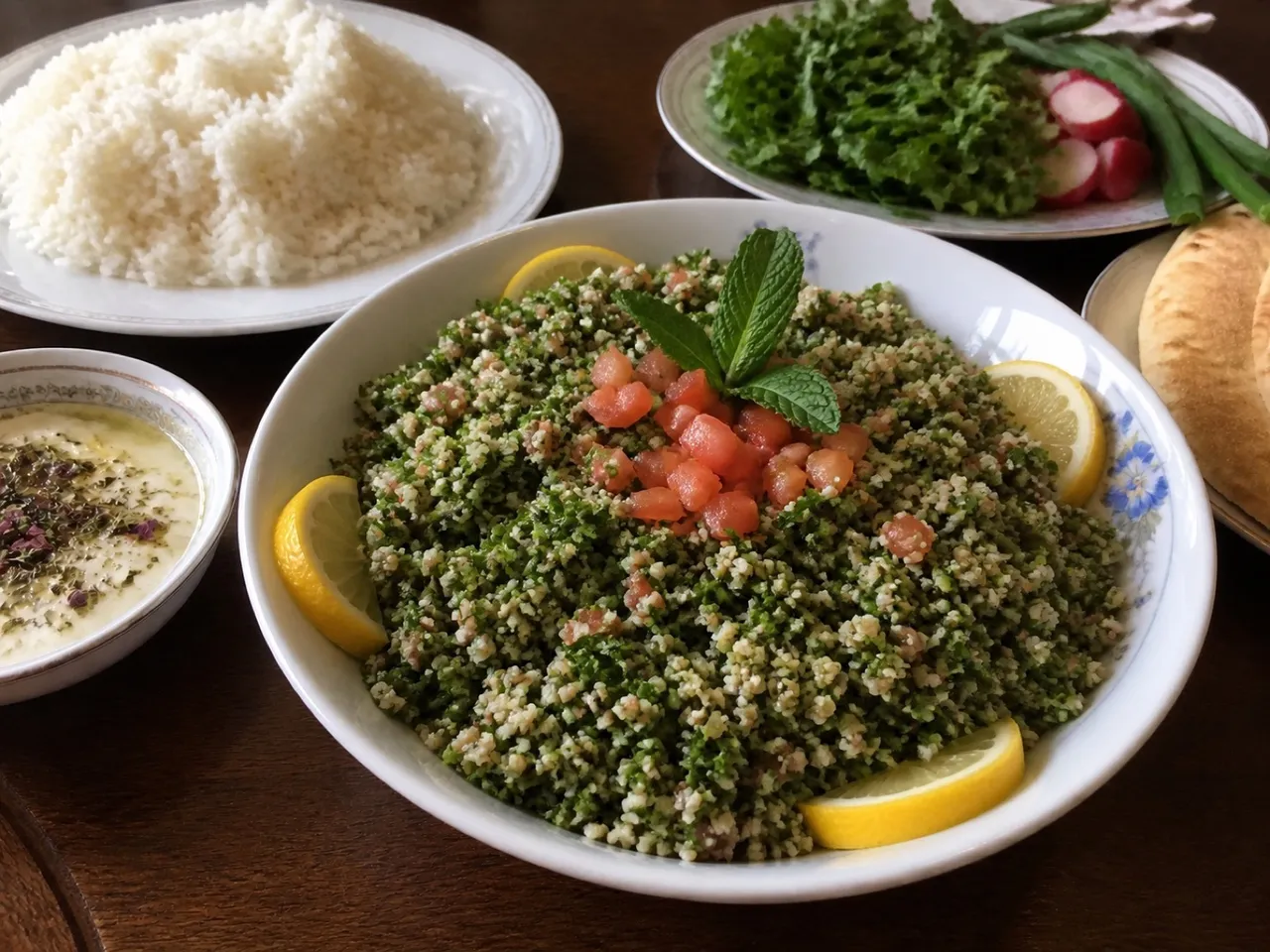 Serving Images are for illustrative purposes only, may be inaccurate, and do not guarantee the presence or absence of specific ingredients.
 Tabbouleh
A fresh herb salad primarily made of finely chopped parsley.
Contains common allergens
In the app, Listahan checks these against your household automatically.
Good to know
- Ready in under 30 minutes
Matched from this dish's own ingredients and timing. Browse more: 30-minute meals
Instructions
6 steps- 1
Rinse the fine bulgur wheat under cold water until it runs clear, then place it in a small bowl. Pour 1/3 cup of boiling water over it, cover, and let it soak for 15 minutes until tender.
- 2
Wash the parsley and mint thoroughly, spin them completely dry in a salad spinner to prevent a soggy salad, and chop them as finely as possible.
- 3
Finely dice the Roma tomatoes, placing them in a colander over a bowl for 5 minutes to drain excess juices, keeping the salad crisp.
- 4
Fluff the soaked bulgur with a fork and transfer it to a large mixing bowl.
- 5
Add the chopped parsley, mint, scallions, and drained tomatoes to the bulgur.
- 6
In a small jar, whisk together the fresh lemon juice, extra virgin olive oil, and salt. Pour the dressing over the salad just before serving and toss gently to coat evenly.
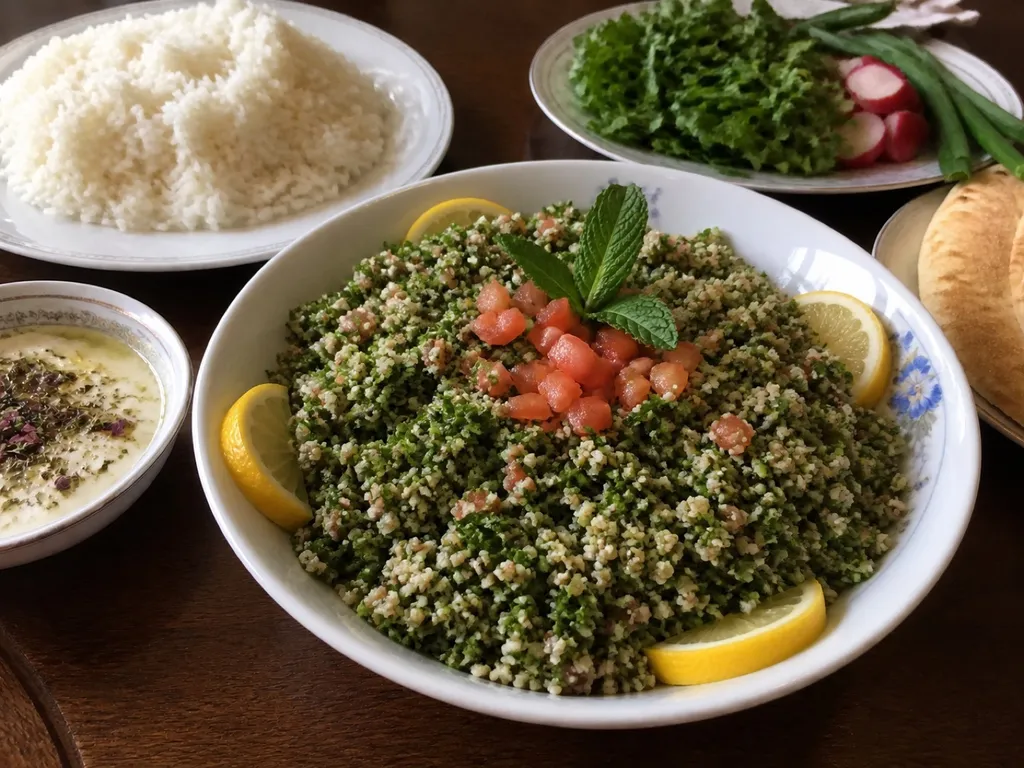 Images are for illustrative purposes only, may be inaccurate, and do not guarantee the presence or absence of specific ingredients.
 Listahan Family Score™
69/100
Works for many families
Score reflects how well this recipe fits a typical busy household. In the app, your Family Score is personalized to your household's allergens, kids, and pantry.
Nutrition
per serving180
Calories
2 g
Protein
13 g
Carbs
14 g
Fat
Estimated per serving. Actual values depend on the brands and portions you use.
Listahan cooking guide
Chef notes & practical guide
Technique notes, ingredient swaps, serve-alongside ideas, storage guidance, and equipment for this recipe.
Cultural context
Tabbouleh is a Levantine salad from the mountains of Lebanon and Syria, where it is built around parsley, not grain. The bulgur is a supporting accent, which surprises many North Americans used to grain-heavy versions sold in delis. A proper tabbouleh is overwhelmingly green, sharp with lemon, and chopped fine enough to eat with a spoon or scoop with lettuce.
Listahan note
This version keeps the traditional ratio where parsley dominates and bulgur is a whisper, dressed simply with lemon and olive oil so the herbs stay the star. It is meant to taste like a herb salad, not a grain bowl.
Technique cues
- Soak the fine bulgur in just the lemon juice and tomato liquid rather than water, so it plumps while absorbing flavor instead of going bland.
- Dry the parsley completely after washing, because any clinging water dilutes the dressing and turns the salad soggy.
- Dress and salt only just before serving, since salt draws water from the tomatoes and parsley and can flood the bowl if it sits.
Kitchen flow
- Parallel prep
- Soak the bulgur in the lemon and tomato juice while you chop the parsley, mint, and onion so everything comes together at once.
- Make-ahead
- Chop the herbs and prep the bulgur ahead, but keep them separate and dress only just before serving to avoid wilting.
- Leftover move
- Fold leftover tabbouleh into a wrap with grilled chicken and garlic sauce for a bright next-day lunch.
- Cleanup rhythm
- Use a salad spinner for the herbs so washing and drying happen in one step with little mess.
Ingredient brief
Role, handling, and swap guidance for each key ingredient.
flat-leaf parsley
the main body
Purpose: Parsley is the dish itself here, providing the fresh, peppery green base rather than a garnish.
Handling: Wash, dry thoroughly, and chop fine by hand so it stays bright rather than bruised in a processor.
Adaptation: A mix of parsley and mint shifts the balance slightly cooler and more aromatic.
fine bulgur
textural accent
Purpose: A small amount of bulgur adds chew and nuttiness without turning the salad into a grain dish.
Handling: Use the finest grind and soak it only until just tender so it stays light.
Adaptation: Cooked quinoa makes a gluten-free stand-in with a similar tender bite.
tomatoes
juicy sweetness
Purpose: Ripe tomatoes add sweet acidity and the juice that helps soften the bulgur.
Handling: Dice small and, if very wet, drain briefly so they do not flood the bowl.
Adaptation: Halved cherry tomatoes hold up better out of peak season.
lemon juice
defining acid
Purpose: Generous fresh lemon is what makes tabbouleh sing, cutting the richness of the oil and herbs.
Handling: Squeeze fresh and dress at the last minute for the brightest result.
Adaptation: Lime juice gives a slightly different but workable tang.
fresh mint
cooling aroma
Purpose: A handful of mint lifts the whole salad with a clean, cooling note alongside the parsley.
Handling: Stack, roll, and slice the leaves thin just before mixing so they do not blacken.
Adaptation: Dried mint, used sparingly, works when fresh is unavailable.
Technique notes
- Chopping the parsley with a very sharp knife rather than a processor keeps the leaves from bruising and weeping green liquid.
- Let the dressed salad rest just five minutes so the bulgur finishes softening, but no longer or it turns watery.
- A pinch of ground allspice or cinnamon in the dressing adds a quiet warmth that many traditional Lebanese cooks use.
Ingredient swaps
- Gluten-free direction
- Swap the bulgur for cooked quinoa or cauliflower rice to keep the texture without the wheat.
- Lower-acid direction
- Cut the lemon with a little olive oil and a pinch of sugar for palates that find it too sharp.
- Grain-free direction
- Skip the bulgur entirely for a pure herb salad, which is closer to some regional versions.
Serve alongside
- Hummus with warm pita
- Grilled kofta skewers
- Baba ghanoush
- Stuffed grape leaves
- Mint lemonade
- Sparkling water with cucumber
- Hot black tea
Serving suggestions only — check pairings for your household's allergens.
Storage & reheating
- Dressed tabbouleh is best the day it is made but holds for up to two days in the fridge, though it softens and weeps over time. Store the chopped herbs and bulgur separately from the dressing to extend freshness. It does not freeze well because of the high water content.
Equipment
- Salad spinner
- Sharp chef's knife
- Large mixing bowl
- Citrus juicer
Make this household-aware
Listahan Pro checks this recipe against your household's allergens, finds pantry-aware swaps, builds the shopping list, and helps you plan the week around it.
Plan it in Listahan
Add Tabbouleh to your week, check it against your household's allergens, and build the shopping list automatically.
More Middle Eastern recipes
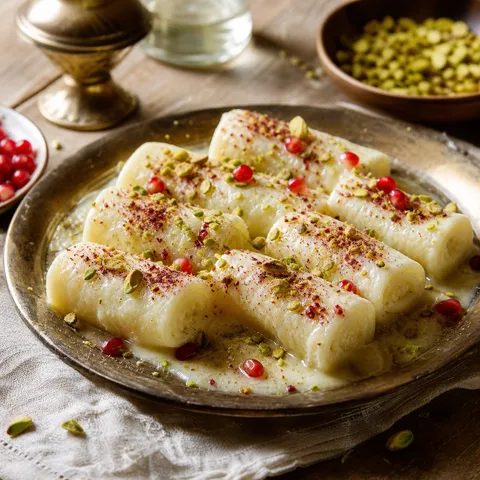 Middle Eastern Lens Verified Images are for illustrative purposes only, may be inaccurate, and do not guarantee the presence or absence of specific ingredients.
 Halawet El Jibn
A Levantine sweet cheese roll of stretched mozzarella and semolina dough wrapped around rose-scented clotted cream, topped with crushed pistachios and sugar syrup.
 Middle Eastern Lens Verified Images are for illustrative purposes only, may be inaccurate, and do not guarantee the presence or absence of specific ingredients.
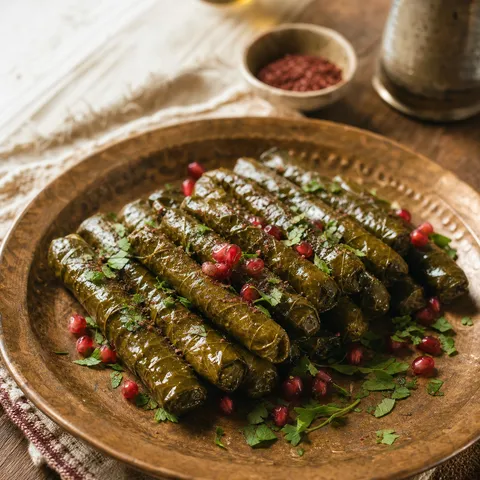
 Dolma (Warak Enab)
Grape leaves stuffed with a mixture of rice, meat, and herbs.
 Middle Eastern Lens Verified Images are for illustrative purposes only, may be inaccurate, and do not guarantee the presence or absence of specific ingredients.
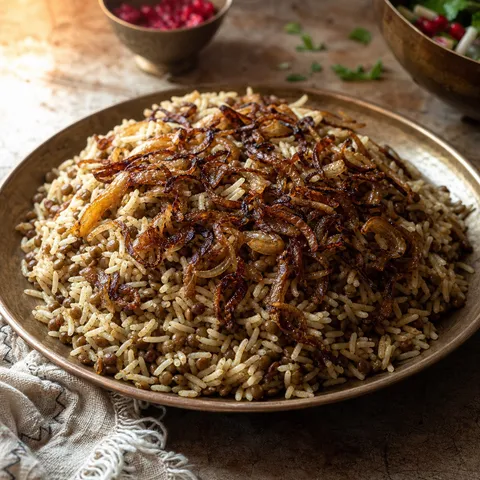
 Mujadara
A comforting dish of cooked lentils together with groats or rice, garnished with sautéed onions.