 Middle Eastern Images are for illustrative purposes only, may be inaccurate, and do not guarantee the presence or absence of specific ingredients.
  Serving Images are for illustrative purposes only, may be inaccurate, and do not guarantee the presence or absence of specific ingredients.
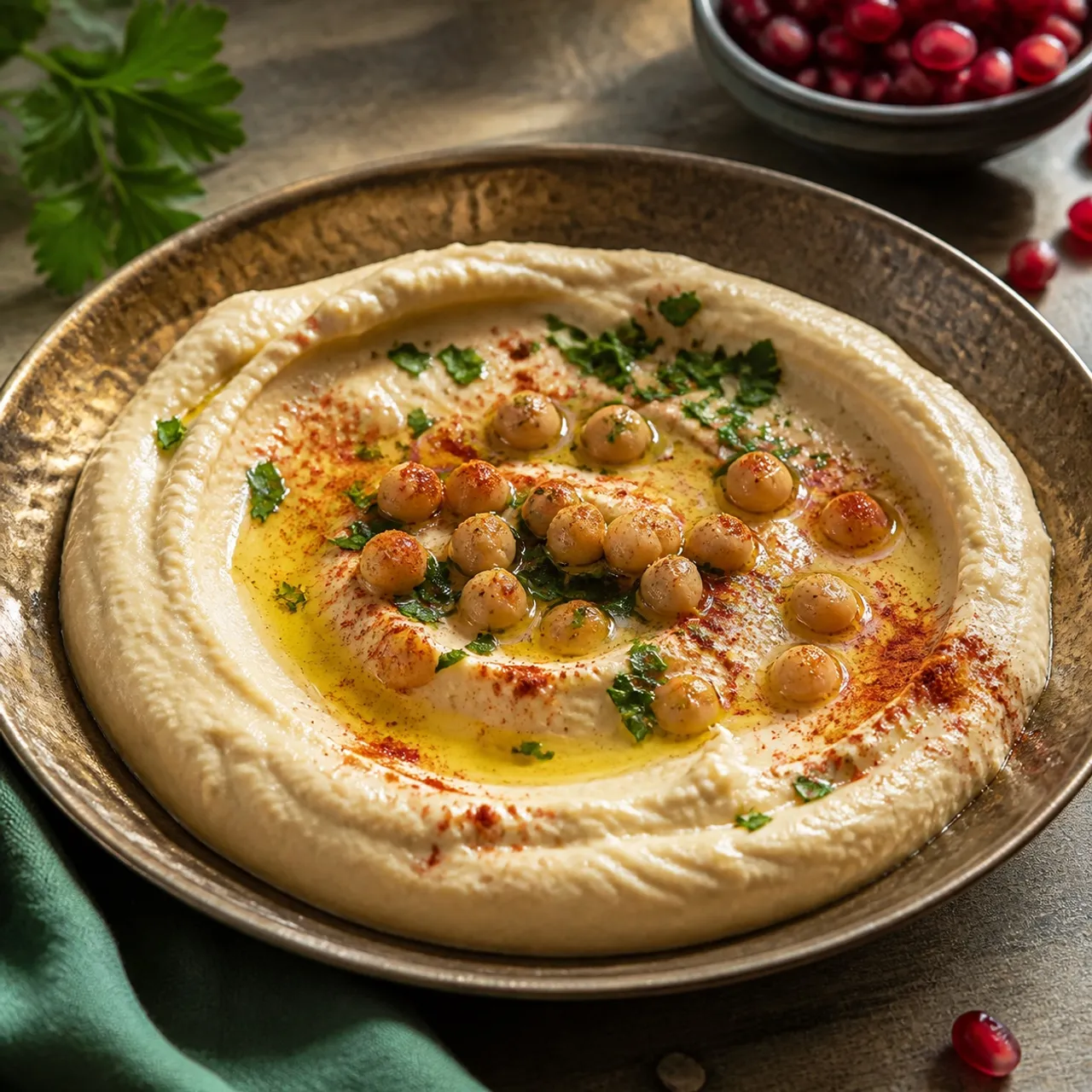
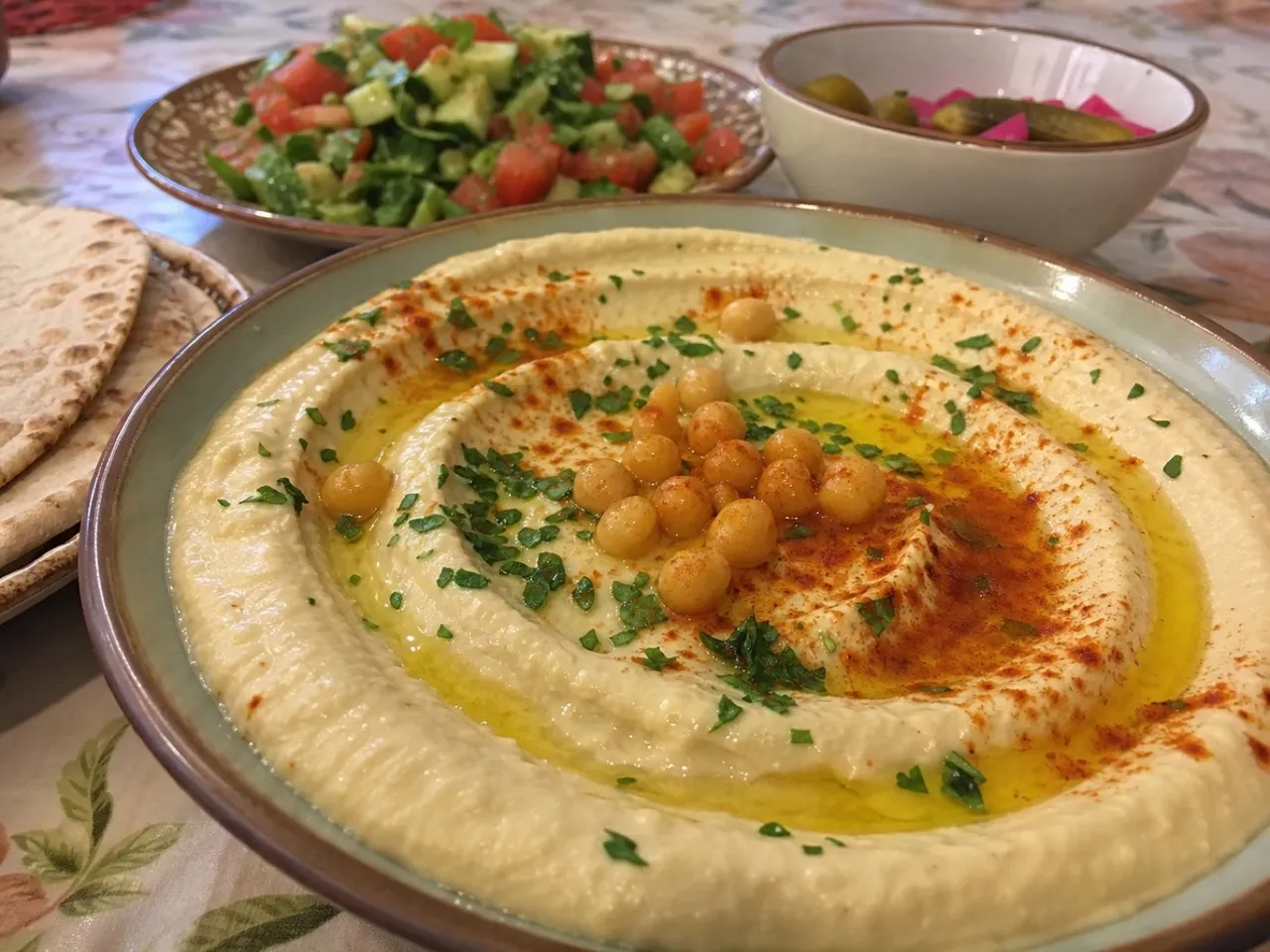
 Hummus
Chickpeas blended smooth with tahini, garlic, lemon juice, and olive oil, seasoned with cumin, the classic creamy Middle Eastern dip.
Contains common allergens
In the app, Listahan checks these against your household automatically.
Good to know
- Ready in under 30 minutes
Matched from this dish's own ingredients and timing. Browse more: 30-minute meals
Instructions
6 steps- 1
Drain and rinse the chickpeas, removing the skins for an extra-smooth texture if desired.
- 2
In a food processor, combine the tahini and fresh lemon juice. Process for 1 minute, scrape the sides, and process for 30 more seconds until creamy and lightened in color.
- 3
Add the minced garlic, cumin, and kosher salt to the whipped tahini. Process for another 30 seconds.
- 4
Add half of the chickpeas and process for 1 minute. Scrape the sides and add the remaining chickpeas, processing until thick and smooth (about 1-2 minutes).
- 5
While the processor is running, slowly drizzle in 2 tbsp of cold water to achieve a fluffy, airy consistency.
- 6
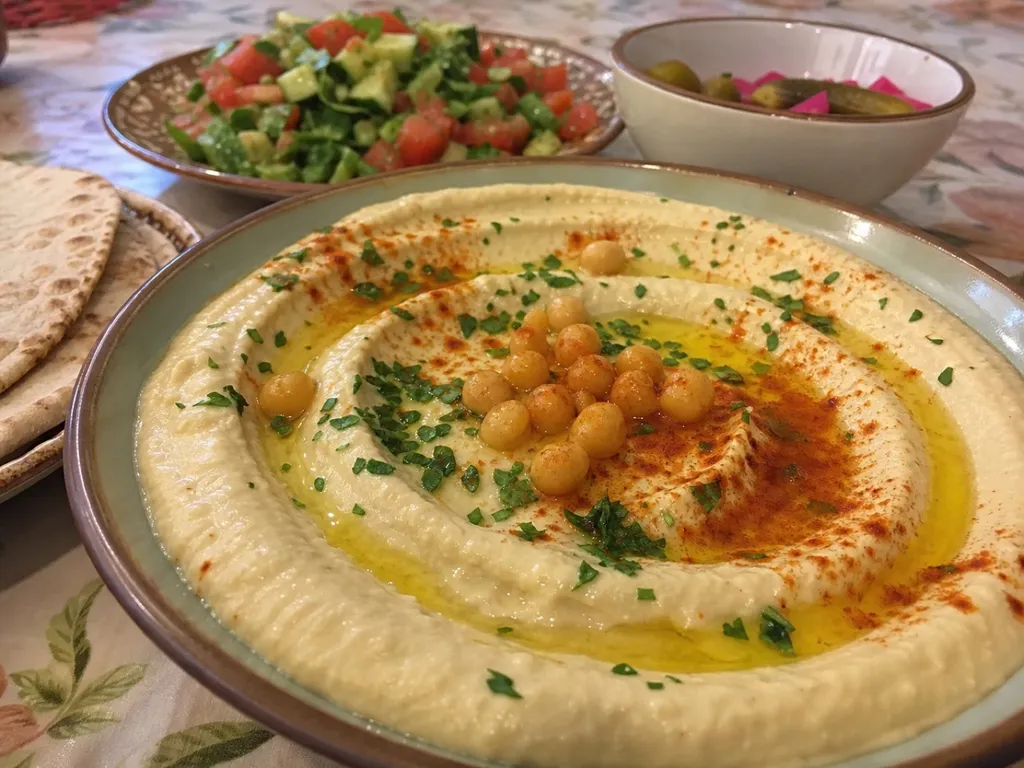
Transfer to a shallow serving bowl, create a well in the center using the back of a spoon, drizzle generously with extra virgin olive oil, and serve with warm pita bread.
 Images are for illustrative purposes only, may be inaccurate, and do not guarantee the presence or absence of specific ingredients.
 Listahan Family Score™
74/100
Good fit for most families
Score reflects how well this recipe fits a typical busy household. In the app, your Family Score is personalized to your household's allergens, kids, and pantry.
Nutrition
per serving275
Calories
5 g
Protein
8 g
Carbs
26 g
Fat
Estimated per serving. Actual values depend on the brands and portions you use.
Listahan cooking guide
Chef notes & practical guide
Technique notes, ingredient swaps, serve-alongside ideas, storage guidance, and equipment for this recipe.
Cultural context
Hummus bi tahini, meaning chickpeas with tahini, is a cornerstone of the Levantine table eaten across Lebanon, Palestine, Syria, Jordan, and Israel. Written references to dishes of mashed chickpeas with vinegar and tahini date back centuries, though the modern garlic-lemon-tahini version is a relatively recent refinement. What separates a great hummus from a paste of canned chickpeas is texture: the best versions are whipped to an almost mousse-like smoothness.
Listahan note
This version leans on warm chickpeas and a generous amount of tahini for a silkier, more savory spread than the lemon-forward dips most people are used to. It is built to be scooped, not spread.
Technique cues
- Blend the chickpeas while they are still warm and add a few ice cubes or a splash of cold water as the machine runs so the mixture whips light instead of turning gummy.
- Slip the skins off the cooked chickpeas, or pulse in a little baking soda during cooking, so nothing grainy survives into the final puree.
- Add the tahini and lemon together first and blend them into a thick paste before the chickpeas go in, which seasons the base and prevents a flat, raw-garlic finish.
Kitchen flow
- Parallel prep
- While the chickpeas simmer or warm, juice the lemon, mince the garlic, and set it to steep so the flavor base is ready the moment you blend.
- Make-ahead
- Hummus keeps its texture for several days, so make a double batch and store half for quick lunches and snacks.
- Leftover move
- Spread leftover hummus thick on a plate, top with seared ground meat and pine nuts, and turn it into a hot mezze.
- Cleanup rhythm
- Rinse the blender jar immediately with warm water before the tahini sets, since it hardens fast on the blades.
Ingredient brief
Role, handling, and swap guidance for each key ingredient.
chickpeas
creamy base
Purpose: They give hummus its body and nutty backbone, so their texture decides whether the dip is silky or pasty.
Handling: Soak dried chickpeas overnight and simmer until they crush easily, or warm canned ones through before blending.
Adaptation: Canned white beans make a milder, faster spread if chickpeas are not on hand.
tahini
richness and structure
Purpose: Toasted sesame paste carries the savory, slightly bitter depth that makes hummus more than mashed beans.
Handling: Stir the jar well to recombine the oil before measuring, since it separates on the shelf.
Adaptation: Sunflower seed butter gives a sesame-free version with a similar creaminess.
lemon juice
brightening acid
Purpose: Fresh acid lifts the heavy tahini and keeps the dip tasting clean rather than flat.
Handling: Squeeze just before blending so the flavor stays sharp and fresh.
Adaptation: A splash of white wine vinegar works in a pinch, used a little more sparingly.
garlic
aromatic bite
Purpose: Raw garlic gives hummus its characteristic pungency, but it can overwhelm if unchecked.
Handling: Steep the minced garlic in the lemon juice for ten minutes to mellow its raw edge.
Adaptation: Roasted garlic gives a sweeter, gentler flavor for sensitive palates or kids.
olive oil
finishing gloss
Purpose: A pour of good oil on top adds fruity aroma and the glossy pooled look that signals quality.
Handling: Drizzle over the swirled surface just before serving rather than blending it all in.
Adaptation: A spiced chili oil adds color and heat for an adult crowd.
Technique notes
- A pinch of ground cumin blended in adds a subtle earthiness that reads as restaurant-quality without anyone naming the spice.
- If the hummus tightens up in the fridge, whip in a tablespoon of cold water to bring back the loose, glossy texture before serving.
- Build a swoosh with the back of a spoon to create a well for the oil, which is both presentation and a built-in dipping moat.
Ingredient swaps
- Sesame-free option
- Replace the tahini with sunflower seed butter to keep the texture while removing the sesame allergen.
- Lower-sodium direction
- Skip the canned chickpea brine and salt to taste at the end, leaning on extra lemon and garlic for flavor.
- Weeknight shortcut
- Use canned chickpeas warmed in the microwave with a pinch of baking soda to get nearly the same smoothness without the soak.
Serve alongside
- Warm pita triangles
- Fattoush salad
- Pickled turnips and olives
- Falafel
- Mint lemonade
- Sparkling water with lemon
- Hot mint tea
Serving suggestions only — check pairings for your household's allergens.
Storage & reheating
- Store hummus in an airtight container in the fridge for up to five days, pressing plastic wrap onto the surface to keep it from drying. Bring it to room temperature and stir in a splash of cold water before serving to loosen it. It can be frozen for up to a month, then thawed and re-whipped.
Equipment
- High-speed blender or food processor
- Fine mesh strainer
- Citrus juicer
- Rubber spatula
Make this household-aware
Listahan Pro checks this recipe against your household's allergens, finds pantry-aware swaps, builds the shopping list, and helps you plan the week around it.
Plan it in Listahan
Add Hummus to your week, check it against your household's allergens, and build the shopping list automatically.
More Middle Eastern recipes
 Middle Eastern Lens Verified Images are for illustrative purposes only, may be inaccurate, and do not guarantee the presence or absence of specific ingredients.
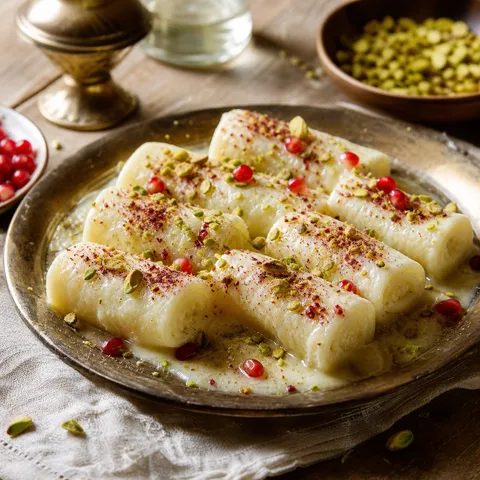
 Halawet El Jibn
A Levantine sweet cheese roll of stretched mozzarella and semolina dough wrapped around rose-scented clotted cream, topped with crushed pistachios and sugar syrup.
 Middle Eastern Lens Verified Images are for illustrative purposes only, may be inaccurate, and do not guarantee the presence or absence of specific ingredients.
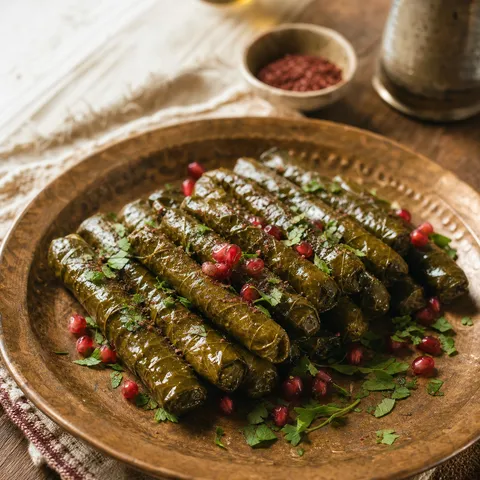
 Dolma (Warak Enab)
Grape leaves stuffed with a mixture of rice, meat, and herbs.
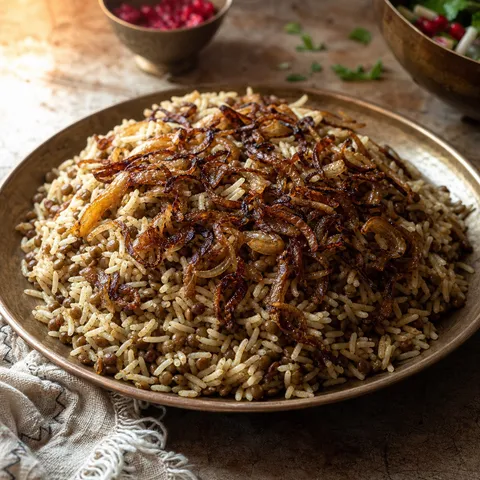 Middle Eastern Lens Verified Images are for illustrative purposes only, may be inaccurate, and do not guarantee the presence or absence of specific ingredients.
 Mujadara
A comforting dish of cooked lentils together with groats or rice, garnished with sautéed onions.