 Middle Eastern Images are for illustrative purposes only, may be inaccurate, and do not guarantee the presence or absence of specific ingredients.
  Serving Images are for illustrative purposes only, may be inaccurate, and do not guarantee the presence or absence of specific ingredients.
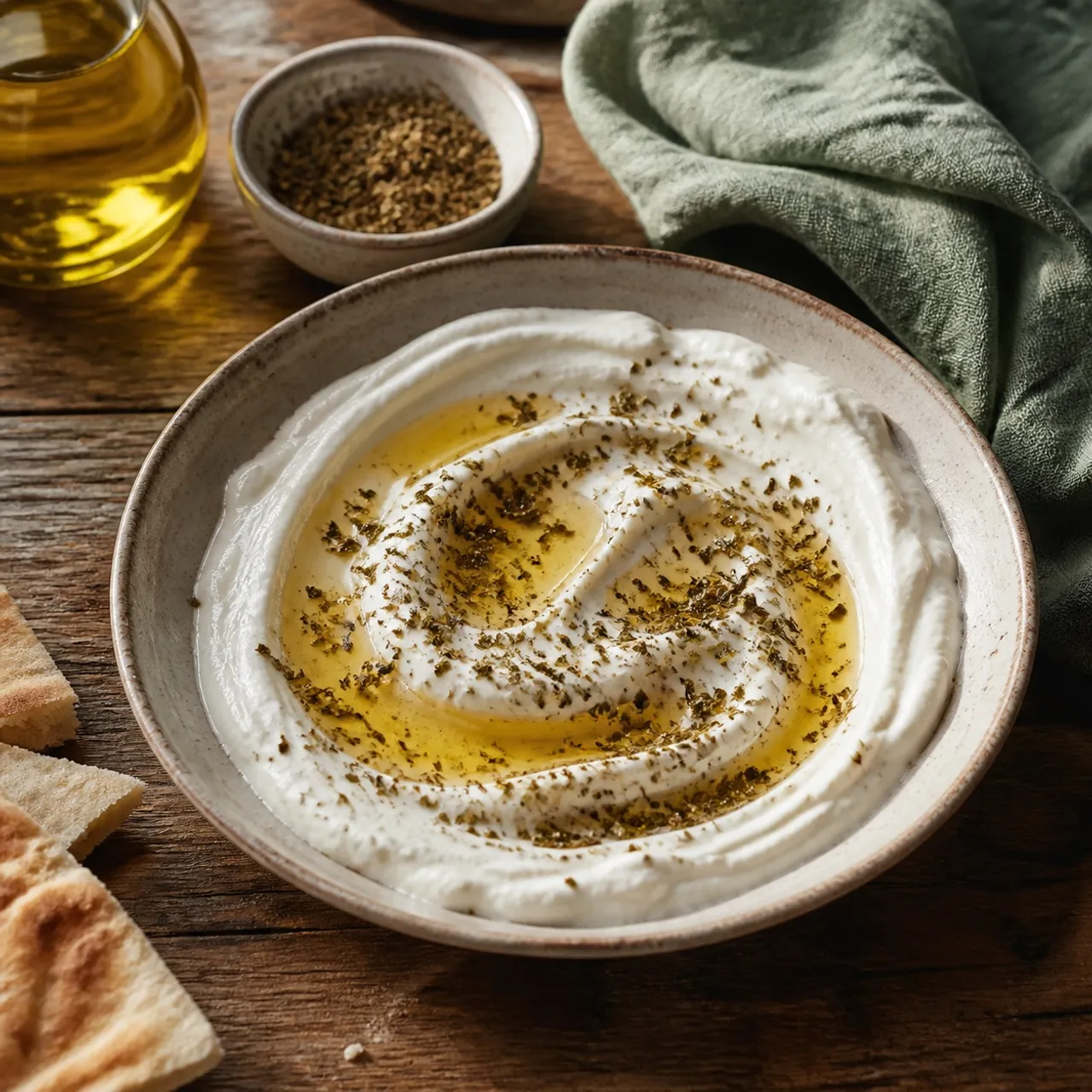
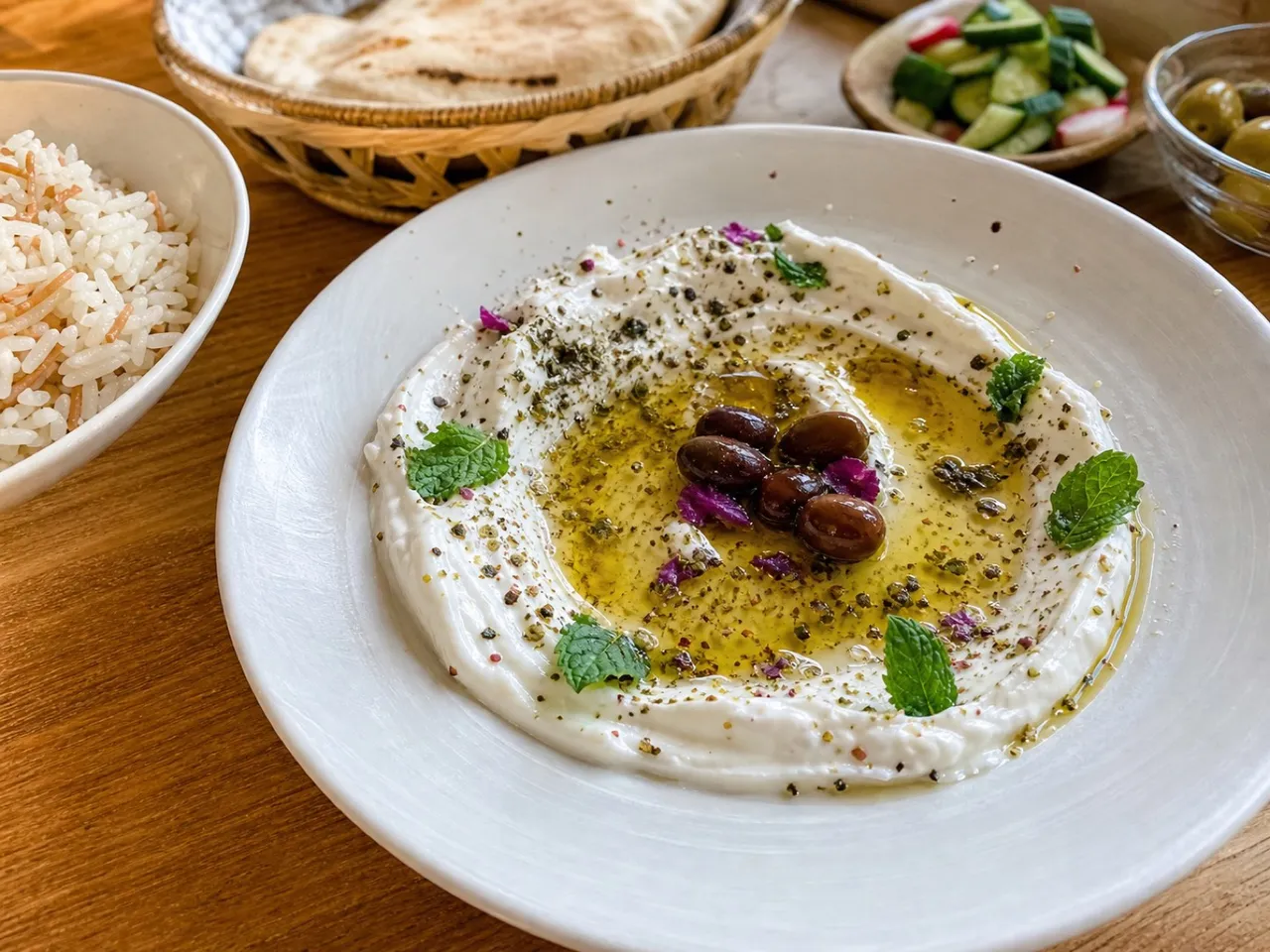
 Labneh
Thick, strained yogurt often served with olive oil and za'atar.
Contains common allergens
In the app, Listahan checks these against your household automatically.
Instructions
6 steps- 1
In a large mixing bowl, gently stir the kosher salt into the plain whole-milk yogurt until it is completely dissolved.
- 2
Line a fine-mesh strainer or a colander with 3 to 4 layers of cheesecloth (or a clean, thin cotton kitchen towel). Place the strainer over a deep bowl to catch the whey.
- 3
Pour the salted yogurt into the center of the cheesecloth. Gather the corners of the cloth and tie them into a tight knot.
- 4
Place the bowl and strainer in the refrigerator and let it drain undisturbed for 12 hours for a soft dip consistency, or 24 hours for a thick, cream cheese-like consistency.
- 5
Once the desired thickness is reached, unwrap the labneh and discard the collected whey (or save it for baking).
- 6
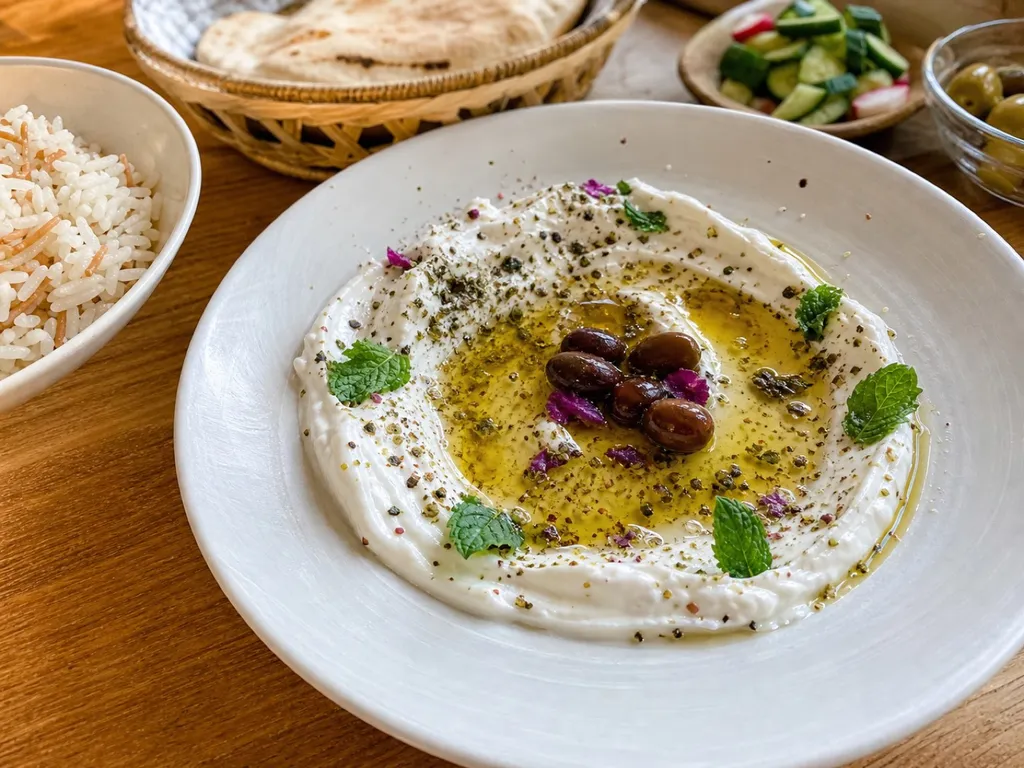
Swoosh the labneh onto a serving plate using the back of a spoon to create deep swirls. Drizzle generously with the extra virgin olive oil, sprinkle with za'atar or dried mint, and serve with fresh vegetables and pita.
 Images are for illustrative purposes only, may be inaccurate, and do not guarantee the presence or absence of specific ingredients.
 Listahan Family Score™
69/100
Works for many families
Score reflects how well this recipe fits a typical busy household. In the app, your Family Score is personalized to your household's allergens, kids, and pantry.
Nutrition
per serving255
Calories
23 g
Protein
8 g
Carbs
14 g
Fat
Estimated per serving. Actual values depend on the brands and portions you use.
Listahan cooking guide
Chef notes & practical guide
Technique notes, ingredient swaps, serve-alongside ideas, storage guidance, and equipment for this recipe.
Cultural context
Labneh is strained yogurt that has lost enough whey to become a thick, tangy spread, a staple across the Levant and the wider Middle East for centuries. Before refrigeration, families rolled it into balls and stored them under olive oil as a way to preserve dairy through the seasons. Today it appears at breakfast drizzled with olive oil and za'atar, scooped with bread, or shaped into garlicky dips.
Listahan note
This version is the simple straining method: good yogurt, salt, and time, finished with olive oil. It is less a recipe than a technique, and the only real variable is how long you let it drain.
Technique cues
- Salt the yogurt before straining so the salt draws out whey and seasons the curd evenly.
- Strain in the fridge, not at room temperature, so the dairy stays safe over the long drain.
- The longer it hangs, the firmer it gets; pull it at spreadable for dip or keep going for sliceable cheese.
Kitchen flow
- Parallel prep
- Line your strainer and salt the yogurt the night before so it can drain unattended.
- Make-ahead
- Labneh keeps for over a week, so make a big batch and pull from it all week.
- Leftover move
- Roll firm leftovers into balls, store under olive oil with herbs, and use as a spreadable cheese.
- Cleanup rhythm
- Reserve the strained whey for baking or marinades instead of pouring it down the drain.
Ingredient brief
Role, handling, and swap guidance for each key ingredient.
Whole milk yogurt
the entire base
Purpose: Full-fat yogurt strains into a rich, creamy labneh rather than a chalky one.
Handling: Use plain yogurt with no thickeners or gelatin, which block draining.
Adaptation: Greek yogurt is already partially strained, so it needs less time.
Salt
seasoning and draining aid
Purpose: Pulls whey from the yogurt and seasons the curd from within.
Handling: Stir in thoroughly before transferring to the cloth.
Adaptation: Fine sea salt distributes most evenly; adjust to taste after straining.
Olive oil
finishing richness
Purpose: A pool of fruity oil on top is the traditional, defining garnish.
Handling: Drizzle generously just before serving.
Adaptation: A swirl of good tahini can stand in for a nuttier finish.
Za'atar
aromatic topping
Purpose: The thyme-and-sumac blend is the classic partner for the tangy curd.
Handling: Sprinkle over the oil so it sticks to the surface.
Adaptation: Dried mint, sumac, or Aleppo pepper each work on their own.
Technique notes
- Stir minced garlic and lemon into a portion to make a sharper dip, keeping the rest plain for breakfast.
- Whip the finished labneh briefly with a spoon for a glossier, more spreadable texture.
- Build a hollow in the center with the back of a spoon so the olive oil pools dramatically when poured.
Ingredient swaps
- Lower-fat direction
- Strain 2 percent yogurt for a lighter labneh, accepting a slightly less creamy result.
- Dairy-free option
- Strain a thick coconut or cashew yogurt the same way for a plant-based spread.
- Weeknight shortcut
- Start with Greek yogurt and strain just an hour for a quick, looser version.
Serve alongside
- Warm pita and cucumber spears
- A plate of olives and cherry tomatoes
- Soft-boiled eggs
- Sliced radishes with sea salt
- Mint tea
- Arabic coffee
- Fresh pomegranate juice
Serving suggestions only — check pairings for your household's allergens.
Storage & reheating
- Keep labneh in an airtight container in the fridge for up to ten days. For longer storage, roll it into balls and submerge in olive oil with dried herbs, where it keeps for weeks. It does not freeze well, as the texture separates on thawing.
Equipment
- Fine-mesh strainer
- Cheesecloth or clean kitchen towel
- Mixing bowl
- Serving plate
Make this household-aware
Listahan Pro checks this recipe against your household's allergens, finds pantry-aware swaps, builds the shopping list, and helps you plan the week around it.
Plan it in Listahan
Add Labneh to your week, check it against your household's allergens, and build the shopping list automatically.
More Middle Eastern recipes
 Middle Eastern Lens Verified Images are for illustrative purposes only, may be inaccurate, and do not guarantee the presence or absence of specific ingredients.
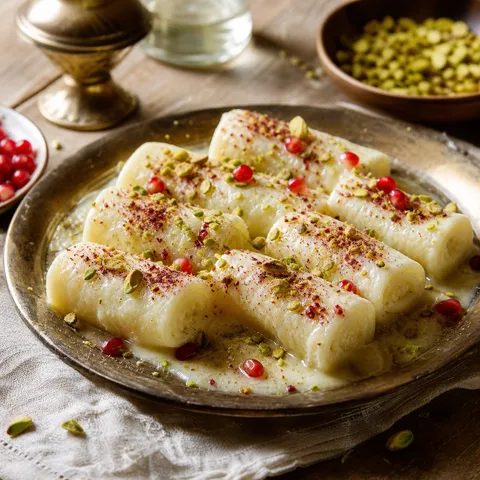
 Halawet El Jibn
A Levantine sweet cheese roll of stretched mozzarella and semolina dough wrapped around rose-scented clotted cream, topped with crushed pistachios and sugar syrup.
 Middle Eastern Lens Verified Images are for illustrative purposes only, may be inaccurate, and do not guarantee the presence or absence of specific ingredients.
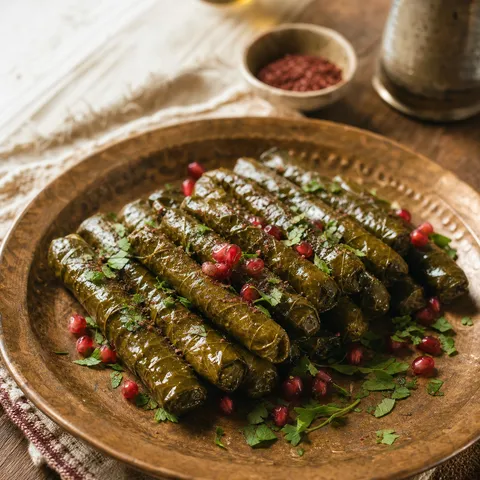
 Dolma (Warak Enab)
Grape leaves stuffed with a mixture of rice, meat, and herbs.
 Middle Eastern Lens Verified Images are for illustrative purposes only, may be inaccurate, and do not guarantee the presence or absence of specific ingredients.
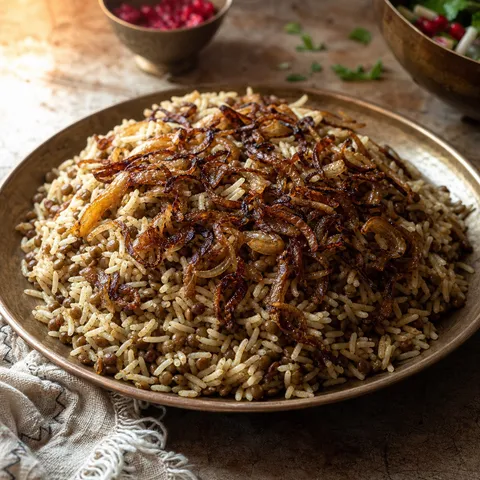
 Mujadara
A comforting dish of cooked lentils together with groats or rice, garnished with sautéed onions.