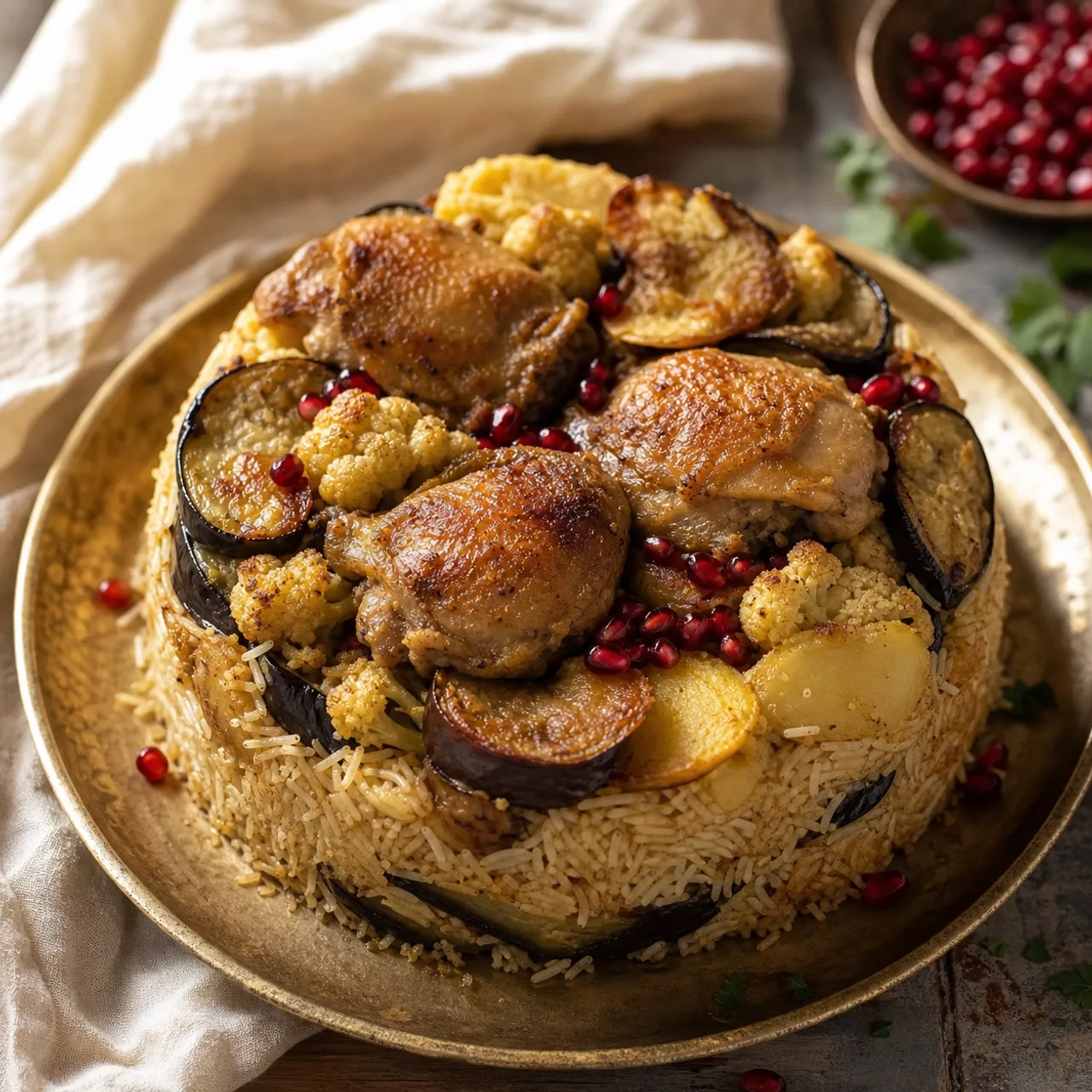
 Middle Eastern Images are for illustrative purposes only, may be inaccurate, and do not guarantee the presence or absence of specific ingredients.
 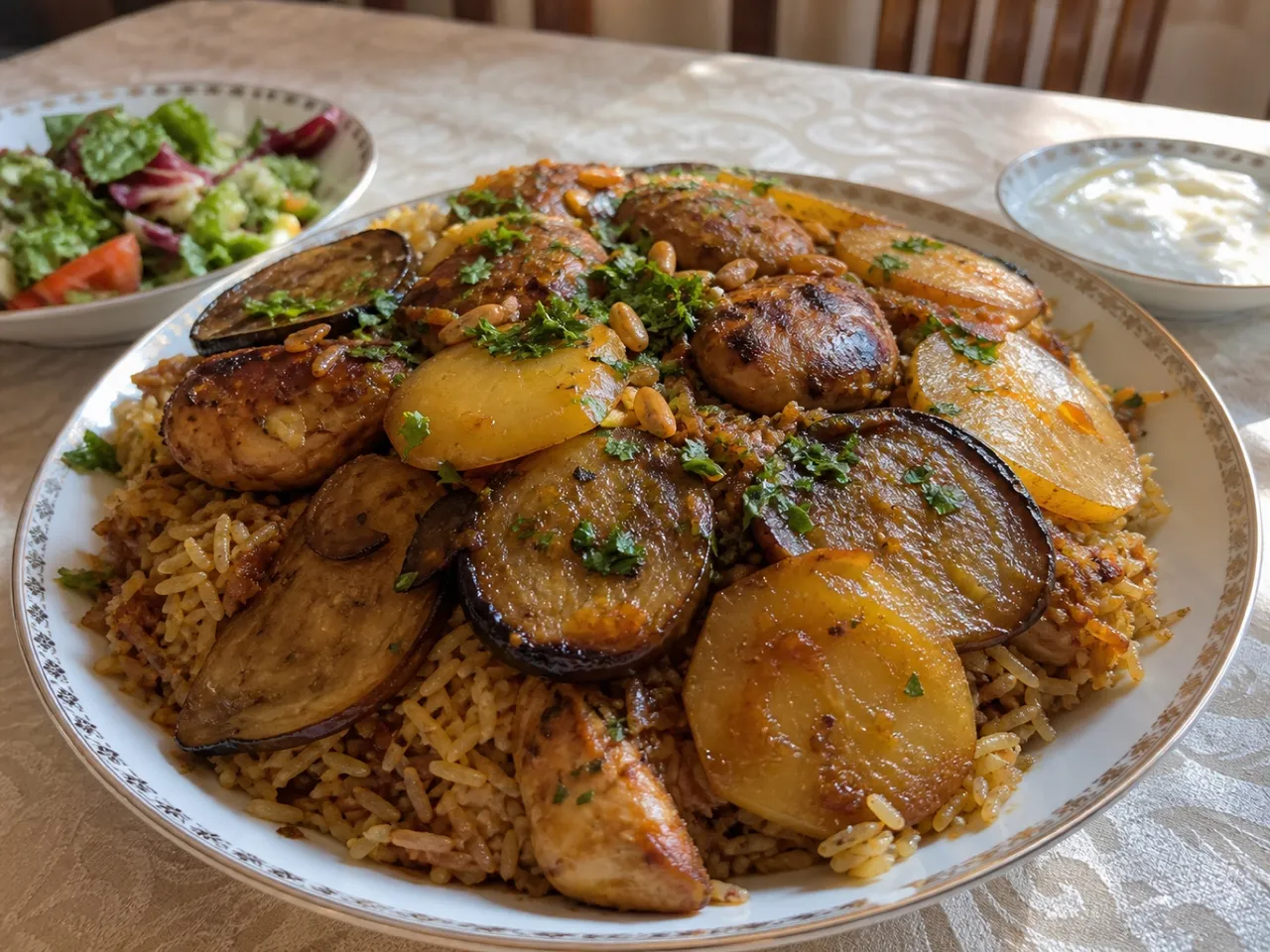 Serving Images are for illustrative purposes only, may be inaccurate, and do not guarantee the presence or absence of specific ingredients.
 Maqluba
An upside-down Levantine rice dish layered with fried eggplant, cauliflower, potatoes, and spiced chicken thighs, flipped tableside to reveal its layers.
No common allergens detected
Based on this recipe's ingredient list. Always verify with your own brands and labels.
Instructions
6 steps- 1
Boil the chicken in water with half the baharat and a pinch of salt for 30 minutes. Remove the chicken and reserve 4 cups of the cooking broth.
- 2
While the chicken cooks, fry the eggplant slices, potato slices, and cauliflower florets in shallow oil until golden brown on all sides. Drain on paper towels.
- 3
Drain the soaked rice and mix it with the remaining baharat, turmeric, and 1 tsp salt.
- 4
In a large, heavy-bottomed, non-stick pot, arrange a layer of tomato slices (optional, to prevent sticking), then tightly pack the cooked chicken, followed by overlapping layers of the fried potatoes, eggplant, and cauliflower.
- 5
Pour the seasoned rice evenly over the vegetables, pressing down firmly. Gently pour the reserved hot broth over the rice.
- 6
Bring to a boil, then cover tightly, reduce heat to the lowest setting, and simmer for 40 minutes until rice is fully cooked. Let it rest for 15 minutes off the heat, then confidently invert the pot onto a large serving platter to reveal the "upside-down" layers.
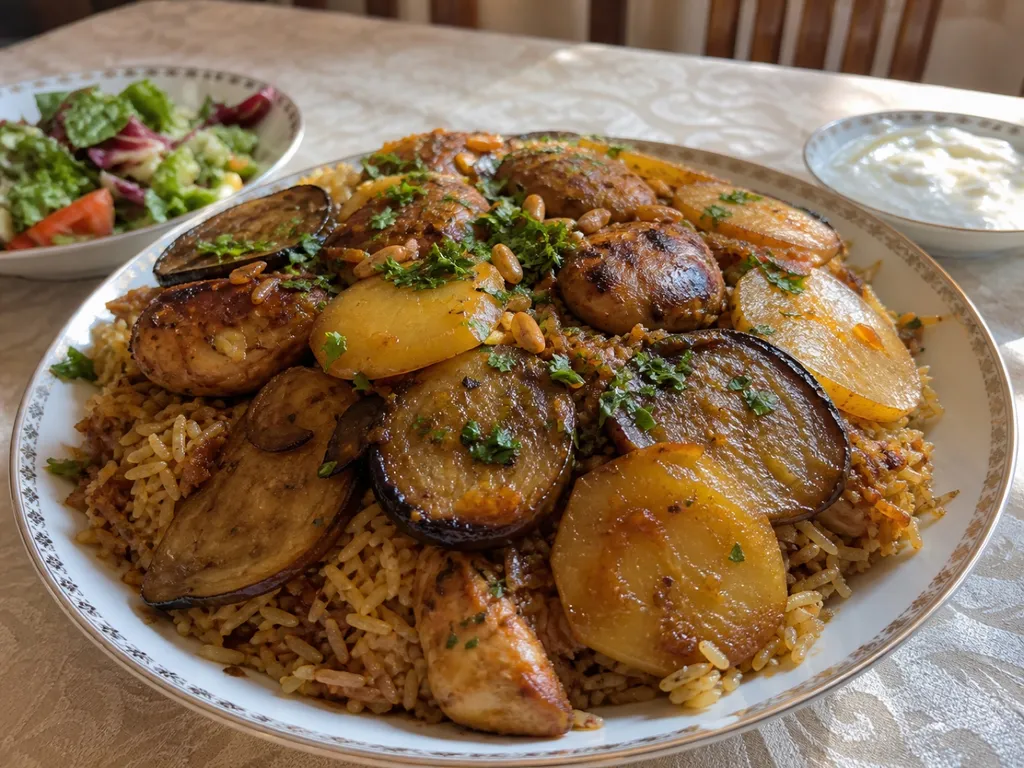 Images are for illustrative purposes only, may be inaccurate, and do not guarantee the presence or absence of specific ingredients.
 Listahan Family Score™
71/100
Good fit for most families
Score reflects how well this recipe fits a typical busy household. In the app, your Family Score is personalized to your household's allergens, kids, and pantry.
Nutrition
per serving815
Calories
57 g
Protein
98 g
Carbs
20 g
Fat
Estimated per serving. Actual values depend on the brands and portions you use.
Listahan cooking guide
Chef notes & practical guide
Technique notes, ingredient swaps, serve-alongside ideas, storage guidance, and equipment for this recipe.
Cultural context
Maqluba, whose name means upside-down in Arabic, is a Palestinian and Levantine one-pot dish of rice, meat, and fried vegetables layered in a pot and then dramatically flipped onto a platter to serve. The theatrical inversion at the table is the whole event, revealing a molded cake of golden rice studded with eggplant, cauliflower, and tender meat. It is a dish built for gatherings, where the flip draws a crowd.
Listahan note
This version layers fried eggplant and cauliflower with spiced rice and chicken or lamb, seasoned with the warm baharat blend, and stakes everything on a clean flip. It is built to come out of the pot as one impressive tower.
Technique cues
- Fry or roast the eggplant and cauliflower until well browned before layering, since this deepens their flavor and helps them hold up to the inversion.
- Layer the ingredients deliberately with the prettiest pieces on the bottom of the pot, because that becomes the top of the served dish.
- Let the cooked pot rest off the heat for ten minutes before flipping so the rice settles and releases cleanly onto the platter.
Kitchen flow
- Parallel prep
- Fry the eggplant and cauliflower and brown the meat in advance, so the final layering and cooking goes quickly.
- Make-ahead
- Fry the vegetables and cook the meat a day ahead, then assemble and cook the pot fresh for the best flip.
- Leftover move
- Leftover maqluba reheats beautifully scooped and warmed in a skillet, the molded shape no longer mattering.
- Cleanup rhythm
- Fry the vegetables in batches on a rack-lined tray to drain, keeping grease contained to one station.
Ingredient brief
Role, handling, and swap guidance for each key ingredient.
rice
the binding body
Purpose: Rice holds the whole molded structure together and carries the spice and meat juices.
Handling: Rinse and soak briefly so the grains cook evenly and stay distinct.
Adaptation: Basmati gives the most elegant fluffy result for the flip.
chicken or lamb
the protein layer
Purpose: The meat anchors the dish and its broth flavors the rice from within.
Handling: Brown the meat and use its cooking broth to cook the rice for deep flavor.
Adaptation: An all-vegetable maqluba skips the meat and leans on more fried vegetables.
eggplant
key vegetable layer
Purpose: Fried eggplant gives maqluba its silky, savory richness and is the most iconic vegetable in the dish.
Handling: Slice, salt, and fry or roast until golden before layering.
Adaptation: Extra cauliflower or sliced potato can substitute for eggplant skeptics.
cauliflower
vegetable layer
Purpose: Browned cauliflower adds a nutty sweetness and structure between the rice and meat.
Handling: Cut into florets and fry or roast until deeply golden.
Adaptation: Sliced potato or carrot rounds work as alternative layers.
baharat spice blend
warm seasoning
Purpose: The blend of cinnamon, allspice, cumin, and pepper gives maqluba its fragrant Levantine warmth.
Handling: Season the meat and rice with it as you build the layers.
Adaptation: A mix of cinnamon, allspice, and cumin approximates it.
Technique notes
- Place a platter over the pot and flip in one confident, decisive motion, then lift the pot slowly to let the tower settle.
- If the rice seems reluctant to release, let the pot rest a few more minutes and gently tap the sides before flipping.
- Scatter toasted pine nuts and almonds over the top after the flip for the festive finish maqluba is known for.
Ingredient swaps
- Vegetarian direction
- Skip the meat and build the layers from extra fried eggplant, cauliflower, and potato with vegetable broth.
- Lighter direction
- Roast the eggplant and cauliflower with a brush of oil instead of deep-frying to cut the fat.
- Gluten-free direction
- The dish is naturally gluten-free; just confirm the spice blend has no added fillers.
Serve alongside
- Cucumber and yogurt salad
- Fattoush
- Plain yogurt
- Mixed olives and pickles
- Mint tea
- Ayran yogurt drink
- Pomegranate juice
Serving suggestions only — check pairings for your household's allergens.
Storage & reheating
- Maqluba keeps in the fridge for up to four days and reheats well in a covered skillet or oven with a splash of water. The molded shape does not survive storage, so reheat it as a scoopable rice dish. It freezes for up to two months.
Equipment
- Heavy deep pot for layering and flipping
- Large flat serving platter
- Frying pan for the vegetables
- Slotted spoon
Make this household-aware
Listahan Pro checks this recipe against your household's allergens, finds pantry-aware swaps, builds the shopping list, and helps you plan the week around it.
Plan it in Listahan
Add Maqluba to your week, check it against your household's allergens, and build the shopping list automatically.
More Middle Eastern recipes
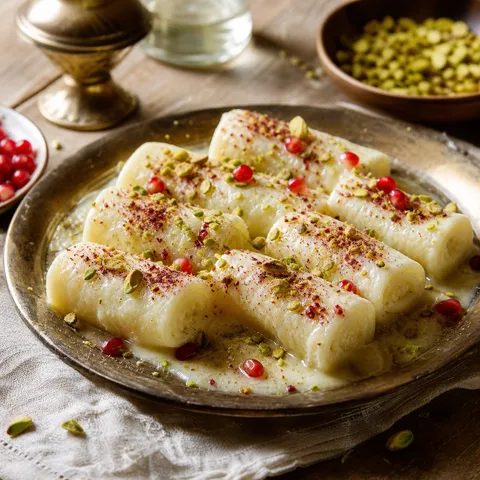 Middle Eastern Lens Verified Images are for illustrative purposes only, may be inaccurate, and do not guarantee the presence or absence of specific ingredients.
 Halawet El Jibn
A Levantine sweet cheese roll of stretched mozzarella and semolina dough wrapped around rose-scented clotted cream, topped with crushed pistachios and sugar syrup.
 Middle Eastern Lens Verified Images are for illustrative purposes only, may be inaccurate, and do not guarantee the presence or absence of specific ingredients.
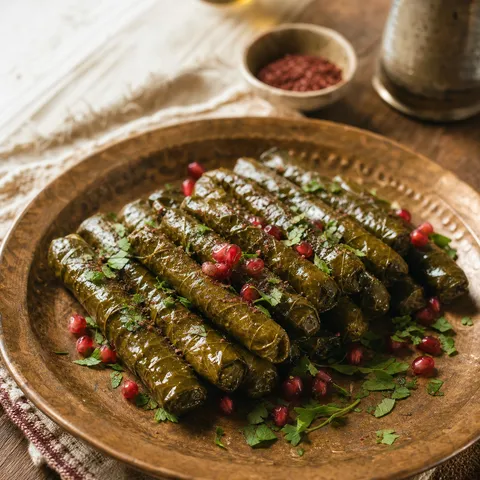
 Dolma (Warak Enab)
Grape leaves stuffed with a mixture of rice, meat, and herbs.
 Middle Eastern Lens Verified Images are for illustrative purposes only, may be inaccurate, and do not guarantee the presence or absence of specific ingredients.
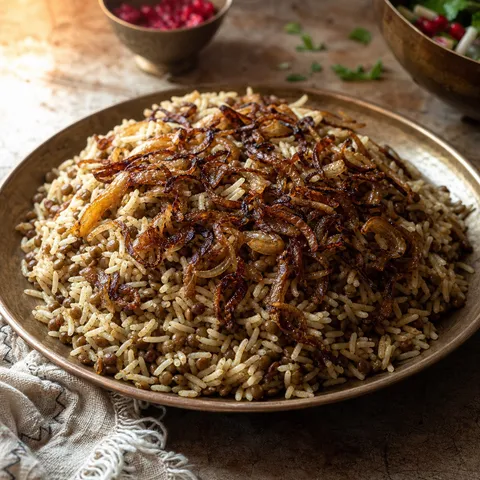
 Mujadara
A comforting dish of cooked lentils together with groats or rice, garnished with sautéed onions.