 Nordic Images are for illustrative purposes only, may be inaccurate, and do not guarantee the presence or absence of specific ingredients.
  Serving Images are for illustrative purposes only, may be inaccurate, and do not guarantee the presence or absence of specific ingredients.
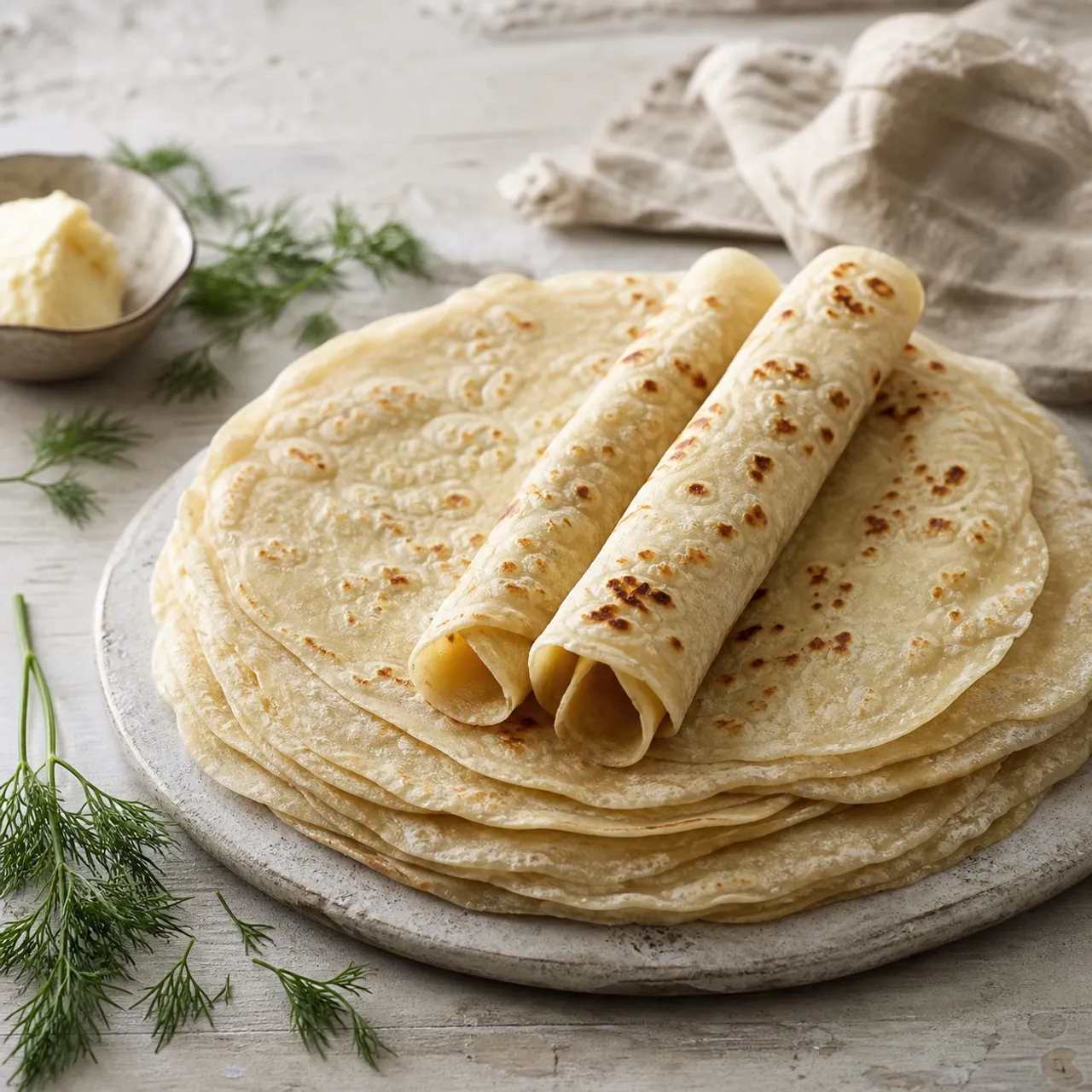
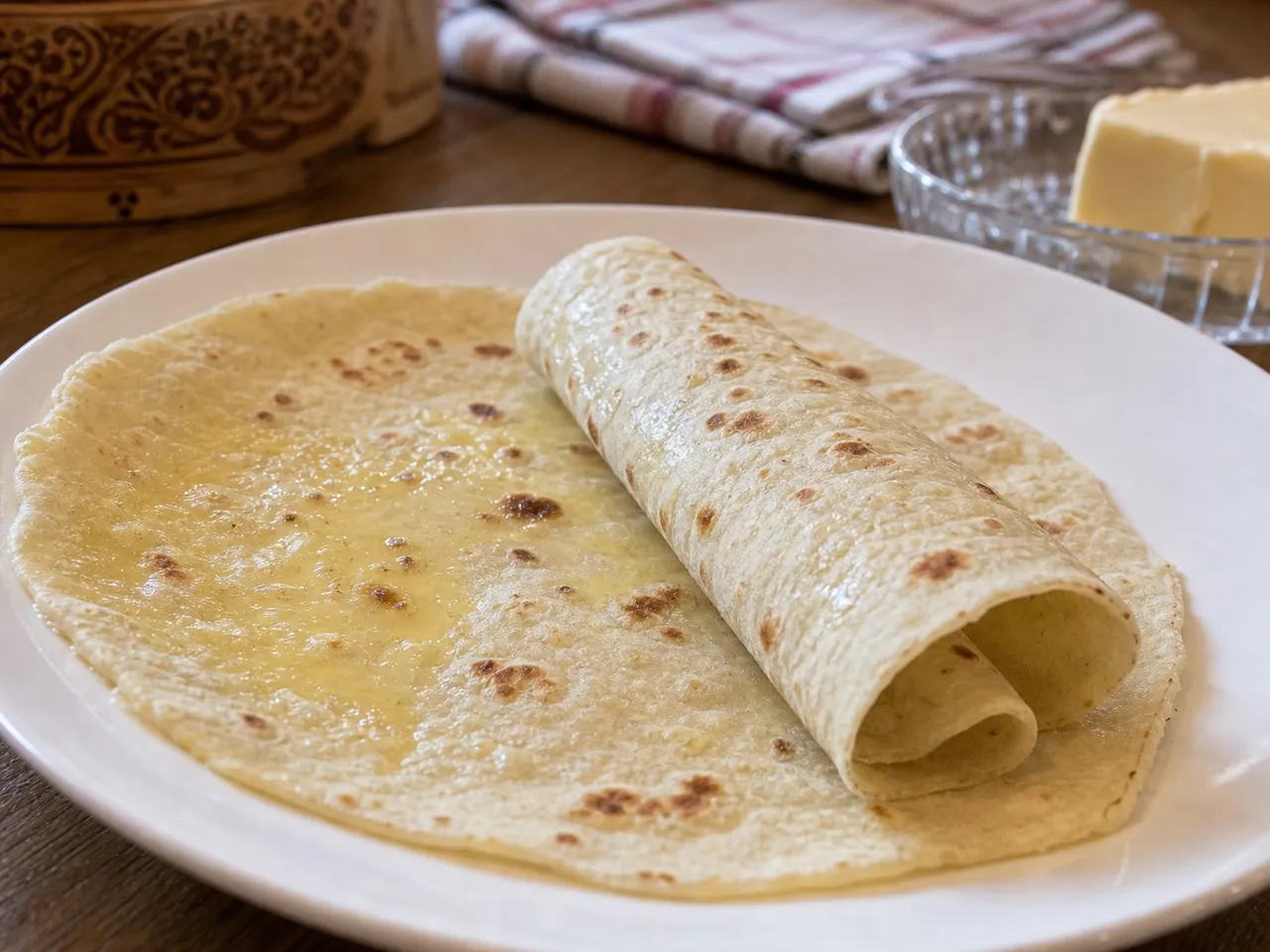
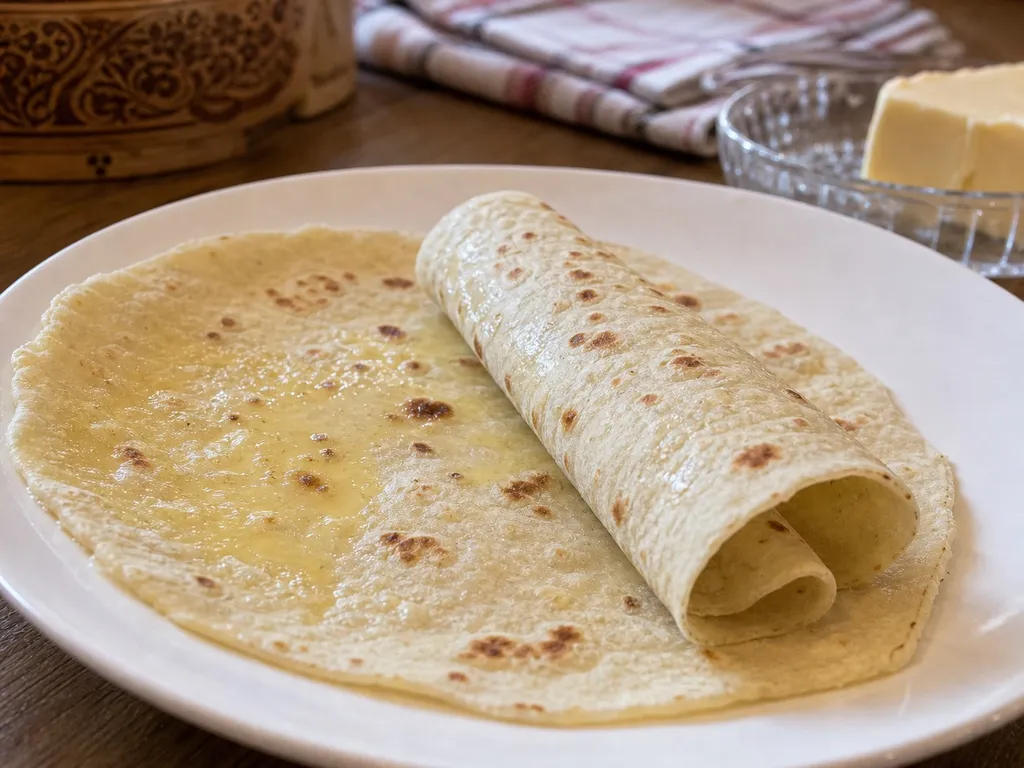
 Lefse
Soft, paper-thin Norwegian flatbread made from potato dough, griddled until lightly spotted and best enjoyed warm with butter and a sprinkle of sugar.
Contains common allergens
In the app, Listahan checks these against your household automatically.
Instructions
6 steps- 1
Rice the hot, boiled potatoes until completely smooth and free of lumps. Allow them to cool completely (preferably uncovered in the fridge overnight).
- 2
In a large bowl, mix the cold riced potatoes with the softened butter, heavy cream, and salt until well blended.
- 3
Gently knead in the all-purpose flour until a soft, pliable dough forms. Do not overmix, or the lefse will become tough.
- 4
Divide the dough into golf-ball-sized portions. On a heavily floured surface, roll each ball using a grooved lefse rolling pin until paper-thin (about 1/8 inch thick).
- 5
Heat a specialized lefse griddle or a large, dry skillet to 400°F (200°C). Carefully transfer the dough using a lefse stick.
- 6
Cook for 1-2 minutes per side until lightly browned spots appear. Transfer to a clean towel and cover immediately to keep them soft.
 Images are for illustrative purposes only, may be inaccurate, and do not guarantee the presence or absence of specific ingredients.
 Listahan Family Score™
71/100
Good fit for most families
Score reflects how well this recipe fits a typical busy household. In the app, your Family Score is personalized to your household's allergens, kids, and pantry.
Nutrition
per serving265
Calories
4 g
Protein
33 g
Carbs
13 g
Fat
Estimated per serving. Actual values depend on the brands and portions you use.
Listahan cooking guide
Chef notes & practical guide
Technique notes, ingredient swaps, serve-alongside ideas, storage guidance, and equipment for this recipe.
Cultural context
Lefse is a soft Norwegian flatbread made from mashed potato, a tradition that spread through the farming communities of Norway in the 19th century as potatoes became a dietary staple and grain was expensive. Norwegian immigrants carried the recipe to the American Midwest, where it remains a cultural touchstone in states like Minnesota, North Dakota, and Wisconsin — sold at church bazaars and Scandinavian festivals every winter. It is typically served rolled with butter and sugar, or sometimes with savory fillings, at holiday meals from Thanksgiving through Christmas.
Listahan note
This version rices the potatoes hot and adds butter and cream immediately so the fat absorbs while the starch is still open, producing a dough that rolls paper-thin without cracking.
Technique cues
- The potatoes must be completely cold before the flour is worked in — hot or warm potato dough absorbs flour unevenly and becomes sticky, which causes the lefse to tear when you roll it and puff rather than lie flat on the griddle.
- Roll as thin as you can manage — traditional lefse is nearly translucent, about 1/8 inch; thicker rounds cook unevenly and have a doughy center rather than the soft, pliable texture that makes them easy to roll with fillings.
- A dry, ungreased cast iron griddle or electric lefse griddle is essential for proper browning — oil or butter causes the dough to fry rather than toast, and you want the small brown spots that signal the starch has cooked through without crisping.
Kitchen flow
- Parallel prep
- While the potato dough chills in the refrigerator, heat the griddle and prepare your rolling station with flour, a linen cloth, and a lefse stick or long thin spatula.
- Make-ahead
- The potato dough can be made a day ahead and refrigerated overnight; cold dough rolls more easily than same-day dough.
- Leftover move
- Day-old lefse makes excellent wraps for scrambled eggs and sausage at breakfast, or roll with Nutella and banana for a quick children's snack.
- Cleanup rhythm
- Keep a dry brush or pastry brush to sweep excess flour off the rolling cloth between rounds; clean the griddle by scraping with a metal spatula while still hot.
Ingredient brief
Role, handling, and swap guidance for each key ingredient.
1 kg (2.2 lbs) russet potatoes, peeled and boiled
dough base
Purpose: Russets are high in starch and low in moisture, which produces a dough with less water to evaporate during cooking — a waxier potato makes the dough sticky and hard to roll.
Handling: Boil until completely tender, drain thoroughly, and rice while still hot to release steam; any residual moisture in the mash creates a tacky dough.
Adaptation: Idaho potatoes are a direct substitute; Yukon Gold work but make a slightly denser, moister dough that may need a little extra flour.
115g (1/2 cup) unsalted butter, softened
fat and pliability
Purpose: Butter coats the starch granules and prevents gluten from developing too strongly, keeping the finished lefse supple rather than tough.
Handling: Add to the riced potatoes while they are still hot so the butter melts fully into the starch.
Adaptation: Vegan butter works well here; the dough behavior is nearly identical.
120ml (1/2 cup) heavy cream
moisture and richness
Purpose: Heavy cream adds fat and just enough moisture to make the dough pliable without making it wet; a thinner dairy like milk can push the dough over the threshold into stickiness.
Handling: Stir in with the butter while the potato is hot, then let the entire mixture cool completely (at least 1 hour) before adding flour.
Adaptation: Whole milk can substitute with about 2 tablespoons less than the cream measurement to compensate for the lower fat content.
250g (2 cups) all-purpose flour, plus more for rolling
structure and rollability
Purpose: Flour provides enough gluten to hold the thin rounds together during rolling and transfer to the griddle, but too much makes the lefse tough and bready.
Handling: Add flour gradually and stop as soon as the dough just barely stops sticking — err on the side of slightly less flour for a more tender result.
Adaptation: A mix of 80% all-purpose and 20% potato starch produces a slightly more translucent, delicate round.
Technique notes
- A lefse stick (a long, thin flat stick, like a wooden dowel flattened on one end) is the traditional transfer tool — slide it under the rolled round and flip onto the griddle in one smooth motion; a wide, thin spatula or offset spatula works in its place.
- Cook each side for 45-60 seconds over medium-high heat — you want small brown freckles but not full browning; a round that stays pale is undercooked and will feel doughy, while one that browns fully will crack when rolled.
- Stack finished lefse between clean kitchen towels as they come off the griddle to keep them pliable; a stack covered with towels stays soft for up to 2 hours at room temperature.
Ingredient swaps
- Dairy-free option
- Use vegan butter and full-fat oat milk; the dough behaves almost identically and the finished lefse has the same soft, pliable texture.
- Gluten-free direction
- Replace all-purpose flour with a 1:1 gluten-free baking blend; the dough will be slightly more fragile during rolling, so chill it for an extra 30 minutes before use.
Serve alongside
- lingonberry jam spread inside the rolled lefse
- salty butter and granulated sugar (the classic Norwegian sweet preparation)
- smoked salmon with cream cheese and chives for a savory application
- hot coffee or black tea (the fika-adjacent context)
- cold whole milk
- warm apple cider
Serving suggestions only — check pairings for your household's allergens.
Storage & reheating
- Stack cooled lefse with parchment between layers, wrap tightly in plastic, and refrigerate for up to 5 days.
- To reheat, warm briefly on a dry skillet for 20-30 seconds per side, or wrap in a damp paper towel and microwave for 15 seconds.
- Freeze stacked with parchment between each round for up to 2 months; thaw at room temperature for 30 minutes before warming.
Equipment
- potato ricer
- large cast iron griddle or electric lefse griddle
- rolling pin (pastry rolling pin or lefse rolling pin with textured cover)
- long thin spatula or lefse stick
Make this household-aware
Listahan Pro checks this recipe against your household's allergens, finds pantry-aware swaps, builds the shopping list, and helps you plan the week around it.
Plan it in Listahan
Add Lefse to your week, check it against your household's allergens, and build the shopping list automatically.
More Nordic recipes
 Nordic Lens Verified Images are for illustrative purposes only, may be inaccurate, and do not guarantee the presence or absence of specific ingredients.
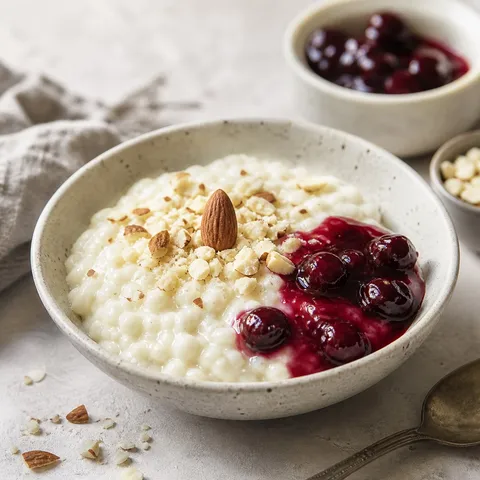
 Risalamande
A creamy Danish cold rice pudding folded with whipped cream and chopped almonds, served with a glossy warm cherry sauce on Christmas Eve.
 Nordic Lens Verified Images are for illustrative purposes only, may be inaccurate, and do not guarantee the presence or absence of specific ingredients.
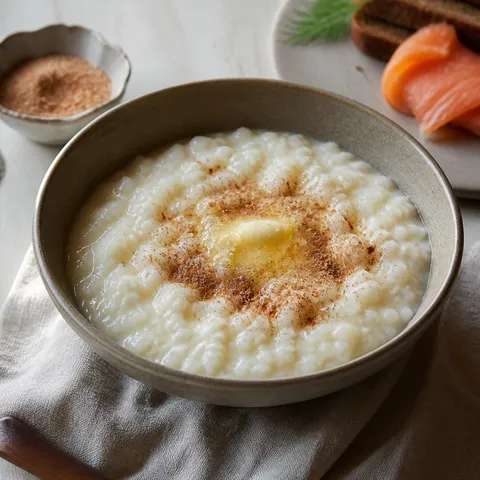
 Risgrynsgröt
Creamy Nordic rice porridge, slow-cooked until thick and comforting, scented with cinnamon and served with a pat of melting butter — Christmas morning in a bowl.
 Nordic Lens Verified Images are for illustrative purposes only, may be inaccurate, and do not guarantee the presence or absence of specific ingredients.
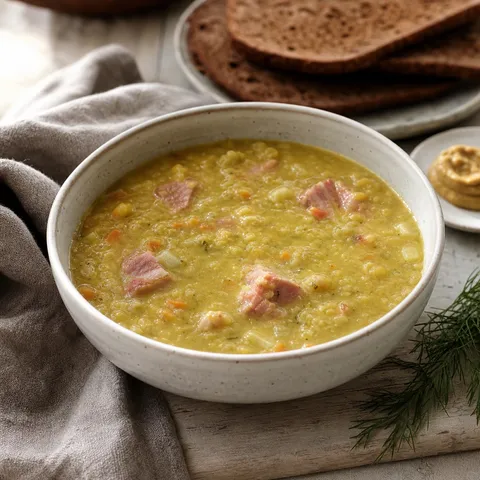
 Hernekeitto
Finland's beloved Thursday pea soup — yellow split peas simmered with smoky ham until thick and hearty, traditionally served with a shot of Finnish mustard and pancakes.