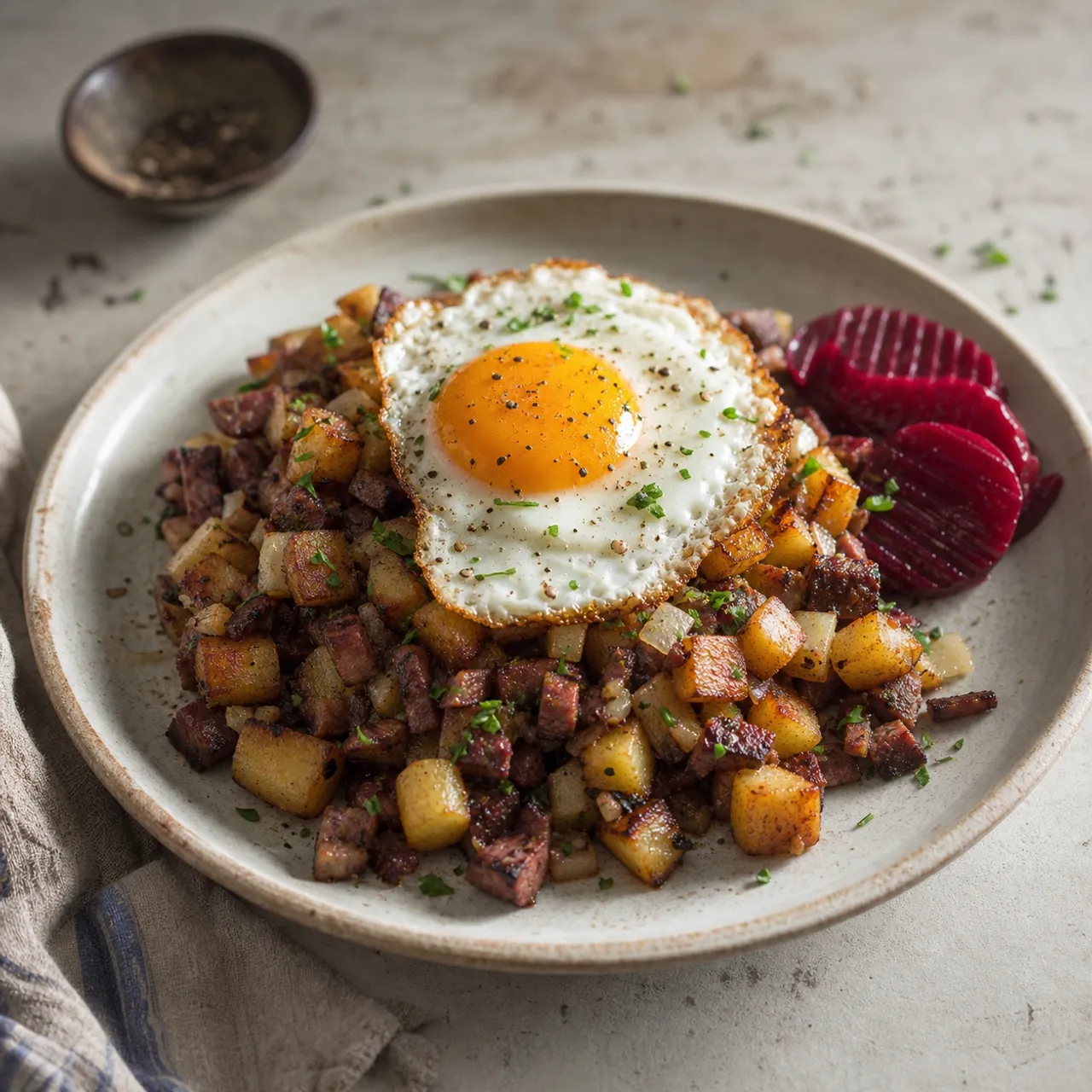
 Nordic Images are for illustrative purposes only, may be inaccurate, and do not guarantee the presence or absence of specific ingredients.
 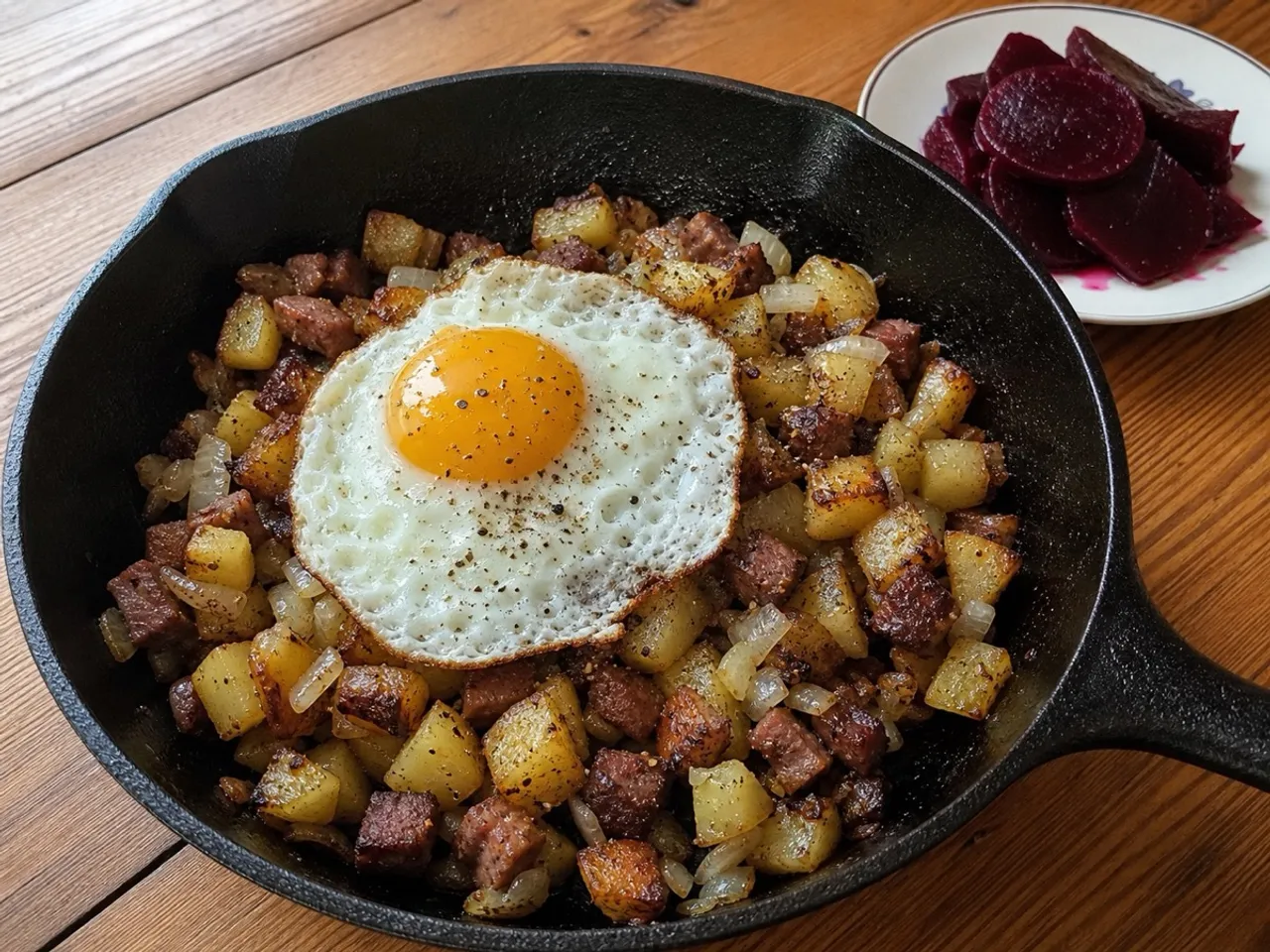 Serving Images are for illustrative purposes only, may be inaccurate, and do not guarantee the presence or absence of specific ingredients.
 Pyttipanna
Scandinavia's thrifty, satisfying hash — diced potatoes, onions, and leftover meat pan-fried until golden and crispy, topped with a runny fried egg.
Contains common allergens
In the app, Listahan checks these against your household automatically.
Good to know
- Crispy
Matched from this dish's own ingredients and timing. Browse more: crispy recipes
Instructions
6 steps- 1
Dice the peeled potatoes, cooked meat, and onions into uniform, 1/2-inch cubes to ensure even cooking.
- 2
Heat 1 tablespoon of butter and 1 tablespoon of oil in a large cast-iron skillet over medium-high heat. Add the potatoes and fry until golden and tender (about 10-12 minutes). Remove and set aside.
- 3
In the same skillet, add the remaining butter and oil. Add the chopped onions and sauté until translucent and slightly caramelized (about 5 minutes).
- 4
Add the diced meat to the onions and fry until the edges are crispy and warmed through.
- 5
Return the potatoes to the skillet, tossing everything together until uniformly hot. Season generously with salt and freshly ground black pepper.
- 6
In a separate non-stick pan, fry the eggs sunny-side up. Serve the hash hot, topped with a fried egg and a side of pickled beets.
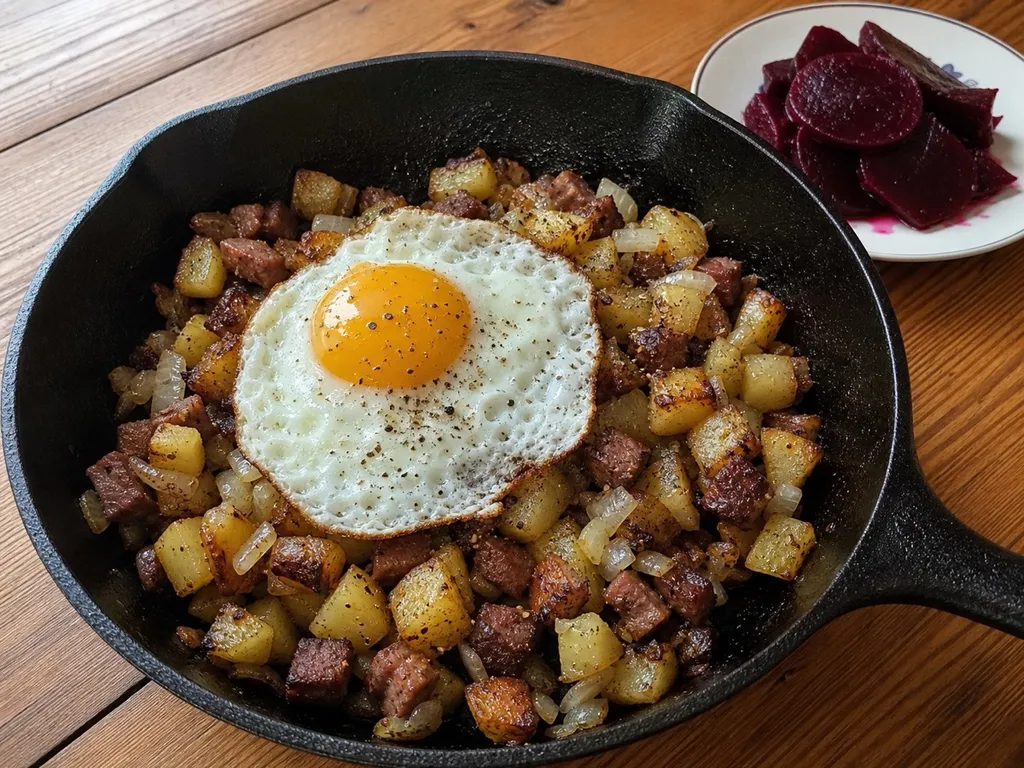 Images are for illustrative purposes only, may be inaccurate, and do not guarantee the presence or absence of specific ingredients.
 Listahan Family Score™
67/100
Works for many families
Score reflects how well this recipe fits a typical busy household. In the app, your Family Score is personalized to your household's allergens, kids, and pantry.
Nutrition
per serving360
Calories
21 g
Protein
22 g
Carbs
21 g
Fat
Estimated per serving. Actual values depend on the brands and portions you use.
Listahan cooking guide
Chef notes & practical guide
Technique notes, ingredient swaps, serve-alongside ideas, storage guidance, and equipment for this recipe.
Cultural context
Pyttipanna — Swedish for 'small pieces in a pan' — is Scandinavia's quintessential Monday meal, born from the tradition of using up weekend roast leftovers by dicing everything into uniform cubes and frying it together in butter. The dish is found under slight name variations across all the Nordic countries (pyttipanne in Norway, biksemad in Denmark) and represents the same practical frugality that defines much of Nordic home cooking. A fried egg on top and pickled beets alongside are considered non-negotiable accompaniments in Sweden.
Listahan note
This version achieves the proper crust by cooking the potatoes separately first and only combining them with the meat and onions at the very end, so each ingredient develops its own browning rather than steaming together.
Technique cues
- The cardinal rule of pyttipanna is uniform dice — all components should be cut to roughly 1 cm cubes so that potatoes, meat, and onion cook at the same rate and can be eaten together on a single fork; uneven cuts produce simultaneous over- and under-done pieces.
- Cook the potato cubes alone in butter and oil for 10-12 minutes until fully golden and cooked through before adding any other ingredient — adding the meat and onions too early causes them to steam the potatoes rather than letting the potatoes develop a crust, which is the textural signature of good pyttipanna.
- The fried egg on top is traditionally cooked separately and placed on the plate rather than directly on the hash — the yolk is broken at the table and stirred into the pyttipanna, which enriches the dish in the same way butter would.
Kitchen flow
- Parallel prep
- While the potato cubes fry in the first pan, cook the fried eggs in a separate skillet so both finish at the same time.
- Make-ahead
- The potato cubes can be boiled (not fried) the day before, refrigerated, and fried from cold the next day — cold pre-cooked potatoes brown even better than raw.
- Leftover move
- Pyttipanna is itself a leftover dish; any remaining pyttipanna reheats well in a dry pan over medium heat the next morning and can become a breakfast hash with a new fried egg on top.
- Cleanup rhythm
- Use one large skillet for the entire cook; deglaze with 2 tablespoons of water at the end to loosen any fond, which makes cleaning far easier while the pan is still warm.
Ingredient brief
Role, handling, and swap guidance for each key ingredient.
800g (1.7 lbs) waxy potatoes (e.g., Yukon Gold), peeled
primary bulk ingredient
Purpose: Waxy potatoes hold their shape when diced and fried; starchy varieties like russets crumble into mash during the extended pan time and lose the distinct cube texture.
Handling: Dice into 1 cm cubes and pat thoroughly dry with paper towels — surface moisture steams the cubes rather than letting them brown.
Adaptation: Red-skinned potatoes work equally well; avoid russets for this application.
400g (14 oz) cooked meat (roast beef, pork, or sausage)
protein and flavor base
Purpose: Pre-cooked meat takes on color quickly in the butter without drying out the way raw meat would — the Maillard crust on re-fried cooked meat is one of the best things about this dish.
Handling: Dice into 1 cm cubes to match the potato size so every forkful has balanced components.
Adaptation: Smoked sausage (like kielbasa) adds a deeper, smokier character that works particularly well if you have no leftover roast available.
2 large yellow onions, finely chopped
aromatic base and sweetness
Purpose: Onions cook down and caramelize in the butter, providing the sweet, savory backbone that ties the potatoes and meat together.
Handling: Chop finely rather than dicing into cubes — the onion should mostly dissolve into the dish rather than remaining as large pieces.
Adaptation: Leeks sliced thin provide a milder, slightly more elegant flavor that works well with leftover poultry.
3 tbsp unsalted butter
frying fat and flavor
Purpose: Butter is the traditional fat for pyttipanna and provides the characteristic nutty flavor as it browns with the potatoes and onions.
Handling: Use a combination of butter and neutral oil (as the recipe calls for) to prevent the butter from burning during the longer potato-frying stage.
Adaptation: A full oil substitution (no butter) produces a functional hash but loses the Nordic flavor identity.
Technique notes
- Season in layers — add salt to the potatoes while they fry, season the onions when they go in, and taste for final seasoning only after all components are combined, since the meat is already seasoned and the flavor compounds once mixed.
- Resist the urge to stir constantly — let the potatoes and meat sit undisturbed for 2-3 minutes at a time to develop proper browning; too much stirring creates a mushy, steamed texture instead of the crispy edges that make pyttipanna satisfying.
- Serve the pickled beets cold, directly from the jar, not alongside as a salad — the cold temperature and acidic sharpness cutting against the hot, rich hash is the designed contrast of the dish.
Ingredient swaps
- Vegetarian direction
- Replace the meat with diced firm tofu or halloumi cubed and pre-browned; add a tablespoon of soy sauce during the final combine for umami depth.
- Dairy-free option
- Use all neutral oil (canola or refined sunflower) in place of butter; add a few drops of white wine vinegar to the finished dish to approximate the slight tang butter contributes.
- Gluten-free direction
- Pyttipanna is naturally gluten-free as long as the sausage or cooked meat used is gluten-free — check the label on any processed sausage.
Serve alongside
- pickled beets (cold, from a jar — the classic accompaniment)
- Swedish cucumber pickles (pressgurka)
- sour cream or creme fraiche for dolloping
- cold Swedish lager
- strong black coffee (if served as a weekend brunch)
- lingonberry juice
Serving suggestions only — check pairings for your household's allergens.
Storage & reheating
- Store cooled pyttipanna in an airtight container in the refrigerator for up to 3 days; it reheats well in a skillet with a small amount of butter.
- The texture on day two is excellent — overnight refrigeration firms the components and they develop a better crust when re-fried.
- Pyttipanna can be frozen but the potato texture softens significantly; freeze only if necessary and accept a slightly less crispy reheat.
Equipment
- large heavy-bottomed skillet (12-14 inch cast iron or stainless)
- sharp chef's knife for uniform dicing
- small separate skillet for the fried eggs
- slotted spatula for flipping without mashing
Make this household-aware
Listahan Pro checks this recipe against your household's allergens, finds pantry-aware swaps, builds the shopping list, and helps you plan the week around it.
Plan it in Listahan
Add Pyttipanna to your week, check it against your household's allergens, and build the shopping list automatically.
More Nordic recipes
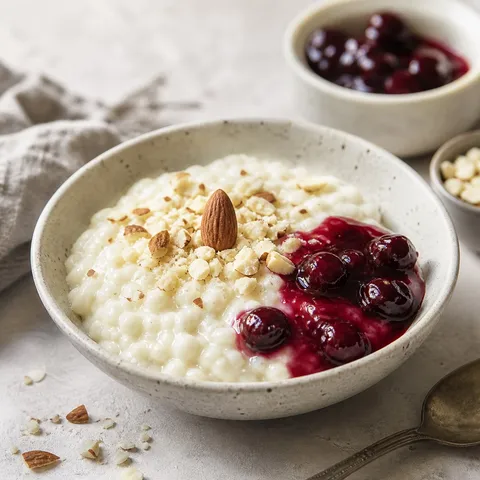 Nordic Lens Verified Images are for illustrative purposes only, may be inaccurate, and do not guarantee the presence or absence of specific ingredients.
 Risalamande
A creamy Danish cold rice pudding folded with whipped cream and chopped almonds, served with a glossy warm cherry sauce on Christmas Eve.
 Nordic Lens Verified Images are for illustrative purposes only, may be inaccurate, and do not guarantee the presence or absence of specific ingredients.
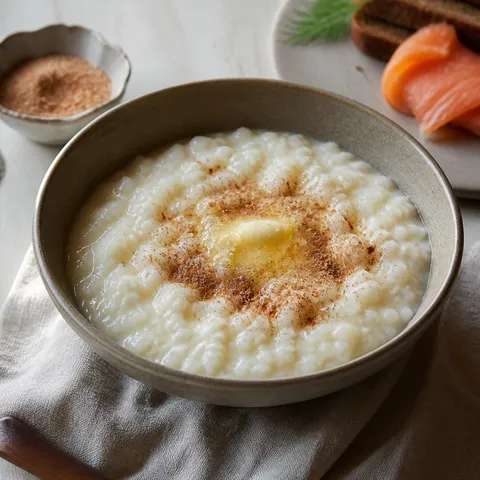
 Risgrynsgröt
Creamy Nordic rice porridge, slow-cooked until thick and comforting, scented with cinnamon and served with a pat of melting butter — Christmas morning in a bowl.
 Nordic Lens Verified Images are for illustrative purposes only, may be inaccurate, and do not guarantee the presence or absence of specific ingredients.
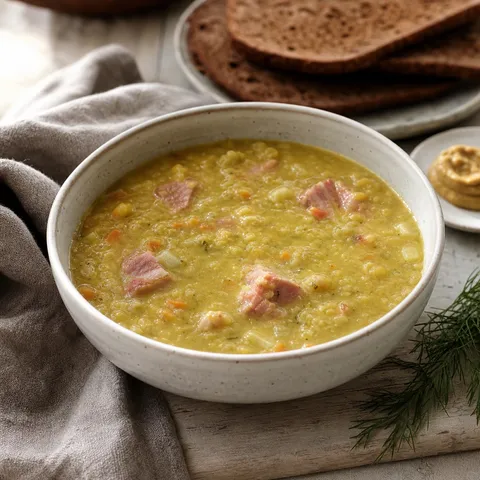
 Hernekeitto
Finland's beloved Thursday pea soup — yellow split peas simmered with smoky ham until thick and hearty, traditionally served with a shot of Finnish mustard and pancakes.