 Nordic Images are for illustrative purposes only, may be inaccurate, and do not guarantee the presence or absence of specific ingredients.
  Serving Images are for illustrative purposes only, may be inaccurate, and do not guarantee the presence or absence of specific ingredients.
 Swedish Pancakes (Pannkakor)
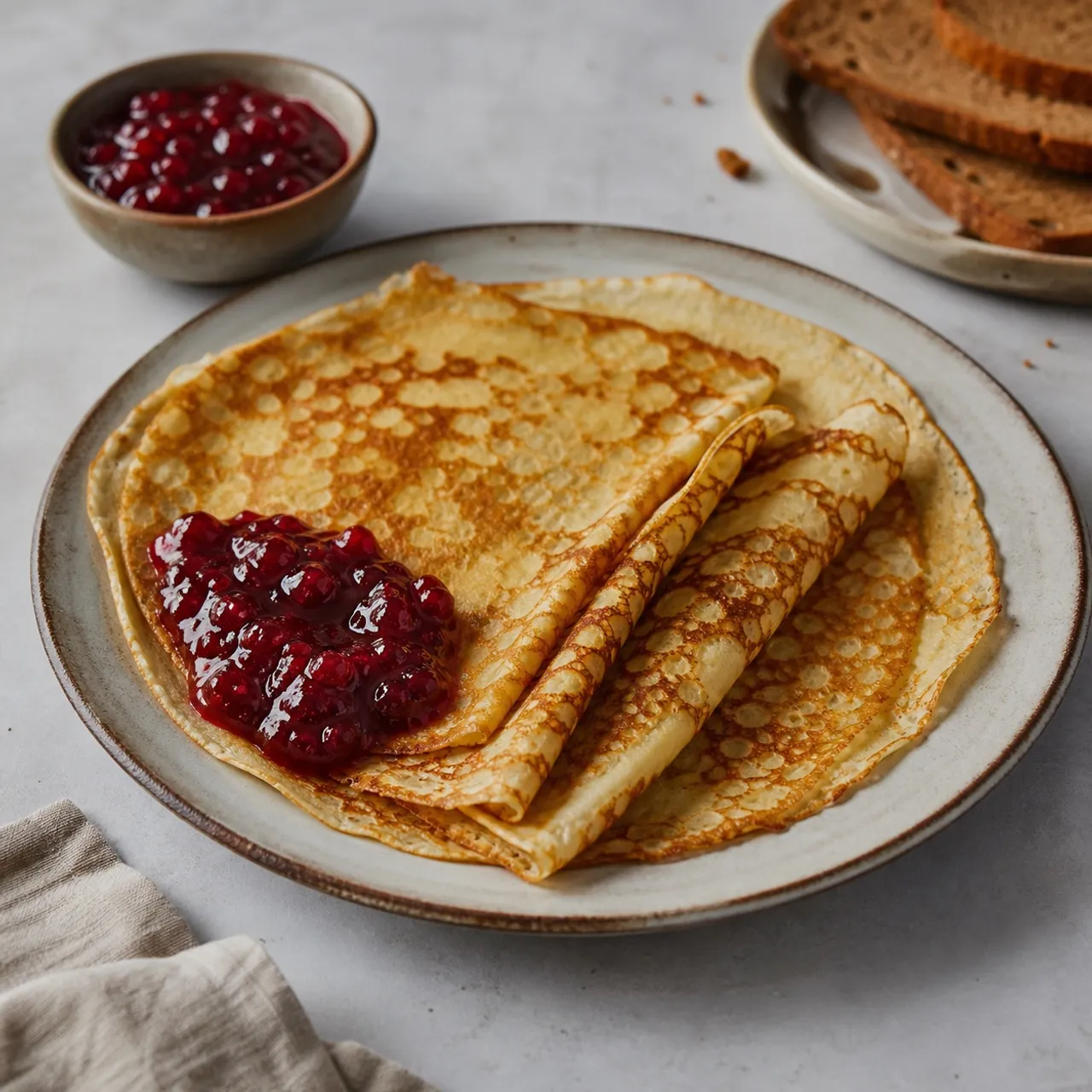
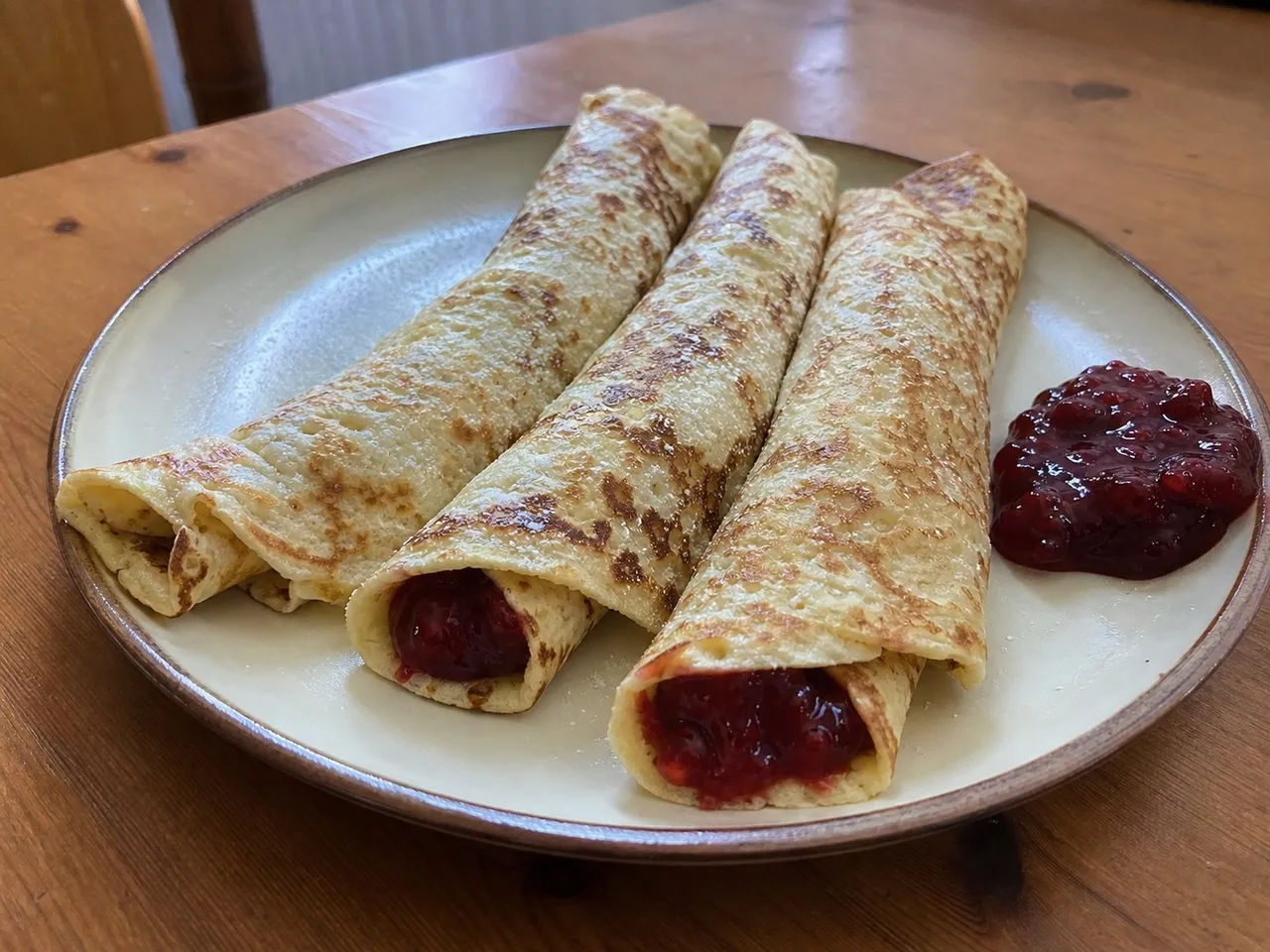
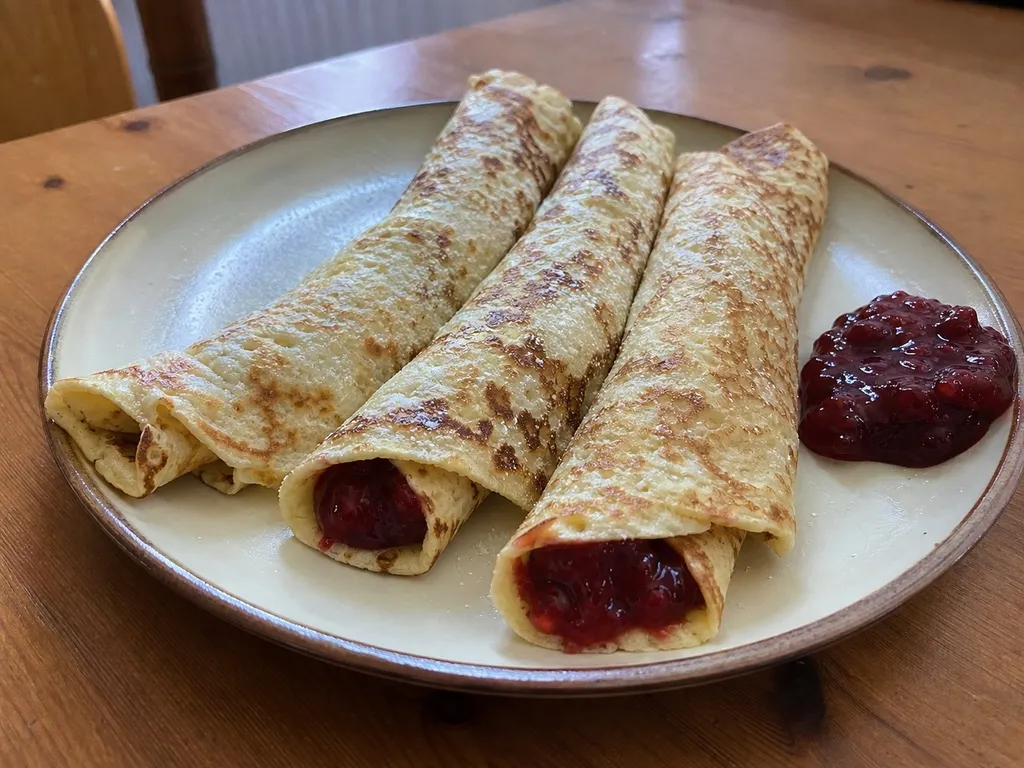
Thin, delicate Swedish pancakes cooked golden and rolled or folded around lingonberry jam and a dusting of powdered sugar.
Contains common allergens
In the app, Listahan checks these against your household automatically.
Good to know
- Ready in under 30 minutes
Matched from this dish's own ingredients and timing. Browse more: 30-minute meals
Instructions
5 steps- 1
Whisk the flour, sugar, and salt together, then beat in the eggs and about half the milk until you have a smooth, lump-free paste.
- 2
Whisk in the remaining milk and the melted butter until the batter is thin and pourable, then let it rest for 10 minutes so the flour hydrates and the pancakes turn out tender.
- 3
Heat a nonstick or well-seasoned skillet over medium heat and brush lightly with butter, then pour in about 1/4 cup of batter and immediately swirl the pan to coat the bottom in a thin, even layer.
- 4
Cook for about 1 minute until the edges lift and the underside is golden, then flip and cook the second side for 30 seconds more.
- 5
Slide each pancake onto a plate and continue with the rest, stacking them as you go, then spread with lingonberry jam, roll up, and dust with powdered sugar to serve.
 Images are for illustrative purposes only, may be inaccurate, and do not guarantee the presence or absence of specific ingredients.
 Listahan Family Score™
80/100
Good fit for most families
Score reflects how well this recipe fits a typical busy household. In the app, your Family Score is personalized to your household's allergens, kids, and pantry.
Nutrition
per serving495
Calories
14 g
Protein
70 g
Carbs
18 g
Fat
Estimated per serving. Actual values depend on the brands and portions you use.
Listahan cooking guide
Chef notes & practical guide
Technique notes, ingredient swaps, serve-alongside ideas, storage guidance, and equipment for this recipe.
Cultural context
Swedish pannkakor have been a Thursday tradition in Sweden for centuries — the custom of serving thick pea soup on Thursdays with pannkakor as dessert dates to medieval Catholic fasting practices and was so embedded in Swedish culture that even after the Reformation it persisted in Swedish schools, military canteens, and homes. Thinner than American flapjacks but thicker than French crepes, pannkakor occupy their own textural category: eggy, slightly sweet, and meant to be rolled around jam rather than stacked and syruped.
Listahan note
This version relies on a high egg-to-flour ratio and a 30-minute rest to produce the tender, rollable texture that distinguishes pannkakor from both thick American pancakes and thin French crepes.
Technique cues
- Resting the batter for 30 minutes after mixing is not optional — it allows the flour proteins to fully hydrate and relax, which is why pannkakor made from rested batter are smooth and flexible while those made from fresh batter tend to tear at the edges when flipped.
- The pan temperature is critical: medium heat ensures the pancake sets through before the exterior over-browns, while too-high heat produces a spotted, crispy pancake that cracks when rolled; the first pancake is always a test to calibrate the heat.
- Use a thin layer of butter between each pancake rather than a single puddle at the start of cooking — a fresh thin coat of butter for each pancake keeps the flavor consistent and prevents the pan from becoming dry or over-greased as you work through the batter.
Kitchen flow
- Parallel prep
- Mix the batter first and let it rest while you warm the pan and set out the jam, plates, and toppings — by the time the pan is ready the batter has rested its full 30 minutes.
- Make-ahead
- Batter keeps refrigerated for up to 48 hours; stir well before cooking as the flour settles. Cooked pannkakor can be stacked with parchment between layers and refrigerated overnight — reheat in a dry pan over medium heat.
- Leftover move
- Cold leftover pannkakor layered with sweetened whipped cream and berries in a tall glass make a quick Nordic trifle; alternatively, roll around savory fillings like ham and mustard for lunch.
- Cleanup rhythm
- Use a single pan and cook in batches, stacking finished pancakes on a plate in a warm oven; wipe the pan with a paper towel between batches if residue builds up rather than washing mid-cook.
Ingredient brief
Role, handling, and swap guidance for each key ingredient.
3 large eggs
structure, richness, and flexibility
Purpose: The high egg proportion gives pannkakor their characteristic custardy interior and the elasticity to roll without cracking.
Handling: Use room-temperature eggs — cold eggs incorporated into warm milk can cause the batter to seize slightly and develop lumps.
Adaptation: Two whole eggs plus two extra yolks produce an even richer, more golden pancake if you have yolks left over from another recipe.
2 1/2 cups whole milk
thinning agent and tender crumb
Purpose: The high milk-to-flour ratio is what makes pannkakor pourable and thin; whole milk's fat keeps the texture tender rather than rubbery.
Handling: Warm the milk slightly before mixing so the batter is at a consistent temperature and the butter does not solidify when added.
Adaptation: Oat milk (full-fat) produces a very similar result for a dairy-free version; add an extra tbsp for a thinner batter.
1 1/4 cups all-purpose flour
body and structure
Purpose: Flour provides just enough structure to hold the pancake together without making it stiff; too much flour shifts the texture toward American pancakes.
Handling: Whisk flour into the wet ingredients gradually to prevent lumps; or blend briefly with an immersion blender for a perfectly smooth batter.
Adaptation: A gluten-free 1:1 baking flour works adequately here since there is enough egg to compensate for the reduced gluten structure.
3 tbsp unsalted butter, melted (plus more for the pan)
richness and non-stick performance
Purpose: Butter in the batter adds flavor and a tender crumb; butter in the pan creates the lightly crisped, golden edge that signals a properly cooked pannkaka.
Handling: Melt and cool the butter slightly before adding to the batter so it does not cook the eggs when it makes contact.
Adaptation: Brown butter (beurre noisette) stirred into the batter adds a nutty depth that elevates this simple recipe noticeably.
1/2 cup lingonberry jam, for serving
traditional condiment and tart contrast
Purpose: Lingonberry jam's tartness cuts through the richness of the buttery pancake in a way that sweeter American jams do not; it is the traditional Swedish accompaniment.
Handling: Serve at room temperature or slightly warmed so it spreads easily into the rolled pancake.
Adaptation: Tart red currant jelly or unsweetened raspberry jam is the closest substitute; strawberry jam is sweeter but widely available and works.
Technique notes
- For the classic Swedish presentation, roll each pannkaka into a cylinder rather than folding it in quarters — the rolled form keeps the jam contained and is the traditional way to eat them with your hands at a Swedish fika.
- A proper plättpanna (Swedish cast-iron multi-well pancake pan) makes seven small pannkakor at once and is worth buying if you make this dish often; it produces evenly sized, perfectly round results with no effort.
- Do not flip too early — the pannkaka is ready to flip when the edges look dry and set and the surface no longer looks wet in the center; premature flipping tears the pancake before the protein network has set.
Ingredient swaps
- Gluten-free direction
- Use a gluten-free 1:1 baking flour in equal measure; rest the batter for an extra 15 minutes as gluten-free flours hydrate more slowly.
- Dairy-free direction
- Replace whole milk with full-fat oat milk and use a neutral coconut oil or vegan butter in place of dairy butter; the pancakes will be slightly less rich but still excellent.
- Savory direction
- Omit the sugar and serve with sour cream, smoked salmon, and chives instead of jam for a savory Swedish brunch version.
Serve alongside
- traditional Thursday yellow pea soup (artsoppa)
- cold glass of whole milk
- fresh sliced strawberries with a dusting of powdered sugar
- hot Swedish filter coffee or a latte
- cold oat milk for children
Serving suggestions only — check pairings for your household's allergens.
Storage & reheating
- Stack cooked pannkakor separated by parchment paper, wrap in plastic, and refrigerate for up to 3 days.
- Reheat in a dry non-stick pan over medium heat for 1 minute per side — avoid the microwave, which makes them rubbery.
- Freeze stacked with parchment between for up to 2 months; thaw overnight in the refrigerator before reheating.
Equipment
- 8-10 inch non-stick or well-seasoned cast-iron skillet
- thin flexible spatula for flipping
- blender or whisk for smooth batter
- ladle or 1/4-cup measure for consistent pouring
Make this household-aware
Listahan Pro checks this recipe against your household's allergens, finds pantry-aware swaps, builds the shopping list, and helps you plan the week around it.
Plan it in Listahan
Add Swedish Pancakes (Pannkakor) to your week, check it against your household's allergens, and build the shopping list automatically.
More Nordic recipes
 Nordic Lens Verified Images are for illustrative purposes only, may be inaccurate, and do not guarantee the presence or absence of specific ingredients.
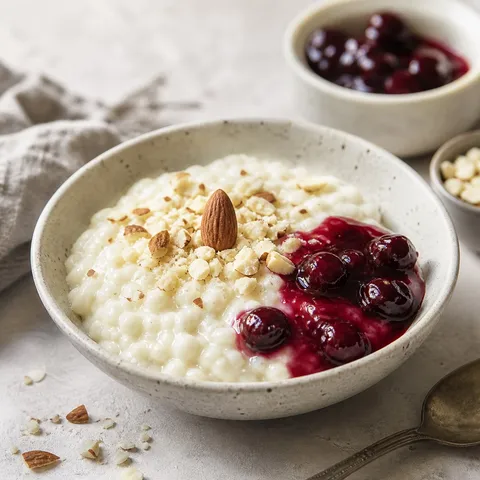
 Risalamande
A creamy Danish cold rice pudding folded with whipped cream and chopped almonds, served with a glossy warm cherry sauce on Christmas Eve.
 Nordic Lens Verified Images are for illustrative purposes only, may be inaccurate, and do not guarantee the presence or absence of specific ingredients.
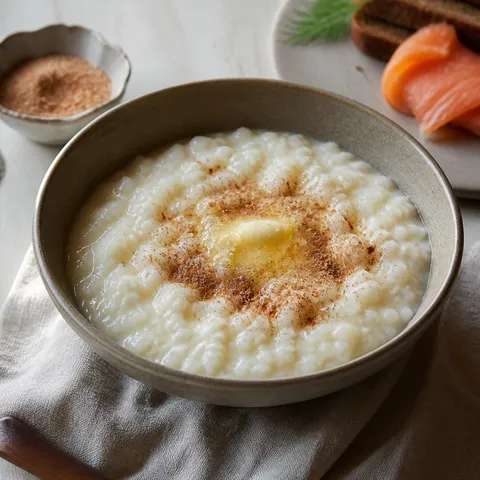
 Risgrynsgröt
Creamy Nordic rice porridge, slow-cooked until thick and comforting, scented with cinnamon and served with a pat of melting butter — Christmas morning in a bowl.
 Nordic Lens Verified Images are for illustrative purposes only, may be inaccurate, and do not guarantee the presence or absence of specific ingredients.
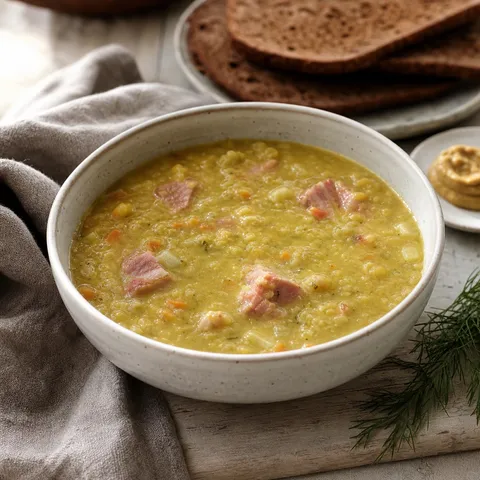
 Hernekeitto
Finland's beloved Thursday pea soup — yellow split peas simmered with smoky ham until thick and hearty, traditionally served with a shot of Finnish mustard and pancakes.