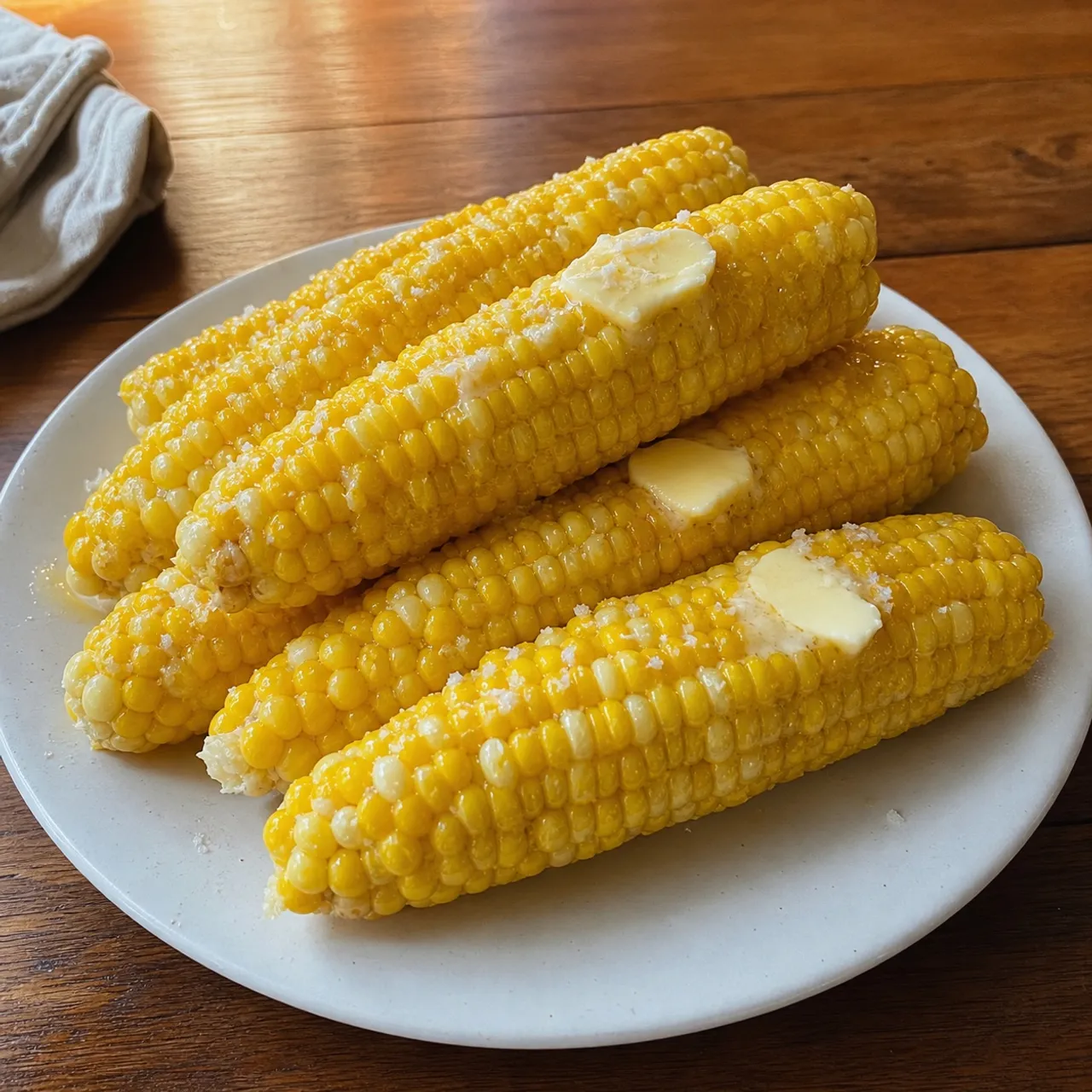
 North American Images are for illustrative purposes only, may be inaccurate, and do not guarantee the presence or absence of specific ingredients.
 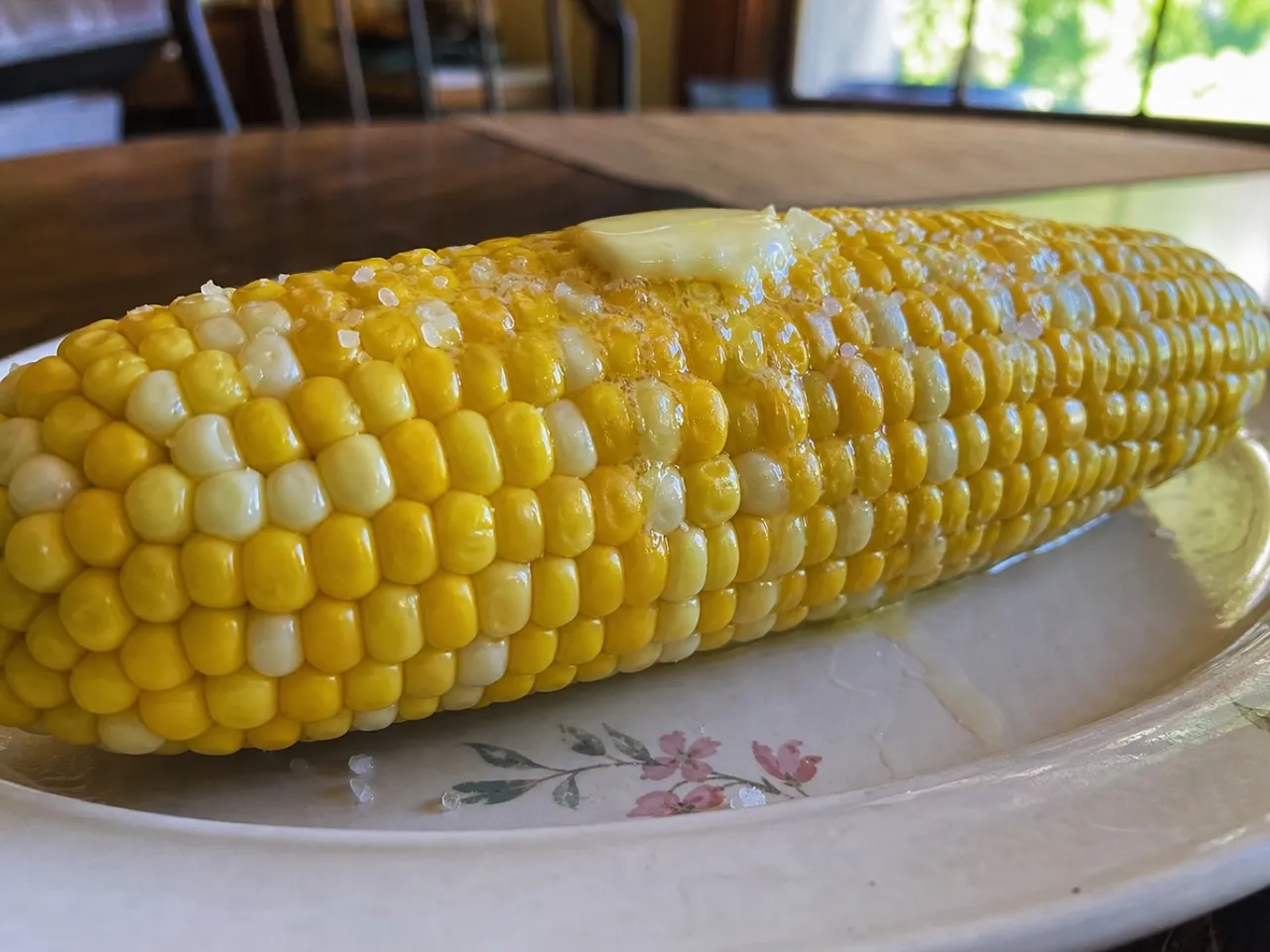 Serving Images are for illustrative purposes only, may be inaccurate, and do not guarantee the presence or absence of specific ingredients.
 Corn on the Cob
A culinary term used for a cooked ear of freshly picked sweet corn.
Contains common allergens
In the app, Listahan checks these against your household automatically.
Good to know
- One-pot
- Ready in under 30 minutes
Matched from this dish's own ingredients and timing. Browse more: one-pot dinners30-minute meals
Instructions
6 steps- 1
Bring a very large pot of water to a vigorous, rolling boil.
- 2
Do not add salt to the boiling water, as it can make the corn kernels tough. Instead, dissolve the 2 tablespoons of sugar into the boiling water to enhance the corn's natural sweetness.
- 3
Carefully drop the husked ears of corn into the boiling water using tongs. Cover the pot and immediately turn off the heat.
- 4
Let the corn sit undisturbed in the hot water for exactly 5-7 minutes. The corn will cook perfectly and become brightly yellow and crisp-tender.
- 5
Remove the corn from the water and let it drain for a moment.
- 6
Slather each hot ear generously with softened butter and sprinkle evenly with coarse sea salt. Serve immediately while steaming.
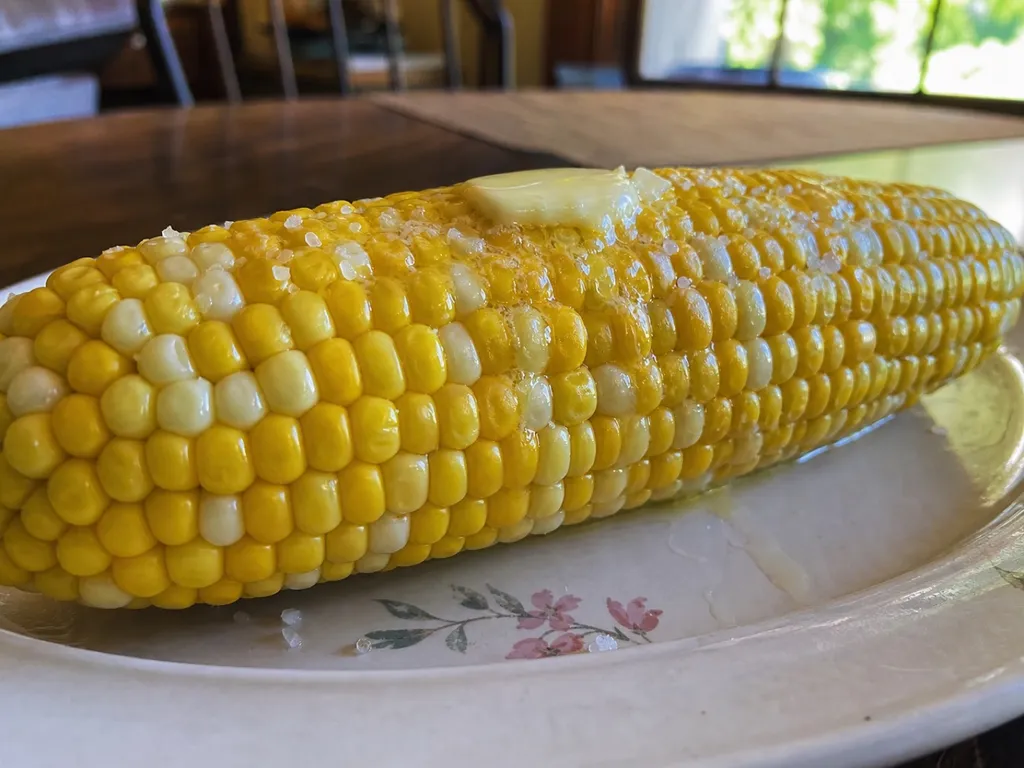 Images are for illustrative purposes only, may be inaccurate, and do not guarantee the presence or absence of specific ingredients.
 Listahan Family Score™
83/100
Good fit for most families
Score reflects how well this recipe fits a typical busy household. In the app, your Family Score is personalized to your household's allergens, kids, and pantry.
Nutrition
per serving125
Calories
0 g
Protein
6 g
Carbs
11 g
Fat
Estimated per serving. Actual values depend on the brands and portions you use.
Listahan cooking guide
Chef notes & practical guide
Technique notes, ingredient swaps, serve-alongside ideas, storage guidance, and equipment for this recipe.
Cultural context
Sweet corn as an eating crop is indigenous to the Americas, and boiling or roasting corn in the husk is a practice that predates European contact by thousands of years. The American tradition of eating corn on the cob at summer cookouts and state fairs crystallized in the 19th century as hybrid sweet corn varieties were developed specifically for higher sugar content. The dish is as much a seasonal ritual as a recipe: summer corn at peak ripeness needs almost nothing added to taste exceptional.
Listahan note
This version uses the turn-off-the-heat method, which is gentler than constant boiling and produces corn that is evenly cooked and tender without becoming waterlogged; the sugar in the water is the other small trick that makes a real difference.
Technique cues
- Corn converts sugar to starch rapidly after picking; the fresher the corn, the sweeter it tastes without any added sugar at all, and the shorter the cooking time it needs.
- Adding salt to boiling water before the corn goes in does toughen the skin slightly; add salt after cooking or at the table rather than during.
- The turn-off-the-heat method (drop corn in, cover, heat off) works because sweet corn only needs to be heated through, not cooked through; overboiling makes it starchy and soft.
Kitchen flow
- Parallel prep
- Put the water on to boil before doing anything else; husk the corn and prep other parts of the meal while waiting for the boil.
- Make-ahead
- Corn is best served immediately after cooking; you can husk and silk the cobs up to a day ahead and store wrapped in damp paper towels in the fridge.
- Leftover move
- Cut kernels off leftover cobs and use in a quick corn salad with lime, cilantro, and chili powder, or fold into scrambled eggs.
- Cleanup rhythm
- One large pot; dump the water and drop the pot in the sink to soak while you eat.
Ingredient brief
Role, handling, and swap guidance for each key ingredient.
fresh sweet corn
Main ingredient
Purpose: Peak-season fresh corn has enough natural sugar that it barely needs anything added; out-of-season corn is a fundamentally different ingredient.
Handling: Remove all silk threads after husking; a damp paper towel rubbed along the cob pulls silk off more easily than picking by hand.
Adaptation: Frozen corn on the cob works acceptably in winter and requires slightly longer boiling; canned corn cannot replicate the experience of eating from the cob.
granulated sugar
Water flavor enhancement
Purpose: A small amount of sugar in the water subtly reinforces the corn's natural sweetness, which matters especially for corn that is not at peak freshness.
Handling: Dissolve in the boiling water before adding the corn so it distributes evenly.
Adaptation: A tablespoon of whole milk added to the cooking water is another folk method that softens the flavor of the kernels.
unsalted butter
Finishing richness
Purpose: Softened butter spread over hot corn is one of the simplest combinations in American cooking; it carries salt into every crevice between kernels.
Handling: Bring to room temperature before serving so it melts on contact with the hot cob rather than sitting in a solid pat.
Adaptation: Herb butter (softened butter with chives, parsley, and garlic) is an easy upgrade; compound butters can be made ahead and kept in the freezer.
coarse sea salt
Finishing seasoning
Purpose: Coarse salt has a crunch and a slower dissolve than fine salt, which means individual crystals hit the palate at different moments and make the corn taste more complex.
Handling: Apply after buttering so the fat helps the salt adhere to the kernels rather than falling off.
Adaptation: Flaky sea salt such as Maldon delivers an even more pronounced crunch; smoked salt adds a campfire note that works well with grilled corn.
Technique notes
- The clearest indicator of doneness is color: raw corn is pale yellow and starchy-looking; properly cooked corn turns a brighter, more saturated yellow with slightly glossy kernels.
- Grilling corn directly on the grate (husked or in husk) adds a char note that boiling cannot replicate and is worth trying once you are comfortable with the basic version.
- Dress the corn at the table rather than in the kitchen so everyone can season to their own preference; some people want more salt, some want no butter, and the hot corn accepts toppings well for only a few minutes.
Ingredient swaps
- Dairy-free option
- Use refined coconut oil or a good dairy-free spread in place of butter; both melt well on hot corn and carry salt effectively.
- Flavor upgrade
- Mix softened butter with chili powder, lime zest, and a pinch of salt for a street-corn-inspired variation that elevates the whole dish.
Serve alongside
- Grilled burgers or hot dogs
- Watermelon wedges
- Simple potato salad
- Coleslaw
- Ice-cold lemonade
- American lager
- Sweet iced tea
Serving suggestions only — check pairings for your household's allergens.
Storage & reheating
- Leftover cooked corn on the cob keeps in the fridge for up to 2 days wrapped in foil.
- Reheat by wrapping in a damp paper towel and microwaving for 1-2 minutes, or drop briefly into simmering water for 1 minute.
- Cut off kernels and freeze flat on a sheet pan, then transfer to bags; frozen kernels keep for 6 months and work well in soups, succotash, and salsas.
Equipment
- Large pot (at least 8 quarts) that can submerge the corn fully
- Tongs for lowering and lifting ears safely
- Corn holders or a thick kitchen towel for handling at the table
- Sharp knife for cutting kernels off leftovers
Make this household-aware
Listahan Pro checks this recipe against your household's allergens, finds pantry-aware swaps, builds the shopping list, and helps you plan the week around it.
Plan it in Listahan
Add Corn on the Cob to your week, check it against your household's allergens, and build the shopping list automatically.
More North American recipes
 North American Lens Verified Images are for illustrative purposes only, may be inaccurate, and do not guarantee the presence or absence of specific ingredients.
 Soft Pretzels
Chewy golden mall-style pretzels with a salty crust, brushed in butter.
 North American Lens Verified Images are for illustrative purposes only, may be inaccurate, and do not guarantee the presence or absence of specific ingredients.
 Gumbo
A Louisiana-style gumbo of chicken thighs and Andouille sausage simmered with okra, the Cajun holy trinity, and a dark roux, served over rice.
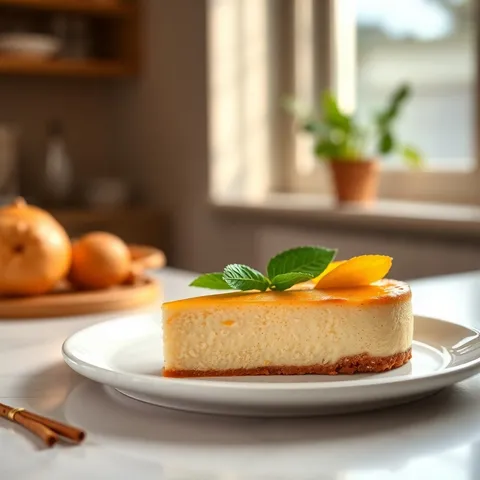 North American Lens Verified Images are for illustrative purposes only, may be inaccurate, and do not guarantee the presence or absence of specific ingredients.
 New York Cheesecake
A dense, ultra-creamy baked cheesecake with a buttery graham cracker crust and a faintly tangy, melt-in-your-mouth filling.