 North American Images are for illustrative purposes only, may be inaccurate, and do not guarantee the presence or absence of specific ingredients.
  Serving Images are for illustrative purposes only, may be inaccurate, and do not guarantee the presence or absence of specific ingredients.
 Macaroni and Cheese
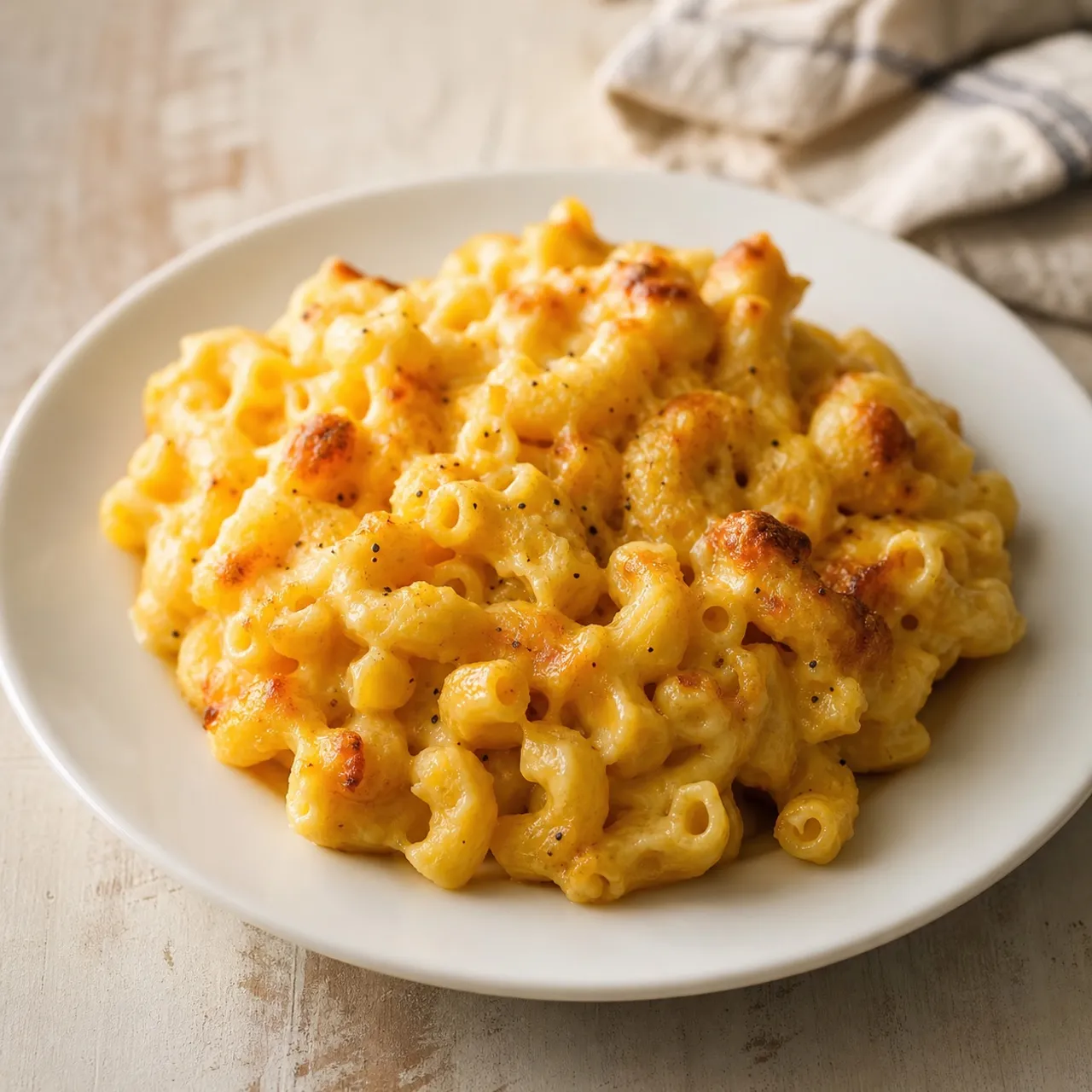
Indulge in a bowl of pure comfort with this luxuriously creamy, from-scratch macaroni and cheese. Every bite is packed with sharp cheddar goodness melting perfectly into tender elbow pasta!
Contains common allergens
In the app, Listahan checks these against your household automatically.
Good to know
- Ready in under 30 minutes
Matched from this dish's own ingredients and timing. Browse more: 30-minute meals
Instructions
5 steps- 1
Bring a large pot of heavily salted water to a rolling boil. Add the macaroni and cook for 7-8 minutes until al dente (firm to the bite). Drain well and set aside.
- 2
In a large saucepan, melt the butter over medium heat. Whisk in the flour constantly for 1-2 minutes until it turns a light golden color and smells nutty, creating a roux.
- 3
Gradually pour in the whole milk, whisking continuously to prevent lumps. Simmer for 3-5 minutes until the mixture thickens enough to coat the back of a spoon.
- 4
Remove the saucepan from the heat. Gradually stir in the grated cheddar cheese, salt, pepper, and paprika until the sauce is completely smooth and glossy.
- 5
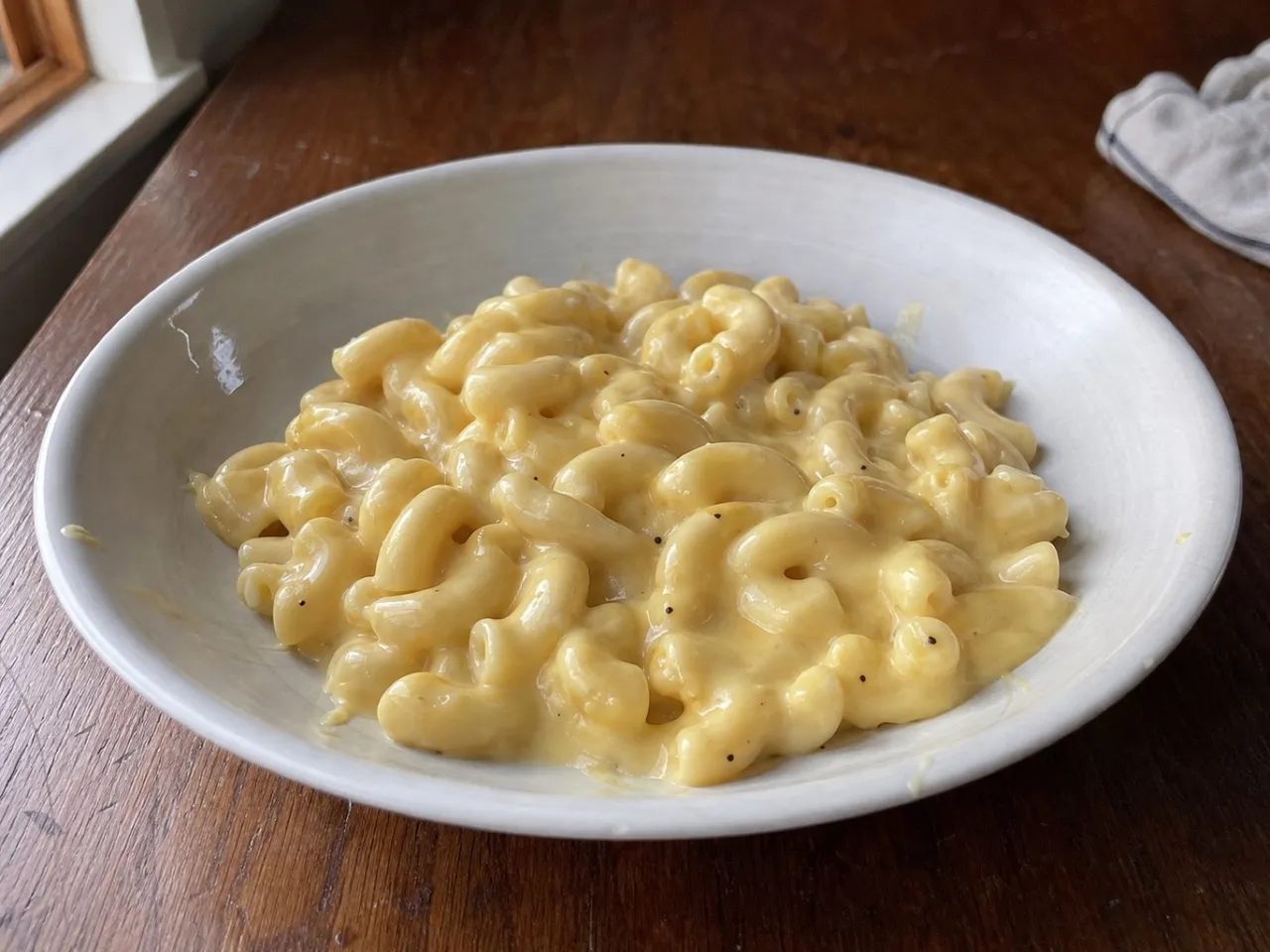
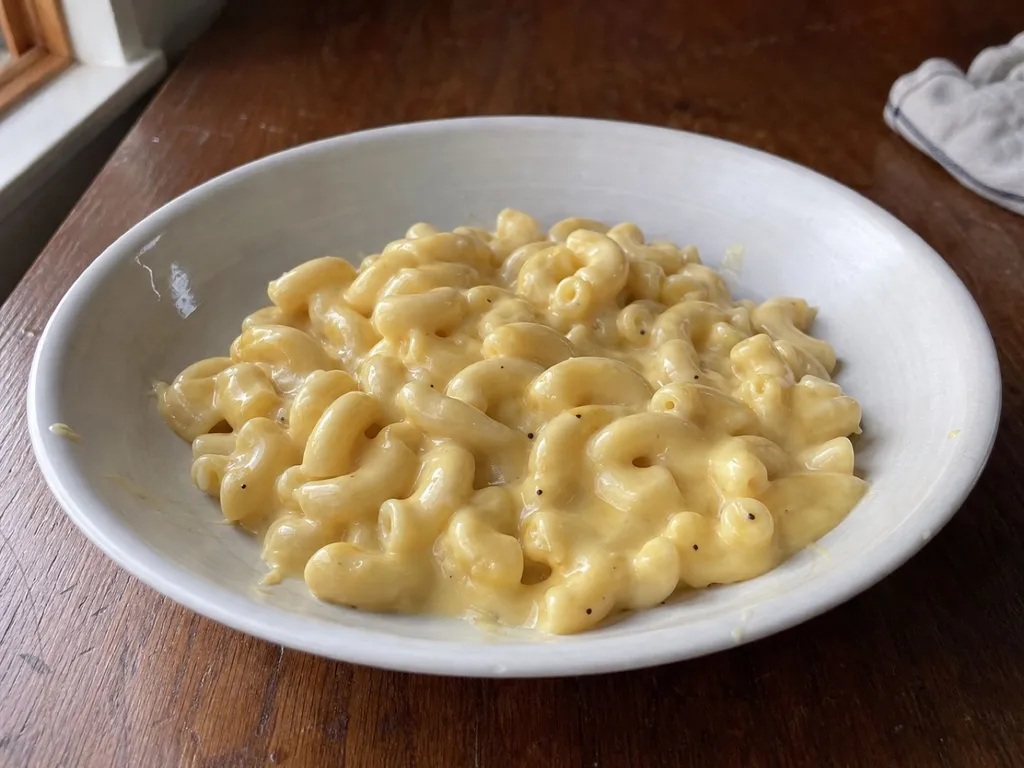
Fold the cooked macaroni into the cheese sauce until every noodle is evenly coated. Serve immediately while hot and creamy.
 Images are for illustrative purposes only, may be inaccurate, and do not guarantee the presence or absence of specific ingredients.
 Listahan Family Score™
79/100
Good fit for most families
Score reflects how well this recipe fits a typical busy household. In the app, your Family Score is personalized to your household's allergens, kids, and pantry.
Nutrition
per serving1285
Calories
50 g
Protein
113 g
Carbs
70 g
Fat
Estimated per serving. Actual values depend on the brands and portions you use.
Listahan cooking guide
Chef notes & practical guide
Technique notes, ingredient swaps, serve-alongside ideas, storage guidance, and equipment for this recipe.
Cultural context
Macaroni and cheese appeared in American cookbooks as early as the 1820s, and Thomas Jefferson is often credited with popularizing it, though versions existed in Britain and Italy long before. The dish became a household staple during the 20th century partly through the boxed product introduced in 1937 during the Depression, when cheap protein and carbs were essential. The baked, roux-based stovetop version seen here is the older domestic tradition, predating the powdered-cheese shortcut by more than a century.
Listahan note
This version builds flavor through a proper butter-flour roux cooked until nutty, then uses whole milk for a sauce that is creamy but not heavy, with freshly grated sharp cheddar that melts smoothly without the stabilizers found in pre-shredded bags.
Technique cues
- Cook the roux for the full 1-2 minutes over medium heat until it smells faintly nutty; underdone roux leaves a raw flour taste in the finished sauce.
- Add the milk gradually while whisking constantly; pouring it in all at once raises the risk of lumps that are hard to smooth out once the sauce thickens.
- Grate the cheese yourself rather than using pre-shredded; anti-caking agents in bagged cheese interfere with smooth melting and can make the sauce grainy.
Kitchen flow
- Parallel prep
- Start the pasta water while you melt the butter; the roux and sauce take about as long as boiling and draining the macaroni.
- Make-ahead
- Make the sauce up to 2 days ahead and refrigerate; reheat over low heat with a splash of milk while whisking to restore the consistency, then toss with freshly cooked pasta.
- Leftover move
- Pack cold mac and cheese into a skillet with a knob of butter and fry it undisturbed until crispy on the bottom for a quick next-day lunch.
- Cleanup rhythm
- Soak the saucepan immediately in hot water; cheese sauce sets hard when cold and is much harder to scrub once it dries.
Ingredient brief
Role, handling, and swap guidance for each key ingredient.
2 cups sharp cheddar cheese (freshly grated)
Primary flavor and sauce body
Purpose: Sharp cheddar has the aged depth to make the sauce taste like cheese rather than cream; mild cheddar produces a bland result.
Handling: Grate from a block right before use and remove from the refrigerator 10 minutes early so it melts evenly into the warm sauce.
Adaptation: Gruyere adds a nutty, more complex flavor; a 50/50 blend of cheddar and Gruyere is a common upgrade.
2 cups whole milk
Sauce base and richness
Purpose: Whole milk gives the bechamel enough fat to feel creamy without tipping into heaviness the way heavy cream would.
Handling: Warm the milk slightly before adding to the roux so it incorporates faster and reduces the risk of lumps.
Adaptation: 2 percent milk works but produces a slightly thinner sauce; compensate by reducing an extra minute before adding the cheese.
1/4 cup unsalted butter
Roux fat and flavor base
Purpose: Butter gives the roux flavor that neutral oils cannot; it also helps the cheese melt into a smoother emulsion.
Handling: Melt fully before adding flour and watch the heat so the butter foams but does not brown during the roux stage.
Adaptation: A neutral vegetable oil works for a dairy-free roux base if paired with a non-dairy milk and vegan cheese.
1/4 cup all-purpose flour
Thickener
Purpose: Flour starch swells in hot liquid and gives the sauce enough body to coat the pasta without running off.
Handling: Add all at once to the melted butter and stir constantly so the flour absorbs the fat evenly before any liquid goes in.
Adaptation: Cornstarch slurry (2 tbsp cornstarch in 2 tbsp cold water) can substitute for a gluten-free version but produces a slightly glossier, less rich sauce.
1/4 tsp paprika
Color accent and mild warmth
Purpose: A small amount of paprika deepens the golden color of the sauce and adds a subtle background warmth without heat.
Handling: Stir in with salt and pepper at the end of sauce-making so it does not scorch in the pan.
Adaptation: Smoked paprika adds a mild smokiness that works well if you plan to bake the finished dish with a breadcrumb topping.
Technique notes
- Pull the pasta at al dente, not fully soft; it will continue absorbing liquid from the sauce and become overcooked if it goes in already tender.
- Lower the heat to minimum before adding the cheese so the sauce never boils; boiling cheese sauce can break and turn grainy.
- Taste for salt only after the cheese is fully incorporated; sharp cheddar carries significant salt and the dish may need none.
Ingredient swaps
- Gluten-free direction
- Use gluten-free elbow pasta and substitute a cornstarch slurry for the flour roux; the sauce will be slightly thinner but still coats well.
- Dairy-free option
- Use oat milk in place of whole milk, vegan butter, and a blend of nutritional yeast with melting vegan cheddar; the sauce will be less rich but still creamy.
- Richer version
- Replace half the milk with heavy cream for a restaurant-style sauce that holds its coating longer when plated.
Serve alongside
- Tomato soup for dipping
- Simple green salad with apple cider vinaigrette
- Steamed broccoli
- Garlic bread
- Sparkling apple cider
- Light lager
- Whole milk for a classic pairing
Serving suggestions only — check pairings for your household's allergens.
Storage & reheating
- Refrigerate in a sealed container for up to 4 days; the pasta continues to absorb sauce as it sits.
- Reheat on the stovetop with 2-3 tablespoons of milk per serving, stirring over low heat until the sauce loosens and the pasta is warm throughout.
- Freeze individual portions for up to 2 months; thaw overnight and add extra milk when reheating as the sauce will be thicker after freezing.
Equipment
- Heavy-bottomed saucepan or Dutch oven to prevent scorching the roux
- Whisk for smooth roux and lump-free sauce
- Box grater for grating cheese from the block
Make this household-aware
Listahan Pro checks this recipe against your household's allergens, finds pantry-aware swaps, builds the shopping list, and helps you plan the week around it.
Plan it in Listahan
Add Macaroni and Cheese to your week, check it against your household's allergens, and build the shopping list automatically.
More North American recipes
 North American Lens Verified Images are for illustrative purposes only, may be inaccurate, and do not guarantee the presence or absence of specific ingredients.
 Soft Pretzels
Chewy golden mall-style pretzels with a salty crust, brushed in butter.
 North American Lens Verified Images are for illustrative purposes only, may be inaccurate, and do not guarantee the presence or absence of specific ingredients.
 Gumbo
A Louisiana-style gumbo of chicken thighs and Andouille sausage simmered with okra, the Cajun holy trinity, and a dark roux, served over rice.
 North American Lens Verified Images are for illustrative purposes only, may be inaccurate, and do not guarantee the presence or absence of specific ingredients.
 New York Cheesecake
A dense, ultra-creamy baked cheesecake with a buttery graham cracker crust and a faintly tangy, melt-in-your-mouth filling.