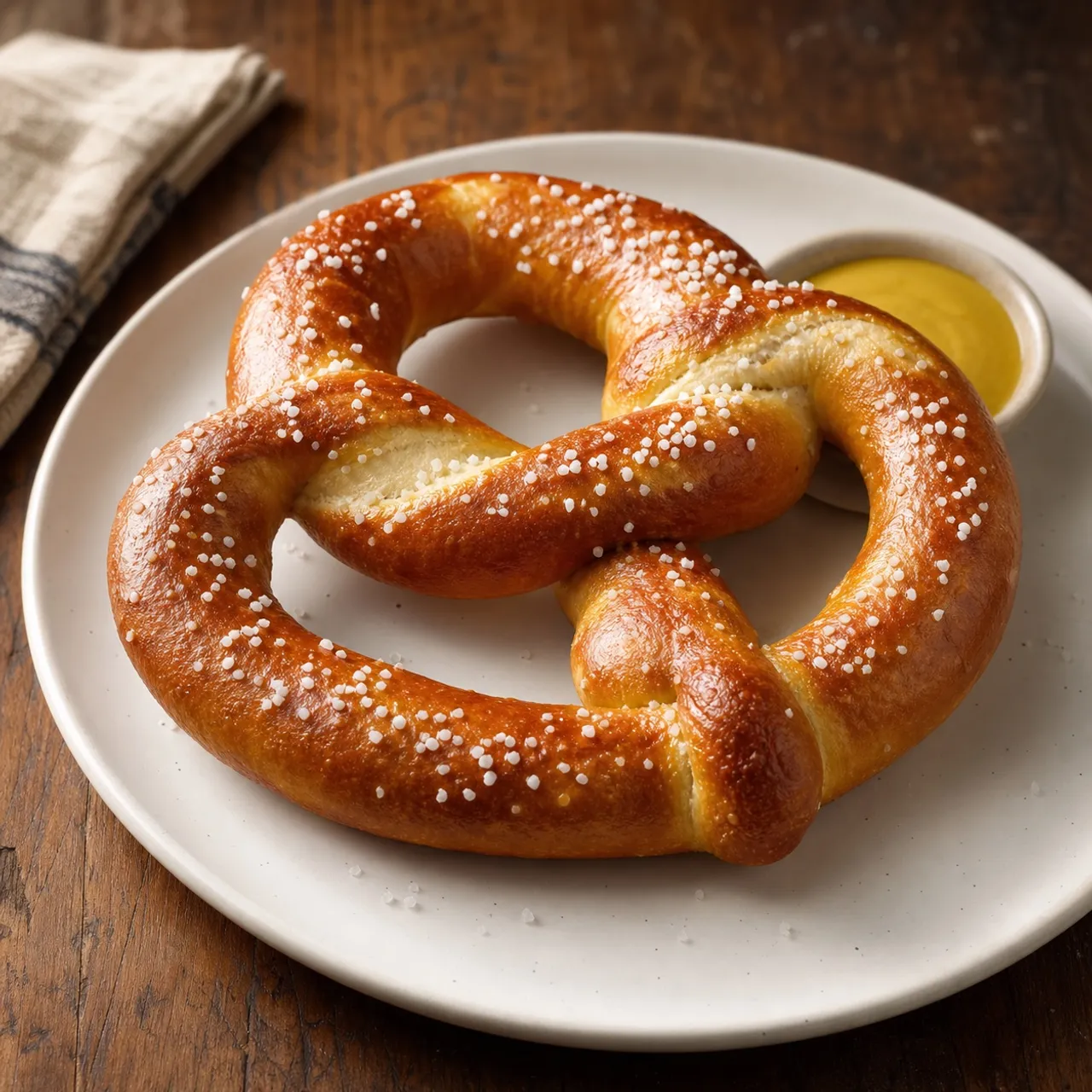
 North American Images are for illustrative purposes only, may be inaccurate, and do not guarantee the presence or absence of specific ingredients.
 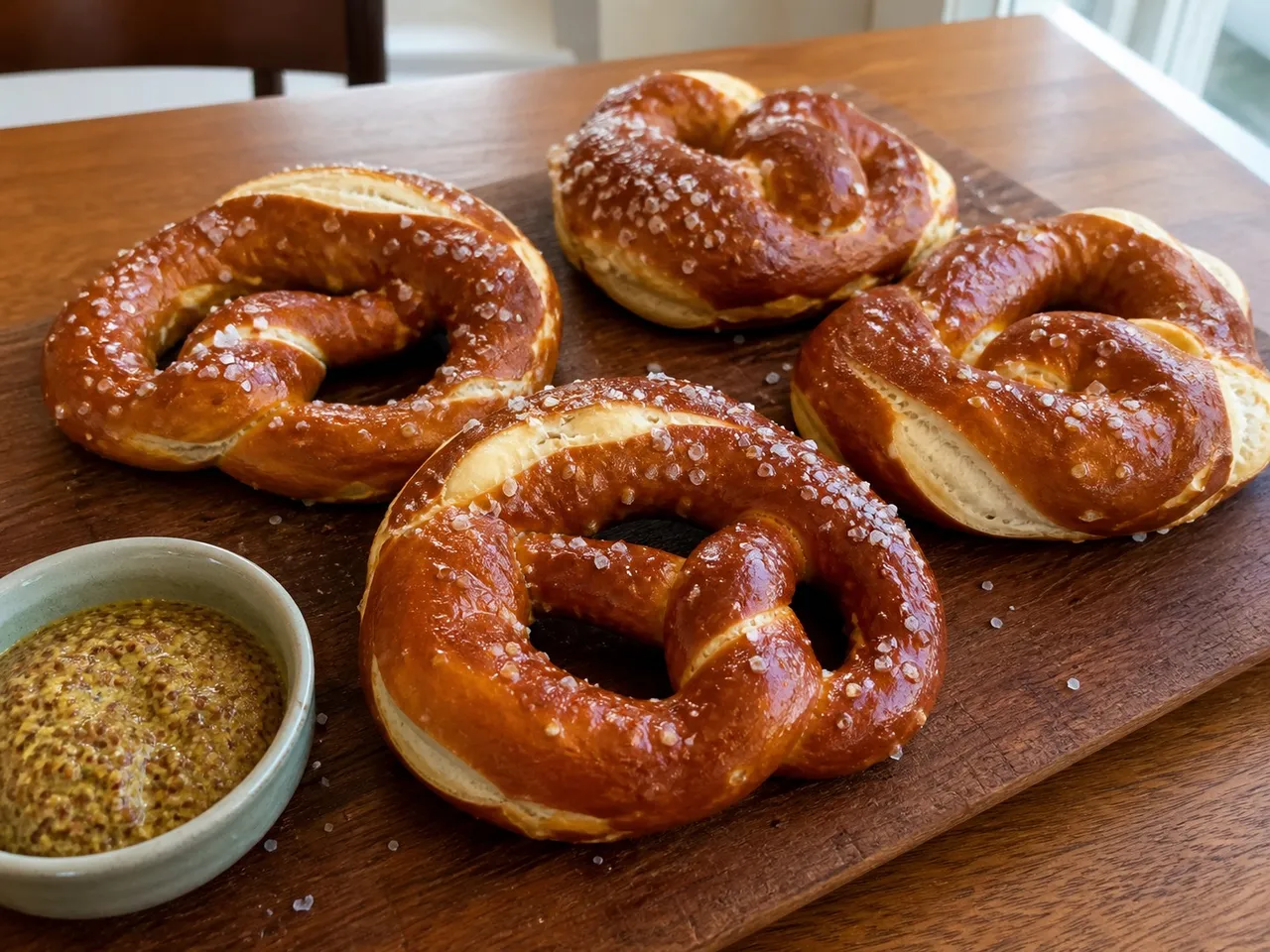 Serving Images are for illustrative purposes only, may be inaccurate, and do not guarantee the presence or absence of specific ingredients.
 Soft Pretzels
Chewy golden mall-style pretzels with a salty crust, brushed in butter.
Contains common allergens
In the app, Listahan checks these against your household automatically.
Instructions
6 steps- 1
Make the Dough: Mix the flour, yeast, brown sugar, and warm water into a dough; knead until smooth and let rise 30 minutes.
- 2
Shape: Divide, roll each piece into a long rope, and twist into the classic pretzel shape.
- 3
Baking-Soda Bath: Boil a large pot of water with the baking soda, then dip each pretzel for 30 seconds (this gives the chewy brown crust).
- 4
Top: Place on a lined tray and sprinkle with coarse salt.
- 5
Bake: Bake at 220°C (425°F) for 12-15 minutes until deep golden.
- 6
Butter: Brush the warm pretzels with melted butter and serve with mustard or cheese dip.
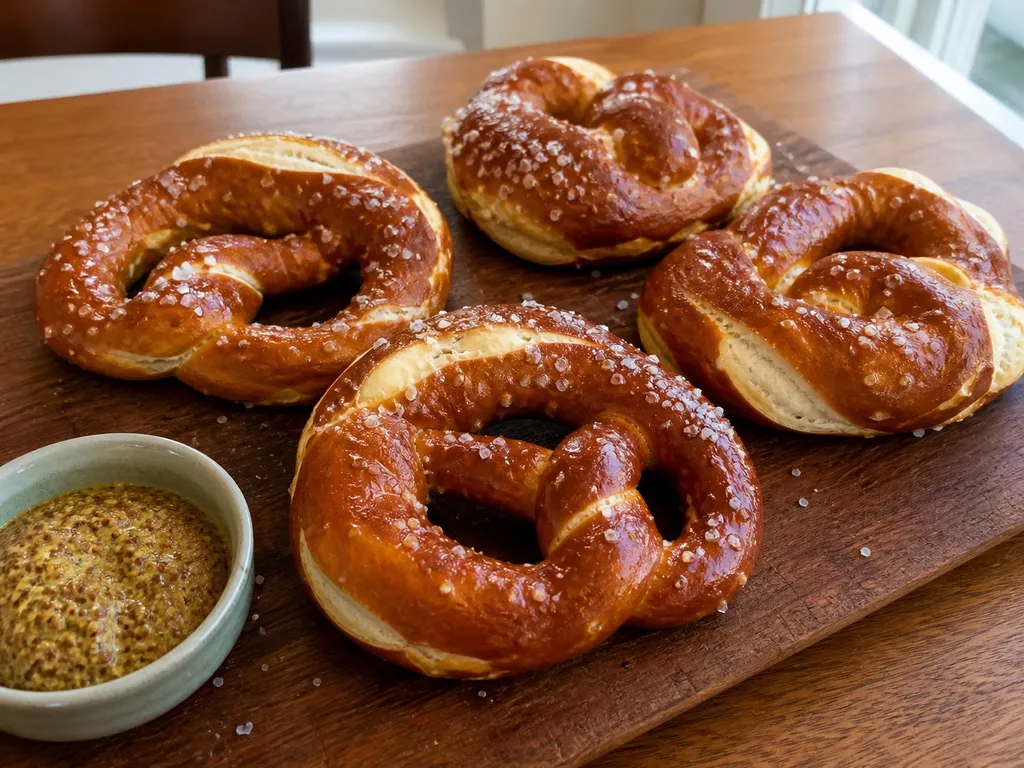 Images are for illustrative purposes only, may be inaccurate, and do not guarantee the presence or absence of specific ingredients.
 Listahan Family Score™
78/100
Good fit for most families
Score reflects how well this recipe fits a typical busy household. In the app, your Family Score is personalized to your household's allergens, kids, and pantry.
Nutrition
per serving425
Calories
6 g
Protein
80 g
Carbs
9 g
Fat
Estimated per serving. Actual values depend on the brands and portions you use.
Listahan cooking guide
Chef notes & practical guide
Technique notes, ingredient swaps, serve-alongside ideas, storage guidance, and equipment for this recipe.
Cultural context
Pretzels have German and Alsatian roots going back several centuries, arriving in North America with German and Pennsylvania Dutch immigrants in the 18th and 19th centuries. The commercial American soft pretzel, sold warm at ballparks and street carts, became an icon of Philadelphia food culture in particular, where vendors have sold them since the 1800s. The baking-soda bath that gives the pretzel its brown, chewy crust is a simplified version of the lye bath used in traditional German baking, accessible to home cooks without the safety risks of food-grade lye.
Listahan note
This version uses a baking-soda bath rather than lye, which is safe and practical for home kitchens and still produces the characteristic mahogany crust and chewy bite that separates a true pretzel from plain bread dough.
Technique cues
- The alkaline bath, whether lye or baking soda, changes the surface chemistry of the dough so it browns at a much lower temperature than plain bread, which is why the outside is deep brown before the inside is overbaked.
- Rolling the dough ropes to the same thickness ensures even baking; thicker ropes stay soft in the center while the surface is done, and thinner ropes dry out before browning evenly.
- Salt should go on after the baking-soda bath and immediately before baking; adding it before the bath causes the salt to partially dissolve into the surface and reduces the crunch of the final crust.
Kitchen flow
- Parallel prep
- Start the dough 90 minutes before you want to serve; while it rises you can prepare dipping sauces or sides.
- Make-ahead
- Shape the pretzels, freeze on a tray, and store frozen; dip from frozen in the baking-soda bath and bake directly, adding 3 to 4 minutes to the bake time.
- Leftover move
- Slice day-old pretzels and toast on a griddle with butter for pretzel toast; serve with cream cheese or alongside soup.
- Cleanup rhythm
- Do the baking-soda bath near the sink; the boiling water drips as you transfer pretzels and the alkaline water should not dry on countertops.
Ingredient brief
Role, handling, and swap guidance for each key ingredient.
All-purpose flour
Dough base
Purpose: Moderate protein content produces a dough that is chewy but not as dense as bread flour, which is what gives soft pretzels their distinctive tender-but-springy texture.
Handling: Measure by weight if possible; flour is often packed in measuring cups and excess flour makes the dough stiff and hard to shape.
Adaptation: Bread flour produces a chewier, denser pretzel closer to a German-style Brezel; the structure holds the shape better but is tougher to eat warm.
Instant yeast
Leavening agent
Purpose: Produces the airy interior and the slight tang of fermented dough that separates a soft pretzel from unleavened flat bread.
Handling: Mix directly with the flour without dissolving in water first; instant yeast activates with the moisture from the dough.
Adaptation: Active dry yeast can be substituted but requires dissolving in warm water first; use the same weight.
Baking soda
Alkaline bath agent
Purpose: Raises the pH of the dough surface so it undergoes Maillard browning much faster and at lower temperatures than neutral dough, producing the distinctive brown crust.
Handling: Dissolve fully in boiling water before dipping; undissolved baking soda leaves white patches on the surface.
Adaptation: Baked baking soda (toasted in the oven for 1 hour at 120 C) is more alkaline and produces a deeper brown crust closer to the lye-dipped version.
Brown sugar
Flavor and yeast food
Purpose: Adds a slightly sweet, molasses note to the dough that balances the salt and enhances the crust color.
Handling: Dissolve in the warm water along with the yeast before adding to the flour.
Adaptation: Honey or white sugar can replace brown sugar; honey adds a floral note, white sugar is neutral.
Technique notes
- The 30-second dip in the baking-soda bath is enough; longer immersion does not improve the result and can make the dough surface overly tacky.
- Score the thick part of each pretzel with a sharp knife or razor just before baking to allow for even expansion without splitting unpredictably at a weak point.
- Serve within 20 minutes of baking; soft pretzels cool quickly and the crust toughens as they sit. Reheat briefly in an oven rather than a microwave to restore softness.
Ingredient swaps
- Gluten-free direction
- Use a high-quality 1:1 gluten-free flour blend; the structure will be less chewy but the crust character from the baking-soda bath is preserved.
- Topping variation
- Everything bagel seasoning, sesame seeds, or cinnamon sugar pressed on before baking are all classic alternatives to coarse salt.
- Dairy-free direction
- The base recipe uses no dairy; verify any dipping sauce (cheese sauce, honey mustard) separately.
Serve alongside
- Beer cheese dip or cheddar sauce
- Spicy brown mustard
- Honey mustard for dipping
- German wheat beer or lager
- Apple cider (alcoholic or sparkling non-alcoholic)
- Sparkling water with a twist of lemon
Serving suggestions only — check pairings for your household's allergens.
Storage & reheating
- Store at room temperature in a paper bag for up to 1 day; plastic bags trap steam and make the crust soft.
- Reheat in a 180 C oven for 5 minutes to restore the crust; the pretzel comes back to near-fresh quality.
- Freeze fully baked pretzels for up to 1 month; thaw at room temperature and reheat in a 180 C oven for 8 minutes.
Equipment
- Stand mixer with dough hook (or hands for kneading)
- Large pot for the baking-soda bath
- Parchment-lined sheet pans
- Spider or slotted spoon for transferring from bath to tray
Make this household-aware
Listahan Pro checks this recipe against your household's allergens, finds pantry-aware swaps, builds the shopping list, and helps you plan the week around it.
Plan it in Listahan
Add Soft Pretzels to your week, check it against your household's allergens, and build the shopping list automatically.
More North American recipes
 North American Lens Verified Images are for illustrative purposes only, may be inaccurate, and do not guarantee the presence or absence of specific ingredients.
 Gumbo
A Louisiana-style gumbo of chicken thighs and Andouille sausage simmered with okra, the Cajun holy trinity, and a dark roux, served over rice.
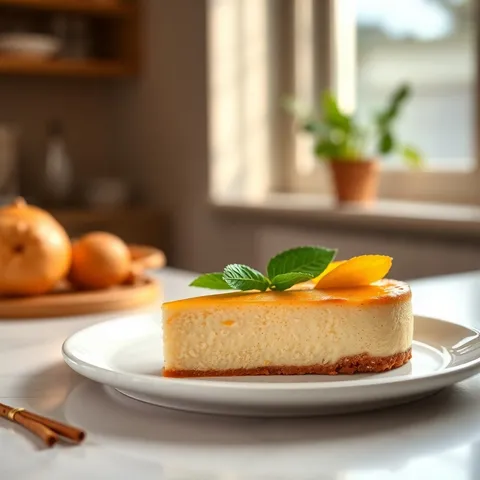 North American Lens Verified Images are for illustrative purposes only, may be inaccurate, and do not guarantee the presence or absence of specific ingredients.
 New York Cheesecake
A dense, ultra-creamy baked cheesecake with a buttery graham cracker crust and a faintly tangy, melt-in-your-mouth filling.
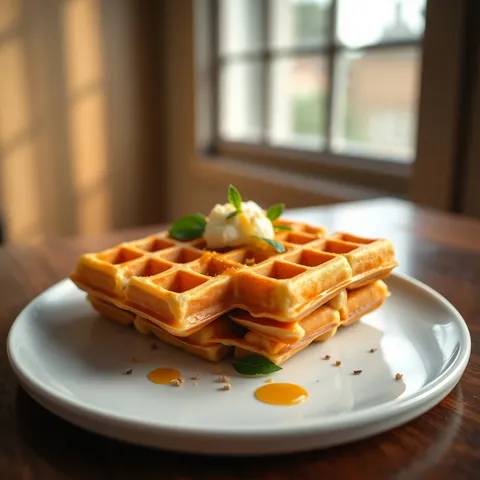 North American Lens Verified Images are for illustrative purposes only, may be inaccurate, and do not guarantee the presence or absence of specific ingredients.
 Waffles
A dish made from leavened batter cooked between two hot, patterned plates.