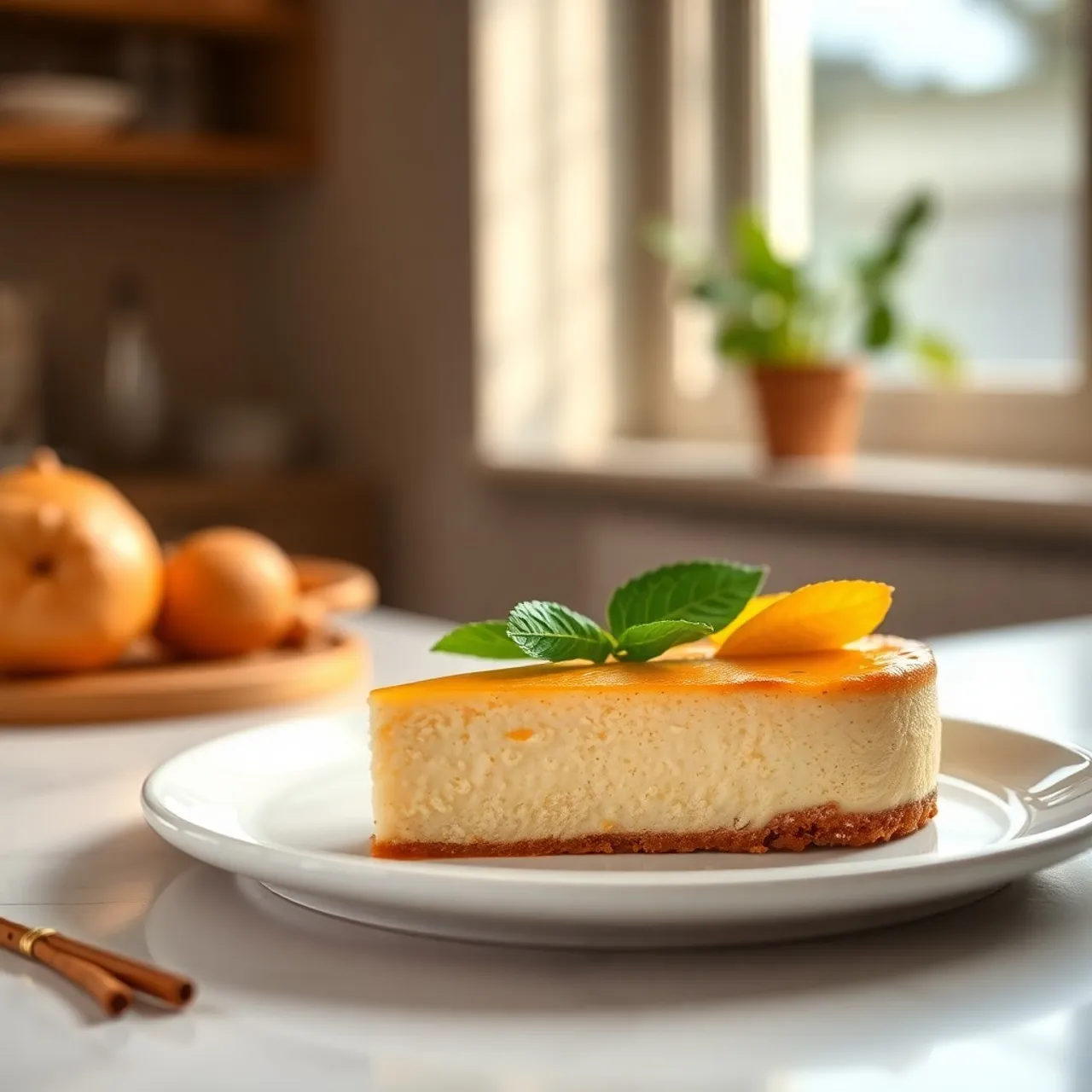
 North American Images are for illustrative purposes only, may be inaccurate, and do not guarantee the presence or absence of specific ingredients.
 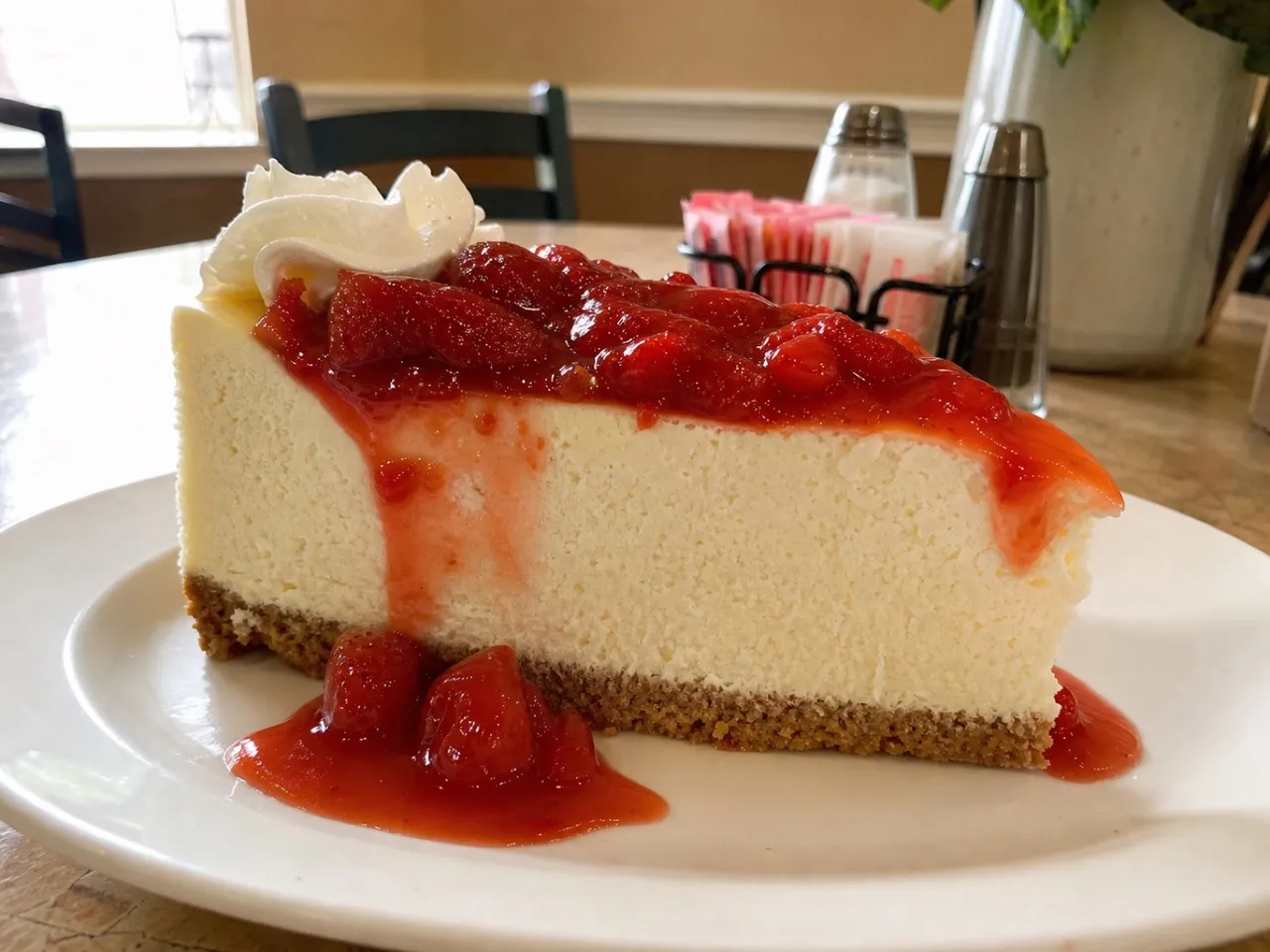 Serving Images are for illustrative purposes only, may be inaccurate, and do not guarantee the presence or absence of specific ingredients.
 New York Cheesecake
A dense, ultra-creamy baked cheesecake with a buttery graham cracker crust and a faintly tangy, melt-in-your-mouth filling.
Contains common allergens
In the app, Listahan checks these against your household automatically.
Instructions
6 steps- 1
Preheat the oven to 325°F and tightly wrap the outside of a 9-inch springform pan with two layers of heavy-duty foil to seal it against a water bath. Stir the graham cracker crumbs with the melted butter and 2 tablespoons of the sugar until the mixture resembles wet sand, then press firmly into the bottom and 1 inch up the sides, and bake for 10 minutes until set.
- 2
Using a stand mixer with the paddle on low speed, beat the room-temperature cream cheese with the remaining sugar for 2 to 3 minutes until completely smooth, scraping the bowl often to eliminate any lumps before they bake in.
- 3
Beat in the sour cream and vanilla, then add the eggs and yolks one at a time on the lowest speed, mixing just until each disappears to avoid whipping in air that causes cracks.
- 4
Pour the batter over the cooled crust, set the springform inside a large roasting pan, and carefully pour boiling water halfway up the sides to create a gentle, even bake.
- 5
Bake for 75 to 90 minutes until the edges are set but the center 3 inches still jiggle slightly when nudged, then turn off the oven, crack the door, and let the cake cool inside for 1 hour.
- 6
Run a thin knife around the edge, chill uncovered in the refrigerator for at least 6 hours or overnight, then release the ring and slice with a hot, wiped knife for clean wedges.
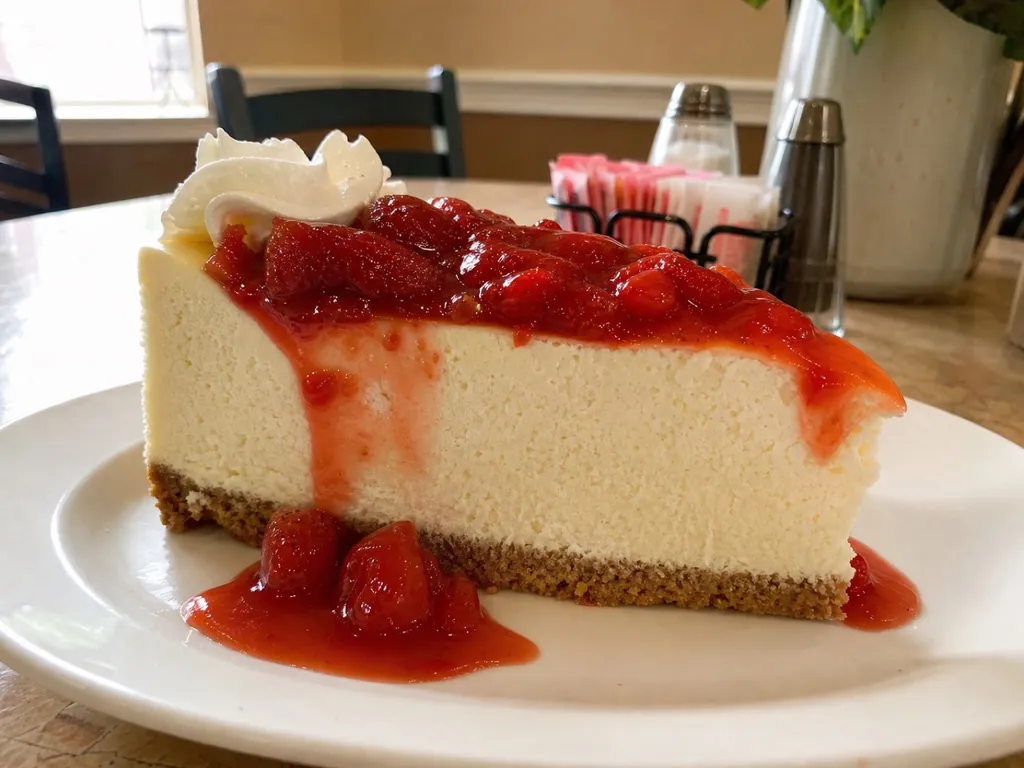 Images are for illustrative purposes only, may be inaccurate, and do not guarantee the presence or absence of specific ingredients.
 Listahan Family Score™
67/100
Works for many families
Score reflects how well this recipe fits a typical busy household. In the app, your Family Score is personalized to your household's allergens, kids, and pantry.
Nutrition
per serving760
Calories
12 g
Protein
55 g
Carbs
52 g
Fat
Estimated per serving. Actual values depend on the brands and portions you use.
Listahan cooking guide
Chef notes & practical guide
Technique notes, ingredient swaps, serve-alongside ideas, storage guidance, and equipment for this recipe.
Cultural context
New York cheesecake is a 20th-century American creation that owes its density and tang to the wide availability of mass-produced cream cheese, which William Lawrence of Chester, New York produced at scale from the 1870s onward. Arnold Reuben, a Jewish-German immigrant, is often credited with popularizing the style at his Manhattan restaurant in the 1920s, where it became the signature of New York deli and steakhouse culture.
Listahan note
This version uses a water bath and a low oven to avoid the common cracks and rubbery texture; the sour cream brings a subtle tang that makes the dense cream-cheese filling taste lighter than it is.
Technique cues
- Room-temperature cream cheese is not optional; cold cream cheese does not blend smooth no matter how long you mix it, and the lumps bake in permanently.
- The water bath (bain-marie) surrounds the pan with gentle steam heat that keeps the edges from cooking faster than the center, which is the main reason for cracks.
- The cheesecake is done when the edges are set and the center 2 to 3 inches still has a distinct wobble; it will firm completely as it cools in the oven with the door cracked.
Kitchen flow
- Parallel prep
- Bring all dairy ingredients to room temperature while preheating the oven and preparing the crust; this is the most time-sensitive prep step.
- Make-ahead
- New York cheesecake is best made the day before; it needs at least 6 hours of refrigeration to fully set, and the flavor improves overnight.
- Leftover move
- Serve leftover slices with a tablespoon of fresh berry compote or a drizzle of salted caramel, which revives day-old cheesecake without adding heaviness.
- Cleanup rhythm
- Rinse the mixer paddle and bowl with hot water immediately after use; cream cheese that dries on equipment becomes very difficult to remove.
Ingredient brief
Role, handling, and swap guidance for each key ingredient.
32 oz full-fat cream cheese, room temperature
Main body and richness
Purpose: Full-fat cream cheese provides the dense, creamy texture that defines this style; reduced-fat versions have more water and produce a softer, less stable cheesecake.
Handling: Leave out at room temperature for at least 2 hours; beat on low speed and scrape the bowl frequently before adding any other ingredients.
Adaptation: Mascarpone can replace up to half the cream cheese for an even richer result with a slightly less tangy flavor.
2 cups graham cracker crumbs
Crust
Purpose: Graham cracker crust is the standard North American base and provides a sweet, slightly caramelized layer that contrasts with the rich, tangy filling.
Handling: Press the crumb mixture firmly and evenly using the bottom of a measuring cup; a loose crust crumbles when sliced.
Adaptation: Biscoff cookies or digestive biscuits make a spiced alternative crust; vanilla wafers give a lighter, sweeter base.
4 large eggs plus 2 egg yolks, room temperature
Structure and richness
Purpose: The egg yolks add richness and color while the whole eggs provide the protein structure that sets the filling during baking.
Handling: Add one at a time on the lowest mixer speed and mix only until each disappears; overbeating whips in air that expands in the oven and then collapses into cracks.
Adaptation: Using all whole eggs (6 instead of 4 plus 2 yolks) produces a slightly lighter, more quiche-like texture that is still good but less classically dense.
2/3 cup sour cream
Tang and moisture
Purpose: Sour cream adds a subtle dairy tang and keeps the filling from becoming too dense and grainy as it cools.
Handling: Bring to room temperature along with the cream cheese so the batter temperature stays consistent when they are combined.
Adaptation: Full-fat plain Greek yogurt can replace sour cream for a slightly tangier result; creme fraiche gives a richer, less acidic version.
1 1/4 cups granulated sugar
Sweetness and stability
Purpose: Sugar not only sweetens but also helps stabilize the protein network of the eggs, contributing to the smooth, creamy texture.
Handling: Beat with the cream cheese until the mixture is completely smooth and the sugar is no longer gritty before adding any liquid ingredients.
Adaptation: Light brown sugar adds a faint caramel note to the filling; powdered sugar dissolves more easily but can make the batter slightly stickier.
Technique notes
- After baking, turn off the oven, crack the door, and leave the cheesecake inside for an hour before moving it to the counter; this gradual cooling prevents the surface from contracting too quickly and cracking.
- Run a thin knife or offset spatula around the edge of the pan while the cheesecake is still slightly warm to release it from the sides before it sticks as it cools and contracts.
- Slice with a thin knife dipped in hot water and wiped dry between each cut; this gives clean slices through the dense filling without dragging.
Ingredient swaps
- Gluten-free direction
- Use gluten-free graham-style crackers or almond flour mixed with butter and a pinch of sugar for the crust; the filling is naturally gluten-free.
- Lighter direction
- Replace half the cream cheese with full-fat Greek yogurt and reduce eggs to 3 whole plus 1 yolk; the result is tangier and less dense but still very good.
Serve alongside
- Fresh strawberry sauce or macerated berries
- Blueberry compote with lemon zest
- Thin drizzle of salted caramel
- Dessert Riesling or Moscato d'Asti
- Strong black coffee or espresso
- Cold whole milk for the classic diner pairing
Serving suggestions only — check pairings for your household's allergens.
Storage & reheating
- Refrigerate covered (not wrapped tightly, which can mar the surface) for up to 5 days; the flavor and texture are best on days 2 and 3.
- Serve at room temperature rather than cold from the fridge; take slices out 20 minutes before serving so the cream cheese softens slightly.
- Freeze individual slices on a sheet pan until solid, then wrap tightly in plastic and foil; freeze up to 2 months and thaw overnight in the fridge.
Equipment
- 9-inch springform pan tightly wrapped in two layers of heavy-duty foil to prevent water-bath leaks
- Stand mixer with paddle attachment for lump-free cream cheese mixing
- Roasting pan large enough to hold the springform pan surrounded by an inch of hot water
Make this household-aware
Listahan Pro checks this recipe against your household's allergens, finds pantry-aware swaps, builds the shopping list, and helps you plan the week around it.
Plan it in Listahan
Add New York Cheesecake to your week, check it against your household's allergens, and build the shopping list automatically.
More North American recipes
 North American Lens Verified Images are for illustrative purposes only, may be inaccurate, and do not guarantee the presence or absence of specific ingredients.
 Soft Pretzels
Chewy golden mall-style pretzels with a salty crust, brushed in butter.
 North American Lens Verified Images are for illustrative purposes only, may be inaccurate, and do not guarantee the presence or absence of specific ingredients.
 Gumbo
A Louisiana-style gumbo of chicken thighs and Andouille sausage simmered with okra, the Cajun holy trinity, and a dark roux, served over rice.
 North American Lens Verified Images are for illustrative purposes only, may be inaccurate, and do not guarantee the presence or absence of specific ingredients.
 Waffles
A dish made from leavened batter cooked between two hot, patterned plates.