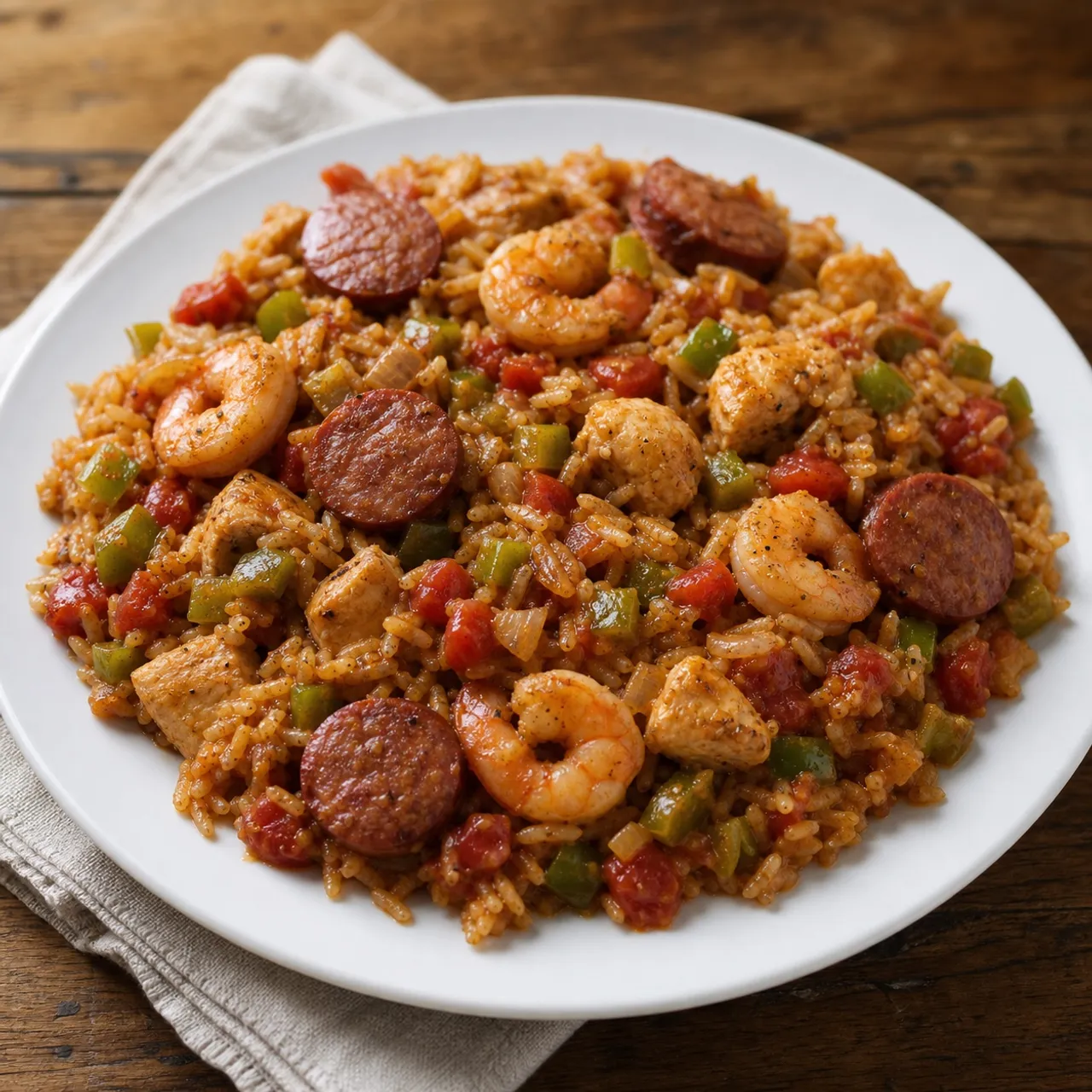
 North American Images are for illustrative purposes only, may be inaccurate, and do not guarantee the presence or absence of specific ingredients.
 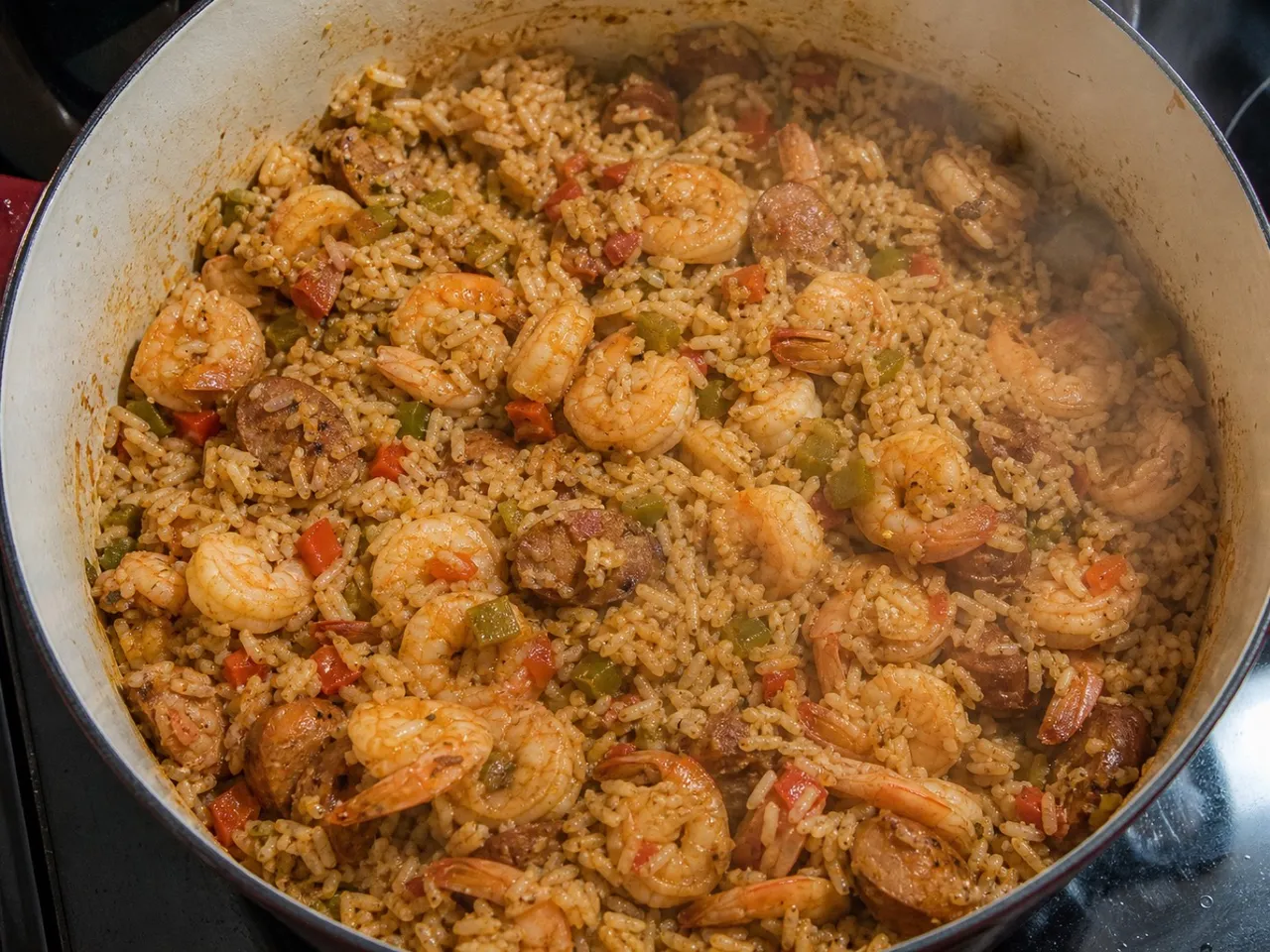 Serving Images are for illustrative purposes only, may be inaccurate, and do not guarantee the presence or absence of specific ingredients.
 Jambalaya
A Creole rice dish consisting of meat, vegetables, and rice.
Contains common allergens
In the app, Listahan checks these against your household automatically.
Good to know
- One-pot
Matched from this dish's own ingredients and timing. Browse more: one-pot dinners
Instructions
6 steps- 1
Heat 1 tbsp of oil in a large pot or Dutch oven over medium-high heat. Add the chicken and sausage, cooking for 5-7 minutes until deeply browned. Remove the meat and set aside.
- 2
In the same pot with the rendered fat, sauté the diced onion and bell pepper for 5 minutes until soft and aromatic, scraping up the browned bits from the bottom.
- 3
Stir in the uncooked rice and Creole seasoning, toasting the rice for 2 minutes to enhance its flavor.
- 4
Return the chicken and sausage to the pot. Pour in the diced tomatoes (with their juices) and the chicken broth. Bring the mixture to a rolling boil.
- 5
Reduce the heat to low, cover tightly with a lid, and simmer undisturbed for 20 minutes until the rice is tender and has absorbed most of the liquid.
- 6
Remove the lid, quickly stir in the raw shrimp, and cover again. Turn off the heat and let it rest for 5 minutes until the shrimp are pink and cooked through. Fluff with a fork and serve.
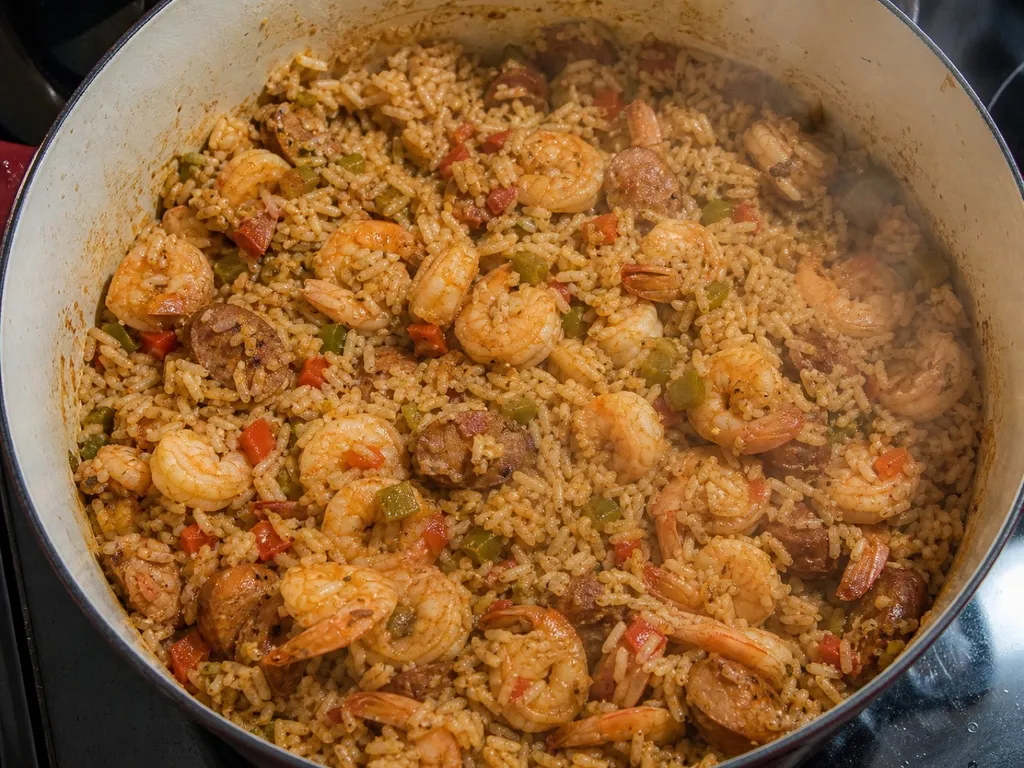 Images are for illustrative purposes only, may be inaccurate, and do not guarantee the presence or absence of specific ingredients.
 Listahan Family Score™
64/100
Works for many families
Score reflects how well this recipe fits a typical busy household. In the app, your Family Score is personalized to your household's allergens, kids, and pantry.
Nutrition
per serving575
Calories
54 g
Protein
53 g
Carbs
16 g
Fat
Estimated per serving. Actual values depend on the brands and portions you use.
Listahan cooking guide
Chef notes & practical guide
Technique notes, ingredient swaps, serve-alongside ideas, storage guidance, and equipment for this recipe.
Cultural context
Jambalaya developed in Louisiana from the collision of Spanish paella traditions, French Creole technique, and West African one-pot rice cooking. The Creole version (with tomatoes, associated with New Orleans) and the Cajun version (without tomatoes, associated with the bayou parishes) remain distinct in Louisiana households, and debates between the two are taken seriously. At its core, jambalaya is a technique for building flavor into rice as it cooks, absorbing the fat and juices of every meat in the pot.
Listahan note
This version follows the Creole style with tomatoes, building layers by browning each protein before the rice goes in so the grains absorb maximum flavor during the single cook.
Technique cues
- Toasting the uncooked rice in the fat and spices for a couple of minutes before adding liquid coats each grain and helps it hold its texture through the long, covered simmer.
- Resist lifting the lid while the rice cooks. Steam loss leads to undercooked, crunchy rice at the bottom of the pot.
- The shrimp should be added in the last 5 minutes only, off direct heat if possible, then covered; carryover heat is enough to cook them through without toughening.
Kitchen flow
- Parallel prep
- Dice all the vegetables and proteins before turning on the heat; once the sausage is browning, the sequence moves quickly.
- Make-ahead
- Brown the meats and saute the vegetables up to a day ahead; refrigerate and finish with rice and broth when ready to serve.
- Leftover move
- Leftover jambalaya reheats well in a skillet with a splash of broth over medium heat; it thickens overnight so it needs a little liquid.
- Cleanup rhythm
- One Dutch oven from start to finish; soak it while you eat and the tomato residue lifts easily.
Ingredient brief
Role, handling, and swap guidance for each key ingredient.
andouille sausage
Smoky flavor foundation
Purpose: Andouille renders seasoned fat into the pot that flavors every component that cooks in it afterward.
Handling: Brown the slices on both sides over medium-high heat before adding chicken; the crust adds textural contrast to the finished dish.
Adaptation: Smoked kielbasa is widely available and a close substitute; reduce the Creole seasoning slightly as kielbasa is often saltier.
boneless skinless chicken thighs
Main protein body
Purpose: Thighs stay moist and flavorful through the full cook time and continue to give off juices that flavor the rice.
Handling: Dice into roughly 1-inch pieces so they cook through evenly during the rice simmer.
Adaptation: Chicken breast can be used but risks drying out; if substituting, reduce the simmering time slightly.
long-grain white rice
Body and absorber
Purpose: Long-grain rice stays separate during cooking rather than clumping, producing the dry, distinct grains that define jambalaya over risotto-like dishes.
Handling: Do not rinse before adding; the surface starch helps the grains absorb flavor as they cook.
Adaptation: Parboiled rice (converted rice) is the most forgiving substitute and resists going mushy; brown rice requires more liquid and longer cooking.
diced tomatoes (undrained)
Acid and moisture
Purpose: Tomatoes add the acidity that defines the Creole style and provide enough liquid to help the rice cook evenly.
Handling: Add undrained so all the liquid is incorporated into the cooking liquid ratio.
Adaptation: Crushed tomatoes work but make the dish slightly saucier; omitting tomatoes entirely shifts the dish toward the Cajun style.
Creole seasoning
Spice blend
Purpose: A Creole blend balances garlic, onion, paprika, and cayenne in one measured addition and keeps the dish in the right flavor register.
Handling: Bloom it with the rice for 2 minutes before adding liquid to release the full spice character.
Adaptation: Homemade blend: 2 tsp paprika, 1 tsp garlic powder, 1 tsp onion powder, half tsp cayenne, half tsp black pepper, half tsp dried thyme.
Technique notes
- Brown the meats in batches if the pot is crowded. Crowding causes steaming instead of browning and the dish loses the fond that flavors the rice.
- The liquid-to-rice ratio is critical: 2 cups liquid per 1.5 cups dry long-grain rice. Too much liquid makes mush; too little leaves crunchy spots.
- After the rice is done, leave the lid on and let it rest off heat for 5 minutes. This allows the steam to redistribute and the grains to firm up before serving.
Ingredient swaps
- Gluten-free direction
- All primary ingredients in this recipe are naturally gluten-free; verify only the Creole seasoning blend used.
- Lower-heat direction
- Reduce the Creole seasoning to 2 teaspoons and omit the smoked paprika; add a half teaspoon of sweet paprika for color without the heat.
Serve alongside
- Crusty French bread
- Simple green salad with vinaigrette
- Cornbread muffins
- Abita Purple Haze wheat ale
- Sweet tea with lemon
- Dry rose wine
Serving suggestions only — check pairings for your household's allergens.
Storage & reheating
- Refrigerate in a sealed container for up to 3 days; the rice continues to absorb liquid so the dish thickens considerably.
- Reheat with 2 to 3 tablespoons of chicken broth per serving, stirring over medium heat until loosened and steaming.
- Freeze for up to 2 months without the shrimp; add fresh cooked shrimp when reheating.
Equipment
- Large Dutch oven or heavy-bottomed pot with a tight lid, at least 6-quart
- Wooden spoon for stirring
- Ladle for serving
Make this household-aware
Listahan Pro checks this recipe against your household's allergens, finds pantry-aware swaps, builds the shopping list, and helps you plan the week around it.
Plan it in Listahan
Add Jambalaya to your week, check it against your household's allergens, and build the shopping list automatically.
More North American recipes
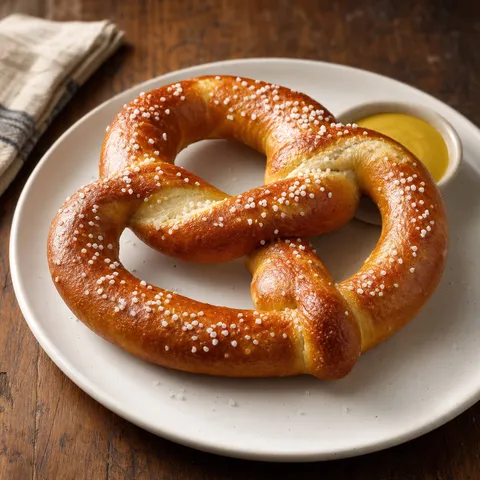 North American Lens Verified Images are for illustrative purposes only, may be inaccurate, and do not guarantee the presence or absence of specific ingredients.
 Soft Pretzels
Chewy golden mall-style pretzels with a salty crust, brushed in butter.
 North American Lens Verified Images are for illustrative purposes only, may be inaccurate, and do not guarantee the presence or absence of specific ingredients.
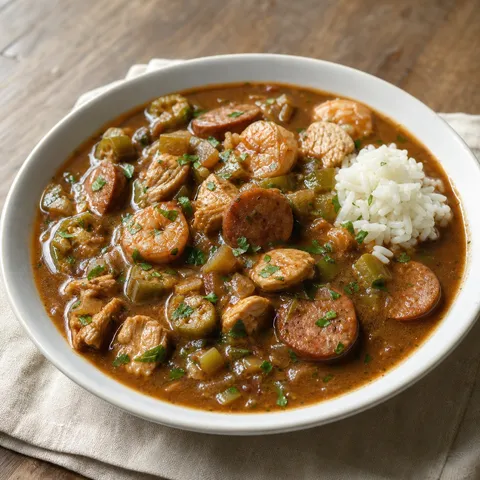
 Gumbo
A Louisiana-style gumbo of chicken thighs and Andouille sausage simmered with okra, the Cajun holy trinity, and a dark roux, served over rice.
 North American Lens Verified Images are for illustrative purposes only, may be inaccurate, and do not guarantee the presence or absence of specific ingredients.
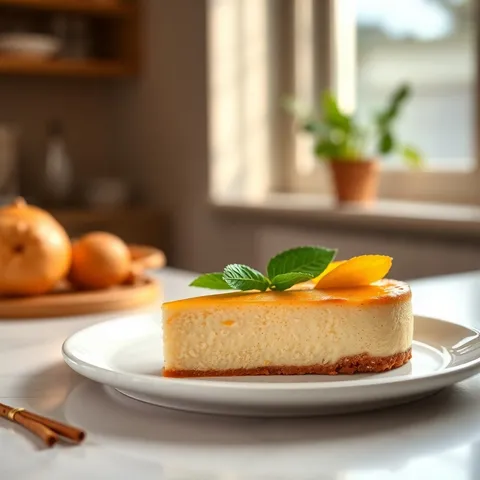
 New York Cheesecake
A dense, ultra-creamy baked cheesecake with a buttery graham cracker crust and a faintly tangy, melt-in-your-mouth filling.