 South American Images are for illustrative purposes only, may be inaccurate, and do not guarantee the presence or absence of specific ingredients.
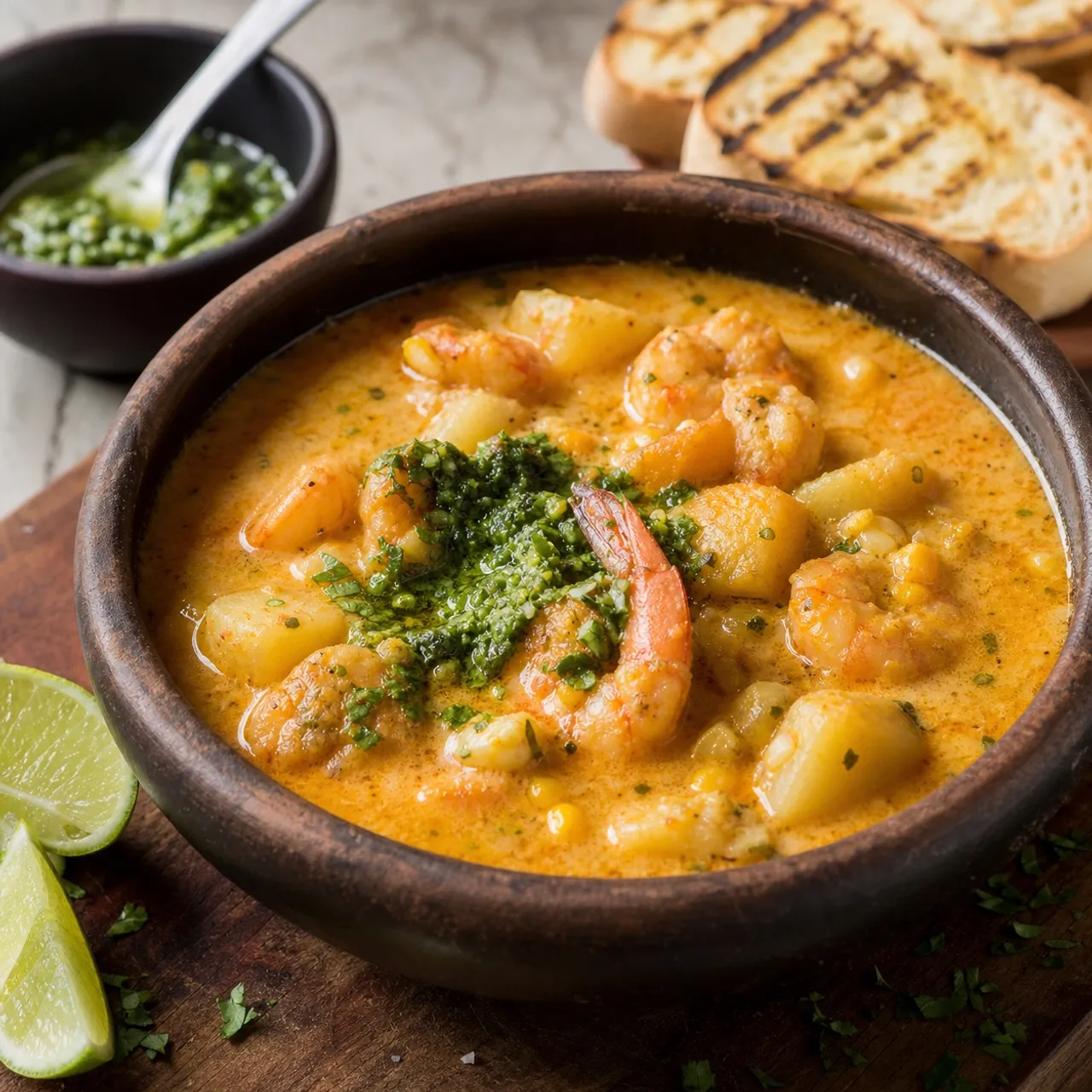
 Chupe de Camarones
A rich, hearty Peruvian shrimp chowder thickened with potatoes, corn, milk, and a poached egg on top.
Contains common allergens
In the app, Listahan checks these against your household automatically.
Good to know
- One-pot
Matched from this dish's own ingredients and timing. Browse more: one-pot dinners
Instructions
6 steps- 1
Simmer the reserved shrimp shells in the stock over medium heat for 15 minutes, then strain and discard the shells to create a deeply flavored shrimp broth.
- 2
In a large pot over medium heat, sauté a chopped onion and 2 minced garlic cloves in 2 tablespoons oil until soft, then stir in the aji panca paste and cook 2 minutes until fragrant and the oil turns red.
- 3
Pour in the strained broth, add the potatoes, corn rounds, and rice, then simmer for 15 minutes until the potatoes are fork-tender and the rice is cooked.
- 4
Stir in the whole milk and the peeled shrimp, and cook gently for 3 to 4 minutes just until the shrimp turn pink and opaque, being careful not to boil the milk.
- 5
Crack the eggs one at a time into the simmering soup and poach for 3 minutes until the whites set, then season with salt and pepper.
- 6
Ladle into bowls, settling one poached egg into each serving, and serve piping hot.
Listahan Family Score™
60/100
Works for many families
Score reflects how well this recipe fits a typical busy household. In the app, your Family Score is personalized to your household's allergens, kids, and pantry.
Nutrition
per serving815
Calories
94 g
Protein
45 g
Carbs
29 g
Fat
Estimated per serving. Actual values depend on the brands and portions you use.
Listahan cooking guide
Chef notes & practical guide
Technique notes, ingredient swaps, serve-alongside ideas, storage guidance, and equipment for this recipe.
Cultural context
Chupe de camarones is closely associated with Peru's southern coast and Arequipa, where river shrimp, potatoes, corn, dairy, and egg meet in one substantial bowl. It sits between soup and stew: brothy enough to ladle, but built to eat as a full meal rather than a starter.
Listahan note
This version keeps the structure practical for a North American kitchen by drawing flavor from reserved shrimp shells, then using potatoes, rice, corn, milk, and eggs to make the soup hearty without a long simmer.
Technique cues
- The shell broth is the backbone of the soup, so keep it at a steady simmer rather than a hard boil; harsh heat can make the broth taste muddy instead of clean and sweet.
- Add the milk after the potatoes and rice are cooked so it warms into the soup instead of reducing aggressively or separating.
- Poach the eggs in gently moving soup, not a rolling boil. The whites need calm heat to set around the yolks without breaking into threads.
Kitchen flow
- Parallel prep
- Start the shell broth first, then peel potatoes, cut corn, measure rice, and crack eggs into small cups while it simmers.
- Make-ahead
- Make the strained shell broth and cut the potatoes and corn earlier in the day; cook the shrimp, milk, and eggs just before serving.
- Leftover move
- Lift out extra shrimp before reheating if you can, then return them to the hot soup at the end so they stay tender.
- Cleanup rhythm
- Use one large pot and one strainer; rinse the strainer right after the shell broth step before the shrimp proteins dry onto the mesh.
Ingredient brief
Role, handling, and swap guidance for each key ingredient.
Large shrimp, peeled and deveined (shells reserved)
Main seafood and broth base
Purpose: The shrimp meat cooks quickly, while the shells give the broth a deeper seafood flavor before the chowder comes together.
Handling: Keep the shells separate after peeling and simmer them in the stock before adding the shrimp meat near the end.
Adaptation: Smaller shrimp work, but shorten the final cooking time because they turn firm faster.
Seafood or chicken stock
Soup foundation
Purpose: Stock carries the shell flavor through the potatoes, rice, and corn so the bowl tastes integrated instead of watery.
Handling: Simmer it with the reserved shells, then strain well before adding the vegetables and rice.
Adaptation: Seafood stock gives a more direct shrimp profile; chicken stock makes a rounder, less briny soup.
Aji panca paste
Chile base
Purpose: Aji panca brings a deep red color, mild chile warmth, and a lightly smoky fruitiness that defines the Peruvian direction of the soup.
Handling: Cook it briefly in oil before adding broth so the paste blooms and loses its raw edge.
Adaptation: If you cannot find it, use a small amount of mild chile paste plus a pinch of smoked paprika, knowing the flavor will be less Peruvian.
Yellow potatoes
Body and starch
Purpose: Potatoes make the chupe substantial and help the broth feel thicker without turning it into a puree.
Handling: Quarter them evenly so they cook through in the same window as the rice and corn.
Adaptation: Yukon Gold potatoes are a good North American match because they hold shape while giving the soup a creamy texture.
Corn
Sweet vegetable accent
Purpose: Corn rounds add sweetness and a hands-on, rustic texture that fits the hearty style of chupe.
Handling: Cut the ear into thick rounds so the pieces can simmer without falling apart.
Adaptation: Frozen corn kernels are easier to eat and faster to prep, though they lose the traditional cob presentation.
Whole milk
Dairy richness
Purpose: Milk softens the chile and seafood notes and gives the broth its chowder-like finish.
Handling: Stir it in over gentle heat and avoid boiling once the shrimp are added.
Adaptation: Evaporated milk makes the soup richer and slightly sweeter; using less milk keeps the broth lighter.
Technique notes
- Do not add the shrimp with the potatoes. They only need a few minutes, and overcooked shrimp will turn springy in an otherwise soft soup.
- Taste for salt after the milk goes in, not before. Dairy can make seasoning seem quieter, and stock strength varies a lot.
- Crack each egg into a cup before sliding it into the soup. It gives you cleaner placement and keeps shell pieces out of the pot.
Ingredient swaps
- Weeknight shortcut
- Use prepared seafood stock and skip the shell simmer, then add the shrimp only at the end to keep the texture right.
- Milder chile path
- Use less aji panca paste and add a little more at the table if you want deeper color and warmth.
- Heartier bowl
- Add a little extra potato or rice, but keep the simmer gentle so the soup thickens without scorching at the bottom.
Serve alongside
- Salsa criolla
- Toasted marraqueta-style rolls
- Avocado and tomato salad
- Cancha-style toasted corn
- Chicha morada
- Lime agua fresca
- Crisp pilsner
Serving suggestions only — check pairings for your household's allergens.
Storage & reheating
- Refrigerate leftovers in a sealed container, ideally with the eggs kept separate if they are still whole.
- Reheat gently on the stovetop and avoid a hard boil so the milk stays smooth and the shrimp do not toughen.
- Freezing changes the texture of the potatoes, milk, and shrimp, so this soup is better kept for chilled leftovers than frozen batches.
Equipment
- Large heavy pot
- Fine-mesh strainer
- Ladle
- Small cups for cracking eggs
Make this household-aware
Listahan Pro checks this recipe against your household's allergens, finds pantry-aware swaps, builds the shopping list, and helps you plan the week around it.
Plan it in Listahan
Add Chupe de Camarones to your week, check it against your household's allergens, and build the shopping list automatically.
More South American recipes
 South American Lens Verified Images are for illustrative purposes only, may be inaccurate, and do not guarantee the presence or absence of specific ingredients.
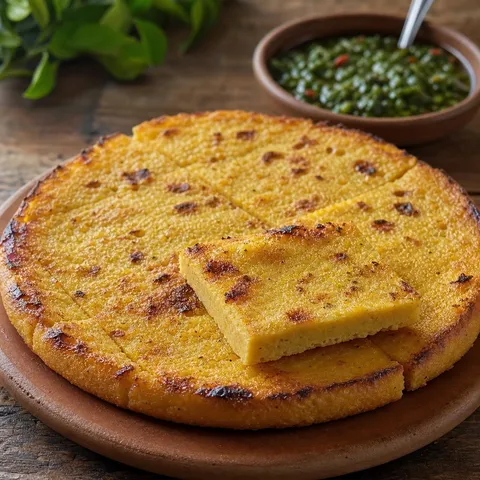
 Fainá
Buenos Aires's thin chickpea flatbread, baked until golden and fragrant — simple, crispy-edged, and traditionally eaten layered right on top of a pizza slice.
 South American Lens Verified Images are for illustrative purposes only, may be inaccurate, and do not guarantee the presence or absence of specific ingredients.
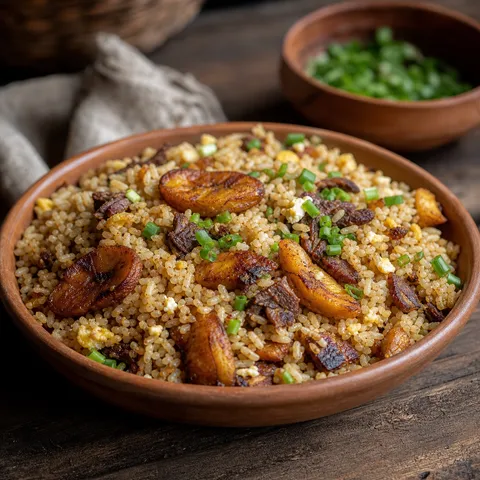
 Majadito
Bolivia's rustic one-pot comfort — dried charque beef simmered down with rice, tomato, and spices into a savory, fragrant dish topped with a fried egg.
 South American Lens Verified Images are for illustrative purposes only, may be inaccurate, and do not guarantee the presence or absence of specific ingredients.
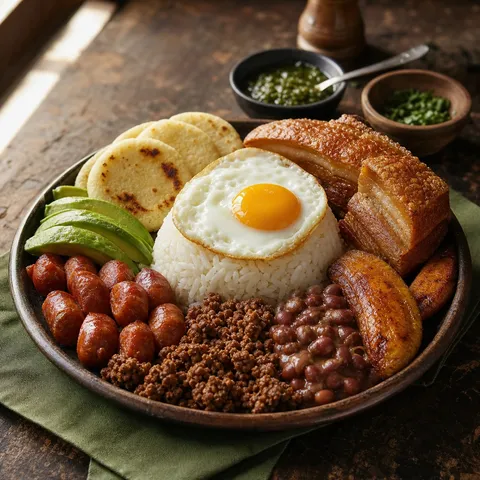
 Bandeja Paisa
Colombia's legendary tray of abundance — red beans, white rice, chicharrón, chorizo, fried egg, plantains, and avocado all piled high for a satisfying feast.