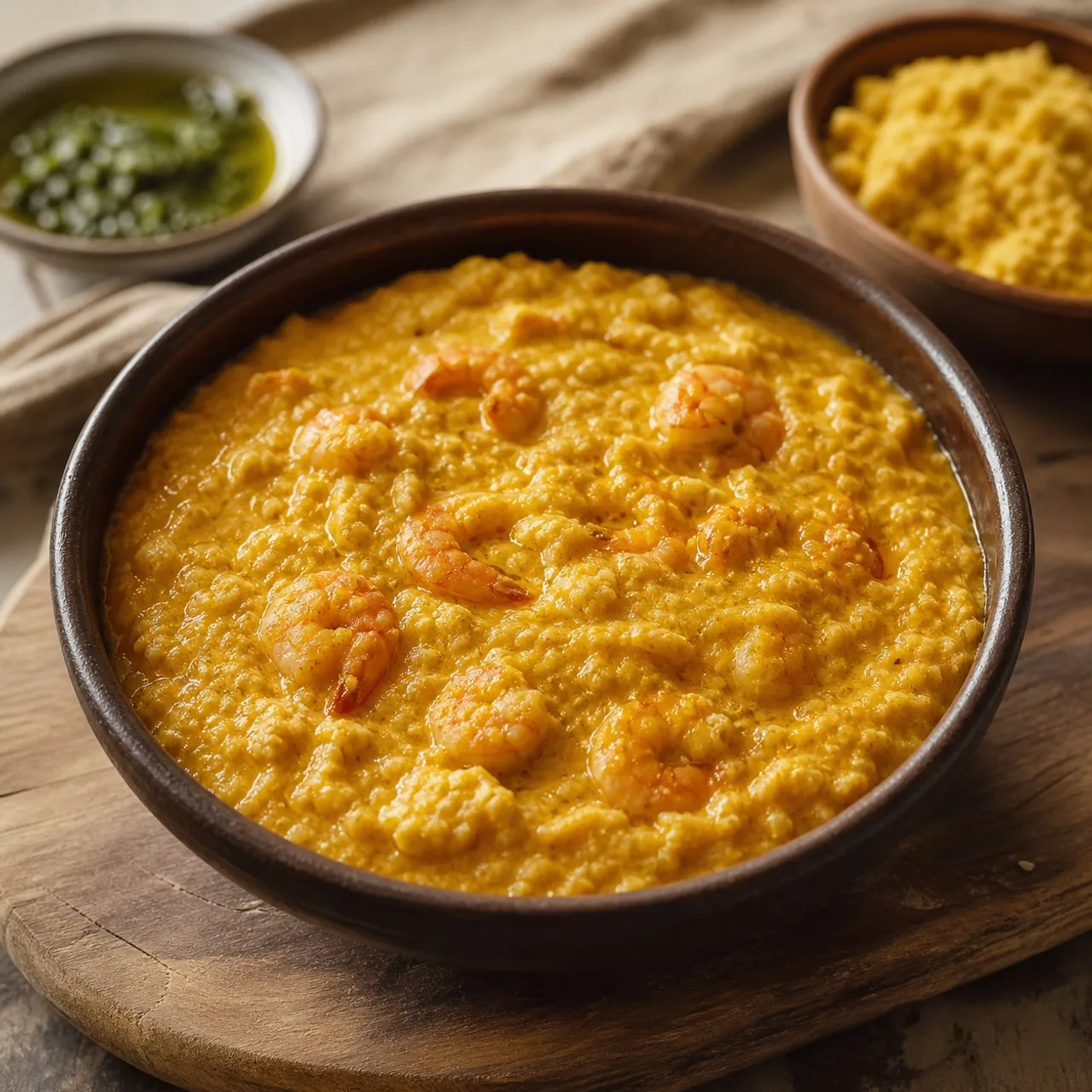
 South American Images are for illustrative purposes only, may be inaccurate, and do not guarantee the presence or absence of specific ingredients.
 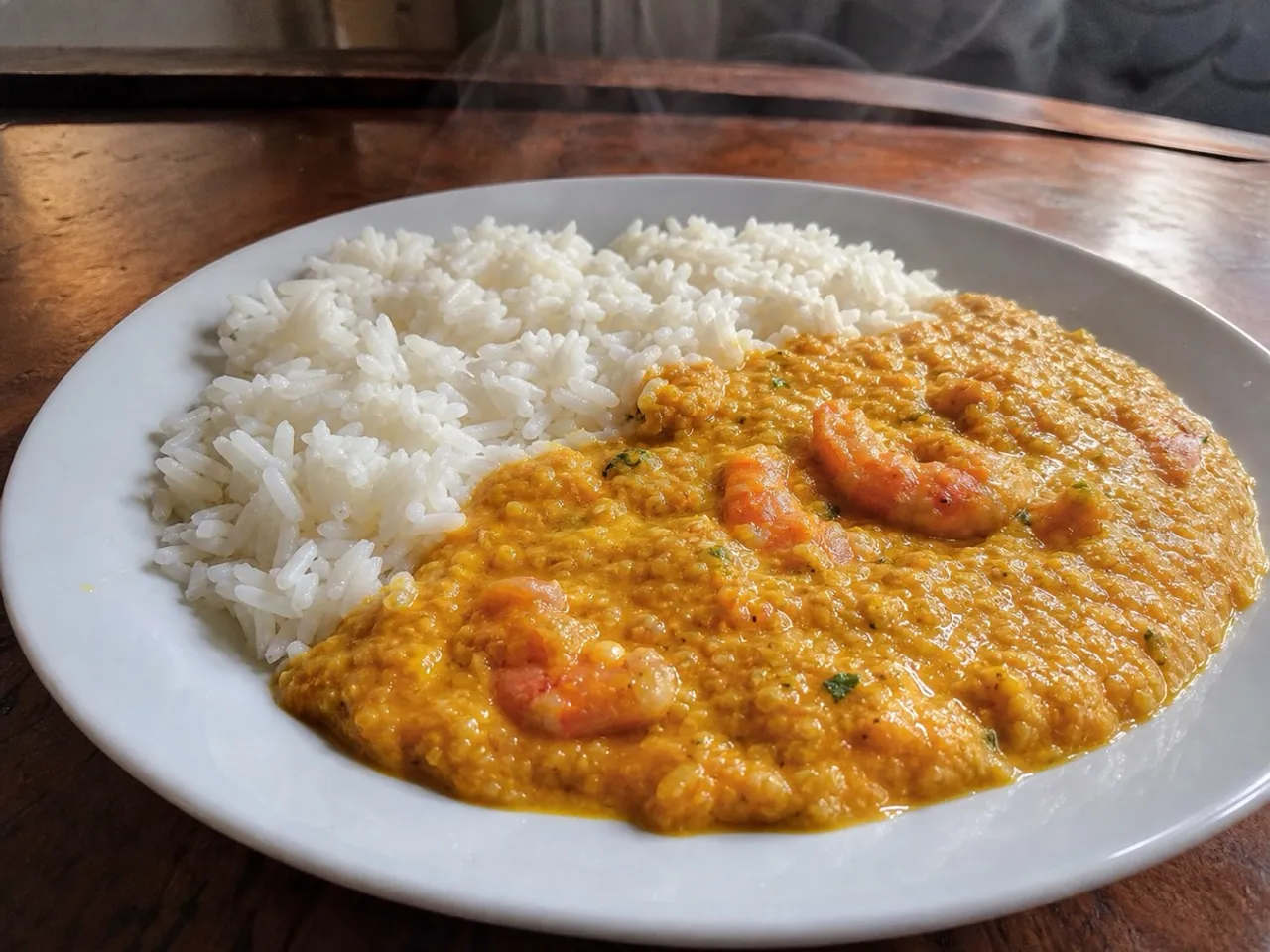 Serving Images are for illustrative purposes only, may be inaccurate, and do not guarantee the presence or absence of specific ingredients.
 Vatapá
Bahia's extraordinary seafood stew — dried shrimp, fresh fish, coconut milk, and crushed peanuts thickened with bread into a rich, spiced, saffron-golden paste.
Contains common allergens
In the app, Listahan checks these against your household automatically.
Instructions
6 steps- 1
Make shrimp stock: Boil the shrimp shells in 2 cups of water for 15 minutes. Strain and reserve the intensely flavored stock.
- 2
Hydrate the bread: Tear the bread rolls into chunks and soak them in the coconut milk until completely softened.
- 3
Blend the base: In a blender, combine the soaked bread, peanuts, cashews, onion, a piece of ginger, and the shrimp stock. Blend until it becomes a completely smooth paste.
- 4
Cook the paste: Pour the blended mixture into a large pot. Cook over medium-low heat, stirring constantly to prevent sticking, until the mixture thickens significantly (about 15-20 mins).
- 5
Add color and flavor: Stir in the dendê oil to give the stew its characteristic bright orange color and earthy flavor.
- 6
Cook the shrimp: Add the raw peeled shrimp to the bubbling thick sauce. Cook for 3-5 minutes just until the shrimp turn pink and opaque. Serve immediately over rice.
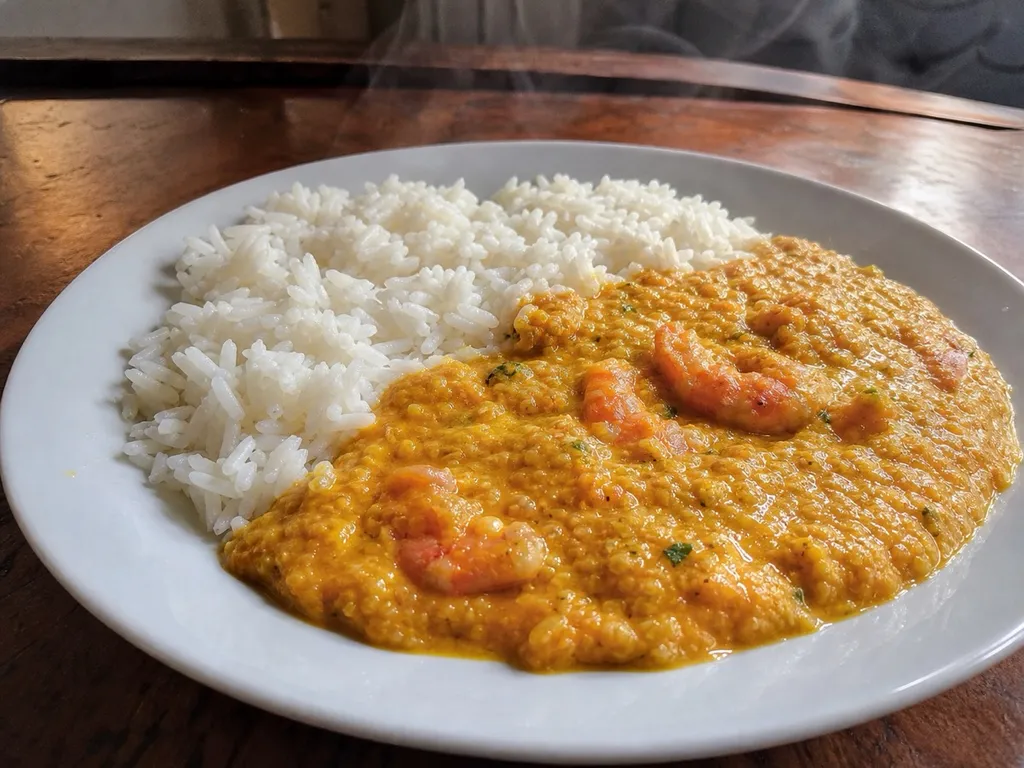 Images are for illustrative purposes only, may be inaccurate, and do not guarantee the presence or absence of specific ingredients.
 Listahan Family Score™
55/100
Works for many families
Score reflects how well this recipe fits a typical busy household. In the app, your Family Score is personalized to your household's allergens, kids, and pantry.
Nutrition
per serving585
Calories
50 g
Protein
28 g
Carbs
32 g
Fat
Estimated per serving. Actual values depend on the brands and portions you use.
Listahan cooking guide
Chef notes & practical guide
Technique notes, ingredient swaps, serve-alongside ideas, storage guidance, and equipment for this recipe.
Cultural context
Vatapa is a creamy, spiced shrimp and bread stew from Bahia in northeastern Brazil, a cornerstone of Afro-Brazilian cuisine shaped by West African cooking traditions. It blends dried and fresh shrimp with coconut milk, palm oil, peanuts, and ground bread into a thick, almost porridge-like sauce. It is eaten on its own with rice or used as the lush filling inside acaraje, the region's famous black-eyed-pea fritters.
Listahan note
This version builds the creamy, nutty sauce with coconut milk and ground peanuts and cashews, keeping the signature richness while making the ingredients findable. Toasting the nuts and blooming the aromatics is where the depth comes from.
Technique cues
- Toast the peanuts and cashews before grinding so the sauce carries a deep, roasted nuttiness rather than a raw, pasty one.
- Add the soaked bread gradually and whisk constantly so the stew thickens smoothly without lumps as it simmers.
- Stir in the dende (palm oil) near the end and off high heat so its color and aroma stay vivid instead of cooking out.
Kitchen flow
- Parallel prep
- Soak the bread and toast the nuts while the aromatics and shrimp shells make a quick stock.
- Make-ahead
- The sauce base thickens and deepens overnight; make it a day ahead and stir the shrimp in when reheating.
- Leftover move
- Spoon leftover vatapa over rice or use it as a filling for stuffed peppers or fritters.
- Cleanup rhythm
- Blend the nut and bread paste in one go and rinse the blender immediately before the starchy mix dries on.
Ingredient brief
Role, handling, and swap guidance for each key ingredient.
shrimp
the primary protein
Purpose: Shrimp, both fresh and traditionally dried, give vatapa its briny seafood backbone.
Handling: Peel and devein fresh shrimp; reserve shells for a quick stock.
Adaptation: A mix of fresh shrimp and a little dried shrimp deepens flavor, but fresh alone works.
coconut milk
the creamy base
Purpose: Full-fat coconut milk gives the stew its lush, sweet richness.
Handling: Use unsweetened full-fat and add gradually as you thicken.
Adaptation: Coconut cream thinned with stock for an even richer result.
peanuts and cashews
the nutty thickener
Purpose: Ground toasted nuts thicken the sauce and give vatapa its characteristic savory, nutty depth.
Handling: Toast, then grind to a fine paste before stirring in.
Adaptation: All cashews for a milder, creamier version if peanut allergy is a concern.
stale bread
the body of the stew
Purpose: Soaked ground bread is the traditional thickener that gives vatapa its porridge-like texture.
Handling: Soak in coconut milk or stock until soft, then blend smooth.
Adaptation: Bread soaked in plant milk for dairy-free; cornmeal can substitute in part.
dende (palm oil)
the signature color and aroma
Purpose: Red palm oil gives vatapa its distinctive orange hue and earthy Bahian aroma.
Handling: Stir in near the end so the color and flavor stay bright.
Adaptation: A little annatto-infused oil approximates the color if dende is unavailable.
ginger and garlic
aromatic base
Purpose: Fresh ginger and garlic build the warm, savory foundation under the nuts and coconut.
Handling: Grate and saute gently before building the sauce.
Adaptation: Galangal can stand in for ginger for a sharper note.
Technique notes
- Keep the heat moderate once the bread and nuts are in; a hard boil makes the thick stew sputter and scorch on the bottom.
- Add the shrimp only in the last few minutes so they stay plump and tender rather than rubbery.
- Adjust thickness at the end with extra coconut milk or stock; vatapa should be spoonable, not stiff.
Ingredient swaps
- Nut-free direction
- Thicken with extra bread and a spoon of sunflower seed butter instead of peanuts and cashews.
- Gluten-free direction
- Replace the bread with cooked cornmeal or gluten-free bread to thicken.
- Vegetarian direction
- Skip the shrimp and build the stew with hearts of palm and extra coconut, a common Bahian variation.
Serve alongside
- White rice
- Acaraje (black-eyed-pea fritters)
- Farofa (toasted cassava flour)
- Simple green salad
- Guarana soda
- Coconut water
- Cold Brazilian lager
Serving suggestions only — check pairings for your household's allergens.
Storage & reheating
- Refrigerate vatapa for up to three days and reheat gently with a splash of coconut milk to loosen the thickened sauce. Stir often while reheating since the bread-and-nut base scorches easily. It freezes for two months, though the texture is best fresh; whisk well when thawing.
Equipment
- Blender or food processor for the nut-bread paste
- Heavy-bottomed pot to prevent scorching
- Whisk for smooth thickening
- Fine grater for ginger and garlic
Make this household-aware
Listahan Pro checks this recipe against your household's allergens, finds pantry-aware swaps, builds the shopping list, and helps you plan the week around it.
Plan it in Listahan
Add Vatapá to your week, check it against your household's allergens, and build the shopping list automatically.
More South American recipes
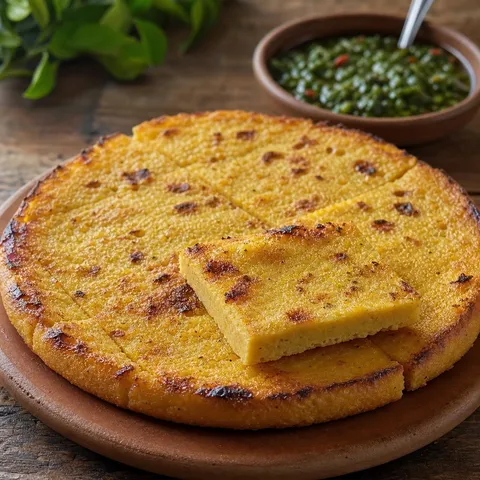 South American Lens Verified Images are for illustrative purposes only, may be inaccurate, and do not guarantee the presence or absence of specific ingredients.
 Fainá
Buenos Aires's thin chickpea flatbread, baked until golden and fragrant — simple, crispy-edged, and traditionally eaten layered right on top of a pizza slice.
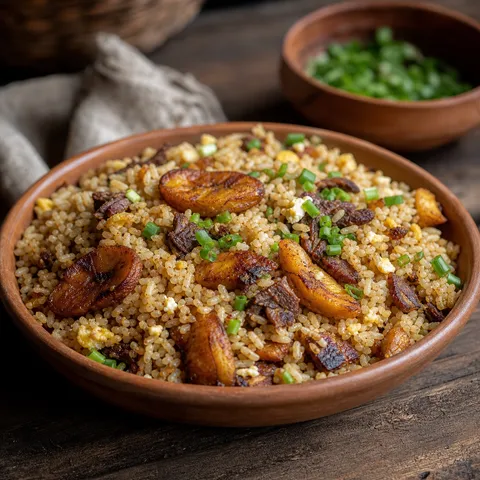 South American Lens Verified Images are for illustrative purposes only, may be inaccurate, and do not guarantee the presence or absence of specific ingredients.
 Majadito
Bolivia's rustic one-pot comfort — dried charque beef simmered down with rice, tomato, and spices into a savory, fragrant dish topped with a fried egg.
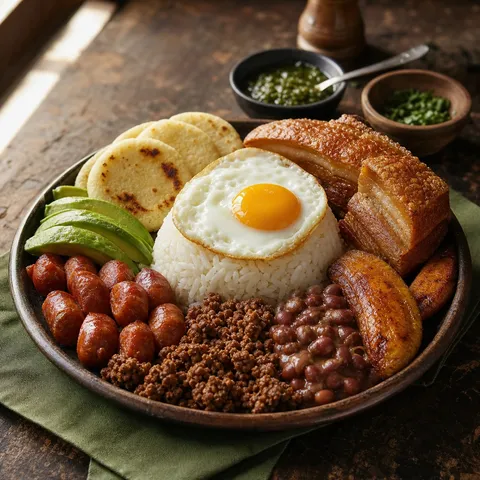 South American Lens Verified Images are for illustrative purposes only, may be inaccurate, and do not guarantee the presence or absence of specific ingredients.
 Bandeja Paisa
Colombia's legendary tray of abundance — red beans, white rice, chicharrón, chorizo, fried egg, plantains, and avocado all piled high for a satisfying feast.