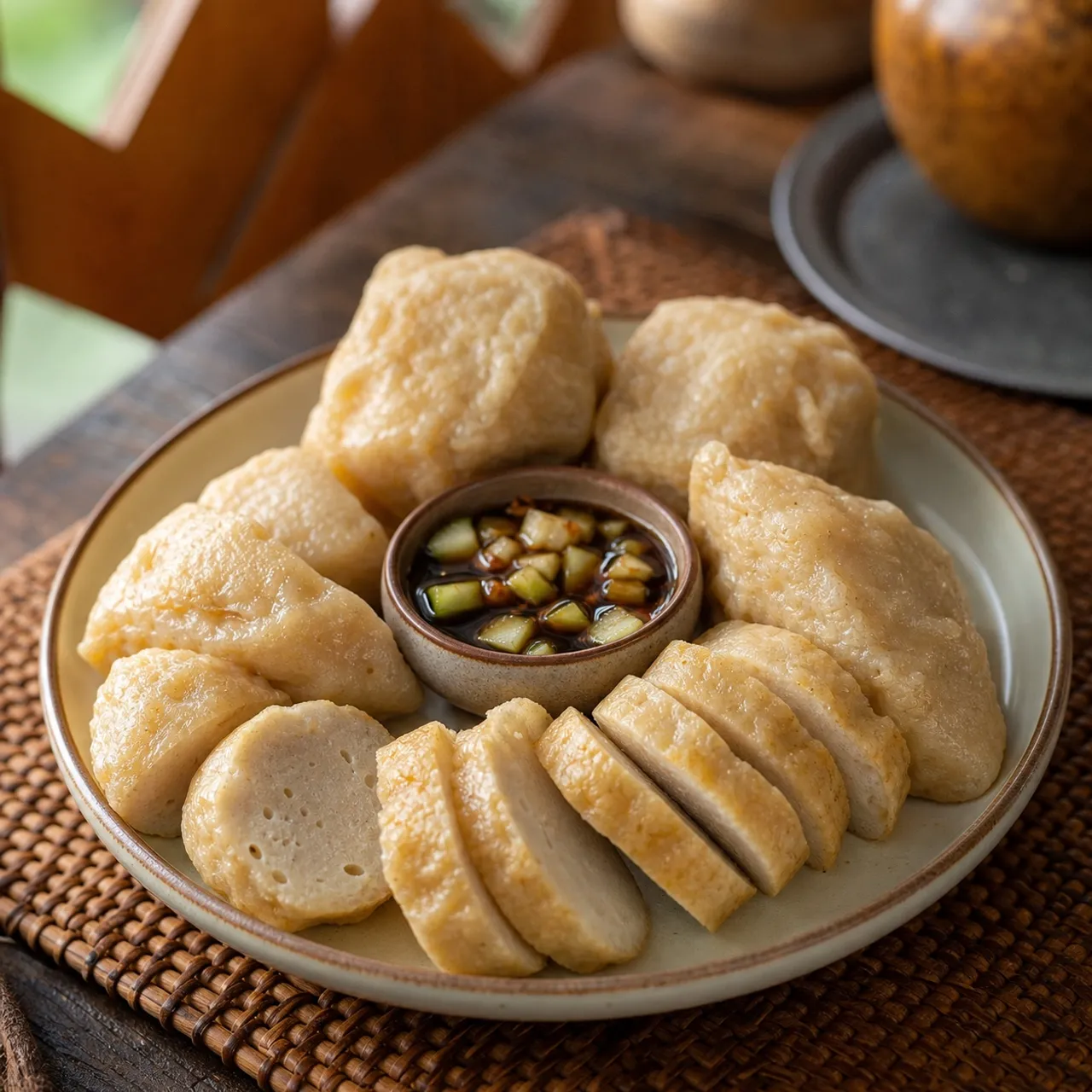
 Indonesian & Malaysian Images are for illustrative purposes only, may be inaccurate, and do not guarantee the presence or absence of specific ingredients.
 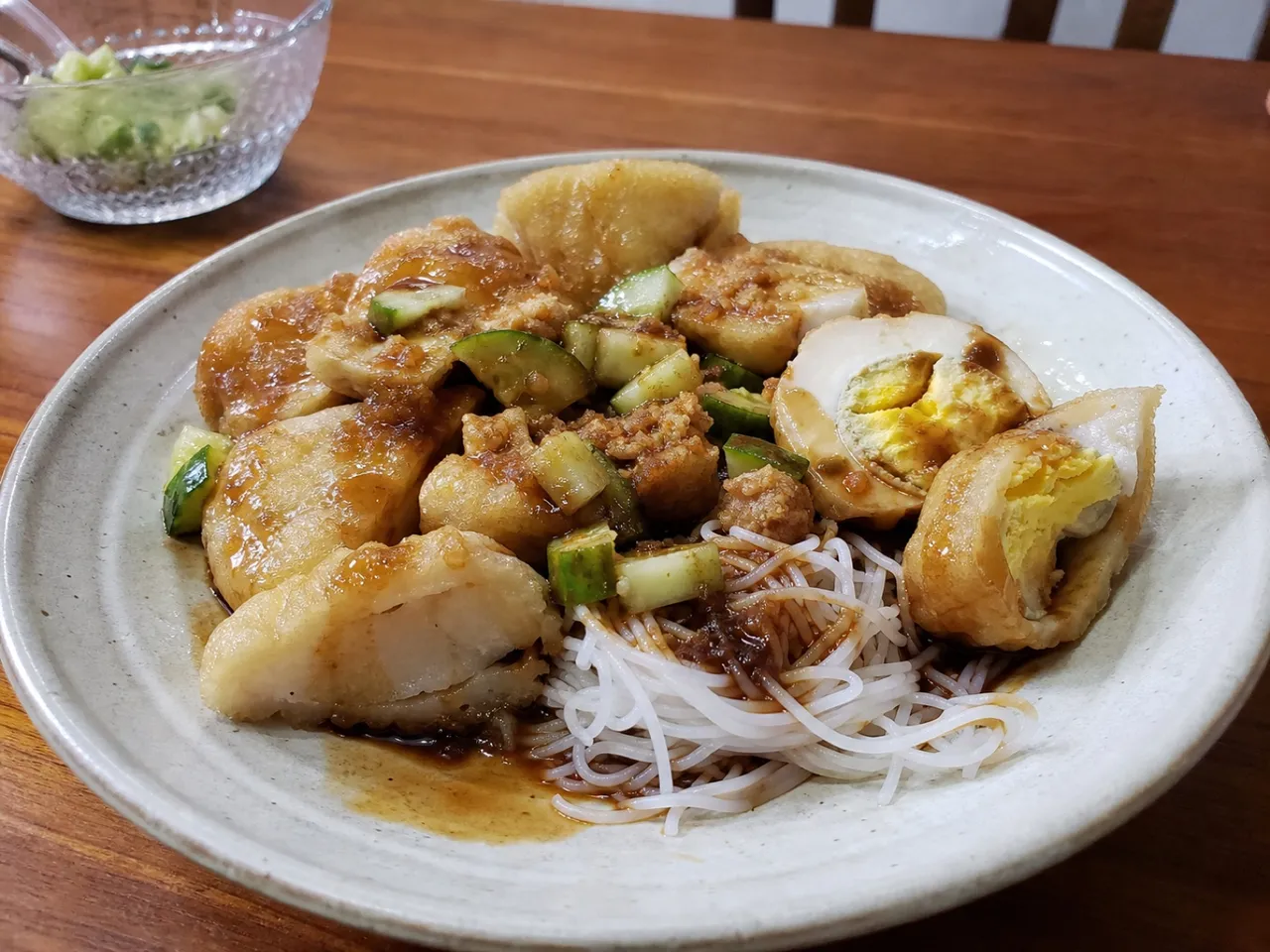 Serving Images are for illustrative purposes only, may be inaccurate, and do not guarantee the presence or absence of specific ingredients.
 Pempek
Chewy, savory fish cakes from Palembang, served with a sweet-sour-spicy cuko vinegar sauce — a unique snack unlike anything else.
Contains common allergens
In the app, Listahan checks these against your household automatically.
Instructions
6 steps- 1
In a large bowl, gradually mix the minced fish with tapioca starch, salt, and water until a pliable dough forms.
- 2
Take a handful of dough and shape it into a cylinder (lenjer) or form a pocket to crack a small egg inside (kapal selam).
- 3
Gently boil the shaped fishcakes in a large pot of water until they float to the top, then drain and let them cool completely.
- 4
Prepare the cuko sauce by boiling palm sugar, tamarind juice, crushed garlic, and chilies until slightly reduced and pungent.
- 5
Deep-fry the boiled fishcakes in hot oil over medium-high heat until the outside is crispy and golden brown.
- 6
Cut the fried pempek into bite-sized pieces and serve drenched in the sweet, sour, and spicy cuko sauce.
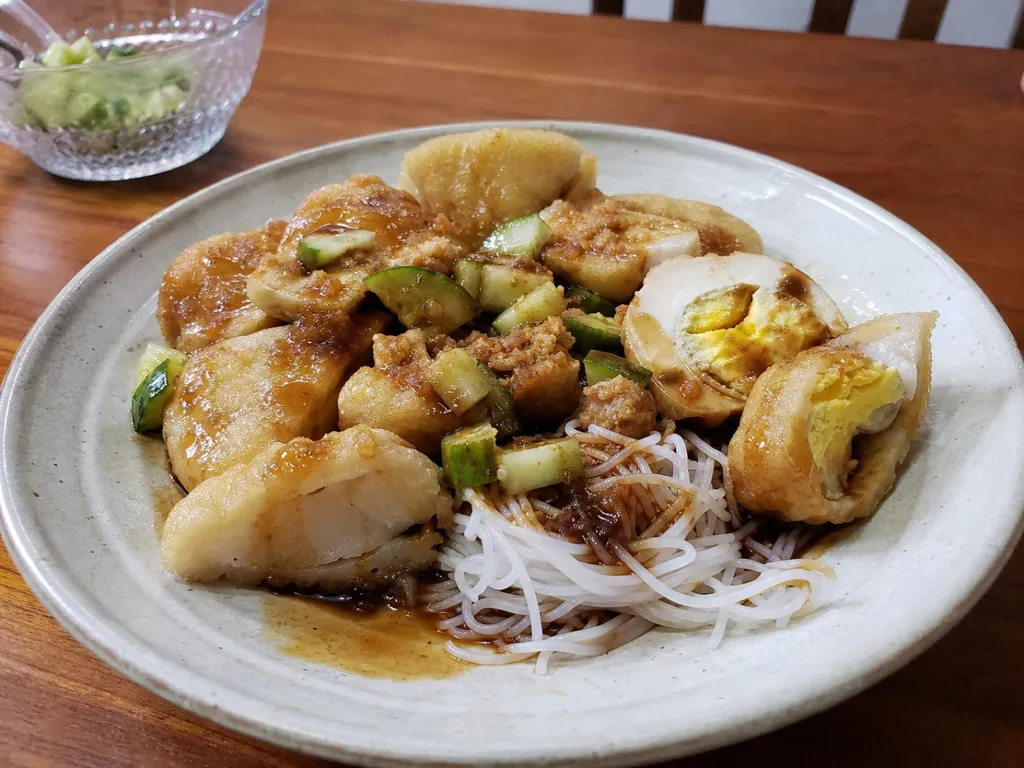 Images are for illustrative purposes only, may be inaccurate, and do not guarantee the presence or absence of specific ingredients.
 Listahan Family Score™
60/100
Works for many families
Score reflects how well this recipe fits a typical busy household. In the app, your Family Score is personalized to your household's allergens, kids, and pantry.
Nutrition
per serving725
Calories
44 g
Protein
75 g
Carbs
27 g
Fat
Estimated per serving. Actual values depend on the brands and portions you use.
Listahan cooking guide
Chef notes & practical guide
Technique notes, ingredient swaps, serve-alongside ideas, storage guidance, and equipment for this recipe.
Cultural context
Pempek is a savory fish cake from Palembang, South Sumatra, Indonesia, with origins attributed to Chinese immigrants who adapted local fish with tapioca flour to create a distinctive chewy dumpling. The dish has been eaten in Palembang since at least the 17th century and is inseparable from its sour, palm-sugar-sweetened black vinegar dipping sauce called cuko. Pempek comes in many shapes — the most famous being kapal selam (submarine), which is stuffed with a raw egg that cooks inside during frying.
Listahan note
This version makes the kapal selam style — an egg-stuffed oval pempek — along with the essential cuko dipping sauce that defines the dish and should be served generously.
Technique cues
- Use very fresh mackerel or tenggiri (wahoo) for the best flavor and texture — the fish must be processed fresh and cold since warm fish produces a grainy, soft cake that will not hold together during frying.
- Do not overwork the fish paste after adding the tapioca flour — mix only until the flour is incorporated, as overworking develops too much starch binding and produces a rubbery rather than chewy texture.
- Boil the pempek before frying rather than frying directly from raw — the boiling stage ensures the egg inside is safe to eat and sets the cake structure so the outside fries up evenly without splitting.
Kitchen flow
- Parallel prep
- Make and refrigerate the cuko sauce first (it needs to cool before serving); then shape and boil the pempek while the sauce is resting.
- Make-ahead
- Boiled pempek can be refrigerated for up to 3 days before frying; fry only what you will eat immediately for the best texture.
- Leftover move
- Leftover fried pempek can be sliced and added to a light broth with noodles and cucumber for a pempek soup variation popular in Palembang.
- Cleanup rhythm
- Use the same pot for boiling all the pempek before cleaning and using it for the sauce; fry in a deep, narrow pot to minimize oil splatter.
Ingredient brief
Role, handling, and swap guidance for each key ingredient.
Spanish mackerel or firm white fish
main protein and cake body
Purpose: A firm, low-moisture fish provides the protein structure that holds the cake together and produces the characteristic bouncy, slightly chewy texture.
Handling: Process the raw fish in a food processor until it forms a smooth paste; do not add any liquid — the fish's own moisture is sufficient.
Adaptation: Canned tuna, well-drained and processed, can work as an accessible substitute though the texture will be softer.
tapioca flour
binding and texture agent
Purpose: Tapioca flour is responsible for the characteristic chewiness of pempek — it creates a gluten-free elastic structure when mixed with the fish paste.
Handling: Sift before adding to ensure even incorporation without lumps.
Adaptation: Potato starch can substitute but produces a less chewy, slightly denser result.
palm sugar
sweetness in cuko sauce
Purpose: Palm sugar provides the dark, slightly smoky sweetness of the cuko dipping sauce that balances the vinegar and chili.
Handling: Melt in water over low heat before adding the other sauce ingredients.
Adaptation: Dark brown sugar or a combination of regular sugar and a touch of molasses can approximate the caramel depth of palm sugar.
rice vinegar or palm vinegar
tartness in cuko sauce
Purpose: The sour note of the cuko is the defining flavor of the dish; pempek eaten without the sauce is incomplete.
Handling: Combine with palm sugar, garlic, and chili while warm so the flavors meld.
Adaptation: Apple cider vinegar provides a close level of acidity with a slightly fruitier note.
Technique notes
- Wet your hands with cold water when shaping the fish paste — the paste is sticky and cold hands prevent it from warming up and breaking down while you work.
- The cuko sauce should taste aggressively sour, sweet, and spicy when you first make it — it mellows considerably when poured over the fried pempek and mixed with the egg inside.
- Fry the pempek in oil at 350F until the exterior is golden and just crisp — higher temperatures crack the skin before the inside heats through.
Ingredient swaps
- Gluten-free direction
- Pempek is naturally gluten-free as it uses tapioca flour rather than wheat; just ensure any condiments added to the cuko are wheat-free.
- Egg-free direction
- Make lenjer pempek — a log shape without the egg stuffing — which is equally traditional and requires no modification to the fish paste recipe.
Serve alongside
- Julienned cucumber tossed in the cuko sauce
- Steamed jasmine rice
- Ebi (dried shrimp) powder sprinkled over the top
- Iced jasmine tea
- Teh botol (Indonesian sweet tea)
Serving suggestions only — check pairings for your household's allergens.
Storage & reheating
- Boiled (unfried) pempek keeps refrigerated for up to 3 days; fry to order for best texture.
- Cuko sauce keeps refrigerated for up to 2 weeks in a sealed jar — the flavor continues to develop and most people find it better after the first day.
Equipment
- Food processor for fish paste
- Large pot for boiling
- Deep frying pot and thermometer for frying
Make this household-aware
Listahan Pro checks this recipe against your household's allergens, finds pantry-aware swaps, builds the shopping list, and helps you plan the week around it.
Plan it in Listahan
Add Pempek to your week, check it against your household's allergens, and build the shopping list automatically.
More Indonesian & Malaysian recipes
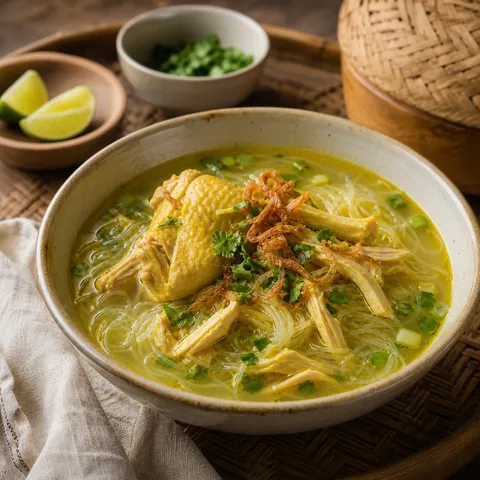 Indonesian & Malaysian Lens Verified Images are for illustrative purposes only, may be inaccurate, and do not guarantee the presence or absence of specific ingredients.
 Soto Ayam
A golden, turmeric-spiced Indonesian chicken soup with glass noodles, crispy shallots, and lime — light, herbal, and deeply comforting.
 Indonesian & Malaysian Lens Verified Images are for illustrative purposes only, may be inaccurate, and do not guarantee the presence or absence of specific ingredients.
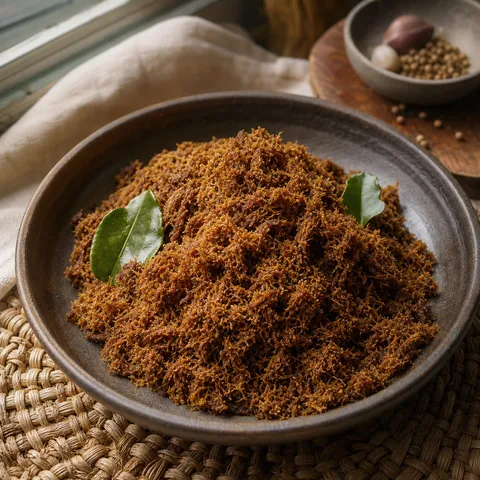
 Beef Serunding
Dry-fried spiced beef floss toasted with coconut and lemongrass until golden and fragrant — a rich, crumbly condiment that transforms plain rice.
 Indonesian & Malaysian Lens Verified Images are for illustrative purposes only, may be inaccurate, and do not guarantee the presence or absence of specific ingredients.
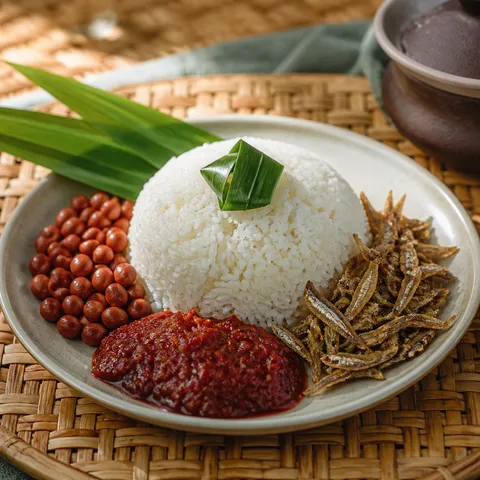
 Nasi Lemak
Malaysia's national comfort dish — fragrant coconut rice paired with sambal, crispy anchovies, roasted peanuts, and a soft-boiled egg.