 Indonesian & Malaysian Images are for illustrative purposes only, may be inaccurate, and do not guarantee the presence or absence of specific ingredients.
 Sate Padang
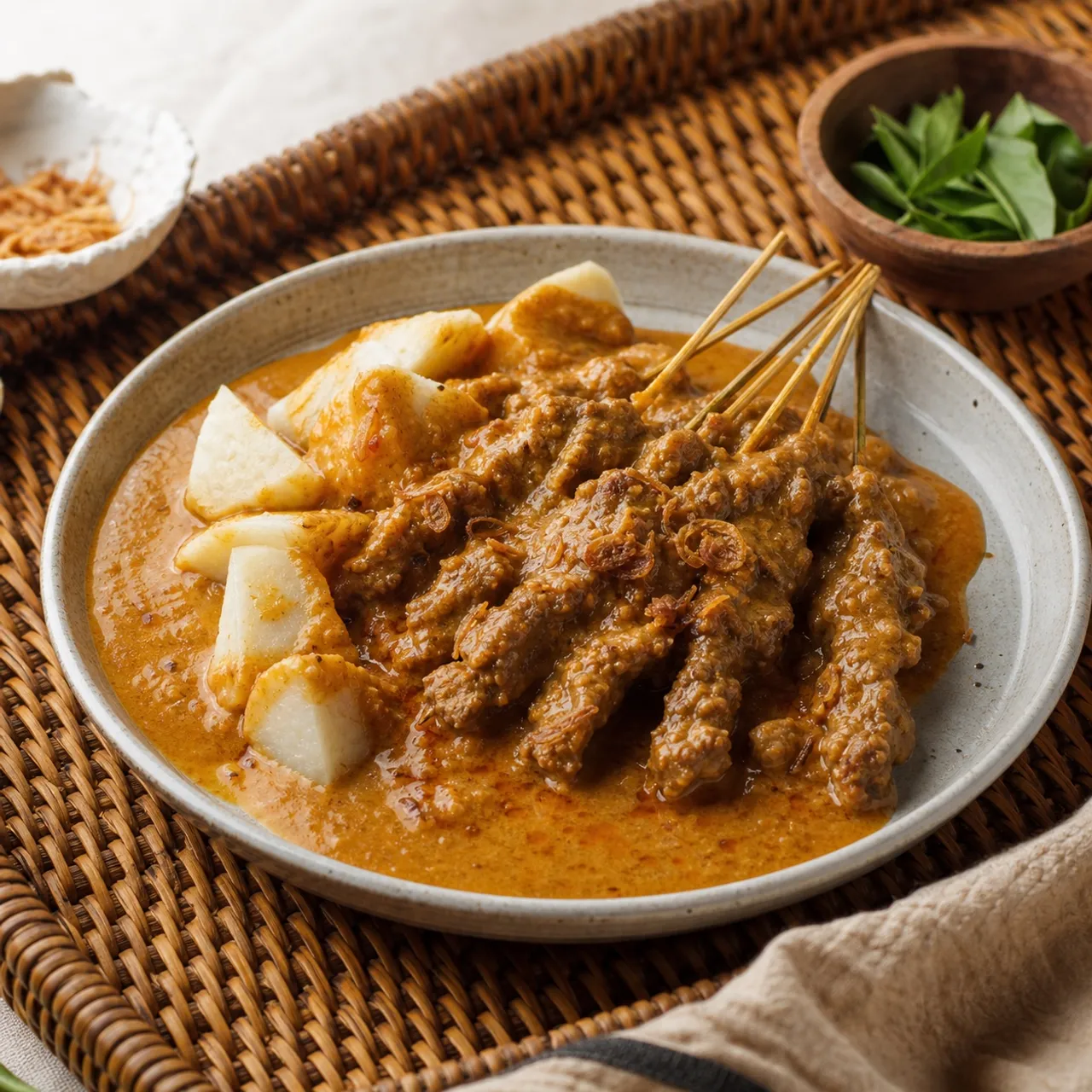
Skewered beef from West Sumatra served in a thick, golden turmeric-spiced gravy that sets this satay apart from its peanut-sauced cousins.
Contains common allergens
In the app, Listahan checks these against your household automatically.
Instructions
4 steps- 1
Place the beef cubes in a pot with the blended spice paste, bruised lemongrass, kaffir lime leaves, ground coriander, 1/2 teaspoon ground cumin, 2 teaspoons salt, and 4 cups of water, then bring to a boil and simmer covered for 40 minutes until the beef is tender.
- 2
Remove the beef with a slotted spoon and thread the cubes onto soaked bamboo skewers, 4 to 5 pieces per skewer, reserving the cooking broth.
- 3
Bring the reserved broth back to a simmer, then slowly whisk in the rice flour slurry and cook for 5 to 7 minutes, stirring constantly, until the gravy thickens to a smooth, pourable, golden sauce.
- 4
Grill the skewers over medium-high heat for 2 to 3 minutes per side until lightly charred and smoky, then arrange them on a plate, ladle the hot turmeric gravy over the top, and finish with fried shallots and a side of compressed rice cakes.
Listahan Family Score™
69/100
Works for many families
Score reflects how well this recipe fits a typical busy household. In the app, your Family Score is personalized to your household's allergens, kids, and pantry.
Nutrition
per serving490
Calories
46 g
Protein
15 g
Carbs
26 g
Fat
Estimated per serving. Actual values depend on the brands and portions you use.
Listahan cooking guide
Chef notes & practical guide
Technique notes, ingredient swaps, serve-alongside ideas, storage guidance, and equipment for this recipe.
Cultural context
Sate Padang comes from West Sumatra, where Minangkabau cooking leans hard on aromatic spice pastes, turmeric, and long-simmered broths. Unlike many satays familiar in North America, the defining sauce is not peanut-based; it is a thick, savory gravy made from the meat cooking liquid and rice flour. Street vendors often serve it with compressed rice cakes so the sauce has something firm and plain to cling to.
Listahan note
This version keeps the method approachable by simmering beef sirloin directly with the spice paste, then turning that same broth into the golden gravy. The focus is on getting tender beef, a smooth sauce, and enough grill char to echo the street-stall style without needing a long list of hard-to-find spices.
Technique cues
- Simmer the beef gently after the first boil. A hard rolling boil can make sirloin tighten before it has time to become tender.
- Whisk the rice flour slurry into simmering broth slowly. Adding it all at once can create small lumps that are hard to smooth out later.
- The skewers only need a short grill after simmering. You are building smoke and char, not cooking the beef from raw.
Kitchen flow
- Parallel prep
- Soak bamboo skewers and blend the spice paste while the beef is being cut; start the compressed rice cakes while the broth simmers.
- Make-ahead
- Simmer the beef and strain out the solids earlier in the day, then thicken the broth and grill the skewers close to serving.
- Leftover move
- Slice extra beef off the skewers and spoon it with warm gravy over rice cakes, plain rice, or noodles.
- Cleanup rhythm
- Rinse the blender right after scraping out the turmeric paste, then soak the sauce pot before the rice flour thickener sets firmly.
Ingredient brief
Role, handling, and swap guidance for each key ingredient.
Beef sirloin
Main protein
Purpose: Sirloin gives lean, clean-tasting beef pieces that can simmer tender and still hold neatly on skewers.
Handling: Cut into even 3/4-inch cubes so the pieces cook at the same pace and thread cleanly.
Adaptation: Beef chuck gives a richer result, but it needs a longer simmer before skewering.
Shallots, garlic, candlenuts, and grated turmeric
Spice paste base
Purpose: This paste gives the broth its body, yellow color, and deep savory aroma.
Handling: Blend until as smooth as possible so the sauce finishes velvety instead of gritty.
Adaptation: Macadamia nuts can stand in for candlenuts with a similar richness, though the flavor will be slightly sweeter.
Rice flour
Gravy thickener
Purpose: Rice flour thickens the spiced broth into the pourable sauce that makes Sate Padang distinct.
Handling: Mix with cold water before adding it to the pot so it disperses evenly.
Adaptation: A small amount of cornstarch can thicken the sauce in a pinch, but the texture will be glossier and less traditional.
Lemongrass and kaffir lime leaves
Fresh aromatic lift
Purpose: They keep the rich turmeric gravy from tasting flat by adding citrusy, herbal fragrance.
Handling: Bruise the lemongrass before simmering so its oils move into the broth.
Adaptation: Lime zest can add brightness if lime leaves are unavailable, but use it near the end so it stays fresh.
Ground coriander
Warm spice
Purpose: Coriander rounds the turmeric and shallot paste with a gentle earthy-citrus note.
Handling: Stir it into the pot with the paste so it blooms in the hot broth.
Adaptation: Whole coriander seeds can be toasted and ground for a more fragrant version.
Technique notes
- Taste the broth before thickening. It should be slightly more seasoned than a soup because the rice flour will soften the edges.
- Keep stirring once the slurry goes in. The sauce thickens from the bottom first, and steady movement keeps it smooth.
- Grill over medium-high heat until the edges darken in spots, then stop. Too much time on the grill can dry out the already-simmered beef.
Ingredient swaps
- Candlenut backup
- Use macadamia nuts for a similar creamy body in the spice paste, keeping the amount modest so the gravy does not taste nutty.
- Weeknight grill-pan path
- Use a cast-iron grill pan or broiler for the final char; the flavor will be less smoky, but the skewers still get browned edges.
- Rice cake backup
- Serve with jasmine rice or pressed leftover rice squares if compressed rice cakes are not available.
- Milder turmeric path
- Use a little less grated turmeric if you want a softer earthy note, then keep the coriander and lemongrass steady so the sauce still tastes complete.
Serve alongside
- Compressed rice cakes
- Jasmine rice
- Cucumber acar
- Stir-fried water spinach
- Iced jasmine tea
- Lime soda
- Cold coconut water
Serving suggestions only — check pairings for your household's allergens.
Storage & reheating
- Refrigerate the beef and gravy together in a sealed container for up to 3 days.
- Reheat gently in a small saucepan with a splash of water, stirring until the gravy loosens and coats the beef again.
- Freeze the beef and gravy up to 2 months; thaw overnight, then warm slowly and whisk in a little water if the sauce tightens.
Equipment
- Blender or small food processor
- Medium pot with lid
- Bamboo skewers
- Grill or cast-iron grill pan
Make this household-aware
Listahan Pro checks this recipe against your household's allergens, finds pantry-aware swaps, builds the shopping list, and helps you plan the week around it.
Plan it in Listahan
Add Sate Padang to your week, check it against your household's allergens, and build the shopping list automatically.
More Indonesian & Malaysian recipes
 Indonesian & Malaysian Lens Verified Images are for illustrative purposes only, may be inaccurate, and do not guarantee the presence or absence of specific ingredients.
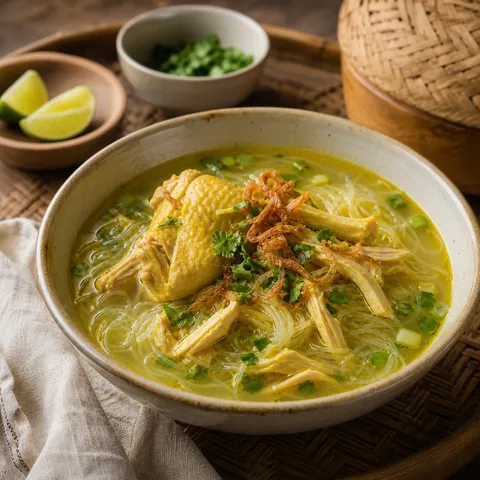
 Soto Ayam
A golden, turmeric-spiced Indonesian chicken soup with glass noodles, crispy shallots, and lime — light, herbal, and deeply comforting.
 Indonesian & Malaysian Lens Verified Images are for illustrative purposes only, may be inaccurate, and do not guarantee the presence or absence of specific ingredients.
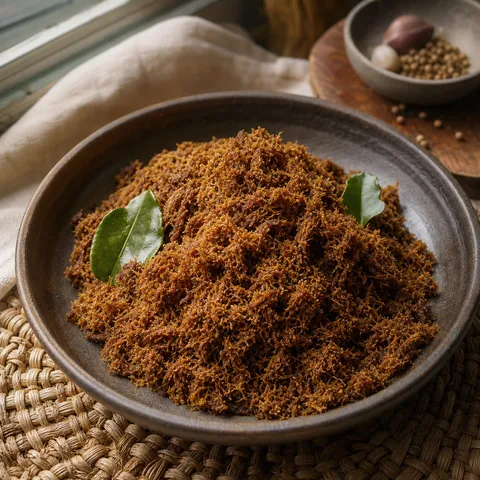
 Beef Serunding
Dry-fried spiced beef floss toasted with coconut and lemongrass until golden and fragrant — a rich, crumbly condiment that transforms plain rice.
 Indonesian & Malaysian Lens Verified Images are for illustrative purposes only, may be inaccurate, and do not guarantee the presence or absence of specific ingredients.
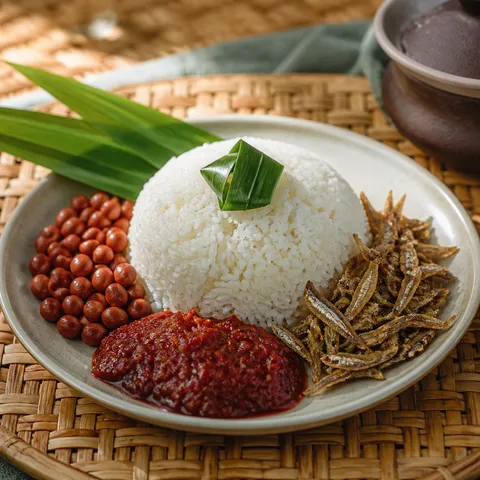
 Nasi Lemak
Malaysia's national comfort dish — fragrant coconut rice paired with sambal, crispy anchovies, roasted peanuts, and a soft-boiled egg.