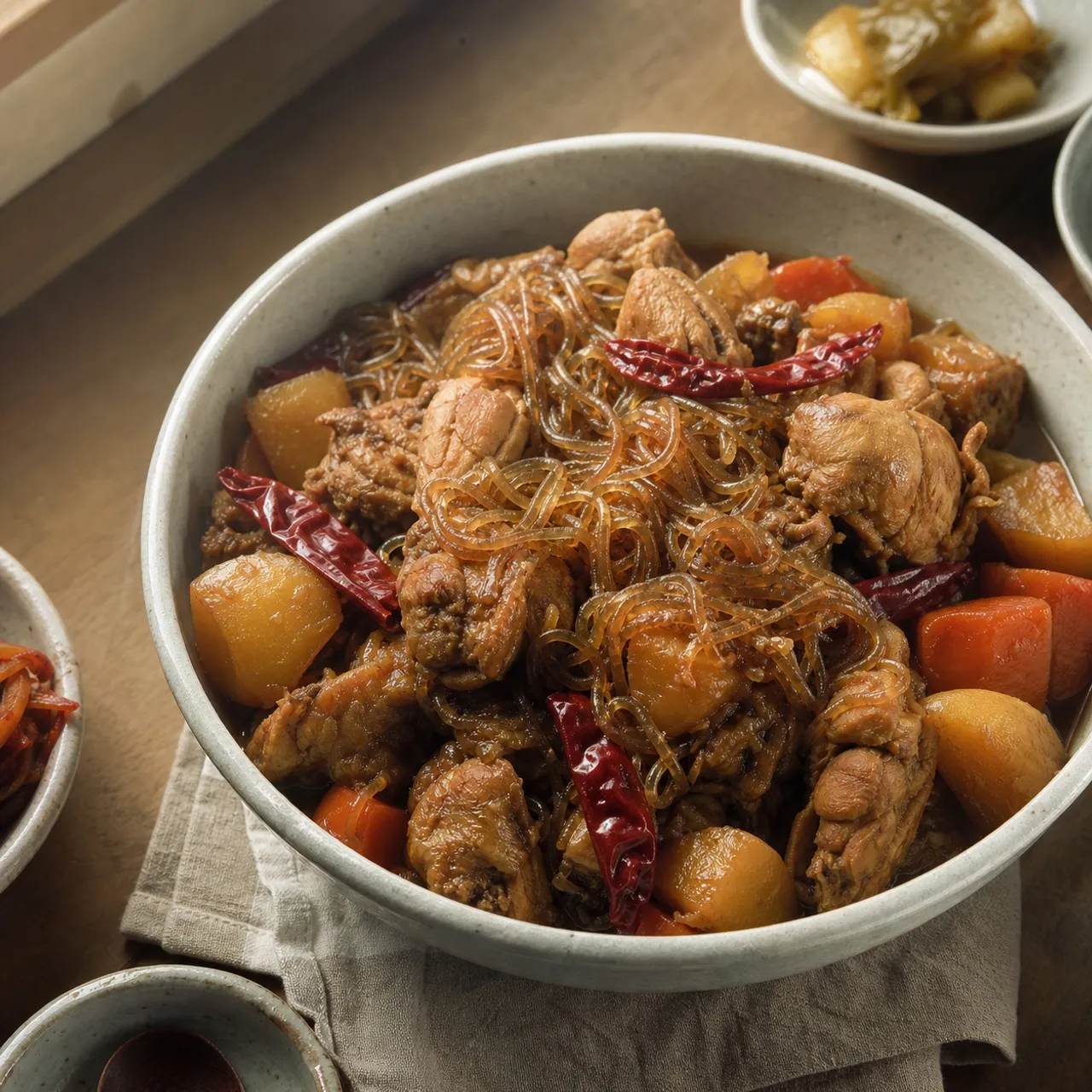
 Korean Images are for illustrative purposes only, may be inaccurate, and do not guarantee the presence or absence of specific ingredients.
 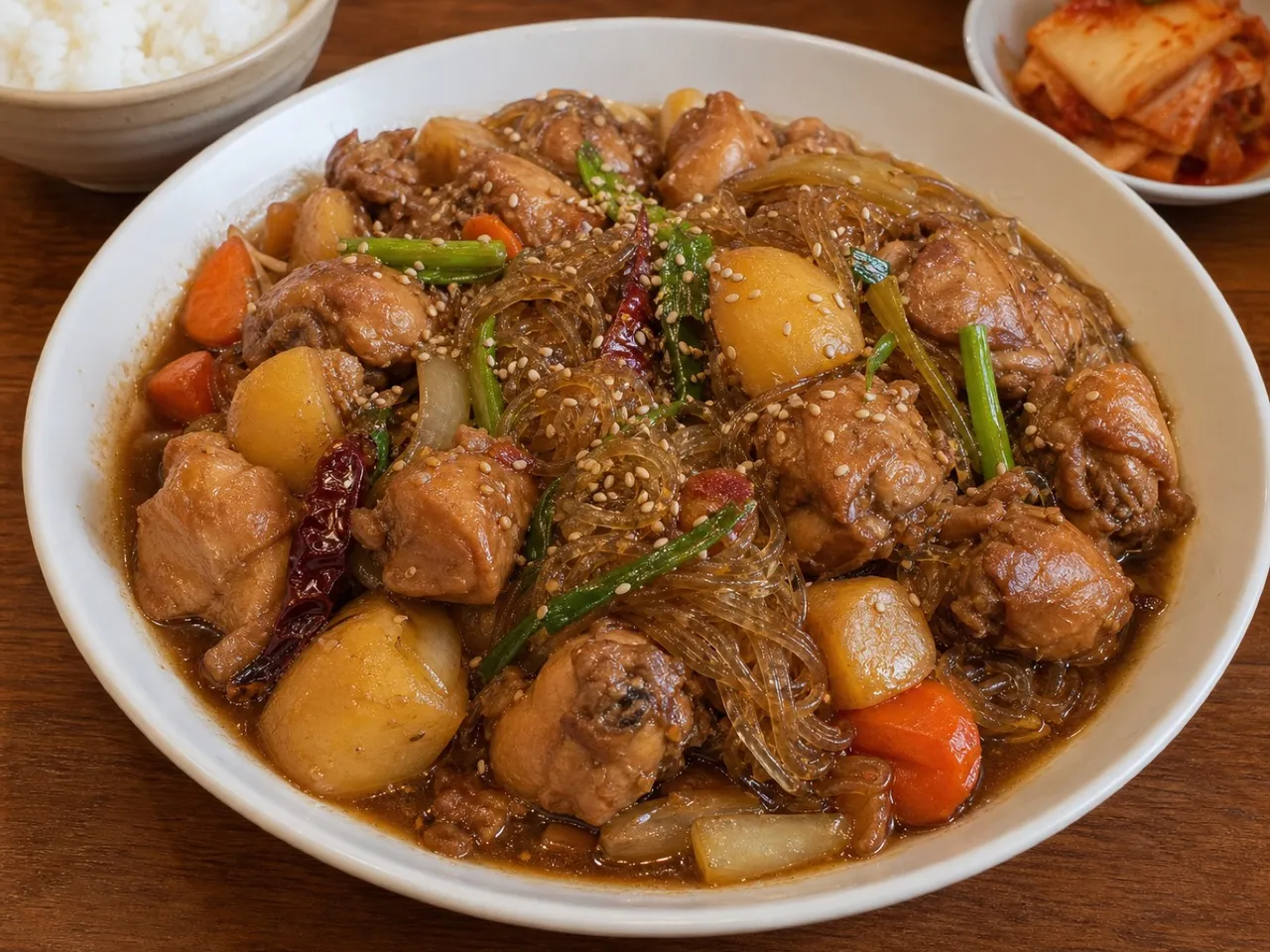 Serving Images are for illustrative purposes only, may be inaccurate, and do not guarantee the presence or absence of specific ingredients.
 Andong Jjimdak (Braised Chicken with Glass Noodles)
A savory, slightly sweet, and spicy braised chicken dish originating from Andong, featuring glass noodles and potatoes.
Contains common allergens
In the app, Listahan checks these against your household automatically.
Instructions
6 steps- 1
Parboil the chicken pieces in boiling water for 3 minutes to remove impurities. Drain and rinse under cold water.
- 2
In a bowl, whisk together the soy sauce, dark soy sauce, brown sugar, rice syrup, and minced garlic to create the savory-sweet braising liquid.
- 3
Place the clean chicken in a large pot or wok. Pour the sauce over it and add 3 cups of water and the dried whole red chilies. Bring to a boil over high heat, then simmer for 15 minutes.
- 4
Add the cubed potatoes and carrots to the pot. Stir to ensure they are submerged in the braising liquid.
- 5
Continue to simmer over medium heat for another 15-20 minutes until the vegetables are tender and the sauce has reduced to a dark, glossy glaze.
- 6
Stir in the soaked glass noodles and cook for a final 3-5 minutes until they become translucent and absorb the delicious sauce. Serve with rice.
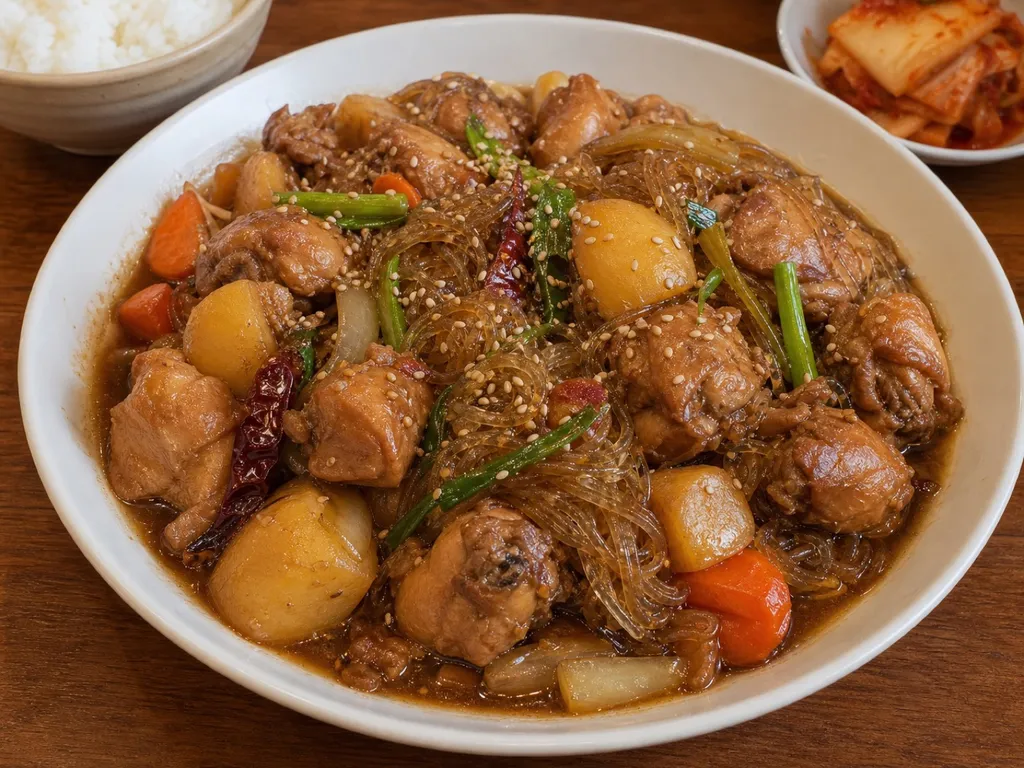 Images are for illustrative purposes only, may be inaccurate, and do not guarantee the presence or absence of specific ingredients.
 Listahan Family Score™
71/100
Good fit for most families
Score reflects how well this recipe fits a typical busy household. In the app, your Family Score is personalized to your household's allergens, kids, and pantry.
Nutrition
per serving765
Calories
24 g
Protein
167 g
Carbs
2 g
Fat
Estimated per serving. Actual values depend on the brands and portions you use.
Listahan cooking guide
Chef notes & practical guide
Technique notes, ingredient swaps, serve-alongside ideas, storage guidance, and equipment for this recipe.
Cultural context
Andong Jjimdak is a braised chicken dish from the city of Andong, simmered in a sweet-savory soy sauce with potatoes, carrots, dried chilies, and slippery glass noodles. Milder and sweeter than gochujang braises, it leans on soy and a touch of dark soy for its glossy color. The glass noodles soaking up the sauce are a defining feature.
Listahan note
This version braises chicken in a soy-based sauce darkened with a little dark soy, adding glass noodles at the end so they drink up the sweet-savory liquid.
Technique cues
- Use a touch of dark soy for the signature glossy color.
- Soak the glass noodles and add them at the end so they do not overcook.
- Adjust the dried chilies to control the gentle heat.
Kitchen flow
- Parallel prep
- Mix the sauce and soak the noodles while the chicken and vegetables prep.
- Make-ahead
- The braise keeps well; add fresh noodles when reheating.
- Leftover move
- Toss leftover sauce and noodles with rice for a quick bowl.
- Cleanup rhythm
- One large pot; soak it soon, as the sweet sauce sticks.
Ingredient brief
Role, handling, and swap guidance for each key ingredient.
Whole chicken pieces
Main protein
Purpose: Bone-in pieces enrich the braise and stay moist.
Handling: Cut into pieces and braise in the sauce.
Adaptation: Boneless thighs work for a quicker braise.
Soy sauce and dark soy
Braise base
Purpose: Provide the savory body and the glossy dark color.
Handling: Combine with sugar, syrup, and garlic.
Adaptation: Tamari keeps it gluten-free; skip dark soy and accept a lighter color.
Glass noodles
Signature texture
Purpose: They soak up the sauce and add slippery chew.
Handling: Soak, then add near the end to avoid mushiness.
Adaptation: These are central; cellophane noodles are a backup.
Potatoes and carrots
Vegetables
Purpose: Add substance and absorb the sweet-savory sauce.
Handling: Cube and add early so they cook through.
Adaptation: Add cabbage or onion for variety.
Technique notes
- Add the soaked noodles at the very end so they stay slippery, not mushy.
- Balance sweet and savory so the sauce is rounded, not flat.
- Reduce until the sauce glazes the chicken and vegetables.
Ingredient swaps
- Gluten-free direction
- Use tamari and skip wheat-containing dark soy; the noodles are wheat-free.
- Spicier direction
- Add more dried chilies or a spoon of gochugaru.
- Leaner direction
- Use skinless chicken and skim excess fat.
Serve alongside
- Steamed white rice
- Kimchi
- Pickled radish
- Seasoned spinach
- Barley tea
- Soju
- Cold lager
Serving suggestions only — check pairings for your household's allergens.
Storage & reheating
- Refrigerate up to 3 days; add fresh noodles when reheating.
- Reheat gently with a splash of water to loosen the sauce.
- Freeze the chicken and sauce up to 2 months; add noodles fresh.
Equipment
- Large heavy pot or Dutch oven
- Tongs
- Cutting board
- Ladle
Make this household-aware
Listahan Pro checks this recipe against your household's allergens, finds pantry-aware swaps, builds the shopping list, and helps you plan the week around it.
Plan it in Listahan
Add Andong Jjimdak (Braised Chicken with Glass Noodles) to your week, check it against your household's allergens, and build the shopping list automatically.
More Korean recipes
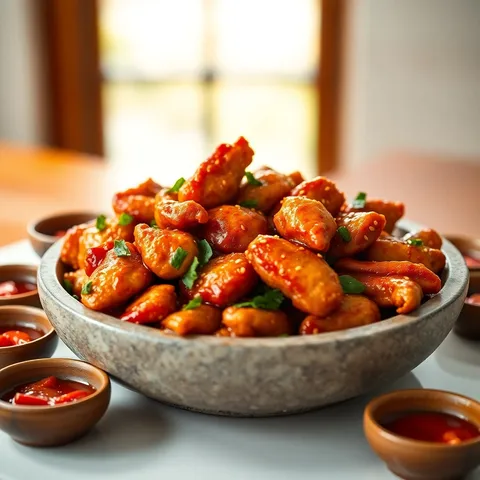 Korean Lens Verified Images are for illustrative purposes only, may be inaccurate, and do not guarantee the presence or absence of specific ingredients.
 Dakgalbi (Spicy Stir-fried Chicken)
Diced chicken marinated in a gochujang-based sauce, stir-fried with sweet potatoes, cabbage, perilla leaves, and tteok.
 Korean Lens Verified Images are for illustrative purposes only, may be inaccurate, and do not guarantee the presence or absence of specific ingredients.
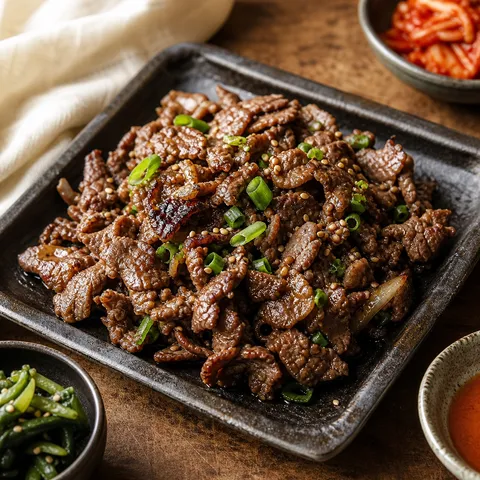
 Bulgogi (Marinated Beef BBQ)
Thinly sliced, marinated beef ribeye or sirloin grilled or stir-fried. Sweet, savory, and tender.
 Korean Lens Verified Images are for illustrative purposes only, may be inaccurate, and do not guarantee the presence or absence of specific ingredients.
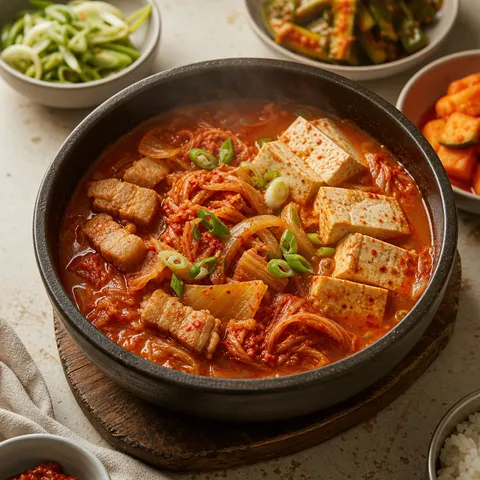
 Kimchi Jjigae (Kimchi Stew)
A classic, comforting stew made with aged kimchi, pork or seafood, scallions, onions, and diced tofu.