 Korean Images are for illustrative purposes only, may be inaccurate, and do not guarantee the presence or absence of specific ingredients.
  Serving Images are for illustrative purposes only, may be inaccurate, and do not guarantee the presence or absence of specific ingredients.
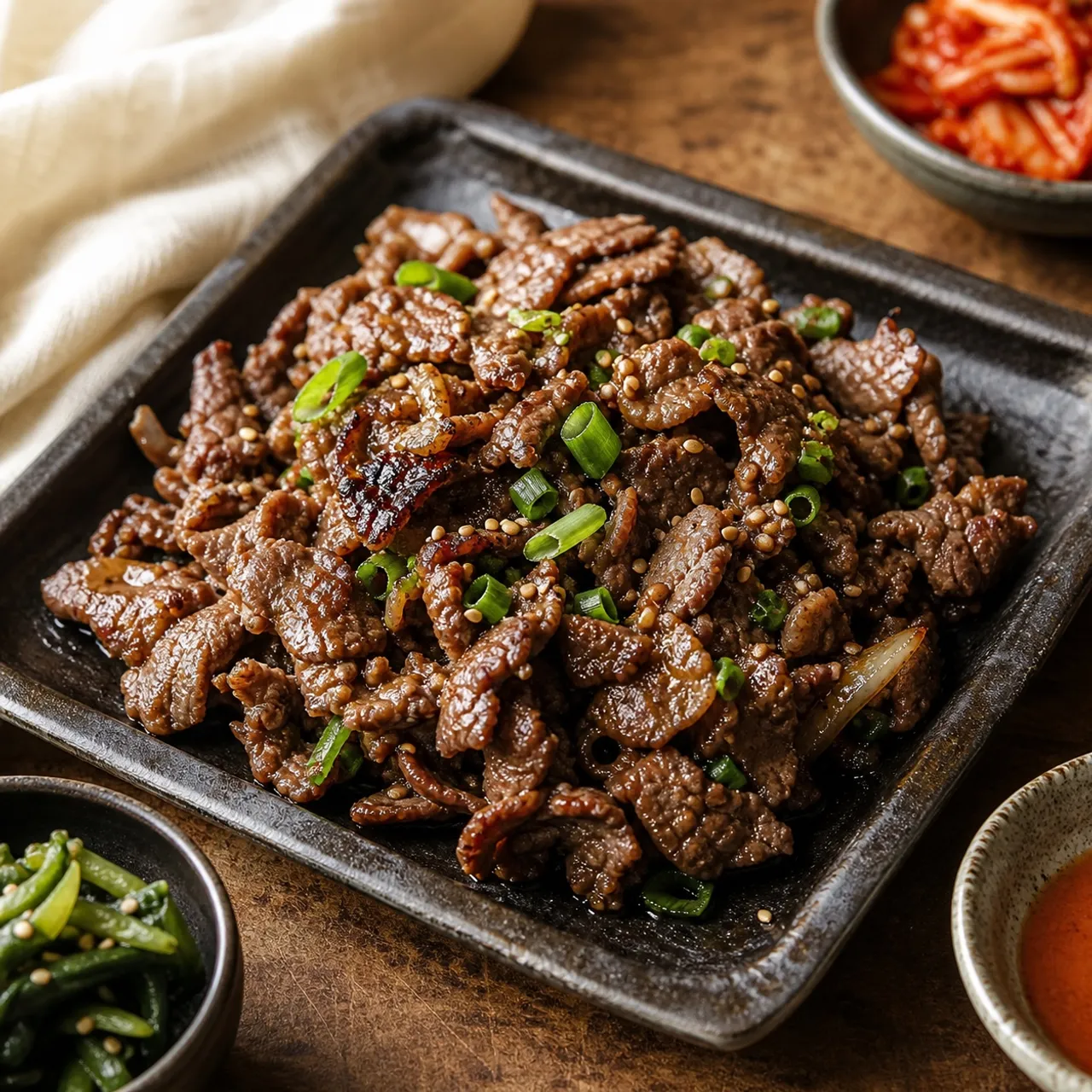
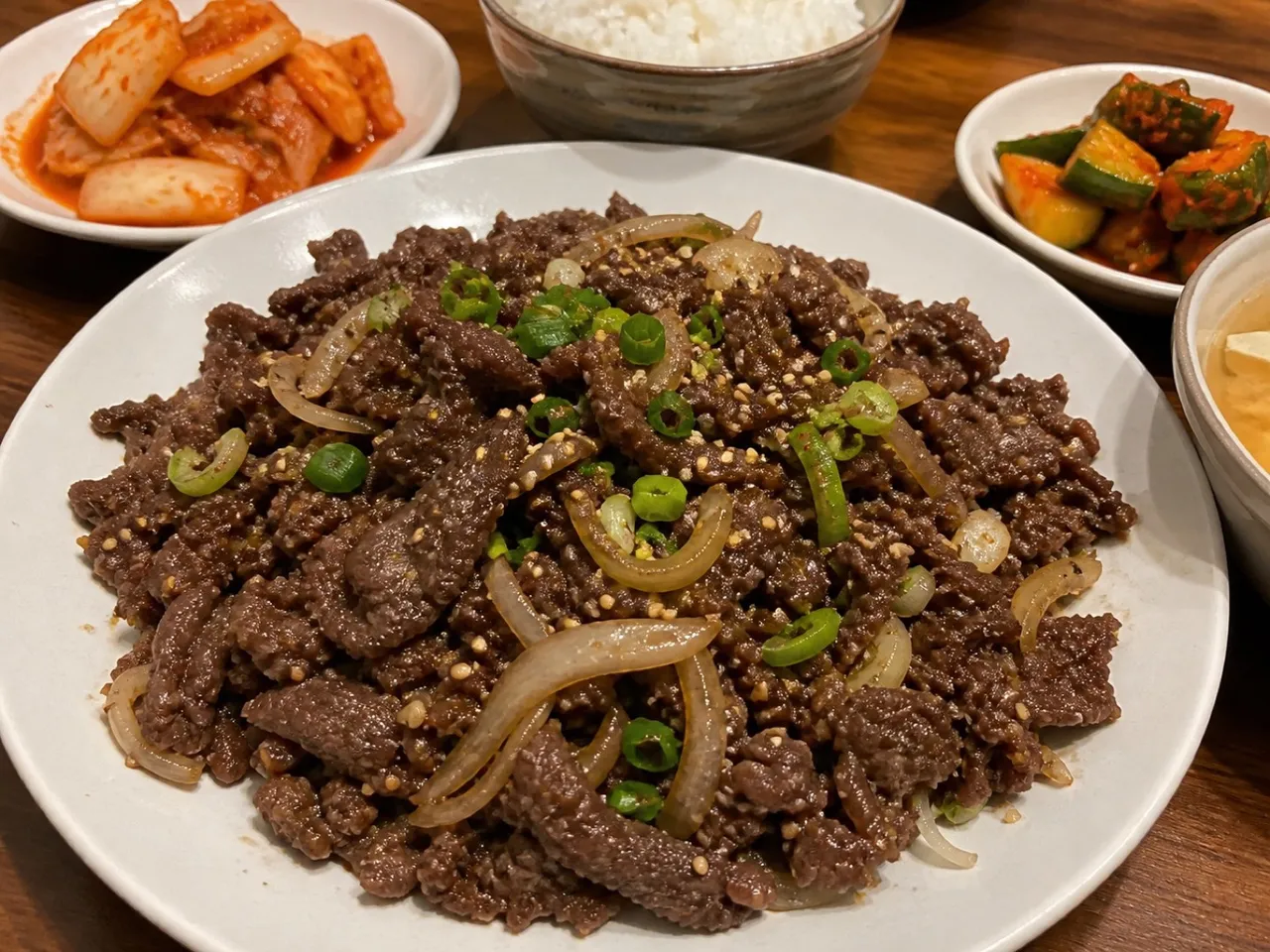
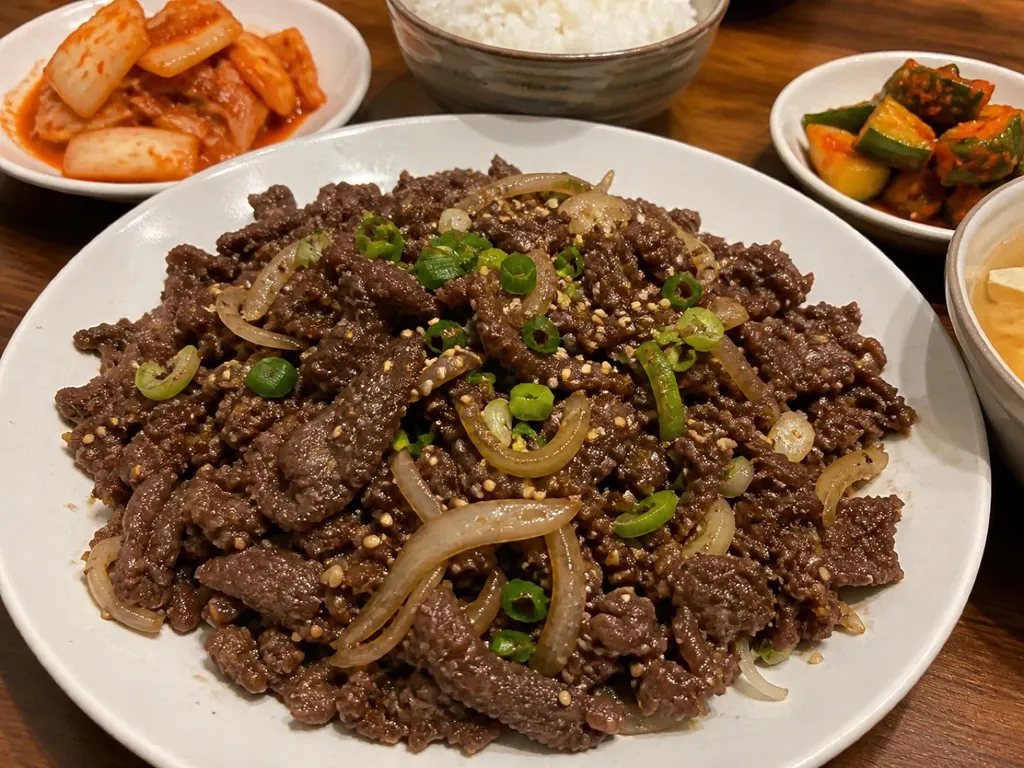
 Bulgogi (Marinated Beef BBQ)
Thinly sliced, marinated beef ribeye or sirloin grilled or stir-fried. Sweet, savory, and tender.
Contains common allergens
In the app, Listahan checks these against your household automatically.
Instructions
6 steps- 1
Prepare the marinade by combining the grated Asian pear, grated onion, soy sauce, brown sugar, minced garlic, sesame oil, and chopped scallion in a large mixing bowl.
- 2
Add the thinly sliced beef to the marinade, massaging the mixture into the meat with your hands to ensure every slice is evenly coated.
- 3
Cover the bowl and let the beef marinate in the refrigerator for at least 30 minutes, or up to overnight for maximum flavor penetration.
- 4
Preheat a heavy skillet or cast-iron grill pan over high heat until smoking hot. Add a small drizzle of cooking oil.
- 5
Spread the marinated beef in a single layer in the hot pan, avoiding overcrowding (cook in batches if necessary).
- 6
Sear for 1-2 minutes per side until the edges are caramelized and slightly charred. Serve immediately.
 Images are for illustrative purposes only, may be inaccurate, and do not guarantee the presence or absence of specific ingredients.
 Listahan Family Score™
62/100
Works for many families
Score reflects how well this recipe fits a typical busy household. In the app, your Family Score is personalized to your household's allergens, kids, and pantry.
Nutrition
per serving535
Calories
46 g
Protein
18 g
Carbs
30 g
Fat
Estimated per serving. Actual values depend on the brands and portions you use.
Listahan cooking guide
Chef notes & practical guide
Technique notes, ingredient swaps, serve-alongside ideas, storage guidance, and equipment for this recipe.
Cultural context
Bulgogi, meaning fire meat, is thinly sliced beef marinated in soy, sugar, garlic, and grated pear, then grilled or pan-seared until caramelized. One of Korea's best-known dishes, it has roots stretching back centuries to skewer-grilled beef. The grated pear is the quiet secret, tenderizing the meat and adding subtle sweetness.
Listahan note
This version uses grated Asian pear and onion in the marinade to tenderize the beef naturally, then sears it hot so the edges caramelize instead of stewing.
Technique cues
- Slice the beef paper-thin against the grain, or partly freeze it first for easier cutting.
- Let the pear-and-onion marinade tenderize the beef for at least 30 minutes.
- Cook over high heat in batches so the meat browns rather than steams.
Kitchen flow
- Parallel prep
- Marinate the beef first, then prep rice and lettuce wraps while it sits.
- Make-ahead
- Marinate up to a day ahead, or freeze the beef in its marinade.
- Leftover move
- Tuck leftover bulgogi into rice bowls, wraps, or kimbap.
- Cleanup rhythm
- One hot pan; deglaze with a splash of water after searing.
Ingredient brief
Role, handling, and swap guidance for each key ingredient.
Thinly sliced ribeye or sirloin
Main protein
Purpose: Thin marbled beef absorbs the marinade fast and cooks in moments.
Handling: Slice paper-thin against the grain; partially freeze to make it easier.
Adaptation: Thinly sliced pork makes dwaeji bulgogi.
Soy sauce and brown sugar
Marinade base
Purpose: Provide the salty-sweet glaze that caramelizes on the heat.
Handling: Balance them so the marinade is savory, not cloying.
Adaptation: Tamari keeps it gluten-free.
Grated Asian pear
Tenderizer and sweetness
Purpose: Its enzymes soften the beef and add a clean, fruity sweetness.
Handling: Grate finely and mix into the marinade.
Adaptation: Grated kiwi or a little pineapple juice tenderizes similarly.
Sesame oil and garlic
Aromatics
Purpose: Give bulgogi its nutty, savory aroma.
Handling: Add at the end of mixing so the sesame stays fragrant.
Adaptation: Toasted sesame seeds reinforce the aroma.
Technique notes
- Do not over-marinate past a few hours, or the pear enzymes make the beef mushy.
- Sear in batches on high heat for caramelized edges.
- Save the pan juices to spoon over rice.
Ingredient swaps
- Gluten-free direction
- Use certified gluten-free tamari in place of soy sauce.
- Lower-sodium direction
- Use low-sodium soy and a touch more pear for balance.
- Pork direction
- Use thinly sliced pork shoulder for a spicier dwaeji bulgogi base.
Serve alongside
- Steamed white rice
- Lettuce wraps with ssamjang
- Kimchi
- Seasoned soybean sprouts
- Light lager
- Soju
- Barley tea
Serving suggestions only — check pairings for your household's allergens.
Storage & reheating
- Refrigerate cooked bulgogi up to 3 days; raw marinated beef keeps 2 days.
- Reheat quickly in a hot pan to avoid overcooking.
- Freeze raw beef in its marinade up to 2 months; thaw before searing.
Equipment
- Cast-iron skillet or grill pan
- Tongs
- Cutting board
- Mixing bowl
Make this household-aware
Listahan Pro checks this recipe against your household's allergens, finds pantry-aware swaps, builds the shopping list, and helps you plan the week around it.
Plan it in Listahan
Add Bulgogi (Marinated Beef BBQ) to your week, check it against your household's allergens, and build the shopping list automatically.
More Korean recipes
 Korean Lens Verified Images are for illustrative purposes only, may be inaccurate, and do not guarantee the presence or absence of specific ingredients.
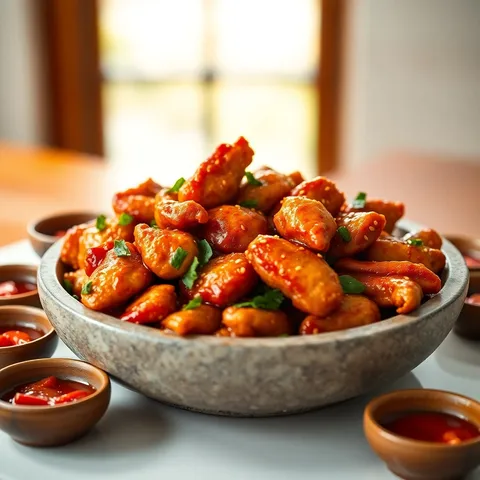
 Dakgalbi (Spicy Stir-fried Chicken)
Diced chicken marinated in a gochujang-based sauce, stir-fried with sweet potatoes, cabbage, perilla leaves, and tteok.
 Korean Lens Verified Images are for illustrative purposes only, may be inaccurate, and do not guarantee the presence or absence of specific ingredients.
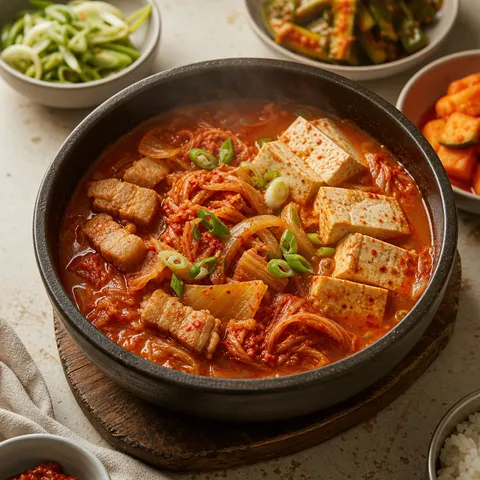
 Kimchi Jjigae (Kimchi Stew)
A classic, comforting stew made with aged kimchi, pork or seafood, scallions, onions, and diced tofu.
 Korean Lens Verified Images are for illustrative purposes only, may be inaccurate, and do not guarantee the presence or absence of specific ingredients.
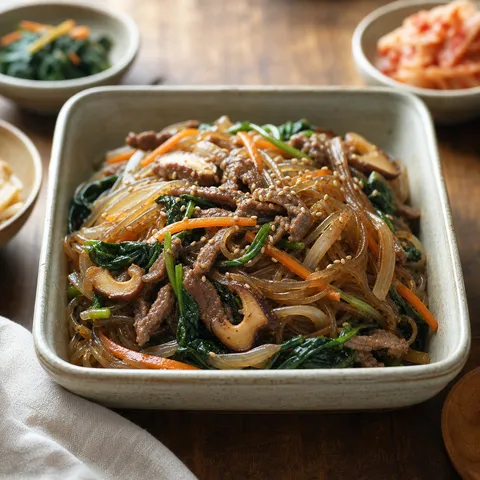
 Japchae (Stir-Fried Glass Noodles)
A sweet and savory dish of stir-fried glass noodles (dangmyeon) and vegetables that is popular in Korean cuisine.