Browse by cuisine
Korean Recipes
63 recipes — each showing allergens, prep time, and servings. Page 1 of 3.
Where it's from
South Korea, North Korea
Korean cuisine spans the Korean peninsula and has strong diasporic forms in North America.
National dish
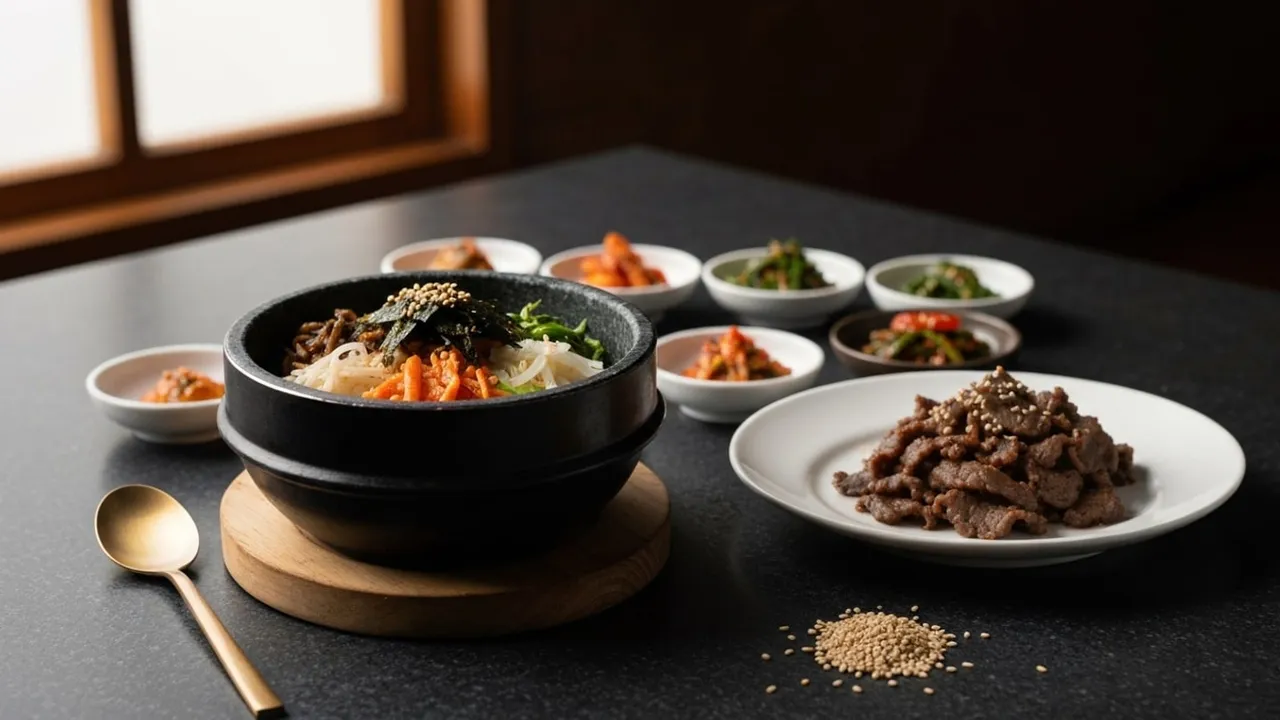
kimchi · bulgogi · bibimbap
Several dishes are commonly cited; no single dish is universally agreed as the national dish.
Signature ingredients
Core techniques
- fermentation. Kimchi and jang pastes develop deep savory, sour, and spicy flavors through fermentation.
- table grilling. Meats are commonly grilled at the table and eaten with wraps, sauces, and banchan.
- jjigae simmering. Stews are often served bubbling hot with rice and small side dishes.
A typical day of eating
Breakfast
Breakfast often includes rice, soup or stew, kimchi, and banchan.
Lunch
Lunch commonly features rice bowls, noodles, stews, or quick dishes from cafés and markets.
Dinner
Dinner typically emphasizes shared dishes with rice, soup, banchan, and grilled or braised items.
Street food
Comfort food
Popular desserts
Typical drinks
Holidays & festival food
Seollal
tteokguk · jeon
Lunar New Year meals commonly include rice-cake soup and assorted pan-fried foods.
Chuseok
songpyeon · galbijjim
Harvest festival tables often include rice cakes and special braised dishes.
Dano
surichwi-tteok · omija-hwachae
Seasonal rice cakes and fruit punches are associated with this early-summer festival.
 Korean Lens Verified Images are for illustrative purposes only, may be inaccurate, and do not guarantee the presence or absence of specific ingredients.
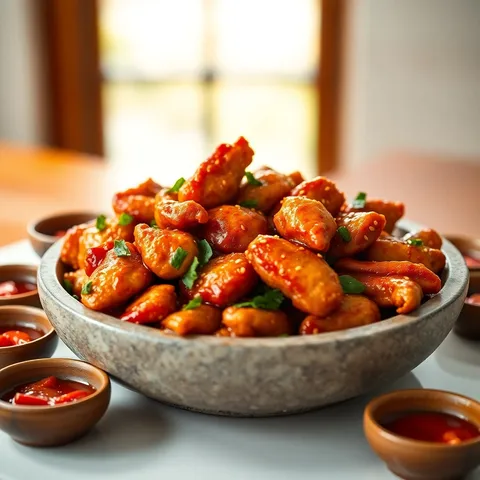
 Dakgalbi (Spicy Stir-fried Chicken)
Diced chicken marinated in a gochujang-based sauce, stir-fried with sweet potatoes, cabbage, perilla leaves, and tteok.
 Korean Lens Verified Images are for illustrative purposes only, may be inaccurate, and do not guarantee the presence or absence of specific ingredients.
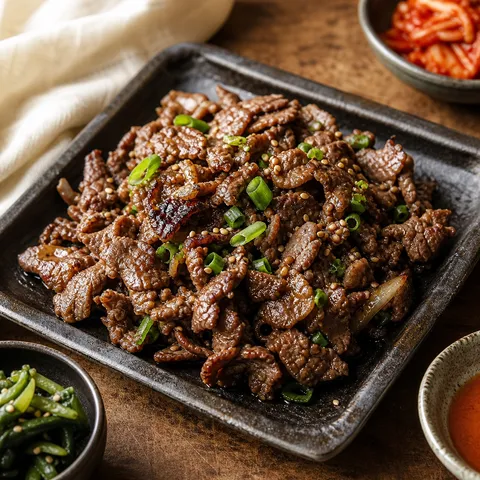
 Bulgogi (Marinated Beef BBQ)
Thinly sliced, marinated beef ribeye or sirloin grilled or stir-fried. Sweet, savory, and tender.
 Korean Lens Verified Images are for illustrative purposes only, may be inaccurate, and do not guarantee the presence or absence of specific ingredients.
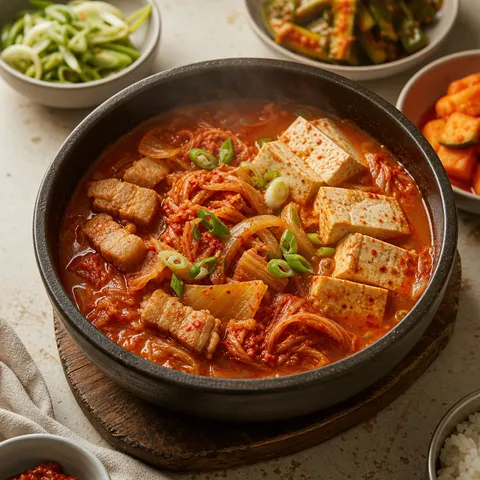
 Kimchi Jjigae (Kimchi Stew)
A classic, comforting stew made with aged kimchi, pork or seafood, scallions, onions, and diced tofu.
 Korean Lens Verified Images are for illustrative purposes only, may be inaccurate, and do not guarantee the presence or absence of specific ingredients.
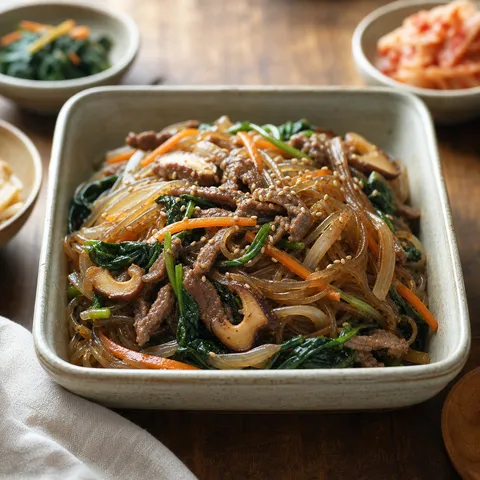
 Japchae (Stir-Fried Glass Noodles)
A sweet and savory dish of stir-fried glass noodles (dangmyeon) and vegetables that is popular in Korean cuisine.
 Korean Lens Verified Images are for illustrative purposes only, may be inaccurate, and do not guarantee the presence or absence of specific ingredients.
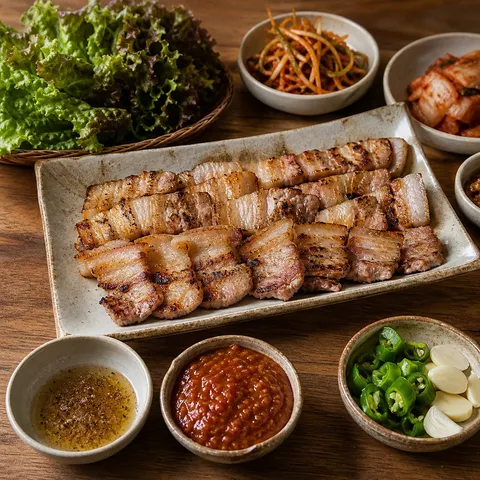
 Samgyeopsal (Grilled Pork Belly)
Thick, fatty slices of pork belly meat. The meat is usually not marinated or seasoned, and is grilled at the diner's table.
 Korean Lens Verified Images are for illustrative purposes only, may be inaccurate, and do not guarantee the presence or absence of specific ingredients.
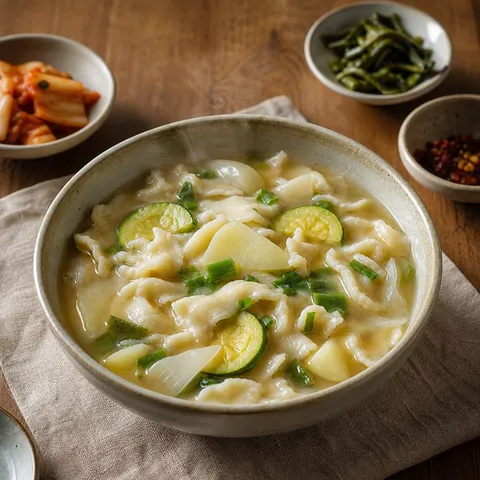
 Sujebi (Hand-Torn Noodle Soup)
A comforting soup consisting of rough, hand-torn dough flakes in a clear, savory broth, often enjoyed on rainy days.
 Korean Lens Verified Images are for illustrative purposes only, may be inaccurate, and do not guarantee the presence or absence of specific ingredients.
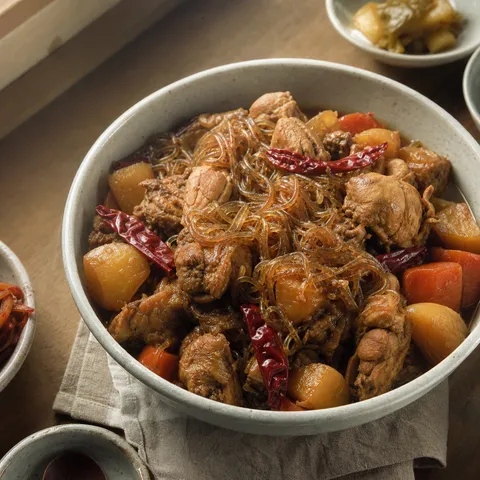
 Andong Jjimdak (Braised Chicken with Glass Noodles)
A savory, slightly sweet, and spicy braised chicken dish originating from Andong, featuring glass noodles and potatoes.
 Korean Lens Verified Images are for illustrative purposes only, may be inaccurate, and do not guarantee the presence or absence of specific ingredients.
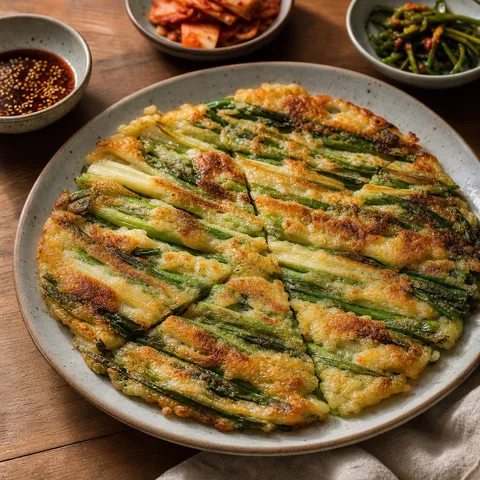
 Pajeon (Scallion Pancake)
A savory pancake made primarily with a batter of eggs, wheat flour, rice flour, and lots of scallions.
 Korean Lens Verified Images are for illustrative purposes only, may be inaccurate, and do not guarantee the presence or absence of specific ingredients.
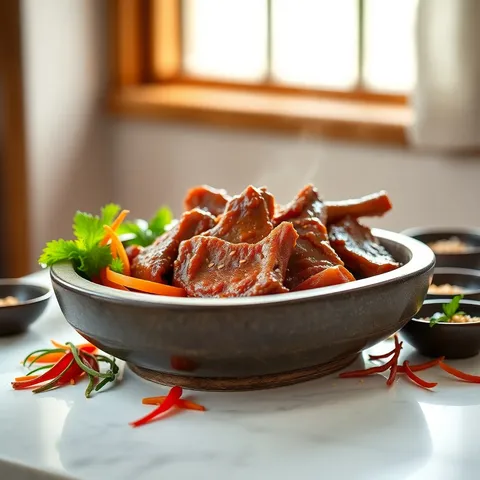
 Galbijjim (Braised Short Ribs)
A luxurious dish of braised beef short ribs with a sweet and savory sauce, often prepared for holidays.
 Korean Lens Verified Images are for illustrative purposes only, may be inaccurate, and do not guarantee the presence or absence of specific ingredients.
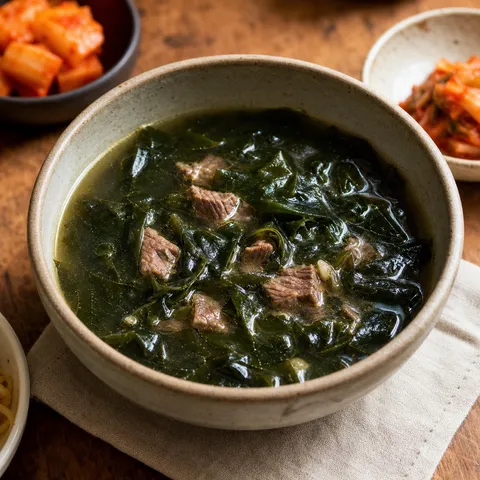
 Miyeok Guk (Seaweed Soup)
A non-spicy soup made from wakame (seaweed) and a light beef or seafood broth. Traditionally eaten on birthdays and by postpartum mothers.
 Korean Lens Verified Images are for illustrative purposes only, may be inaccurate, and do not guarantee the presence or absence of specific ingredients.
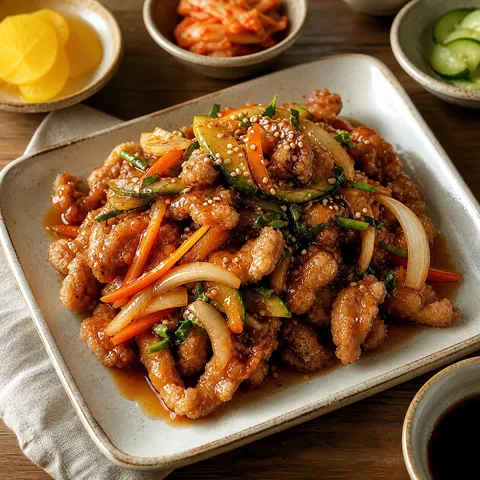
 Tangsuyuk
A Korean recipe: Tangsuyuk.
 Korean Lens Verified Images are for illustrative purposes only, may be inaccurate, and do not guarantee the presence or absence of specific ingredients.
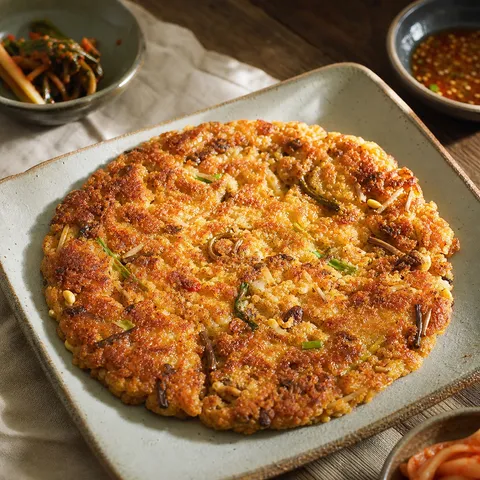
 Bindaetteok (Mung Bean Pancake)
A savory pancake made by grinding soaked mung beans, adding vegetables and meat, and pan-frying.
 Korean Lens Verified Images are for illustrative purposes only, may be inaccurate, and do not guarantee the presence or absence of specific ingredients.
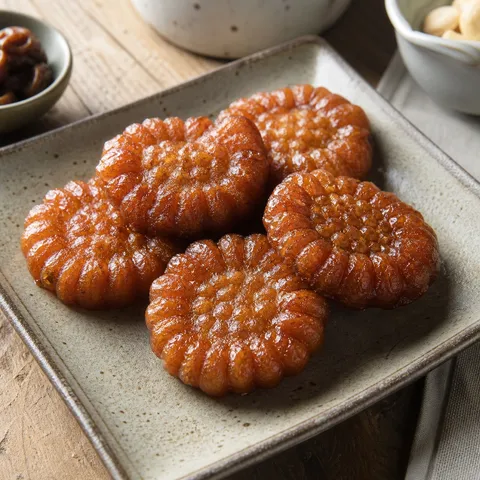
 Yakgwa (Honey Pastry)
A traditional Korean sweet pastry shaped like a flower, deep-fried and soaked in a honey-ginger syrup.
 Korean Lens Verified Images are for illustrative purposes only, may be inaccurate, and do not guarantee the presence or absence of specific ingredients.
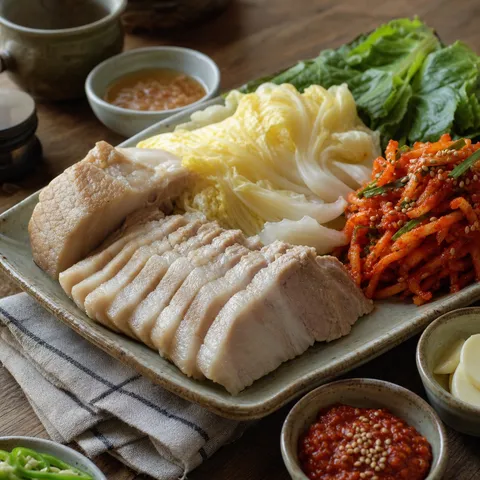
 Bossam (Boiled Pork Wrap)
Boiled pork belly thinly sliced and served with side dishes, meant to be wrapped in leaves like lettuce or napa cabbage.
 Korean Lens Verified Images are for illustrative purposes only, may be inaccurate, and do not guarantee the presence or absence of specific ingredients.
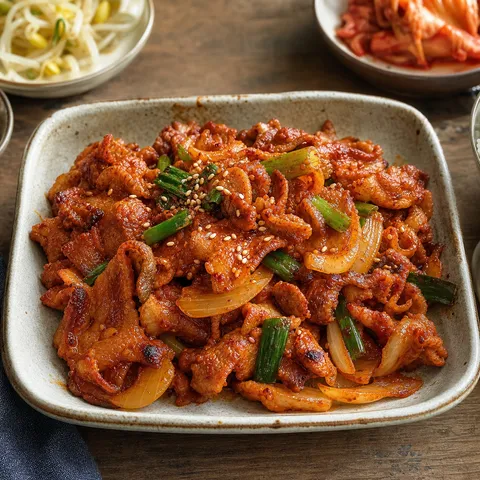
 Jeyuk Bokkeum (Spicy Pork Bulgogi)
Thinly sliced pork marinated in a spicy gochujang sauce and stir-fried with onions and green onions.
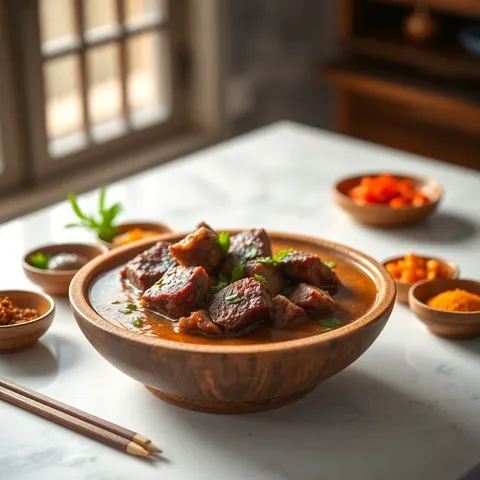 Korean Lens Verified Images are for illustrative purposes only, may be inaccurate, and do not guarantee the presence or absence of specific ingredients.
 Galbitang (Beef Short Rib Soup)
A nourishing and clear soup made by slowly simmering beef short ribs with daikon radish, onions, and garlic.
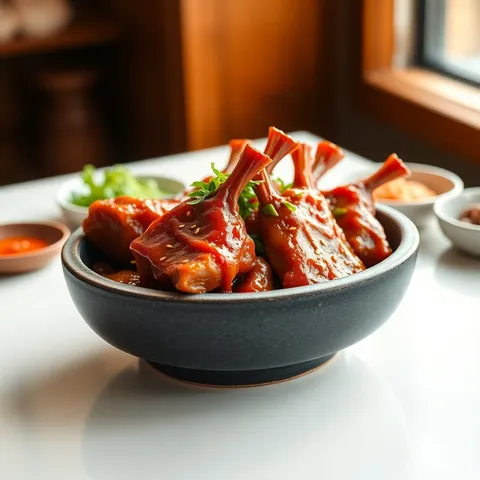 Korean Lens Verified Images are for illustrative purposes only, may be inaccurate, and do not guarantee the presence or absence of specific ingredients.
 Jokbal (Braised Pigs' Feet)
A popular drinking food consisting of pigs' trotters braised in a savory, aromatic broth of soy sauce and spices until tender.
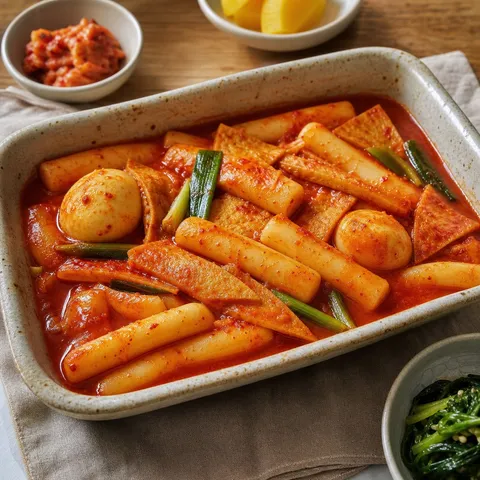 Korean Lens Verified Images are for illustrative purposes only, may be inaccurate, and do not guarantee the presence or absence of specific ingredients.
 Tteokbokki (Spicy Rice Cakes)
A highly popular Korean street food made from small-sized garae-tteok (long, white, cylinder-shaped rice cakes) in a spicy, sweet gochujang-based sauce.
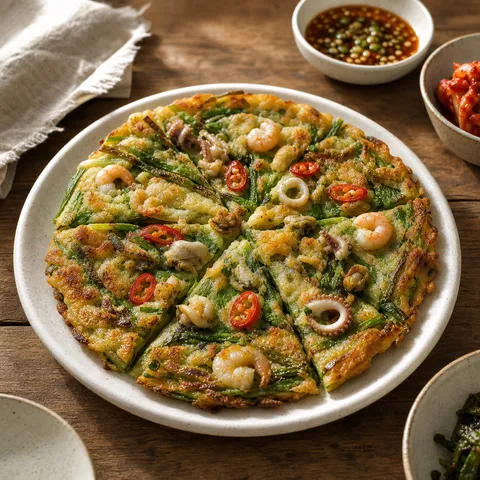 Korean Lens Verified Images are for illustrative purposes only, may be inaccurate, and do not guarantee the presence or absence of specific ingredients.
 Haemul Pajeon (Seafood Scallion Pancake)
A variation of Pajeon that includes a mix of seafood such as squid, shrimp, and oysters.
 Korean Lens Verified Images are for illustrative purposes only, may be inaccurate, and do not guarantee the presence or absence of specific ingredients.
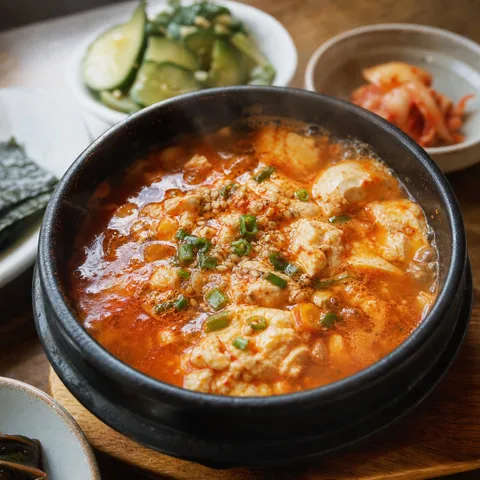
 Sundubu Jjigae (Soft Tofu Stew)
A spicy, bubbling stew made with uncurdled extra soft tofu, seafood or pork, vegetables, and gochugaru.
 Korean Lens Verified Images are for illustrative purposes only, may be inaccurate, and do not guarantee the presence or absence of specific ingredients.
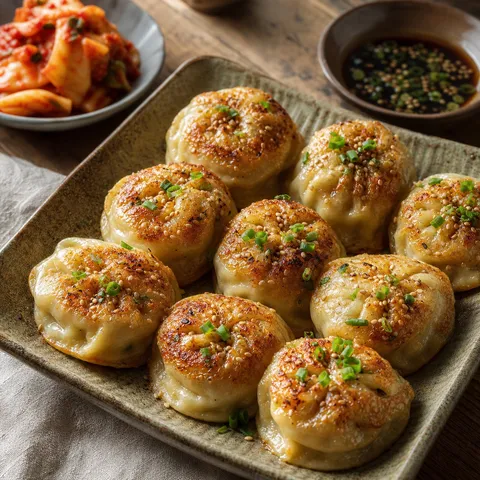
 Kimchi Mandu
A Korean recipe: Kimchi Mandu.
 Korean Lens Verified Images are for illustrative purposes only, may be inaccurate, and do not guarantee the presence or absence of specific ingredients.
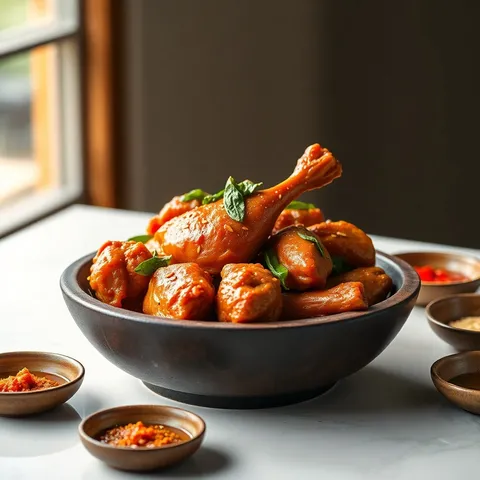
 Dak-bokkeum-tang (Spicy Braised Chicken)
A hearty, spicy chicken stew made by braising chunks of chicken with potatoes and carrots in a gochujang sauce.
 Korean Lens Verified Images are for illustrative purposes only, may be inaccurate, and do not guarantee the presence or absence of specific ingredients.
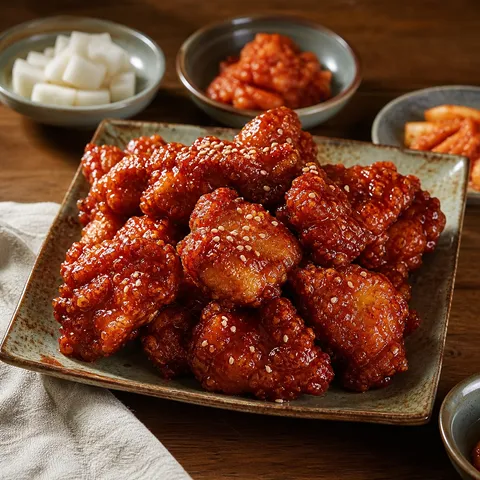
 Yangnyeom Chicken (Korean Fried Chicken)
Crispy double-fried chicken coated in a sticky, sweet, and spicy sauce.
 Korean Lens Verified Images are for illustrative purposes only, may be inaccurate, and do not guarantee the presence or absence of specific ingredients.
 Hobak Juk (Pumpkin Porridge)
A sweet, smooth, and vibrant yellow porridge made from kabocha squash or pumpkin and glutinous rice flour.
Save Korean recipes to your week, and the free Listahan app checks every one against your family's allergens automatically.
Listahan is the household operating system: lists, calendar, events, reminders and chores live beside the food.