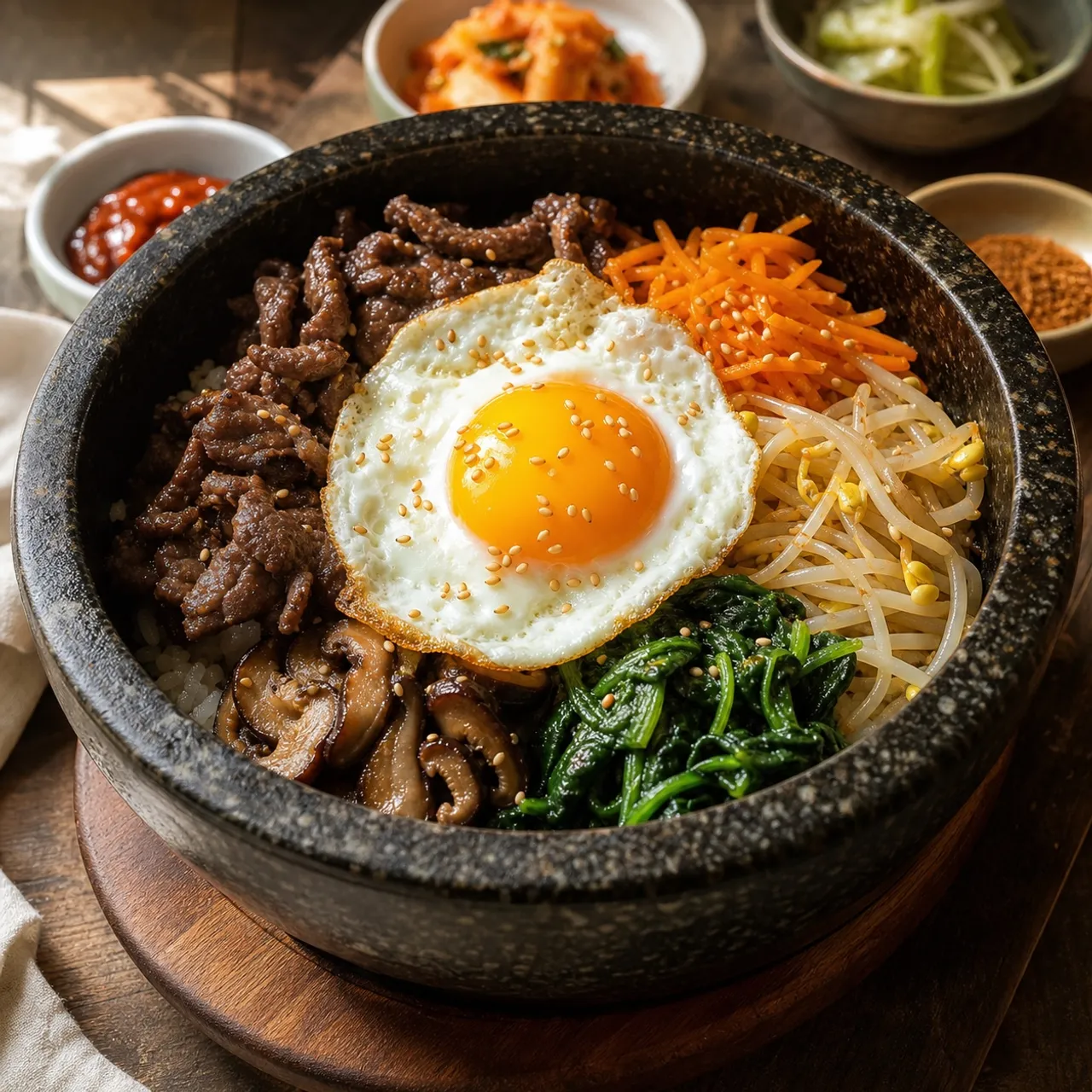
 Korean Images are for illustrative purposes only, may be inaccurate, and do not guarantee the presence or absence of specific ingredients.
 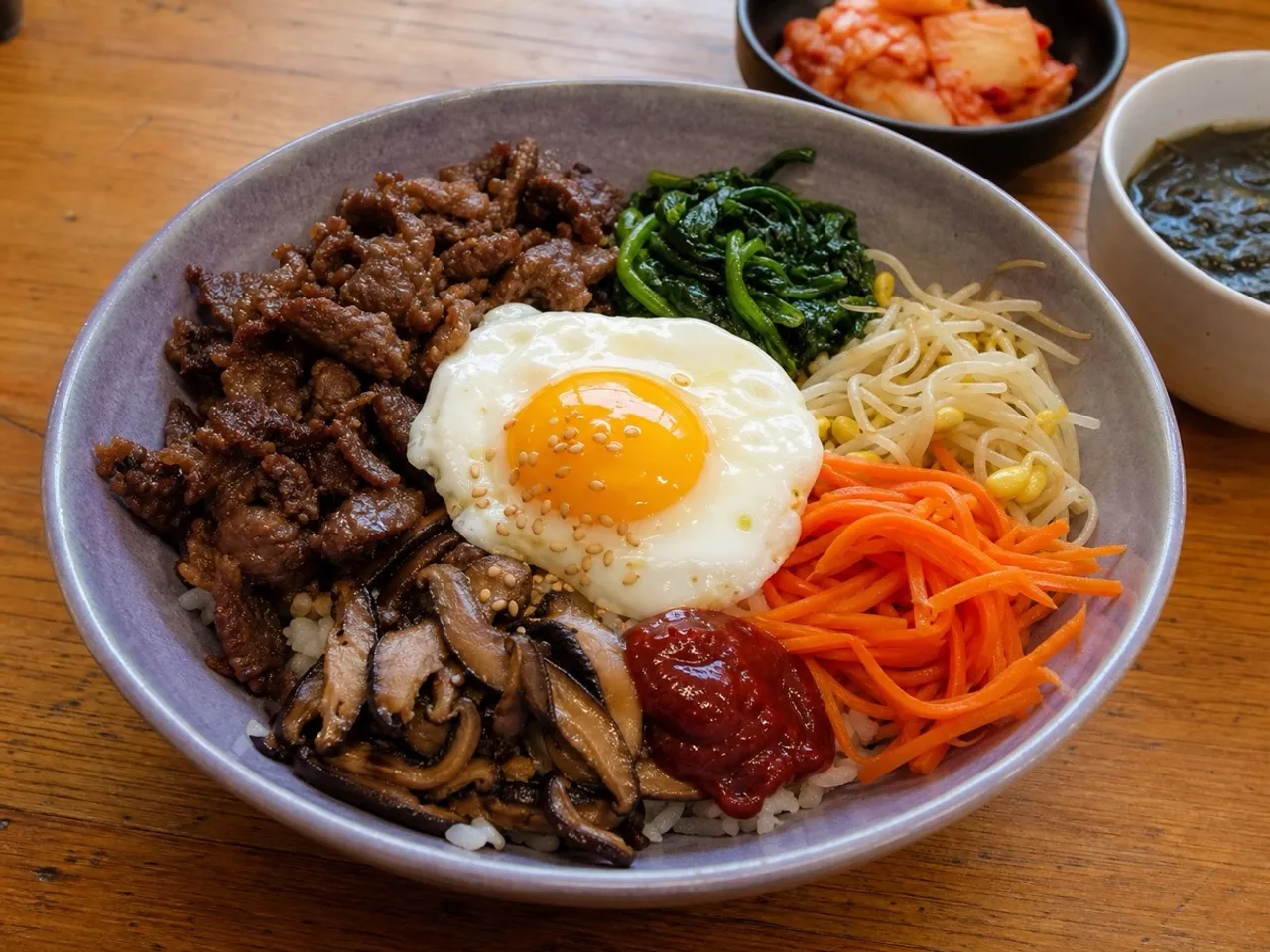 Serving Images are for illustrative purposes only, may be inaccurate, and do not guarantee the presence or absence of specific ingredients.
 Bibimbap (Mixed Rice)
A popular Korean dish consisting of a bowl of warm white rice topped with namul (sautéed and seasoned vegetables) or kimchi and gochujang (chili pepper paste), soy sauce, or doenjang (a fermented soybean paste).
Contains common allergens
In the app, Listahan checks these against your household automatically.
Instructions
6 steps- 1
Blanch the spinach in boiling salted water for 30 seconds, then plunge into an ice bath. Squeeze out excess water and toss with 1 tsp sesame oil and a pinch of salt.
- 2
Boil soybean sprouts for 3 minutes until tender but crisp, drain, and season with minced garlic, salt, and sesame oil.
- 3
Sauté julienned carrots and sliced shiitake mushrooms separately in a lightly oiled skillet over medium heat for 2-3 minutes each, until softened.
- 4
Marinate the beef in 1 tbsp soy sauce, 1 tsp sugar, and 1 tsp minced garlic for 10 minutes, then pan-fry over medium-high heat until deeply browned and caramelized (about 4 minutes).
- 5
Fry the eggs in a little oil over medium heat until the whites are set but the yolks remain runny (sunny-side up).
- 6
Assemble by dividing the warm rice into two large bowls. Arrange the prepared vegetables and beef in colorful sections over the rice, place the fried egg in the center, and drizzle with gochujang and sesame oil before serving.
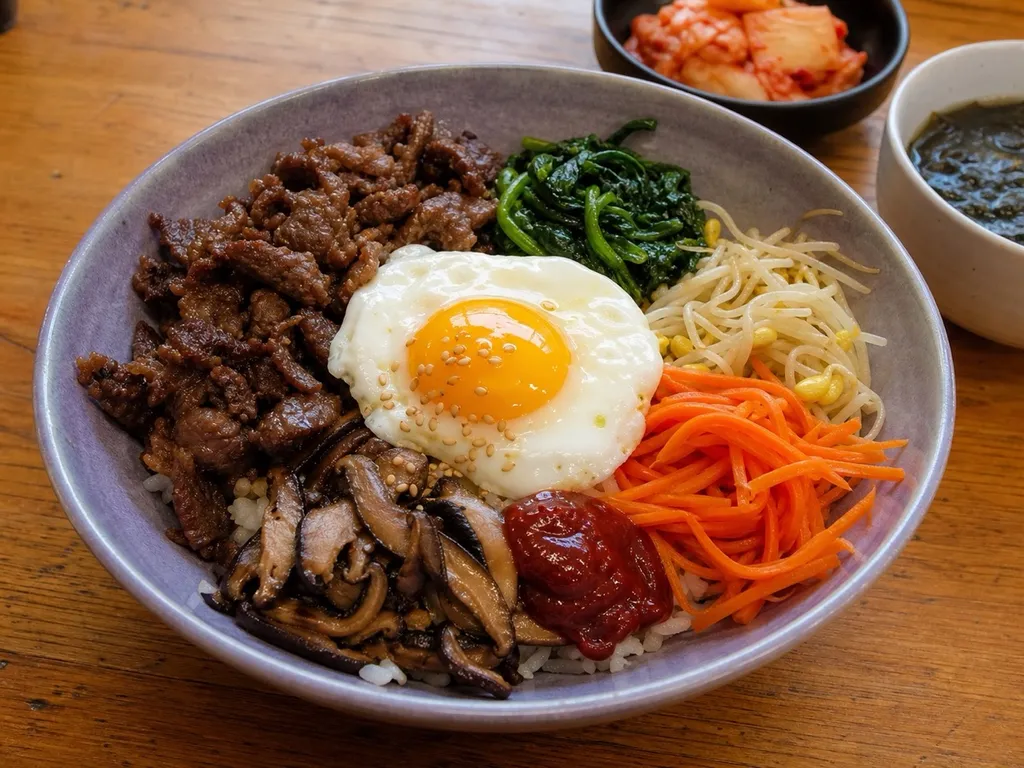 Images are for illustrative purposes only, may be inaccurate, and do not guarantee the presence or absence of specific ingredients.
 Listahan Family Score™
55/100
Works for many families
Score reflects how well this recipe fits a typical busy household. In the app, your Family Score is personalized to your household's allergens, kids, and pantry.
Nutrition
per serving2255
Calories
97 g
Protein
323 g
Carbs
58 g
Fat
Estimated per serving. Actual values depend on the brands and portions you use.
Listahan cooking guide
Chef notes & practical guide
Technique notes, ingredient swaps, serve-alongside ideas, storage guidance, and equipment for this recipe.
Cultural context
Bibimbap, literally mixed rice, is a Korean bowl of warm rice topped with an array of separately seasoned vegetables (namul), beef, and a fried egg, all stirred together with gochujang at the table. It began as a way to use small amounts of many side dishes in one bowl. The pleasure is in the contrast: crisp vegetables, savory beef, soft yolk, and spicy-sweet chili paste.
Listahan note
This version seasons each vegetable on its own so they keep distinct flavors and colors, then lets you control the heat by stirring in gochujang to taste at the table.
Technique cues
- Season each namul vegetable separately rather than tossing them together, so each keeps its own character.
- If you want the crisped-rice (dolsot) effect, press the assembled bowl into a hot oiled pan until the bottom layer browns.
- Add the gochujang gradually while mixing so you can dial the heat to your liking.
Kitchen flow
- Parallel prep
- Blanch and season the vegetables while the rice cooks and the beef marinates.
- Make-ahead
- Prep and refrigerate the namul a day ahead; assemble bowls fresh.
- Leftover move
- Turn leftover components into kimchi-style fried rice with an egg.
- Cleanup rhythm
- Use one pan in sequence for beef and egg; the namul bowls rinse easily.
Ingredient brief
Role, handling, and swap guidance for each key ingredient.
Cooked short-grain rice
Base
Purpose: Sticky short-grain rice holds the toppings and gochujang together when mixed.
Handling: Use warm, freshly cooked rice so it absorbs the sauce.
Adaptation: Brown rice works for a nuttier, higher-fiber bowl.
Thinly sliced beef ribeye
Main protein
Purpose: Quick-cooking marbled beef adds savory richness.
Handling: Marinate briefly in soy and sesame, then sear hot and fast.
Adaptation: Use tofu or extra mushrooms for a meatless bowl.
Spinach and soybean sprouts
Seasoned vegetables (namul)
Purpose: They give fresh, earthy contrast and the signature variety.
Handling: Blanch each, squeeze dry, and season separately with sesame and garlic.
Adaptation: Any quick-cooked greens or sprouts can stand in.
Gochujang
Sauce
Purpose: The fermented chili paste ties the bowl together with sweet heat.
Handling: Thin slightly with sesame oil for easier mixing.
Adaptation: Mix gochugaru with a little miso and sugar if you lack gochujang.
Egg
Finishing richness
Purpose: A runny yolk coats the rice and mellows the chili.
Handling: Fry sunny-side up and place on top just before serving.
Adaptation: Skip for a vegan bowl, or use a soft-scrambled egg.
Technique notes
- Keep the vegetables separate until the bowl is built so the colors stay vivid.
- For dolsot bibimbap, do not stir until the rice crackles against the hot stone.
- Toast the sesame oil and seeds briefly to deepen their aroma before seasoning.
Ingredient swaps
- Vegan direction
- Use tofu and extra mushrooms, skip the egg, and confirm the gochujang has no fish additives.
- Gluten-free direction
- Use a certified gluten-free gochujang and tamari for the beef marinade.
- Lower-sodium direction
- Cut the soy in the marinade and let diners add gochujang to taste.
Serve alongside
- Kimchi
- Seasoned soybean sprouts (kongnamul)
- Miyeok guk (seaweed soup)
- Danmuji (pickled radish)
- Barley tea
- Cold water
- Light lager
Serving suggestions only — check pairings for your household's allergens.
Storage & reheating
- Refrigerate components separately up to 3 days; assemble fresh.
- Reheat the rice and beef; serve the vegetables cold or at room temperature.
- Freezing is not recommended, as the vegetables lose texture.
Equipment
- Skillet or wok
- Several small bowls for namul
- Rice cooker or pot
- Stone bowl (optional, for dolsot)
Make this household-aware
Listahan Pro checks this recipe against your household's allergens, finds pantry-aware swaps, builds the shopping list, and helps you plan the week around it.
Plan it in Listahan
Add Bibimbap (Mixed Rice) to your week, check it against your household's allergens, and build the shopping list automatically.
More Korean recipes
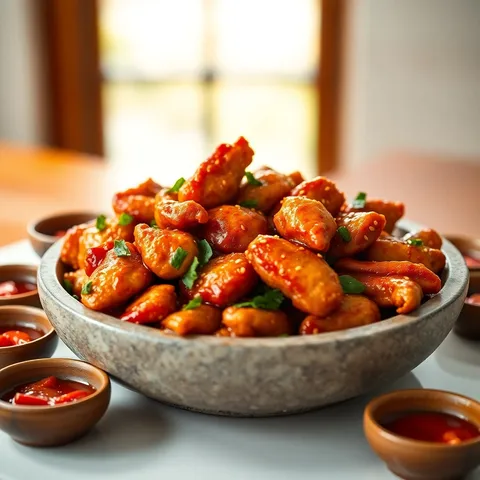 Korean Lens Verified Images are for illustrative purposes only, may be inaccurate, and do not guarantee the presence or absence of specific ingredients.
 Dakgalbi (Spicy Stir-fried Chicken)
Diced chicken marinated in a gochujang-based sauce, stir-fried with sweet potatoes, cabbage, perilla leaves, and tteok.
 Korean Lens Verified Images are for illustrative purposes only, may be inaccurate, and do not guarantee the presence or absence of specific ingredients.
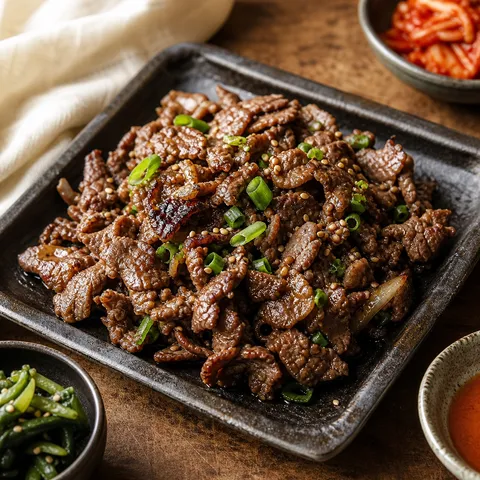
 Bulgogi (Marinated Beef BBQ)
Thinly sliced, marinated beef ribeye or sirloin grilled or stir-fried. Sweet, savory, and tender.
 Korean Lens Verified Images are for illustrative purposes only, may be inaccurate, and do not guarantee the presence or absence of specific ingredients.
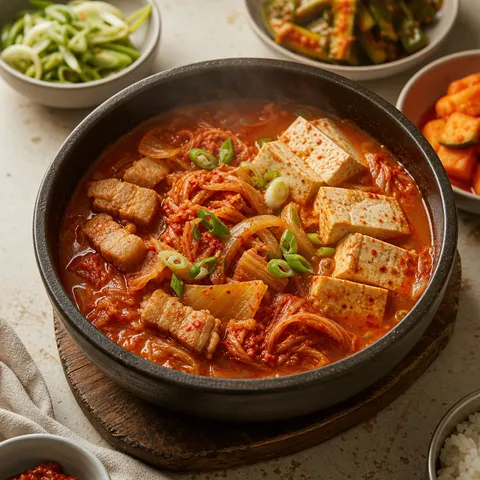
 Kimchi Jjigae (Kimchi Stew)
A classic, comforting stew made with aged kimchi, pork or seafood, scallions, onions, and diced tofu.