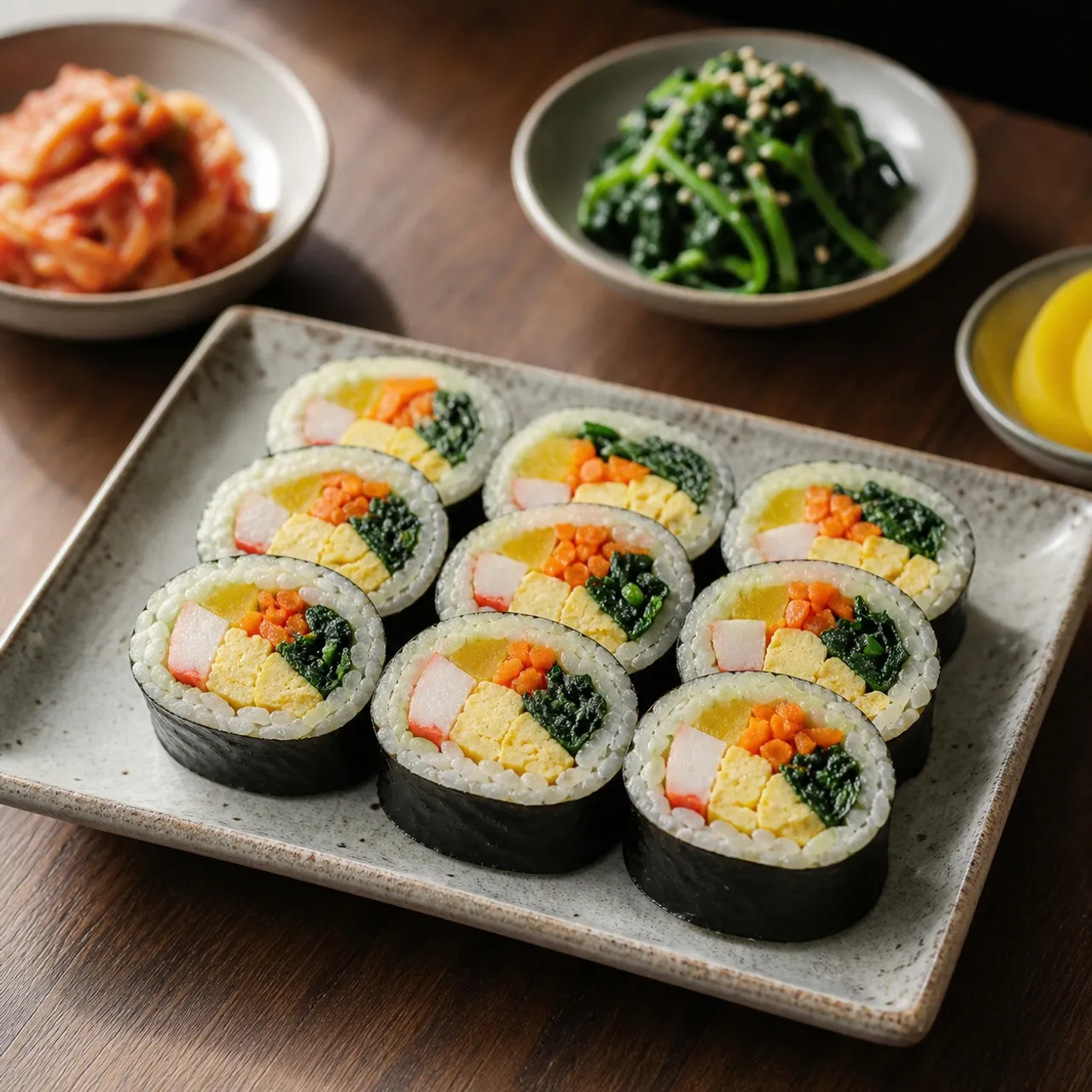
 Korean Images are for illustrative purposes only, may be inaccurate, and do not guarantee the presence or absence of specific ingredients.
 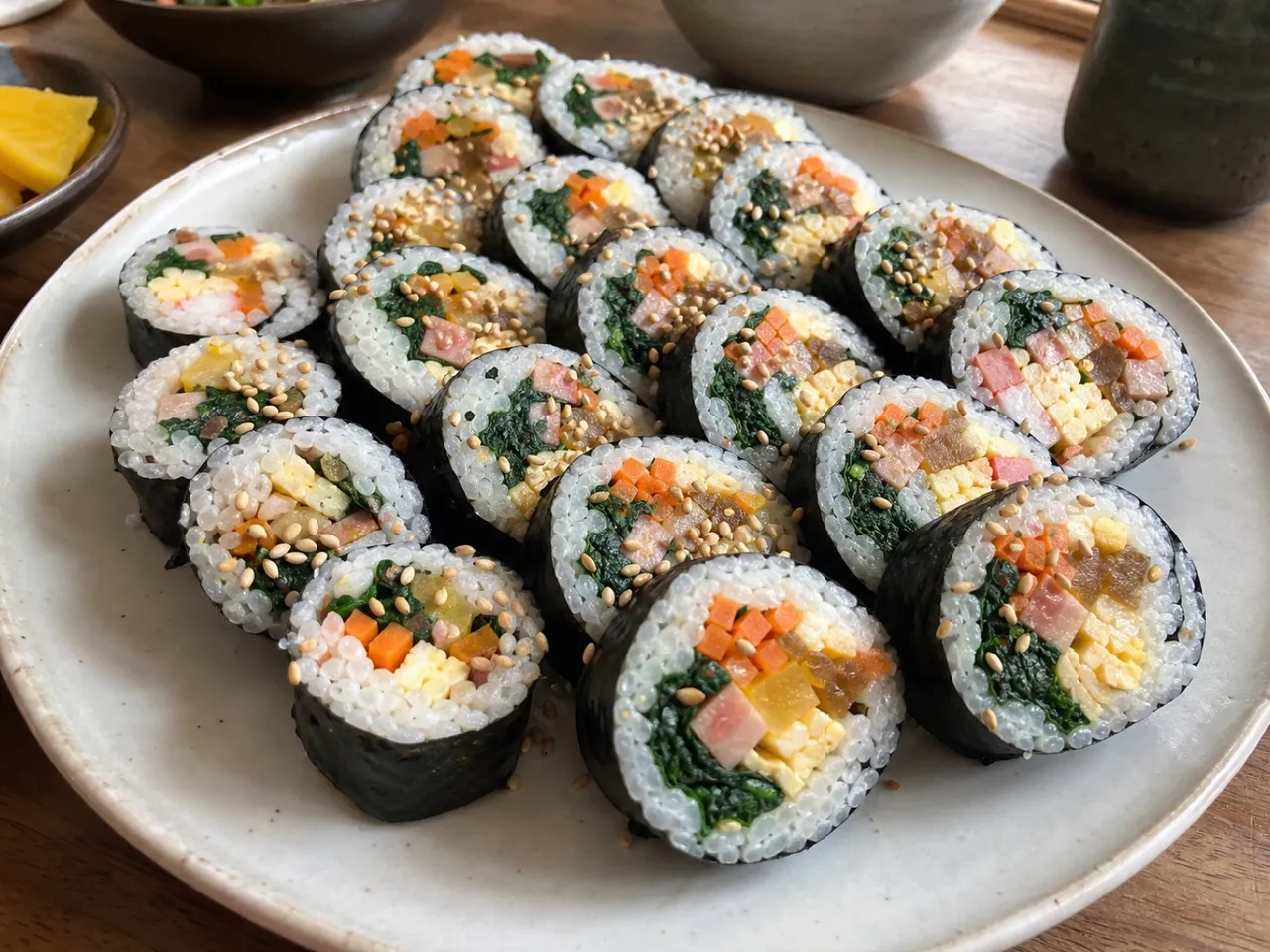 Serving Images are for illustrative purposes only, may be inaccurate, and do not guarantee the presence or absence of specific ingredients.
 Gimbap (Korean Seaweed Rice Rolls)
A Korean dish made from cooked rice and ingredients such as vegetables, fish, and meats that are rolled in gim (dried sheets of seaweed) and served in bite-sized slices.
Contains common allergens
In the app, Listahan checks these against your household automatically.
Instructions
7 steps- 1
Transfer the warm rice to a large bowl, gently folding in the sesame oil and salt until evenly coated. Let it cool to room temperature.
- 2
Blanch the spinach for 30 seconds, squeeze out water, and season with a pinch of salt and sesame oil. Sauté the julienned carrots in a slightly oiled pan until softened.
- 3
Fry the beaten eggs into a flat omelet, then cut into long, 1/2-inch thick strips. Briefly pan-fry the imitation crab sticks.
- 4
Place a bamboo rolling mat flat on a clean surface. Lay one sheet of seaweed shiny-side down.
- 5
Spread about 3/4 cup of the seasoned rice evenly over the seaweed, leaving the top 1.5 inches bare to seal the roll.
- 6
Arrange the spinach, carrots, egg strips, crab, and pickled radish horizontally across the bottom third of the rice.
- 7
Roll the bamboo mat tightly from the bottom up, squeezing gently but firmly to shape the roll into a cylinder. Rub a little sesame oil on the outside and slice into 1/2-inch pieces with a wet, sharp knife.
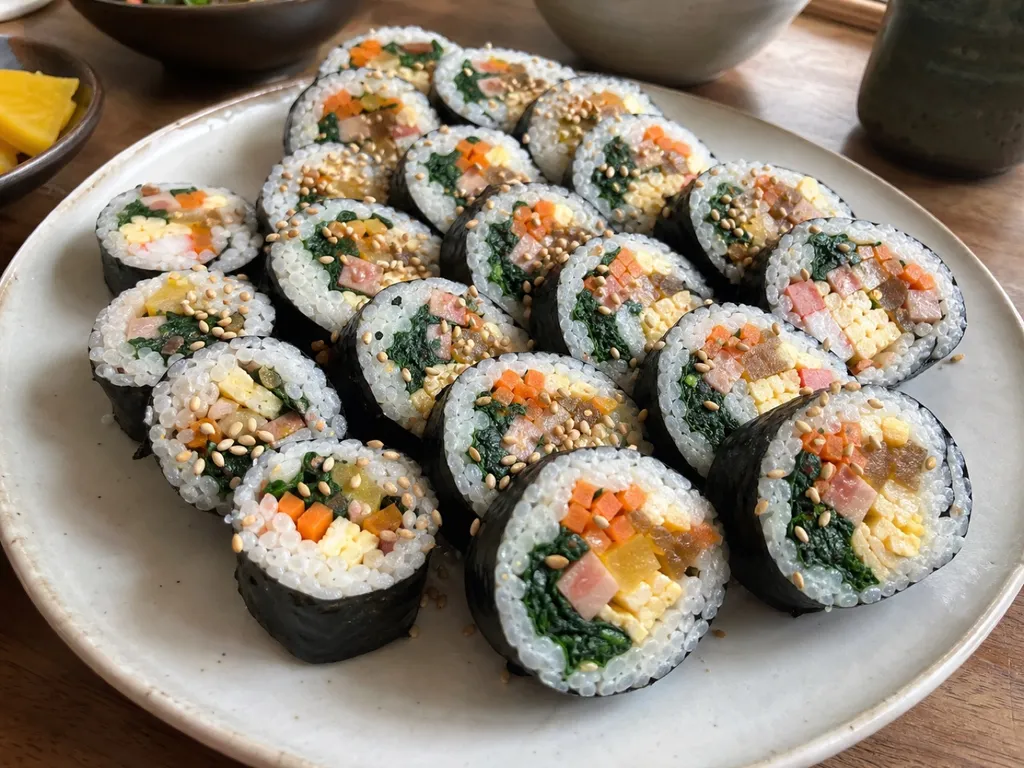 Images are for illustrative purposes only, may be inaccurate, and do not guarantee the presence or absence of specific ingredients.
 Listahan Family Score™
57/100
Works for many families
Score reflects how well this recipe fits a typical busy household. In the app, your Family Score is personalized to your household's allergens, kids, and pantry.
Nutrition
per serving625
Calories
15 g
Protein
113 g
Carbs
11 g
Fat
Estimated per serving. Actual values depend on the brands and portions you use.
Listahan cooking guide
Chef notes & practical guide
Technique notes, ingredient swaps, serve-alongside ideas, storage guidance, and equipment for this recipe.
Cultural context
Gimbap is the Korean seaweed-and-rice roll packed with colorful fillings, the quintessential picnic and lunchbox food. Though it shares a form with Japanese maki, its rice is seasoned with sesame oil and salt rather than vinegar, giving it a distinct savory-nutty character. Every family has its preferred lineup of fillings.
Listahan note
This version seasons the rice with sesame oil and salt the Korean way and packs in a balanced lineup of egg, vegetables, and pickled radish for color and crunch in every slice.
Technique cues
- Season the rice with sesame oil and salt, not vinegar, for authentic flavor.
- Spread the rice thin and leave a bare strip at the top edge to seal the roll.
- Brush the finished roll with sesame oil and slice with a sharp, lightly oiled knife.
Kitchen flow
- Parallel prep
- Cook the egg, carrot, and spinach and cut all fillings before assembling.
- Make-ahead
- Best eaten within a day; the rice firms up if refrigerated long.
- Leftover move
- Dip leftover slices in egg and pan-fry for gimbap jeon.
- Cleanup rhythm
- Wipe the knife between cuts; rinse the rolling mat promptly.
Ingredient brief
Role, handling, and swap guidance for each key ingredient.
Gim (roasted seaweed)
Wrapper
Purpose: Holds the roll and adds a toasty, savory note.
Handling: Keep sheets dry until rolling so they stay crisp.
Adaptation: Use sushi nori if Korean gim is unavailable.
Short-grain rice
Base
Purpose: Sticky rice binds the roll and carries the sesame seasoning.
Handling: Season warm rice with sesame oil and salt and let it cool slightly.
Adaptation: Brown rice works for a heartier roll.
Egg, crab stick, pickled radish
Fillings
Purpose: Provide the color, savory, and tangy-crunchy contrast in each slice.
Handling: Cut everything into long, even strips.
Adaptation: Use any mix of cooked vegetables and protein you like.
Carrot and spinach
Vegetable fillings
Purpose: Add color and freshness to balance the richer fillings.
Handling: Saute the carrot and season the blanched spinach.
Adaptation: Cucumber adds raw crunch.
Technique notes
- Do not overfill, or the roll will not close.
- Press firmly but gently while rolling so the slices hold together.
- Slice with a clean, oiled knife to avoid tearing the seaweed.
Ingredient swaps
- Vegetarian direction
- Skip the crab stick and add more egg, mushrooms, or pickled vegetables.
- Shellfish-free direction
- Replace the imitation crab with cooked beef bulgogi or tuna.
- Lower-carb direction
- Use cauliflower rice, accepting a more delicate roll.
Serve alongside
- Tteokbokki
- Danmuji (pickled radish)
- Kimchi
- Fish cake soup
- Barley tea
- Cold water
- Cold soda
Serving suggestions only — check pairings for your household's allergens.
Storage & reheating
- Best within a day; refrigerate up to 1 day, knowing the rice firms.
- Bring to room temperature or pan-fry slices to refresh them.
- Freezing is not recommended.
Equipment
- Bamboo rolling mat
- Sharp knife
- Skillet for egg and carrot
- Rice cooker or pot
Make this household-aware
Listahan Pro checks this recipe against your household's allergens, finds pantry-aware swaps, builds the shopping list, and helps you plan the week around it.
Plan it in Listahan
Add Gimbap (Korean Seaweed Rice Rolls) to your week, check it against your household's allergens, and build the shopping list automatically.
More Korean recipes
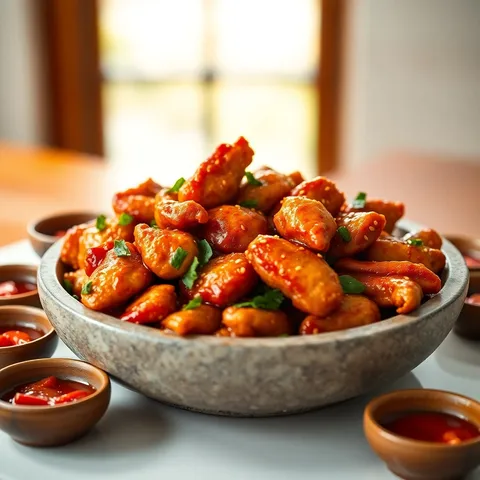 Korean Lens Verified Images are for illustrative purposes only, may be inaccurate, and do not guarantee the presence or absence of specific ingredients.
 Dakgalbi (Spicy Stir-fried Chicken)
Diced chicken marinated in a gochujang-based sauce, stir-fried with sweet potatoes, cabbage, perilla leaves, and tteok.
 Korean Lens Verified Images are for illustrative purposes only, may be inaccurate, and do not guarantee the presence or absence of specific ingredients.
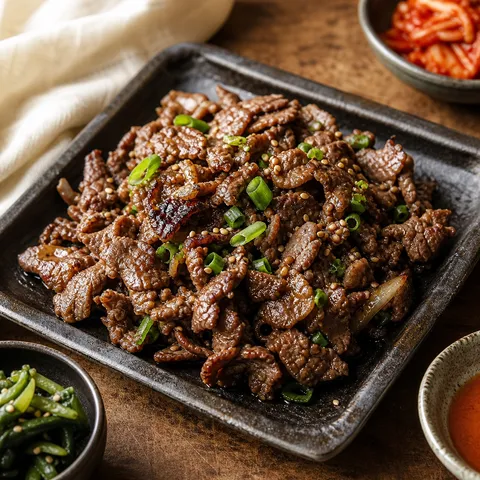
 Bulgogi (Marinated Beef BBQ)
Thinly sliced, marinated beef ribeye or sirloin grilled or stir-fried. Sweet, savory, and tender.
 Korean Lens Verified Images are for illustrative purposes only, may be inaccurate, and do not guarantee the presence or absence of specific ingredients.
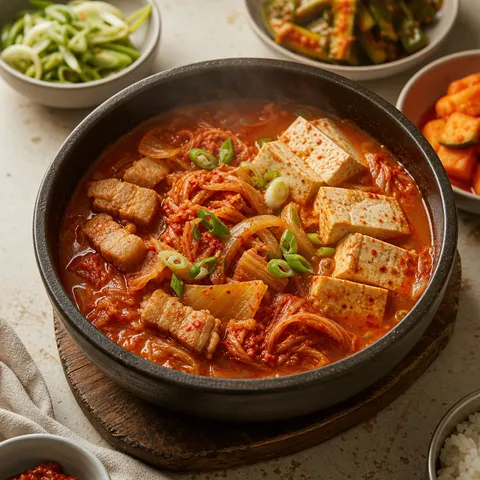
 Kimchi Jjigae (Kimchi Stew)
A classic, comforting stew made with aged kimchi, pork or seafood, scallions, onions, and diced tofu.