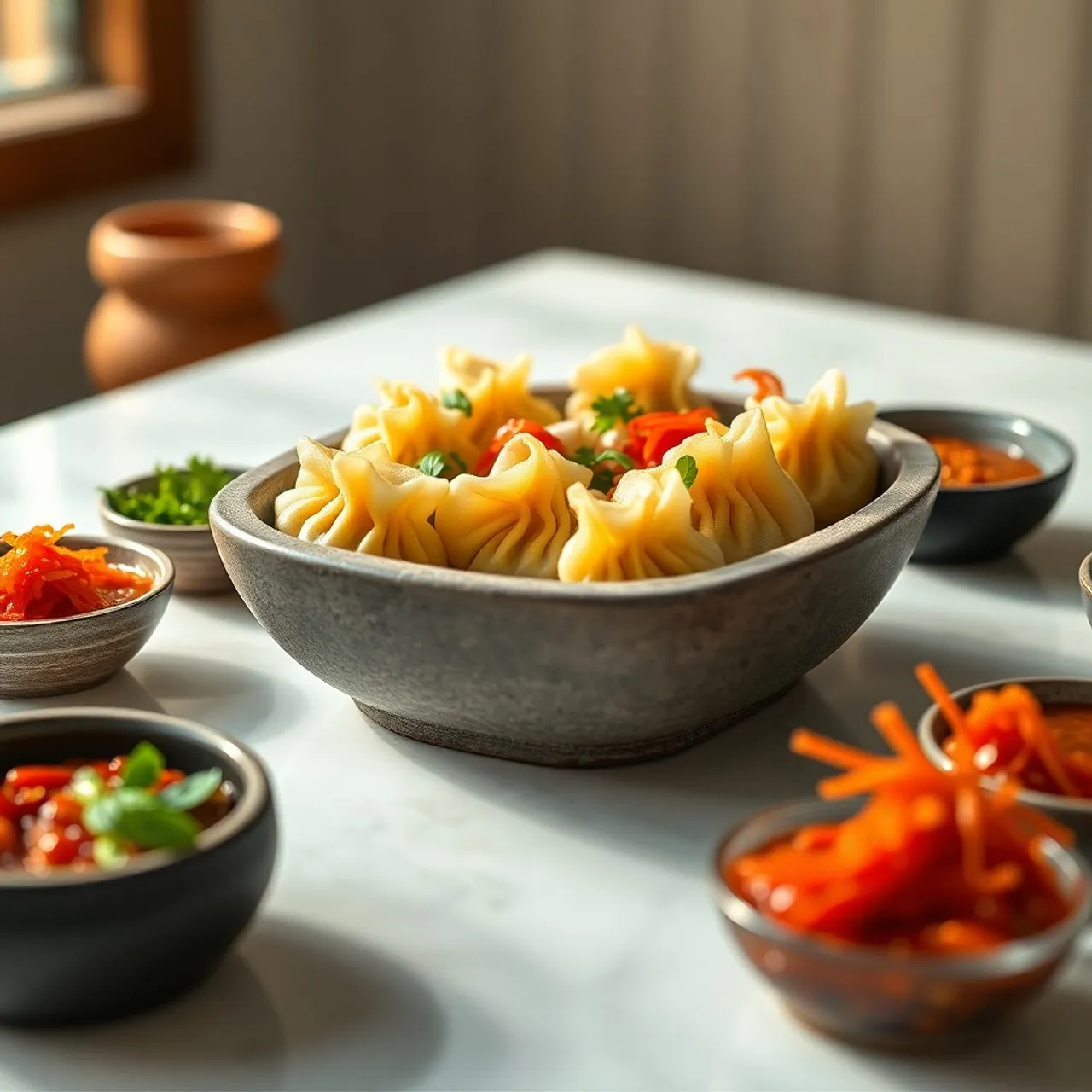
 Korean Images are for illustrative purposes only, may be inaccurate, and do not guarantee the presence or absence of specific ingredients.
 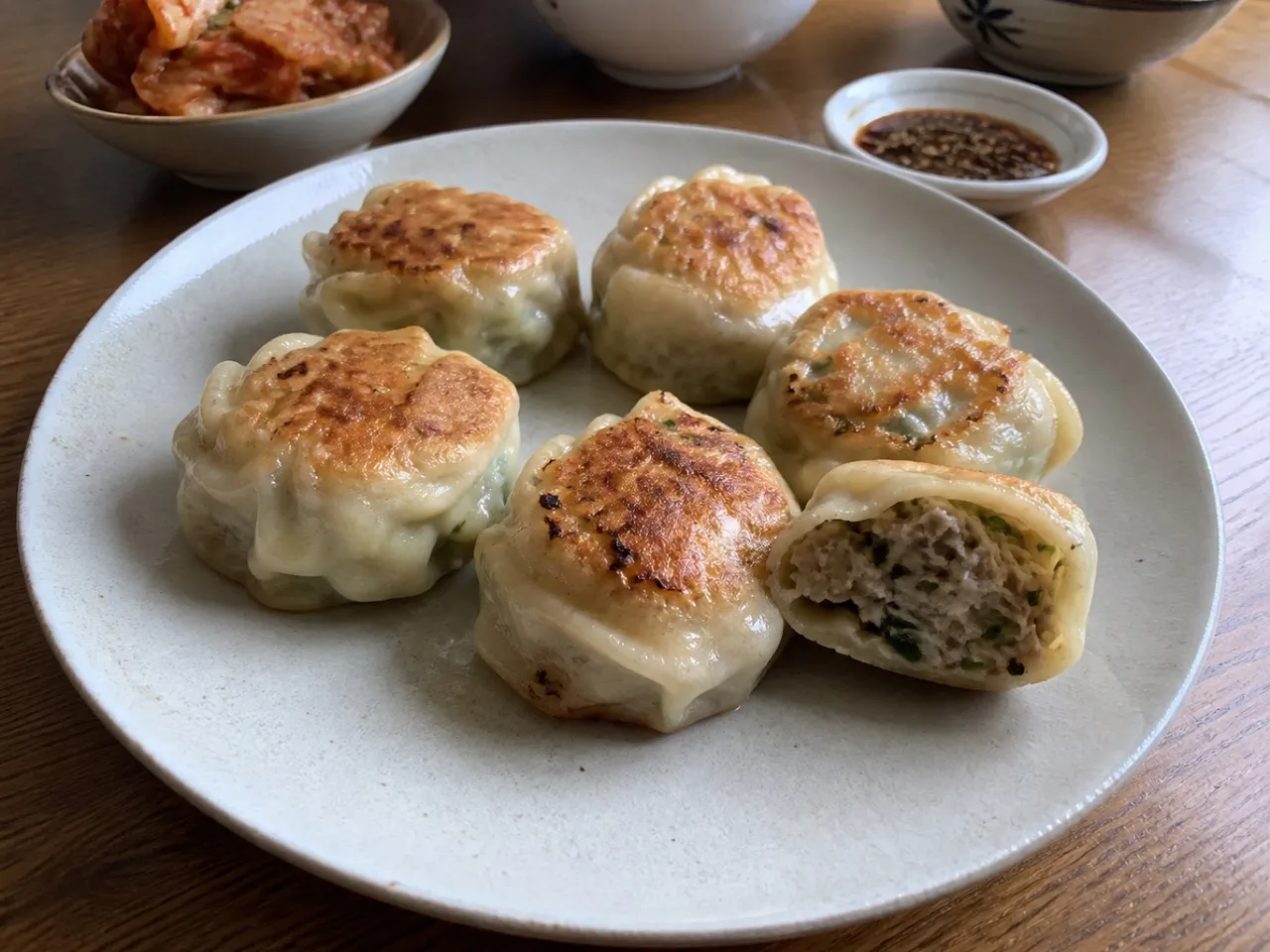 Serving Images are for illustrative purposes only, may be inaccurate, and do not guarantee the presence or absence of specific ingredients.
 Mandu (Korean Dumplings)
Dumplings filled with a mixture of meat and vegetables, which can be boiled, steamed, or pan-fried.
Contains common allergens
In the app, Listahan checks these against your household automatically.
Instructions
6 steps- 1
Wrap the firm tofu in a clean cheesecloth and squeeze vigorously to remove as much moisture as possible. Crumble into a large mixing bowl.
- 2
Add the chopped boiled glass noodles, ground pork, ground beef, chopped garlic chives, minced garlic, soy sauce, and sesame oil to the tofu.
- 3
Mix the filling aggressively by hand for 3-4 minutes until it becomes slightly sticky and pale in color, ensuring a cohesive texture.
- 4
Place one wrapper in your palm, wet the edges with a fingertip dipped in water, and place a heaping tablespoon of filling in the center.
- 5
Fold the wrapper in half to form a half-moon, pinching the edges tightly to seal. You can crimp or pleat the edges for a decorative look.
- 6
To cook, steam in a bamboo steamer lined with parchment paper over boiling water for 10-12 minutes, or pan-fry in a little oil until the bottoms are crispy and the filling is cooked through.
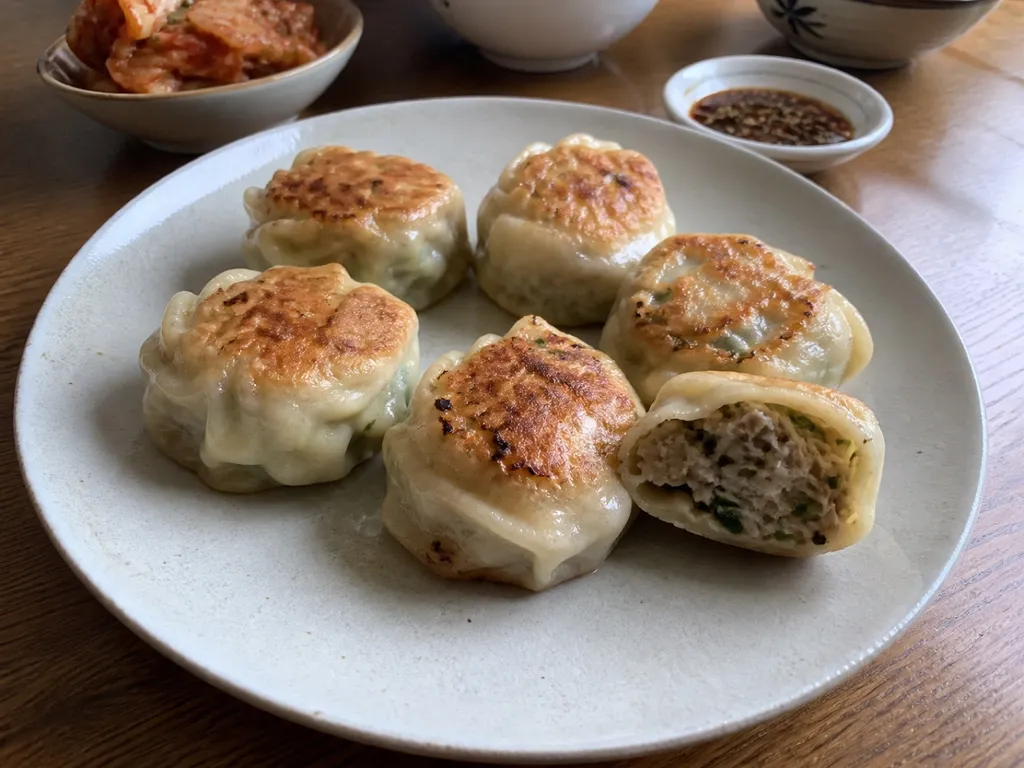 Images are for illustrative purposes only, may be inaccurate, and do not guarantee the presence or absence of specific ingredients.
 Listahan Family Score™
75/100
Good fit for most families
Score reflects how well this recipe fits a typical busy household. In the app, your Family Score is personalized to your household's allergens, kids, and pantry.
Nutrition
per serving975
Calories
70 g
Protein
88 g
Carbs
37 g
Fat
Estimated per serving. Actual values depend on the brands and portions you use.
Listahan cooking guide
Chef notes & practical guide
Technique notes, ingredient swaps, serve-alongside ideas, storage guidance, and equipment for this recipe.
Cultural context
Mandu are Korean dumplings filled with pork, tofu, and vegetables, eaten steamed, boiled, pan-fried, or dropped into soup. Carried along the Silk Road centuries ago, they became a staple, especially around the Lunar New Year. The mix of meat, tofu, and glass noodles in the filling is distinctly Korean.
Listahan note
This version balances pork and beef with tofu and glass noodles for a tender, well-seasoned filling, sealed tight so the dumplings hold up to any cooking method.
Technique cues
- Squeeze moisture from the tofu and vegetables so the filling is not watery.
- Seal the wrappers tightly so they do not burst while cooking.
- For pan-fried mandu, crisp the bottoms then add a splash of water to steam through.
Kitchen flow
- Parallel prep
- Make the filling and set up a folding station before shaping.
- Make-ahead
- Freeze raw mandu on a tray, then cook from frozen anytime.
- Leftover move
- Drop leftover mandu into broth for a quick mandu-guk.
- Cleanup rhythm
- Fold over one board; the steamer or pan rinses easily.
Ingredient brief
Role, handling, and swap guidance for each key ingredient.
Ground pork and beef
Main filling
Purpose: The blend gives a savory, juicy filling.
Handling: Mix with the seasonings until just combined.
Adaptation: Use all pork, or omit meat for a vegetable mandu.
Tofu
Filling body
Purpose: Lightens the filling and keeps it tender.
Handling: Crumble and squeeze out excess water.
Adaptation: More vegetables can replace the tofu.
Garlic chives and glass noodles
Filling texture
Purpose: Add freshness and a pleasant chew.
Handling: Chop the chives and the boiled noodles finely.
Adaptation: Cabbage or scallion can stand in for the chives.
Dumpling wrappers
Wrapper
Purpose: Hold the filling and crisp or soften depending on the method.
Handling: Seal with a dab of water and press out air.
Adaptation: Make your own wrappers for thicker, chewier mandu.
Technique notes
- Drain the filling well; watery filling makes soggy, bursting dumplings.
- Do not overfill; a modest spoonful seals best.
- Cook frozen mandu directly without thawing for the best shape.
Ingredient swaps
- Vegetarian direction
- Fill with tofu, mushrooms, and extra vegetables; skip the meat.
- Gluten-free direction
- Use rice-paper or gluten-free wrappers and a tamari-based dip.
- Lighter direction
- Steam or boil rather than pan-fry to cut the oil.
Serve alongside
- Soy-vinegar dipping sauce
- Kimchi
- Tteokguk
- Tteokbokki
- Barley tea
- Light lager
- Soju
Serving suggestions only — check pairings for your household's allergens.
Storage & reheating
- Refrigerate cooked mandu up to 3 days; freeze raw up to 2 months.
- Reheat by steaming or pan-frying; cook raw frozen mandu directly.
- Freezing raw dumplings is the best way to keep them.
Equipment
- Steamer or skillet
- Mixing bowl
- Cutting board
- Tray for freezing
Make this household-aware
Listahan Pro checks this recipe against your household's allergens, finds pantry-aware swaps, builds the shopping list, and helps you plan the week around it.
Plan it in Listahan
Add Mandu (Korean Dumplings) to your week, check it against your household's allergens, and build the shopping list automatically.
More Korean recipes
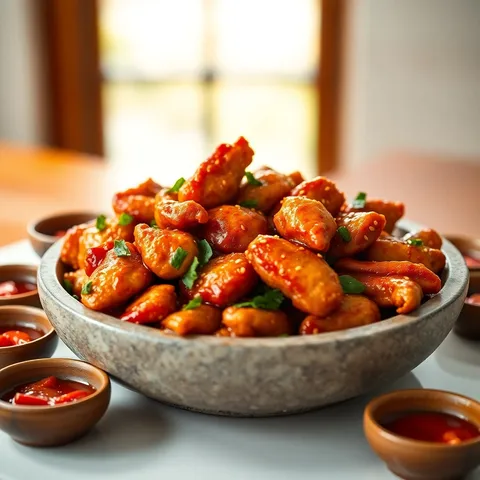 Korean Lens Verified Images are for illustrative purposes only, may be inaccurate, and do not guarantee the presence or absence of specific ingredients.
 Dakgalbi (Spicy Stir-fried Chicken)
Diced chicken marinated in a gochujang-based sauce, stir-fried with sweet potatoes, cabbage, perilla leaves, and tteok.
 Korean Lens Verified Images are for illustrative purposes only, may be inaccurate, and do not guarantee the presence or absence of specific ingredients.
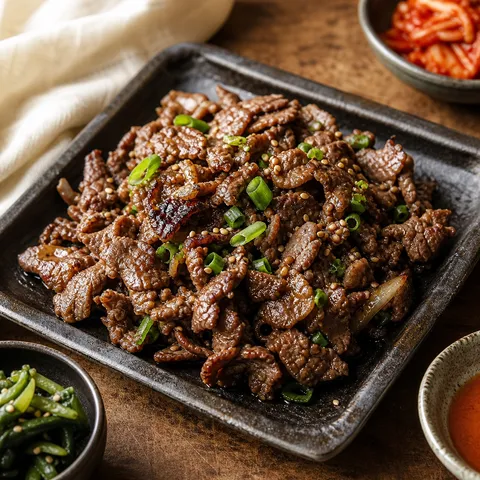
 Bulgogi (Marinated Beef BBQ)
Thinly sliced, marinated beef ribeye or sirloin grilled or stir-fried. Sweet, savory, and tender.
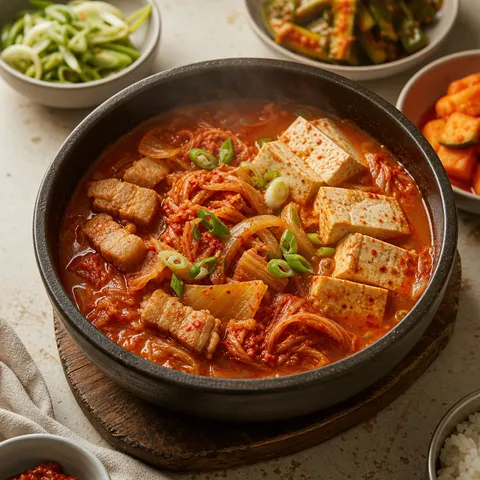 Korean Lens Verified Images are for illustrative purposes only, may be inaccurate, and do not guarantee the presence or absence of specific ingredients.
 Kimchi Jjigae (Kimchi Stew)
A classic, comforting stew made with aged kimchi, pork or seafood, scallions, onions, and diced tofu.