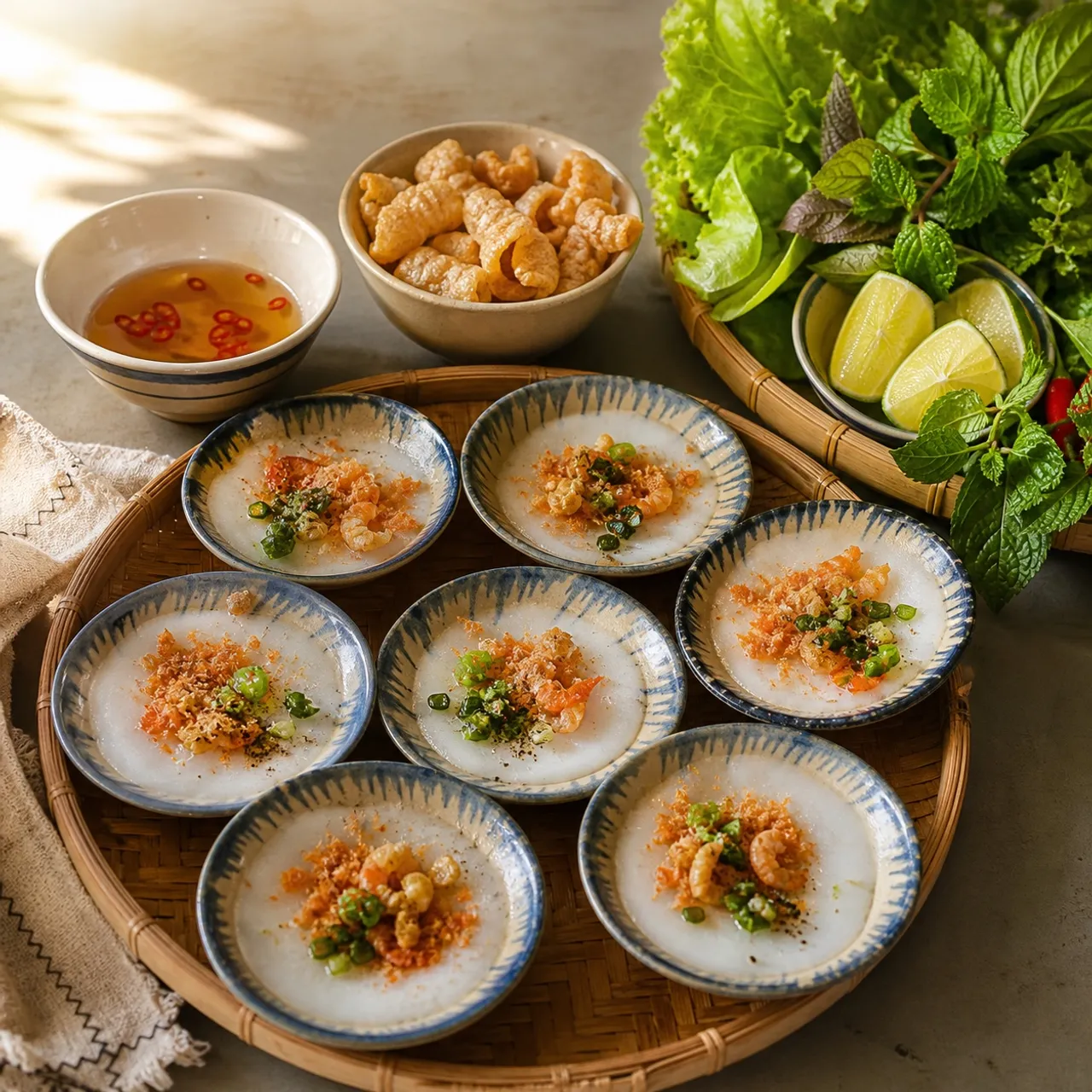
 Vietnamese Images are for illustrative purposes only, may be inaccurate, and do not guarantee the presence or absence of specific ingredients.
 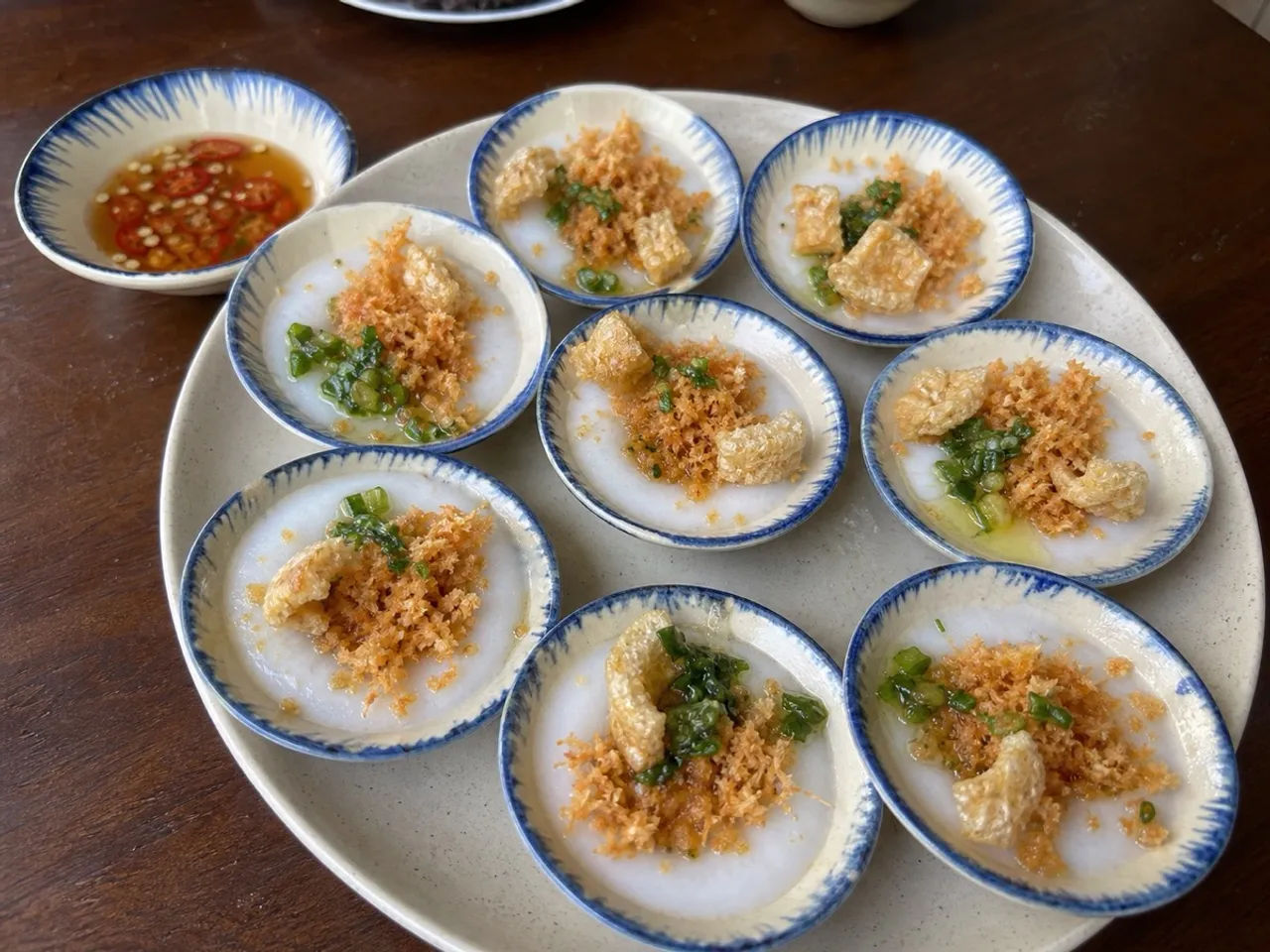 Serving Images are for illustrative purposes only, may be inaccurate, and do not guarantee the presence or absence of specific ingredients.
 Bánh Bèo (Water Fern Cake)
Small steamed savory rice cakes topped with dried shrimp, scallion oil, and crispy pork skin.
Contains common allergens
In the app, Listahan checks these against your household automatically.
Good to know
- Crispy
Matched from this dish's own ingredients and timing. Browse more: crispy recipes
Instructions
6 steps- 1
Mix Batter: Combine rice flour, tapioca starch, and cold water. Let sit for 30 minutes. Just before cooking, stir in the boiling water and a pinch of salt.
- 2
Prepare Shrimp Topping: Drain the soaked dried shrimp. Pound them in a mortar or pulse in a food processor until fluffy. Toast the shrimp fluff in a dry skillet over low heat until completely dry and vibrantly orange.
- 3
Heat Small Cups: Place small, shallow ceramic Bánh Bèo cups in a steamer basket. Steam them empty for 2 minutes to get them piping hot.
- 4
Steam Cakes: Carefully pour the thin batter into the hot cups, filling them halfway. Steam over high heat for 4-5 minutes until the batter turns opaque white and forms a slight dimple in the center.
- 5
Garnish: Remove the cups from the steamer. Spoon a small amount of scallion oil onto each cake. Sprinkle generously with the toasted dried shrimp fluff and top with a piece of crispy pork rind.
- 6
Serve: Serve the cakes directly in their cups. To eat, drizzle Nước Chấm over the top and use a small spoon to scoop the cake out of the cup.
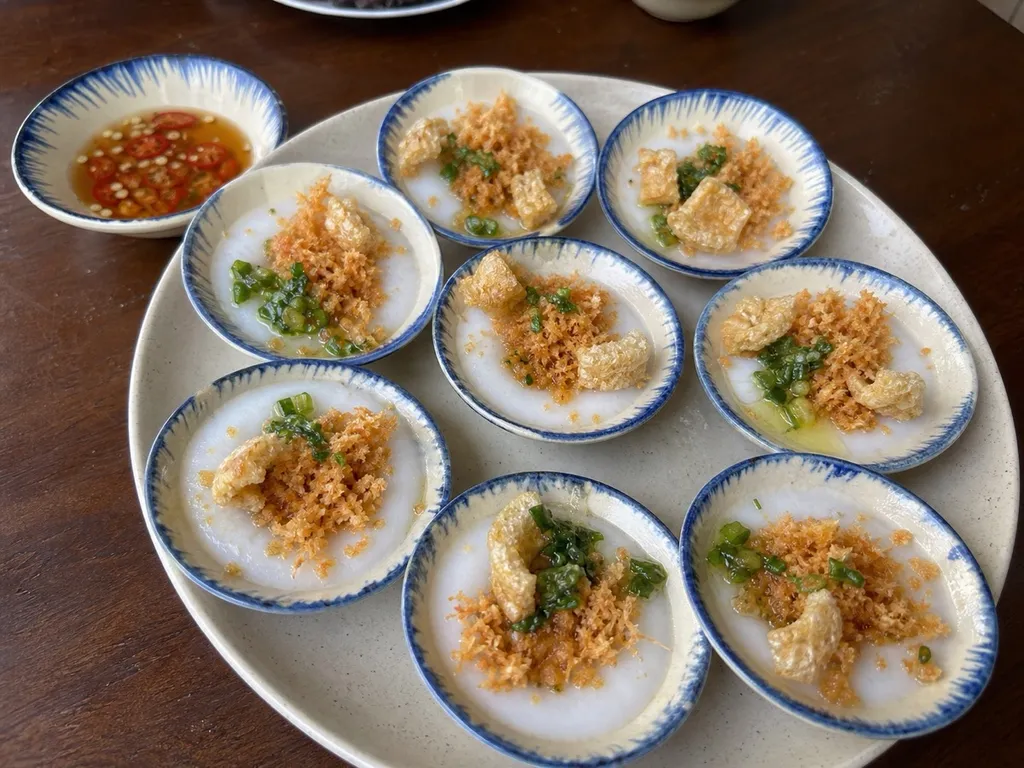 Images are for illustrative purposes only, may be inaccurate, and do not guarantee the presence or absence of specific ingredients.
 Listahan Family Score™
70/100
Good fit for most families
Score reflects how well this recipe fits a typical busy household. In the app, your Family Score is personalized to your household's allergens, kids, and pantry.
Nutrition
per serving320
Calories
10 g
Protein
37 g
Carbs
15 g
Fat
Estimated per serving. Actual values depend on the brands and portions you use.
Listahan cooking guide
Chef notes & practical guide
Technique notes, ingredient swaps, serve-alongside ideas, storage guidance, and equipment for this recipe.
Cultural context
Bánh bèo is closely associated with central Vietnam, especially Huế, where small steamed rice cakes are served in shallow saucers with savory toppings and nước chấm. The name points to the water fern shape: thin, pale cakes with a slight dimple that catches scallion oil, shrimp, and sauce.
Listahan note
This version keeps the batter simple and focuses on the two details that make bánh bèo feel right: hot cups for a clean set and dry, fluffy shrimp topping for contrast.
Technique cues
- Resting the batter gives the rice flour time to hydrate, which helps the cakes steam up smooth instead of chalky.
- Preheating the cups matters because the thin batter starts setting as soon as it hits the dish, helping form the small center dimple.
- The toppings should be small and scattered, not piled high; bánh bèo is about soft cake, salty shrimp, scallion oil, crunch, and sauce in one spoonful.
Kitchen flow
- Parallel prep
- Soak the dried shrimp while the batter rests, then toast the shrimp topping while the steamer comes to a full boil.
- Make-ahead
- Prepare the shrimp topping and scallion oil earlier in the day; steam the cakes close to serving for the best texture.
- Leftover move
- Spoon leftover shrimp topping over rice bowls, congee, or scrambled eggs with a little scallion oil.
- Cleanup rhythm
- Rinse the batter bowl before it dries, then soak the small cups as soon as they are empty so the rice starch releases easily.
Ingredient brief
Role, handling, and swap guidance for each key ingredient.
Rice flour
Cake base
Purpose: Rice flour gives bánh bèo its soft, clean-tasting body and opaque white color.
Handling: Whisk it thoroughly with cold water first so no dry pockets remain before the boiling water goes in.
Adaptation: Do not replace it fully with glutinous rice flour, which would make the cakes sticky instead of tender.
Tapioca starch
Texture support
Purpose: A little tapioca starch adds light bounce so the cakes hold together when scooped.
Handling: Mix it evenly into the rice flour before adding water so the batter steams consistently.
Adaptation: Cornstarch can make a softer cake in a pinch, but the bite will be less springy.
Dried shrimp
Savory topping
Purpose: Soaked, pulverized dried shrimp brings the salty, concentrated seafood flavor that defines the topping.
Handling: Toast it slowly after pounding or pulsing until the bits look fluffy and dry rather than damp.
Adaptation: Finely chopped fried shallots can add crunch and aroma, but they will not give the same briny shrimp flavor.
Scallion oil (mỡ hành)
Aromatic finish
Purpose: The warm oil carries scallion flavor across each small cake and helps the dry shrimp topping cling.
Handling: Spoon on just enough to gloss the surface without pooling heavily in the cup.
Adaptation: A neutral oil warmed with thinly sliced scallions works if you do not have prepared mỡ hành.
Crispy pork rinds or fried bread croutons
Crunch topping
Purpose: The crisp piece gives contrast against the soft steamed cake and saucy finish.
Handling: Add it right before serving so it stays crisp for the first few bites.
Adaptation: Fried bread croutons give a lighter crunch and absorb nước chấm faster than pork rinds.
Sweetened fish sauce dipping sauce (Nước Chấm)
Serving sauce
Purpose: Nước chấm supplies the salty-sweet-tangy lift that wakes up the mild rice cakes.
Handling: Drizzle lightly at the table so each cup gets sauce without flooding the cake.
Adaptation: If the sauce tastes too strong, dilute it with a small splash of warm water rather than adding more sugar first.
Technique notes
- Keep the batter thin and stir it between batches because rice flour settles quickly at the bottom of the bowl.
- Steam over strong, steady heat; weak steam can leave the cakes flat and gummy instead of set with a clean surface.
- Use a small spoon to loosen the edge before eating, then scoop from the side toward the center so the toppings stay with the cake.
Ingredient swaps
- Cup workaround
- Use small ramekins or shallow dipping bowls if you do not have bánh bèo cups; keep the pour shallow so the cakes steam quickly.
- Crunch direction
- Choose crispy pork rinds for a richer bite or fried bread croutons for a cleaner crunch that softens into the sauce.
- Sauce adjustment
- For a brighter finish, add a little more lime or vinegar to the nước chấm; for a softer finish, dilute with warm water.
Serve alongside
- Vietnamese pickled carrot and daikon
- Cucumber herb salad
- Chả lụa slices
- Garlic morning glory
- Iced jasmine tea
- Lime soda
- Vietnamese iced coffee
Serving suggestions only — check pairings for your household's allergens.
Storage & reheating
- Refrigerate leftover steamed cakes covered, separate from the crunchy topping and nước chấm, for up to 2 days.
- Reheat the cups in a steamer until warm and soft again, then add scallion oil, shrimp topping, crunch, and sauce after reheating.
- Freeze the cooked cakes without toppings only if needed; thaw in the refrigerator and steam gently to refresh the texture.
Equipment
- Steamer basket with lid
- Small shallow ceramic cups or ramekins
- Mortar and pestle or food processor
- Small skillet for drying the shrimp topping
Make this household-aware
Listahan Pro checks this recipe against your household's allergens, finds pantry-aware swaps, builds the shopping list, and helps you plan the week around it.
Plan it in Listahan
Add Bánh Bèo (Water Fern Cake) to your week, check it against your household's allergens, and build the shopping list automatically.
More Vietnamese recipes
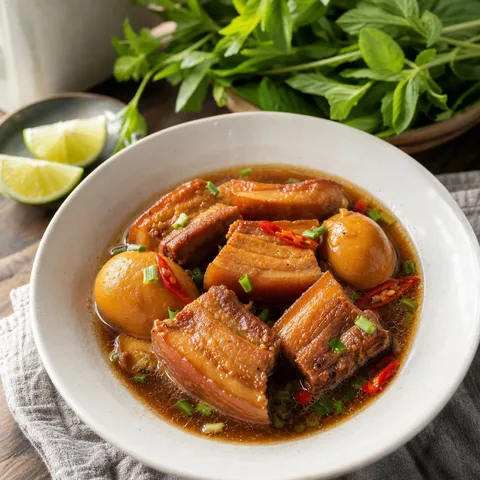 Vietnamese Lens Verified Images are for illustrative purposes only, may be inaccurate, and do not guarantee the presence or absence of specific ingredients.
 Thịt Kho Tàu (Caramelized Pork and Eggs)
Meltingly tender pork belly and hard-boiled eggs braised in a rich, sweet, and savory coconut juice caramel, perfect over steamed rice.
 Vietnamese Lens Verified Images are for illustrative purposes only, may be inaccurate, and do not guarantee the presence or absence of specific ingredients.
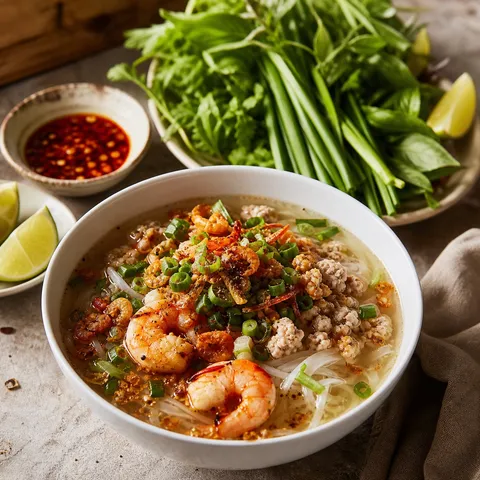
 Hủ Tiếu (Pork and Seafood Noodle Soup)
A Vietnamese pork-bone broth noodle soup loaded with ground pork, shrimp, and dried shrimp over chewy tapioca noodles, finished with garlic chives and fried garlic.
 Vietnamese Lens Verified Images are for illustrative purposes only, may be inaccurate, and do not guarantee the presence or absence of specific ingredients.
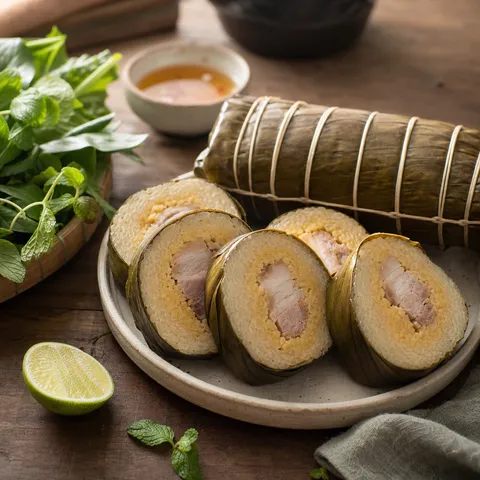
 Bánh Tét (Cylindrical Sticky Rice Cake)
The Southern equivalent of Bánh Chưng, rolled into a cylinder.