 Vietnamese Images are for illustrative purposes only, may be inaccurate, and do not guarantee the presence or absence of specific ingredients.
  Serving Images are for illustrative purposes only, may be inaccurate, and do not guarantee the presence or absence of specific ingredients.
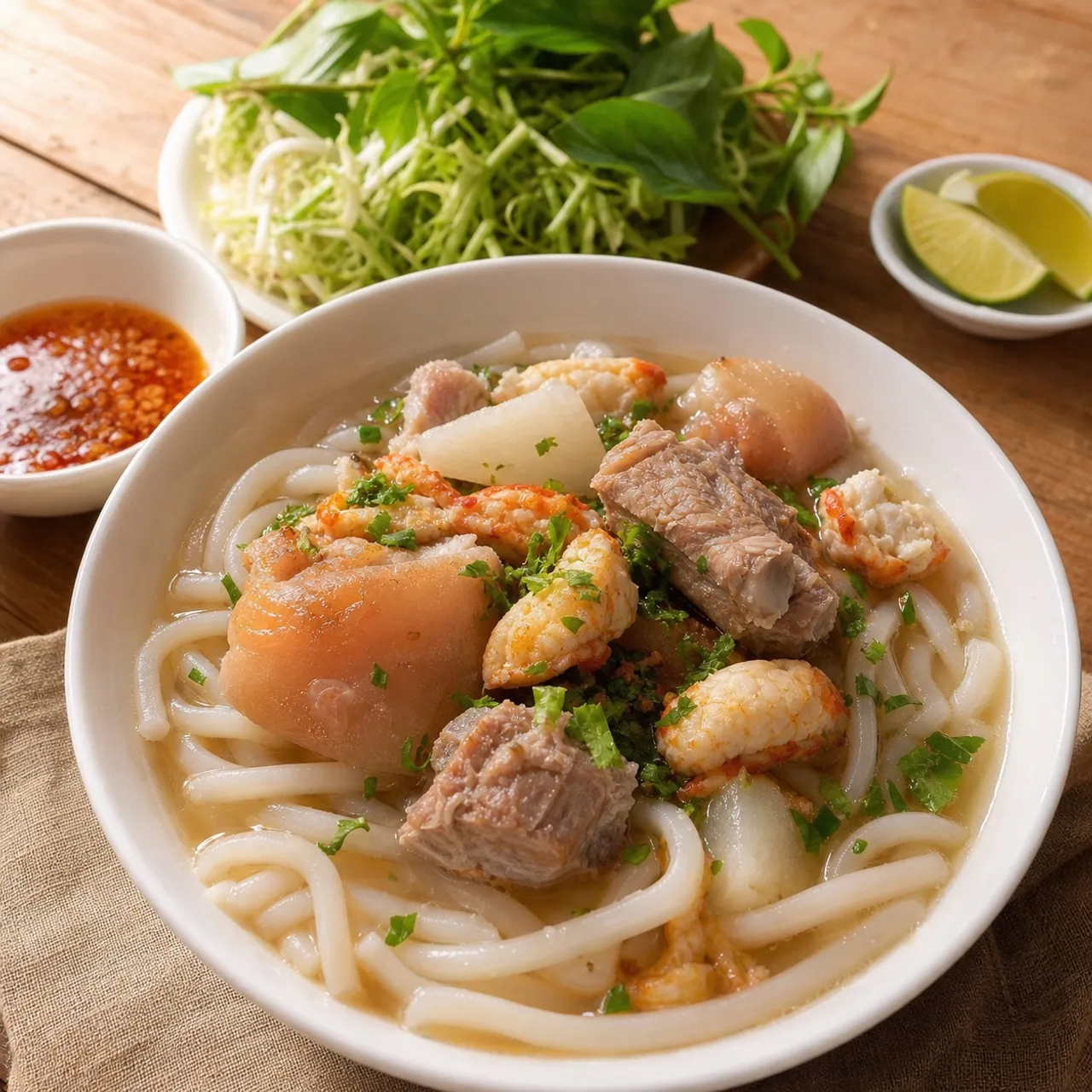
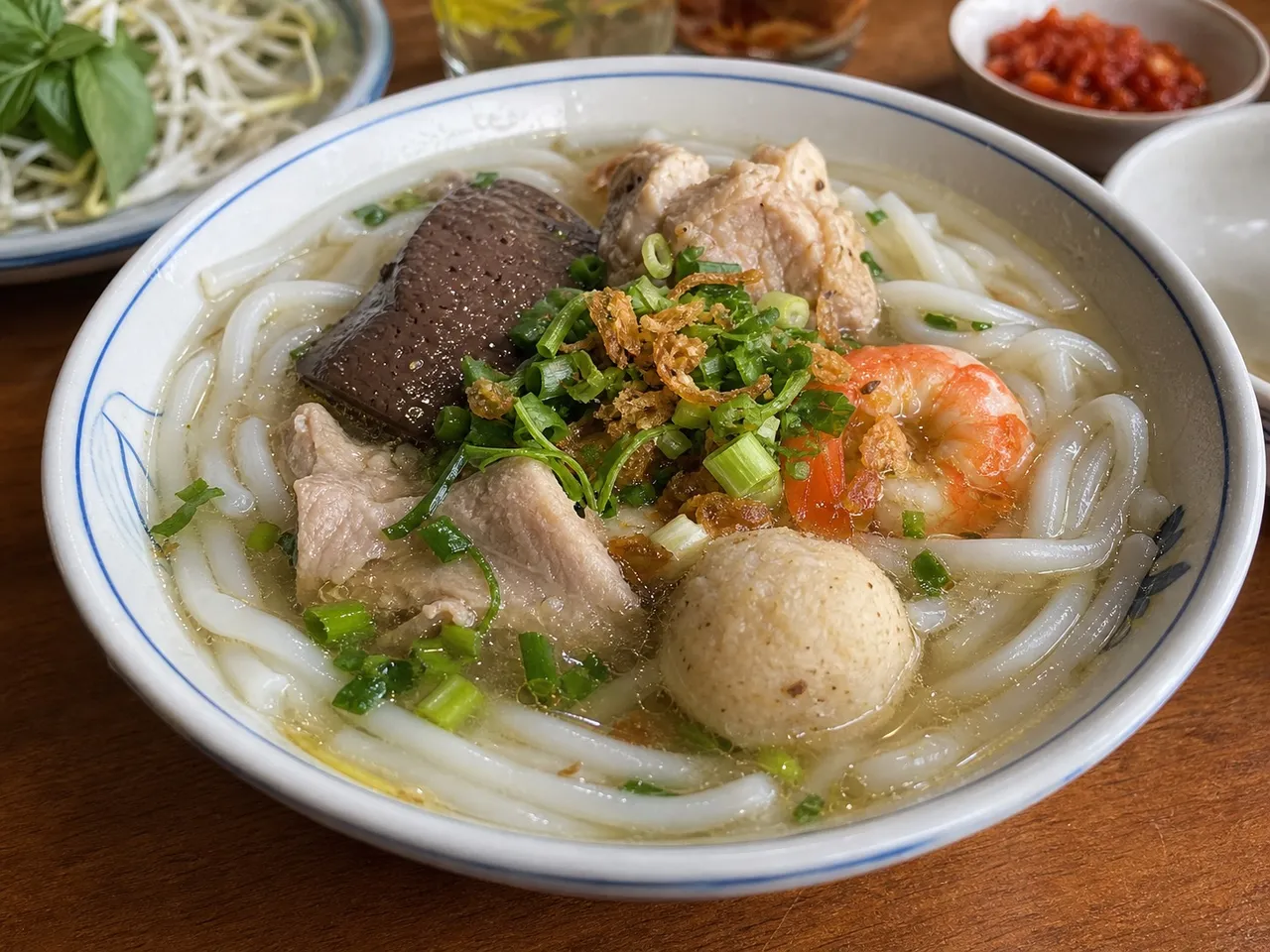
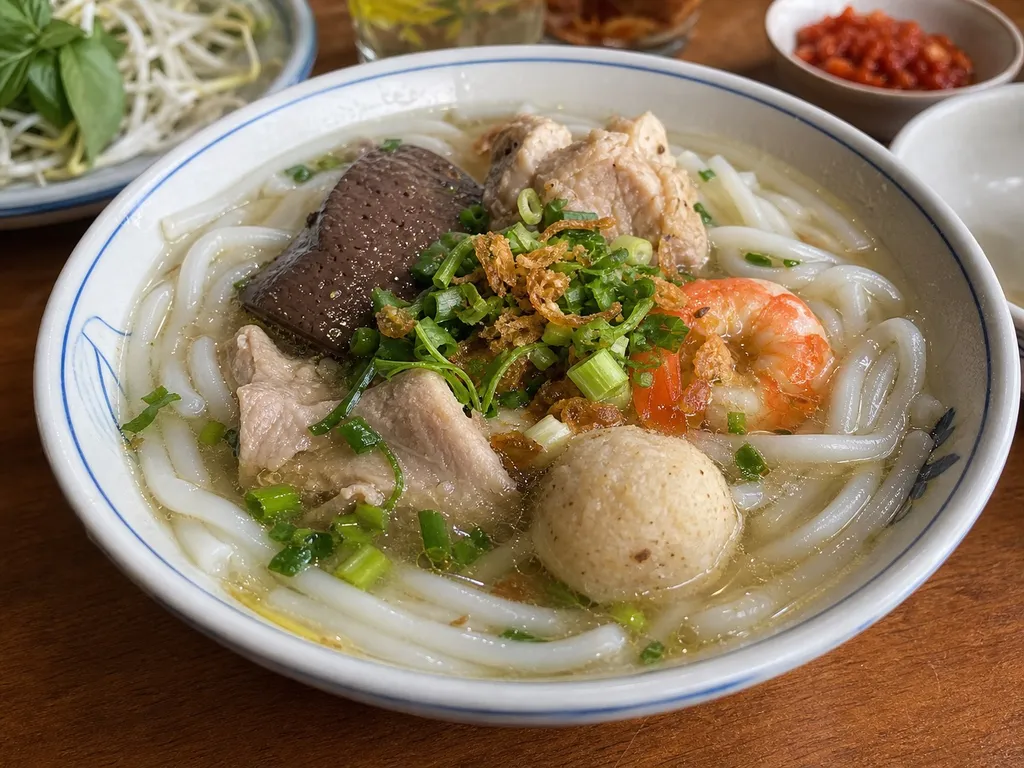
 Bánh Canh (Thick Noodle Soup)
Thick noodle soup made from tapioca flour or a mixture of rice and tapioca flour.
Contains common allergens
In the app, Listahan checks these against your household automatically.
Instructions
6 steps- 1
Parboil Pork: Boil the pork hocks and spare ribs for 5 minutes. Drain, scrub clean, and rinse under cold water.
- 2
Make Broth: Place the cleaned pork back in a large pot with 4 quarts of water. Add the daikon chunks, fish sauce, and rock sugar. Bring to a boil, reduce to a simmer, and cook for 1.5 hours until the pork hocks are tender and gelatinous.
- 3
Cook Seafood: In a small skillet, heat the annatto oil. Briefly sauté the crab meat or shrimp just until cooked, then set aside.
- 4
Prepare Noodles: If using fresh noodles, rinse them in hot water. If using dried, boil them in a separate pot until chewy and translucent, then drain.
- 5
Combine: Add the cooked noodles directly to the simmering pork broth. Let them cook in the broth for 5 minutes so the soup thickens slightly from the tapioca starch.
- 6
Serve: Ladle the thick soup, noodles, and pork knuckles into bowls. Top with the sautéed crab/shrimp, a dash of black pepper, and a generous handful of scallions and cilantro.
 Images are for illustrative purposes only, may be inaccurate, and do not guarantee the presence or absence of specific ingredients.
 Listahan Family Score™
67/100
Works for many families
Score reflects how well this recipe fits a typical busy household. In the app, your Family Score is personalized to your household's allergens, kids, and pantry.
Nutrition
per serving600
Calories
54 g
Protein
39 g
Carbs
24 g
Fat
Estimated per serving. Actual values depend on the brands and portions you use.
Listahan cooking guide
Chef notes & practical guide
Technique notes, ingredient swaps, serve-alongside ideas, storage guidance, and equipment for this recipe.
Cultural context
Bánh canh is a Vietnamese thick noodle soup built around short, chewy noodles made from tapioca starch, rice flour, or a mix of the two. The style changes by region and household: some bowls lean on crab, some on pork bones and hocks, and many use a clear but full-bodied broth rather than a heavily spiced one.
Listahan note
This version keeps the bowl generous and practical: pork hocks and ribs build body, daikon sweetens the broth quietly, and crab meat or shrimp gives the finished bowl a seafood lift without taking over.
Technique cues
- Parboiling and scrubbing the pork is worth the extra pot work because it gives the final broth a cleaner taste and clearer look.
- Add the noodles near the end, not at the start. Tapioca starch thickens the broth quickly, and long cooking can make the soup gummy.
- Annatto oil is mostly about color here. Briefly sauteing the seafood in it gives the topping a warm orange tint without needing a heavy sauce.
Kitchen flow
- Parallel prep
- Start the pork broth first, then prep herbs, rinse or boil the noodles, and cook the seafood while the hocks finish becoming tender.
- Make-ahead
- Make the pork broth and cooked pork ahead, then chill them separately from the noodles and herbs so the texture stays clean.
- Leftover move
- Turn extra pork and broth into a smaller lunch bowl with fresh noodles, or ladle the broth over rice with herbs and black pepper.
- Cleanup rhythm
- Use one large broth pot, one noodle pot, and one small skillet; wash the noodle pot soon after draining because tapioca starch gets sticky as it cools.
Ingredient brief
Role, handling, and swap guidance for each key ingredient.
Bánh Canh noodles
Chewy starch base
Purpose: These thick tapioca or rice-tapioca noodles give the soup its signature slippery, stretchy texture.
Handling: Rinse fresh noodles with hot water, or boil dried noodles separately until chewy before adding them to the broth.
Adaptation: Udon noodles can stand in for chew, though they will taste wheatier and will not thicken the broth the same way.
Pork hocks or knuckles
Broth body and main meat
Purpose: The skin, bone, and connective tissue make the broth feel rounded and give the bowl its gelatinous pork richness.
Handling: Parboil, drain, scrub, and rinse them before the long simmer so the broth stays cleaner.
Adaptation: Pork shoulder pieces give more lean meat but less natural body in the broth.
Pork spare ribs
Meaty broth builder
Purpose: Ribs add pork flavor and easier-to-eat pieces alongside the richer hock meat.
Handling: Cut them small enough for bowls and simmer gently so the meat stays attached but tender.
Adaptation: Pork neck bones can build a similar broth, though they give less neat serving pieces.
Crab meat or peeled shrimp
Seafood topping
Purpose: A small amount adds sweetness and contrast to the pork broth without turning the whole pot into a seafood soup.
Handling: Cook it briefly in annatto oil and hold it aside so it stays tender when served.
Adaptation: Use only crab for a softer, sweeter bowl or only shrimp for a firmer, cleaner bite.
Daikon radish
Broth sweetener
Purpose: Daikon softens the porkiness of the broth and adds a gentle vegetable sweetness.
Handling: Cut it into large chunks so it can simmer without disappearing into the soup.
Adaptation: Carrot gives more sweetness and color, but it changes the broth toward a rounder, less traditional flavor.
Fish sauce
Primary seasoning
Purpose: Fish sauce seasons the broth with saltiness and savory depth in a way plain salt cannot match.
Handling: Add it early enough to season the simmering pork, then adjust lightly at the end if the broth tastes flat.
Adaptation: Soy sauce changes the flavor darker and less briny, so use it only when you want a different profile.
Technique notes
- Keep the broth at a steady simmer rather than a hard boil after the first boil. A rough boil can make the broth cloudier and break up the daikon.
- Taste after the noodles have simmered in the broth for a few minutes. The starch changes the body of the soup and can soften the seasoning.
- Serve the herbs at the very end so the scallions stay sharp and the cilantro stays fresh against the rich pork broth.
Ingredient swaps
- Weeknight shortcut
- Use good prepared pork broth with spare ribs and skip the hocks if you need a faster pot, but expect a lighter body.
- Noodle backup
- Use fresh udon when bánh canh noodles are hard to find; add them briefly at the end and do not expect the same glossy thickness.
- Seafood direction
- Use crab meat for a sweeter, softer topping or shrimp for a firmer bite; cook either one briefly so it does not toughen.
- Color backup
- If annatto oil is not available, warm a little neutral oil with paprika for color, knowing the flavor will be less like the Vietnamese pantry version.
Serve alongside
- Gỏi cuốn with herbs
- Đồ chua pickled carrot and daikon
- Vietnamese cucumber salad
- Fried shallion oil greens
- Iced jasmine tea
- Lime soda with salted rim
- Cold sugarcane juice
Serving suggestions only — check pairings for your household's allergens.
Storage & reheating
- Refrigerate the broth and pork separately from the noodles, seafood, and chopped herbs so the noodles do not keep absorbing liquid.
- Reheat the broth and pork gently on the stovetop, then add noodles just long enough to loosen and warm through.
- Freeze the broth and pork without noodles or herbs; thaw overnight and cook fresh noodles for the best texture.
Equipment
- Large stockpot
- Small skillet
- Fine-mesh skimmer
- Tongs and ladle
Make this household-aware
Listahan Pro checks this recipe against your household's allergens, finds pantry-aware swaps, builds the shopping list, and helps you plan the week around it.
Plan it in Listahan
Add Bánh Canh (Thick Noodle Soup) to your week, check it against your household's allergens, and build the shopping list automatically.
More Vietnamese recipes
 Vietnamese Lens Verified Images are for illustrative purposes only, may be inaccurate, and do not guarantee the presence or absence of specific ingredients.
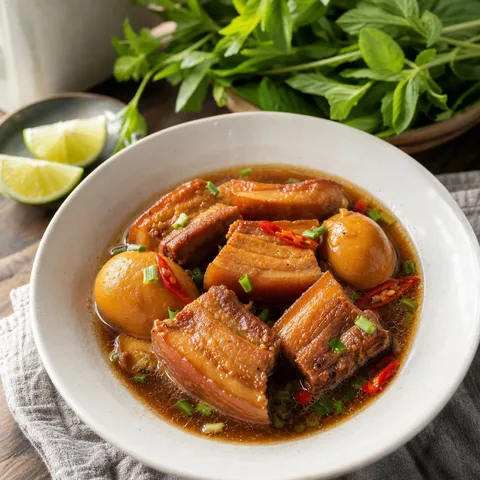
 Thịt Kho Tàu (Caramelized Pork and Eggs)
Meltingly tender pork belly and hard-boiled eggs braised in a rich, sweet, and savory coconut juice caramel, perfect over steamed rice.
 Vietnamese Lens Verified Images are for illustrative purposes only, may be inaccurate, and do not guarantee the presence or absence of specific ingredients.
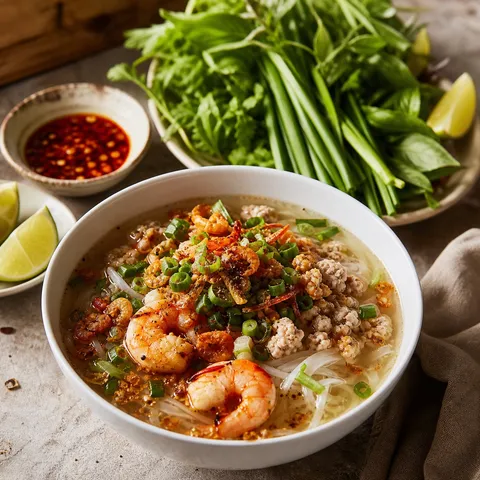
 Hủ Tiếu (Pork and Seafood Noodle Soup)
A Vietnamese pork-bone broth noodle soup loaded with ground pork, shrimp, and dried shrimp over chewy tapioca noodles, finished with garlic chives and fried garlic.
 Vietnamese Lens Verified Images are for illustrative purposes only, may be inaccurate, and do not guarantee the presence or absence of specific ingredients.
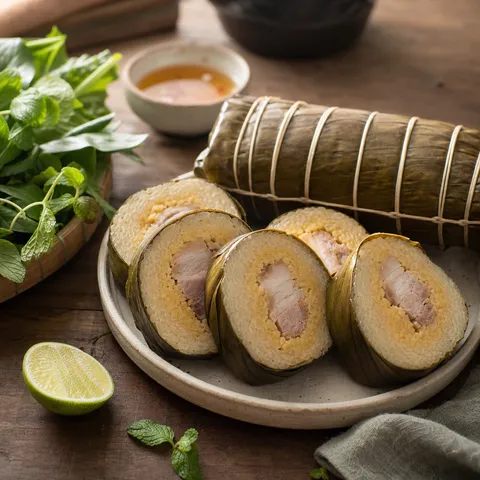
 Bánh Tét (Cylindrical Sticky Rice Cake)
The Southern equivalent of Bánh Chưng, rolled into a cylinder.