 Beverages Images are for illustrative purposes only, may be inaccurate, and do not guarantee the presence or absence of specific ingredients.
  Serving Images are for illustrative purposes only, may be inaccurate, and do not guarantee the presence or absence of specific ingredients.
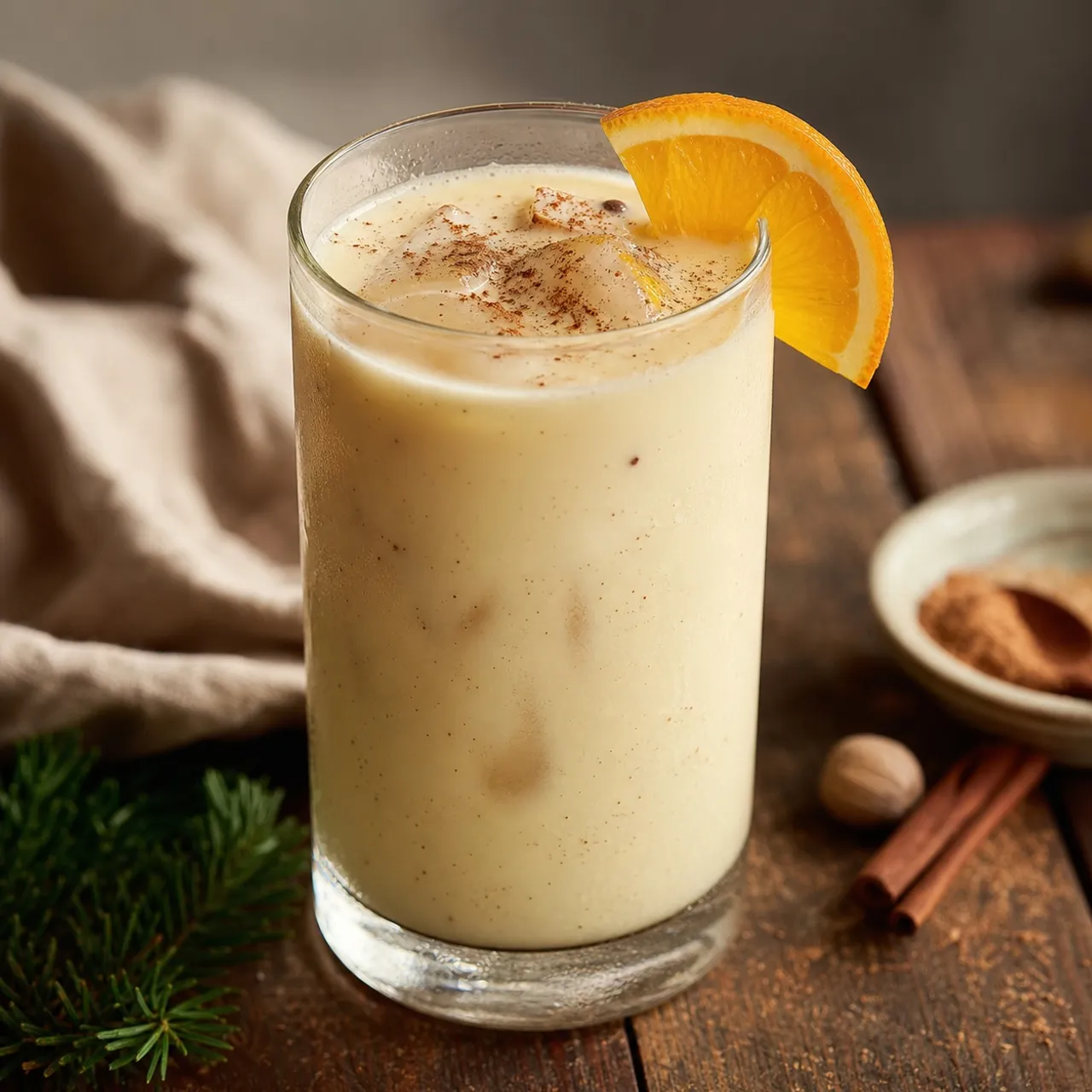
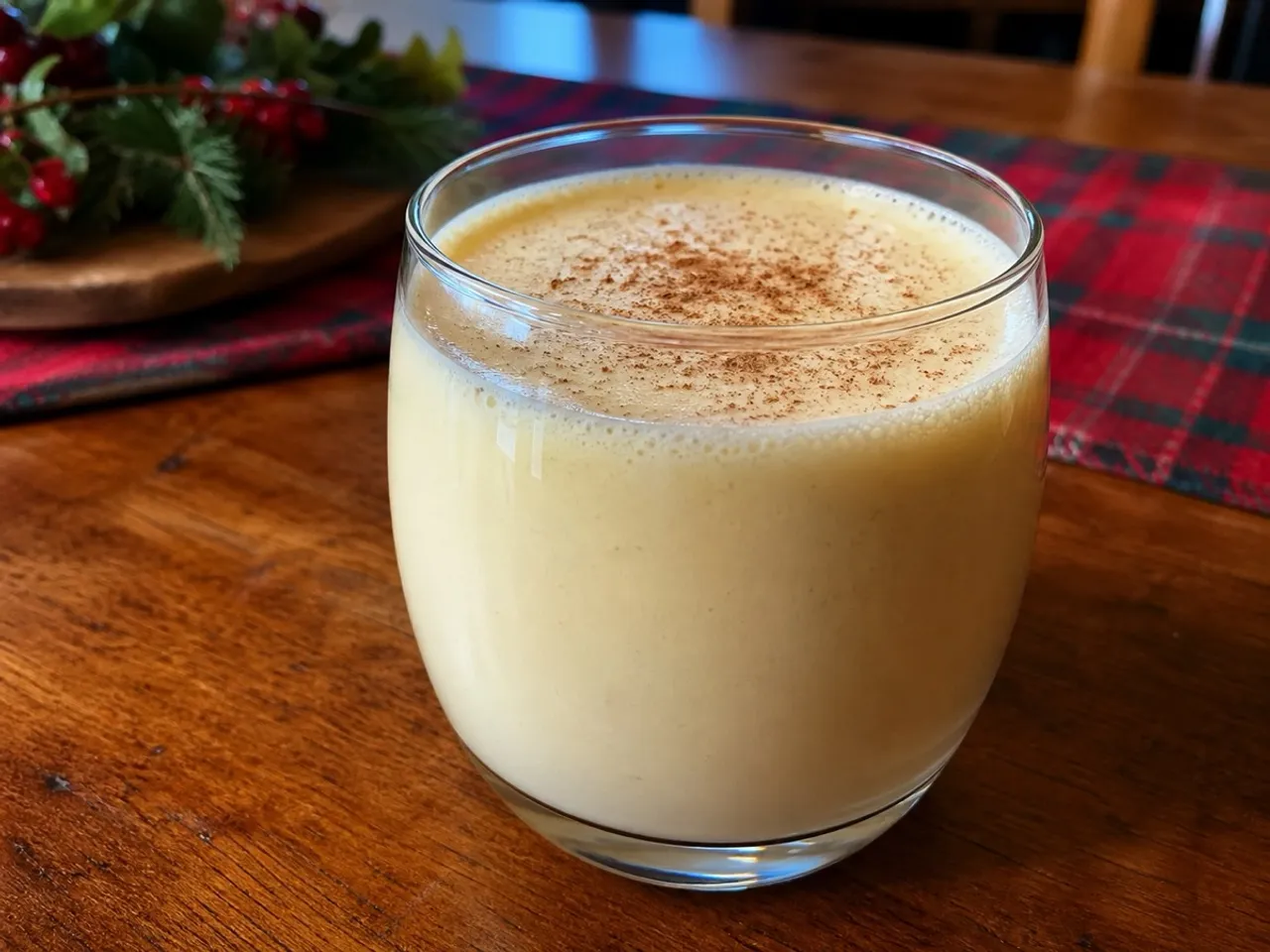
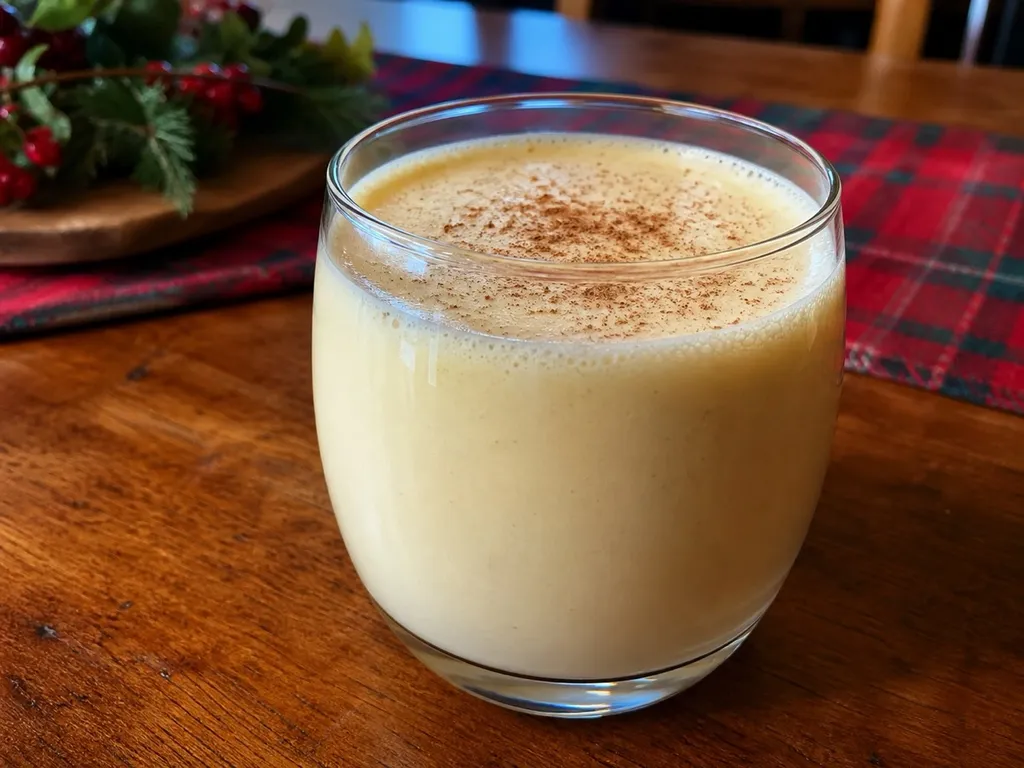
 Eggnog
A rich, creamy holiday classic made with egg yolks, milk, and warm nutmeg.
Contains common allergens
In the app, Listahan checks these against your household automatically.
Instructions
5 steps- 1
Whisk egg yolks and sugar together in a bowl until pale and thick.
- 2
Heat milk in a saucepan until just steaming, then slowly whisk into the egg mixture to temper.
- 3
Return the mixture to the saucepan and cook over low heat, stirring constantly, until slightly thickened.
- 4
Remove from heat, stir in heavy cream, vanilla, and rum if using, then chill for at least 2 hours.
- 5
Serve cold, sprinkled with ground nutmeg.
 Images are for illustrative purposes only, may be inaccurate, and do not guarantee the presence or absence of specific ingredients.
 Listahan Family Score™
68/100
Works for many families
Score reflects how well this recipe fits a typical busy household. In the app, your Family Score is personalized to your household's allergens, kids, and pantry.
Nutrition
per serving320
Calories
6 g
Protein
23 g
Carbs
22 g
Fat
Estimated per serving. Actual values depend on the brands and portions you use.
Listahan cooking guide
Chef notes & practical guide
Technique notes, ingredient swaps, serve-alongside ideas, storage guidance, and equipment for this recipe.
Cultural context
Eggnog traces back to medieval European milk-and-egg possets warmed with ale or wine, refined in colonial America once cheap dairy and rum made a richer, cold version possible. It shifted from an everyday tonic to a holiday-only treat as refrigeration made raw eggs and cream feel more like an occasion than a staple.
Listahan note
This version tempers the eggs gently over heat instead of leaving them raw, which trades a little of the old-fashioned rawness for a custard that is safer and still silky.
Technique cues
- Temper slowly: pour hot milk into the yolks in a thin stream while whisking, or the eggs scramble instead of thickening.
- Cook the custard only until it coats the back of a spoon; eggnog should stay pourable, not turn into pudding.
- Chilling for a few hours lets the nutmeg and vanilla round out instead of tasting sharp on top.
Kitchen flow
- Parallel prep
- Grate the nutmeg and measure the rum while the custard cools in the fridge.
- Make-ahead
- Eggnog tastes better a day after making, once the spices have had time to settle in.
- Leftover move
- Use leftover eggnog as the liquid in French toast batter or a quick bread pudding.
- Cleanup rhythm
- Soak the saucepan right away; cooked egg residue hardens fast and is easier to rinse warm.
Ingredient brief
Role, handling, and swap guidance for each key ingredient.
Egg yolks
Custard base
Purpose: The yolks give eggnog its body and pale golden color once cooked into a soft custard.
Handling: Whisk with sugar until visibly paler and slightly thickened before adding any hot liquid.
Adaptation: Pasteurized egg product works for households that want to skip the stovetop cooking step entirely.
Whole milk and heavy cream
Dairy richness
Purpose: The combination gives a custard that is rich but still drinkable, not as heavy as straight cream.
Handling: Warm the milk gently before tempering; do not let it boil or the eggs will curdle when combined.
Adaptation: A lactose-free milk and cream blend works with no change to method; oat-based versions will be thinner.
Ground nutmeg
Signature spice
Purpose: Nutmeg is the aroma most people associate with eggnog, freshly grated if possible for a brighter top note.
Handling: Add a pinch to the custard while cooking and save the rest for dusting on top when serving.
Adaptation: A small pinch of allspice can stand in if nutmeg is unavailable, though the flavor shifts slightly.
Rum, optional
Adult finish
Purpose: A splash of rum adds warmth and rounds out the spice without overpowering the custard.
Handling: Stir in after the custard has cooled slightly so the alcohol does not cook off.
Adaptation: Omit entirely for an alcohol-free pitcher, or offer it on the side so everyone can pour their own.
Technique notes
- Cook the custard low and slow, stirring constantly with a wooden spoon or heatproof spatula, not a whisk, to feel when it thickens.
- If the custard looks even slightly grainy, strain it through a fine mesh sieve before chilling to smooth it back out.
- Serve in small glasses rather than tall ones; eggnog is rich and a little goes a long way.
Ingredient swaps
- Dairy-free direction
- Full-fat oat milk and coconut cream can replace the dairy, though the custard will be noticeably thinner.
- Egg-conscious direction
- Use pasteurized liquid egg yolks or a store-bought dairy eggnog base and skip the stovetop step.
- Alcohol-free direction
- Leave out the rum and add a few extra drops of vanilla extract to keep the flavor rounded.
Serve alongside
- Gingerbread cookies
- Spiced shortbread
- Cinnamon streusel cake
- Candied pecans
- A dash of bourbon stirred in for grown-ups
- Hot spiced cider as a lighter alternative
- Black coffee to cut the richness
Serving suggestions only — check pairings for your household's allergens.
Storage & reheating
- Refrigerate in a sealed pitcher or jar for up to 3 days.
- Give it a good stir or shake before serving, since the cream can separate slightly as it sits.
- Do not freeze; the custard texture breaks down and turns grainy once thawed.
Equipment
- Heavy-bottomed saucepan
- Whisk
- Fine mesh strainer
- Pitcher with a lid for chilling
Make this household-aware
Listahan Pro checks this recipe against your household's allergens, finds pantry-aware swaps, builds the shopping list, and helps you plan the week around it.
Plan it in Listahan
Add Eggnog to your week, check it against your household's allergens, and build the shopping list automatically.
More Beverages recipes
 Beverages Lens Verified Images are for illustrative purposes only, may be inaccurate, and do not guarantee the presence or absence of specific ingredients.
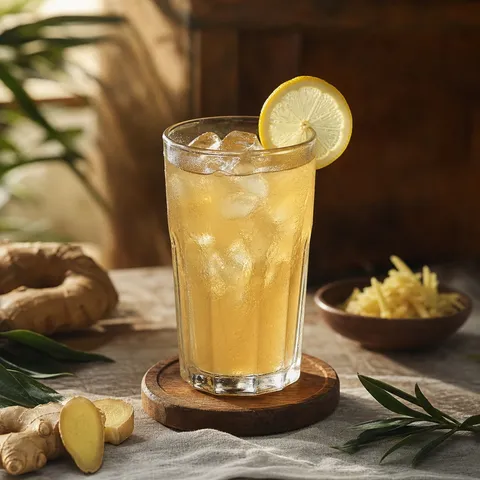
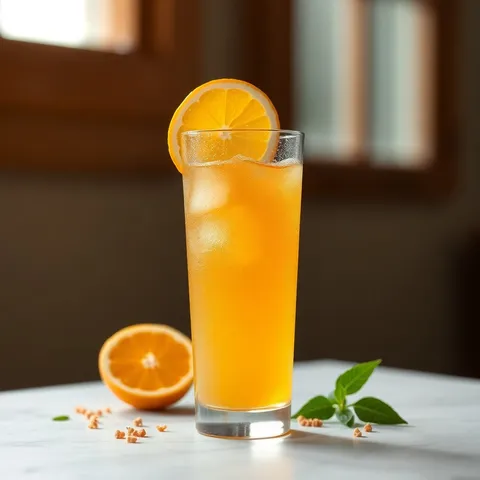
 Ginger Tea
A soothing, spicy-sweet tea made from simmered fresh ginger and honey.
 Beverages Lens Verified Images are for illustrative purposes only, may be inaccurate, and do not guarantee the presence or absence of specific ingredients.
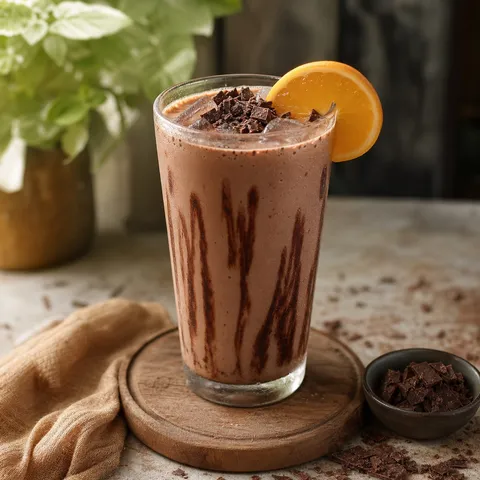
 Chocolate Milkshake
A thick, classic diner-style chocolate milkshake topped with whipped cream.
 Beverages Lens Verified Images are for illustrative purposes only, may be inaccurate, and do not guarantee the presence or absence of specific ingredients.
 Summer Citrus Punch
A bright, refreshing vodka punch bursting with grapefruit, lime, and lemon, finished with fresh citrus slices and berries.